
Last updated: April 9, 2026
In this article
Can Cats Eat Prawn? Safety Guide for Cat Owners
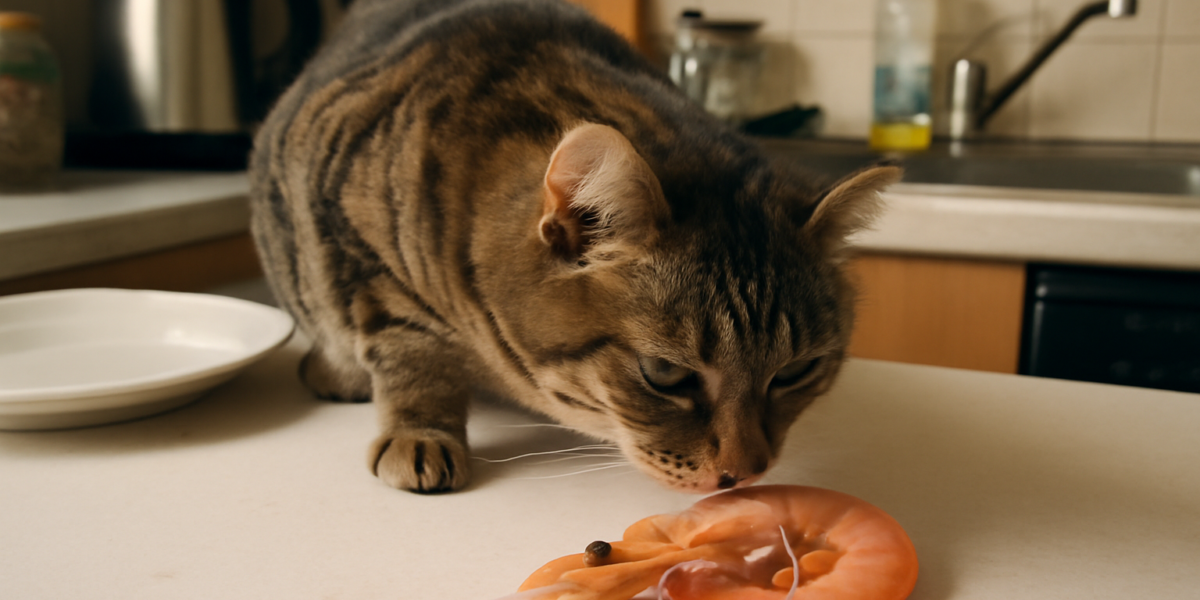
If you have ever peeled prawns in the kitchen, you have probably noticed your cat appearing out of nowhere, drawn by the smell of fresh seafood. Cats are naturally attracted to the scent and flavor of fish and shellfish, and prawns are no exception. But is it actually safe to share a prawn with your cat?
The short answer is yes. Cats can eat prawns in moderation, provided they are properly prepared. As obligate carnivores, cats thrive on animal-based protein, and prawns offer a lean source of protein along with several beneficial nutrients. However, there are important guidelines to follow before tossing a prawn to your furry friend.
Quick Answer
Yes, cats can safely eat prawns as an occasional treat. Prawns should always be cooked thoroughly, peeled, deveined, and served plain without any seasoning, butter, garlic, or oil. Raw prawns carry the risk of bacterial contamination, and seasoned prawns can contain ingredients that are toxic to cats. Limit prawn treats to one or two small pieces once or twice a week at most.
While prawns are not a replacement for a complete and balanced cat food, they can serve as a high-protein, low-calorie reward. If your cat has never eaten prawns before, introduce them slowly and watch for any signs of digestive upset or allergic reaction.
Nutritional Considerations for Cats
Prawns are a nutrient-dense food that offers several components beneficial to cats. As obligate carnivores, cats require a diet built primarily around animal protein, and prawns fit that profile well.
A typical serving of cooked prawns (about 85 grams for humans, though cats would eat far less) contains approximately 20 grams of protein with very little fat. This makes prawns one of the leanest sources of animal protein available. Beyond protein, prawns provide a range of micronutrients that can support feline health.
Prawns are a good source of selenium, an antioxidant mineral that supports immune function and thyroid health. They also contain phosphorus, which works alongside calcium to maintain strong bones and teeth. Vitamin B12, found in notable amounts in prawns, supports nervous system function and red blood cell production in cats.
Additionally, prawns contain omega-3 fatty acids, although in smaller amounts than oily fish like salmon or sardines. These fatty acids contribute to healthy skin, a glossy coat, and reduced inflammation. Prawns also supply zinc, which plays a role in wound healing and immune defense.
It is worth noting that prawns contain a moderate amount of cholesterol. While dietary cholesterol is less of a concern for cats than it is for humans, cats with existing health conditions should have their diets managed carefully by a veterinarian.
Benefits and Risks of Feeding Prawns to Cats
There are several benefits to offering prawns as an occasional treat for your cat. The high protein content supports muscle maintenance and overall vitality. The appealing taste and texture can make prawns useful as a high-value reward during training or for encouraging a picky eater to take interest in food.
Prawns are also relatively low in calories compared to many commercial cat treats, making them a reasonable option for cats that need to manage their weight. The moisture content in cooked prawns can also contribute to hydration, which is important for cats that do not drink enough water on their own.
However, there are risks to be aware of. Raw or undercooked prawns can harbor harmful bacteria such as Salmonella, Listeria, or Vibrio, as well as parasites. Always cook prawns thoroughly before offering them to your cat. Boiling or steaming without added ingredients is the safest preparation method.
Some cats may be allergic to shellfish. While shellfish allergies are more commonly discussed in humans, cats can develop food sensitivities to any protein source, including prawns. Signs of an allergic reaction include vomiting, diarrhea, itchy skin, or swelling around the face.
The shell, tail, and head of the prawn should always be removed before feeding. These parts can pose a choking hazard and may cause irritation or obstruction in the digestive tract. Additionally, avoid any prawns that have been prepared with garlic, onion, salt, or other seasonings, as these ingredients can be toxic to cats.
How to Serve Prawns Safely to Your Cat
Preparing prawns for your cat is straightforward, but attention to detail matters. Follow these steps to ensure your cat enjoys prawns safely.
Start by selecting fresh or frozen plain prawns. Avoid pre-seasoned, breaded, or marinated varieties. If using frozen prawns, thaw them completely before cooking. Cook the prawns by boiling or steaming them until they are fully opaque and pink throughout. Do not add salt, oil, butter, garlic, or any other flavoring.
Once cooked, peel the prawns completely, removing the shell, tail, head, and the dark vein that runs along the back. Cut the prawn into small, bite-sized pieces appropriate for your cat’s size. For a medium-sized cat, one or two small prawns cut into pieces is a sufficient treat.
Offer the prawn pieces at room temperature or slightly warm. Do not serve them straight from the refrigerator, as very cold food can be off-putting to some cats and may cause mild stomach discomfort.
If this is your cat’s first time eating prawn, start with a single small piece and wait 24 to 48 hours to observe for any adverse reactions. If your cat tolerates it well, you can offer prawns occasionally as a treat, but they should never make up more than ten percent of your cat’s total daily caloric intake.
If you are looking to adopt a cat and want to learn about proper nutrition from the start, visit our adoption page to find your new companion.
Signs of Problems After Eating Prawns
While most cats tolerate prawns well, it is important to monitor your cat after introducing any new food. Watch for the following signs that may indicate a problem.
Vomiting or diarrhea within a few hours of eating prawns could indicate digestive sensitivity or an allergic reaction. Occasional mild stomach upset is not unusual when a cat tries a new food for the first time, but repeated or severe symptoms warrant veterinary attention.
Excessive scratching, skin redness, or hives may signal a shellfish allergy. Although uncommon in cats, food allergies can develop at any age, even to foods the cat has eaten before without issue.
Lethargy, loss of appetite, or changes in behavior after eating prawns could suggest a more serious reaction. If your cat shows any of these symptoms, discontinue the food immediately and contact your veterinarian.
Choking or gagging may occur if prawn pieces are too large or if any shell fragments were inadvertently left on the prawn. Always inspect prawns carefully and cut them into manageable pieces before serving.
If your cat consumes raw or improperly handled prawns, watch for signs of food poisoning, including fever, prolonged vomiting, bloody stool, or dehydration. These symptoms require prompt veterinary care.
Healthy Alternatives to Prawns for Cats
If your cat enjoys prawns, there is a good chance they will also appreciate other protein-rich treats. Variety can be beneficial, as it exposes cats to different nutrients and reduces the risk of developing sensitivities to a single protein source.
Cooked, plain chicken breast is one of the most widely accepted treats among cats. It is lean, easy to digest, and provides excellent protein. Similarly, cooked turkey without seasoning or skin makes a safe and nutritious option.
Small pieces of cooked salmon or tuna can be offered occasionally, though these should also be limited due to potential mercury content. If your cat enjoys the taste of seafood, you might also explore whether cats can eat eel, another protein-rich option with its own set of considerations.
Cooked eggs, either scrambled without oil or hard-boiled, provide a complete protein source and are generally well tolerated by cats. Some cats also enjoy small amounts of plain cooked fish like cod or tilapia.
Commercial cat treats formulated to be nutritionally appropriate are always a reliable fallback. Look for treats with short ingredient lists that prioritize real animal protein.
Frequently Asked Questions
Can cats eat raw prawns?
No, it is not recommended to feed raw prawns to cats. Raw shellfish can contain harmful bacteria such as Salmonella and Listeria, as well as parasites that can cause illness. Always cook prawns thoroughly by boiling or steaming before offering them to your cat.
Can cats eat prawn shells?
No, cats should not eat prawn shells. The shells are hard, sharp when broken, and can pose a choking hazard or cause damage to the esophagus, stomach, or intestines. Always fully peel prawns and remove the tail and head before serving.
How many prawns can a cat eat?
One to two small prawns, cut into bite-sized pieces, is an appropriate portion for most adult cats. Treats, including prawns, should not exceed ten percent of your cat’s daily caloric intake. Prawns should be offered no more than once or twice per week.
Can kittens eat prawns?
Kittens can try a very small amount of cooked, peeled prawn once they are fully weaned and eating solid food, typically around eight weeks of age. However, kittens have sensitive digestive systems, so introduce new foods very gradually and in tiny portions. Their primary diet should be a high-quality kitten food formulated for growth. Consider adopting a kitten and consult your vet about appropriate treats.
Are prawns better for cats than commercial treats?
Plain cooked prawns can be a healthier option than some commercial treats that contain fillers, artificial flavors, and excessive carbohydrates. However, high-quality commercial treats are specifically formulated to complement a cat’s diet. Both can be part of a balanced approach to treating your cat.
Can cats eat prawns cooked in garlic or butter?
No. Garlic is toxic to cats and can cause damage to red blood cells, leading to anemia. Butter adds unnecessary fat and can cause digestive upset. Always serve prawns plain, without any seasoning, oil, or added ingredients.


