
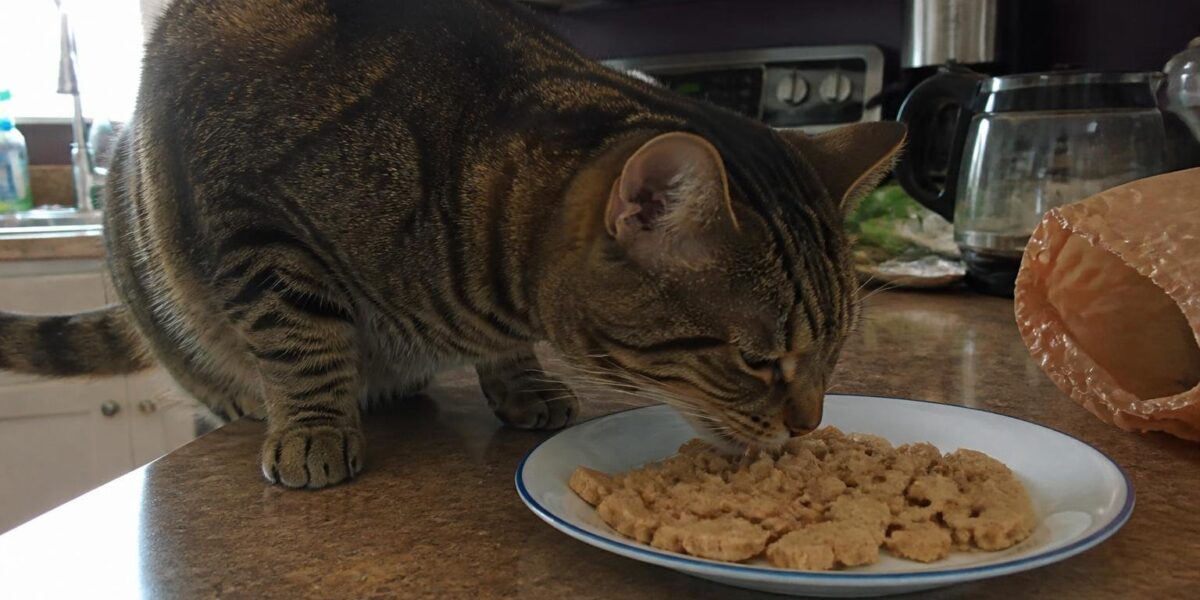
Can Cats Eat Seitan? The Short Answer
Seitan is best avoided for cats. It isn’t acutely poisonous, so a stray nibble won’t cause an emergency, but seitan offers an obligate carnivore absolutely nothing of value — and it’s pure wheat gluten, a common allergen. Seitan (sometimes called “wheat meat”) is a meat substitute made almost entirely from gluten, the protein in wheat. It’s designed to feed humans who don’t eat meat, not cats, whose bodies are built to run on animal protein.
In this article
So can cats eat seitan? A tiny accidental taste of plain seitan won’t harm most cats, but there’s no reason to offer it, and several reasons not to. It provides no usable nutrition for a carnivore, the gluten can trigger sensitivities, and the seasoned, salty versions that fill grocery shelves bring added risks. For your cat, seitan is a rare nibble at most — and ideally not even that.
Why Seitan Is Pointless for Cats
Cats are obligate carnivores. They need specific nutrients — like taurine and certain amino acids — that come from animal tissue, and their bodies process plant proteins poorly. Seitan is the opposite of what a cat needs: it’s a concentrated plant protein with none of the animal-based nutrients that keep cats healthy.
For a cat, seitan provides:
- Plant (wheat) protein that lacks the complete amino-acid profile cats require.
- No taurine, the essential amino acid cats must get from animal sources.
- Carbohydrates that don’t suit a carnivore’s metabolism.
- A chewy, dense texture that offers nothing beyond filler.
In short, even if a cat ate seitan willingly, it would do nothing positive for them. It can’t replace meat in any meaningful way, and a cat fed plant protein in place of animal protein would become seriously deficient.
It’s easy to be misled by seitan’s high protein number on the label. Protein content alone doesn’t tell you whether a food is useful to a cat — what matters is the source and the amino-acid profile. Plant protein from wheat lacks the specific building blocks, like taurine, that cats must have, and a cat’s digestive system isn’t designed to extract nutrients from gluten efficiently. So a food can look impressively “high protein” and still be nearly worthless to a carnivore. That gap between the label and the biology is exactly why seitan isn’t a meat substitute for cats, however convincing it looks on a sandwich.
The Gluten and Seasoning Concerns
Beyond being useless, seitan carries a couple of real downsides for cats.
First is gluten. Seitan is essentially pure wheat gluten, and while true wheat allergies in cats are uncommon, they do happen. A gluten-sensitive cat may react with itching, ear inflammation, vomiting, or diarrhea. Feeding a concentrated gluten product is the worst-case scenario for a cat with any wheat sensitivity.
Second is seasoning. Most commercial seitan isn’t plain — it’s marinated and flavored to mimic meat, often with heavy salt, soy sauce, and frequently onion or garlic powder. Onion and garlic are toxic to cats, and the salt load is unhealthy on its own. So even setting aside the gluten, the typical seitan product on a store shelf is something to keep away from your cat.
How Much Seitan Can a Cat Have?
The most honest answer is none, or at most a tiny accidental taste:
- There’s no recommended serving — seitan isn’t a treat worth giving.
- If your cat snatches a small plain piece, it’s unlikely to cause harm, but don’t make it a habit.
- Never offer seasoned, salted, or onion/garlic-flavored seitan at all.
If you’re following a vegetarian or vegan lifestyle yourself, it’s important to know that cats cannot be healthy on a plant-based diet without carefully formulated, vet-supervised nutrition. Seitan is not a substitute for the animal protein and taurine your cat needs to survive.
What to Feed Instead
Your cat will be far happier and healthier with a meat-based treat that fits their carnivore biology. These deliver the protein and amino acids their body actually requires.
See our guides on whether cats can eat chicken and whether cats can eat beef heart for protein- and taurine-rich options that are genuinely good for cats. If you want to understand which plant foods are safe in tiny amounts, our notes on whether cats can eat bread cover another wheat-based food and the same “filler, not nutrition” principle that applies to seitan.
Why Cats Truly Need Animal Protein
To understand why seitan falls short, it helps to know what makes cats different from omnivores like us and dogs. Cats are obligate carnivores in the strictest sense — their bodies have evolved specific requirements that only animal tissue can fully meet.
A few nutrients illustrate the point clearly:
- Taurine, an essential amino acid found in animal tissue but virtually absent from plants like wheat — a deficiency harms the heart and eyes.
- Arachidonic acid, a fatty acid cats can’t make themselves and must get from animal fat.
- Preformed vitamin A, which cats need from animal sources because they can’t efficiently convert plant precursors.
- Highly digestible animal protein, which cats use far more efficiently than the plant protein in seitan.
Seitan, being essentially pure wheat gluten, supplies none of these in a usable form. It can fill a stomach, but it can’t nourish a cat. That’s the core reason it’s not a meaningful food for them, no matter how “meaty” it looks or how high its protein number appears on a label.
For Vegetarian and Vegan Households
If you follow a plant-based lifestyle, it’s natural to wonder whether your cat can share it — and this is an area where good intentions can unintentionally cause harm. Seitan and other meat substitutes simply can’t meet a cat’s needs on their own.
The honest, animal-welfare-minded answer is this: a cat cannot thrive on an unsupervised plant-based diet. Cats that don’t get enough taurine, animal protein, and the other nutrients above can develop serious heart, eye, and overall health problems. If you feel strongly about avoiding animal products in your cat’s food, the only responsible path is to:
- Talk with your veterinarian or a board-certified veterinary nutritionist first.
- Use only commercial diets that are properly formulated and supplemented to meet feline nutritional standards.
- Monitor your cat’s health closely with regular checkups, including taurine-related screening if advised.
Tossing your cat a piece of seitan as a “protein” source is not a substitute for any of this. When it comes to feeding a carnivore, their biology has to come first.
When to Contact the Vet
A small plain nibble of seitan rarely causes trouble, but call your veterinarian if your cat eats a large amount, gets into a heavily seasoned product, or shows signs like repeated vomiting, diarrhea, itching, or lethargy. If the seitan was flavored with onion or garlic, treat that more urgently and contact your vet, since these can damage a cat’s red blood cells.
For day-to-day feeding, skip the meat substitutes and stick with the animal-based foods cats are designed to thrive on. If you have questions about your cat’s diet — especially around protein needs — your veterinarian is always the best guide.
Frequently Asked Questions
Is seitan safe for cats?
Plain seitan isn’t acutely toxic, so a small accidental taste won’t usually harm a cat. But it offers no nutritional value to a carnivore, is a gluten allergen, and is often heavily seasoned, so it’s best avoided.
Can cats live on a plant-based diet using seitan?
No. Cats are obligate carnivores that need animal-based protein and taurine to survive. Seitan cannot replace meat, and a plant-based diet for cats requires careful veterinary formulation and supervision.
Why is seitan bad for cats?
It’s pure wheat gluten with no taurine and no usable animal protein, can trigger gluten sensitivities, and is usually loaded with salt and sometimes toxic onion or garlic seasoning.
My cat ate some seitan — should I worry?
A small plain bite is usually fine. Watch for vomiting, diarrhea, or itching, and call your veterinarian if your cat ate a lot or the seitan was seasoned with onion or garlic.
Is seitan high in protein useful for cats?
The protein in seitan is plant-based wheat gluten, which cats use far less efficiently than animal protein and which lacks taurine entirely. A high protein number on the label doesn’t make it good food for a carnivore.
Are other meat substitutes like tofu safe for cats?
Like seitan, plant-based meat substitutes offer cats little usable nutrition and shouldn’t replace animal protein. A tiny accidental taste is usually harmless, but they aren’t appropriate treats. Choose meat-based options and consult your vet about your cat’s diet.


