
Last updated: May 4, 2026
In this article
Is Duck Liver Safe for Dogs?
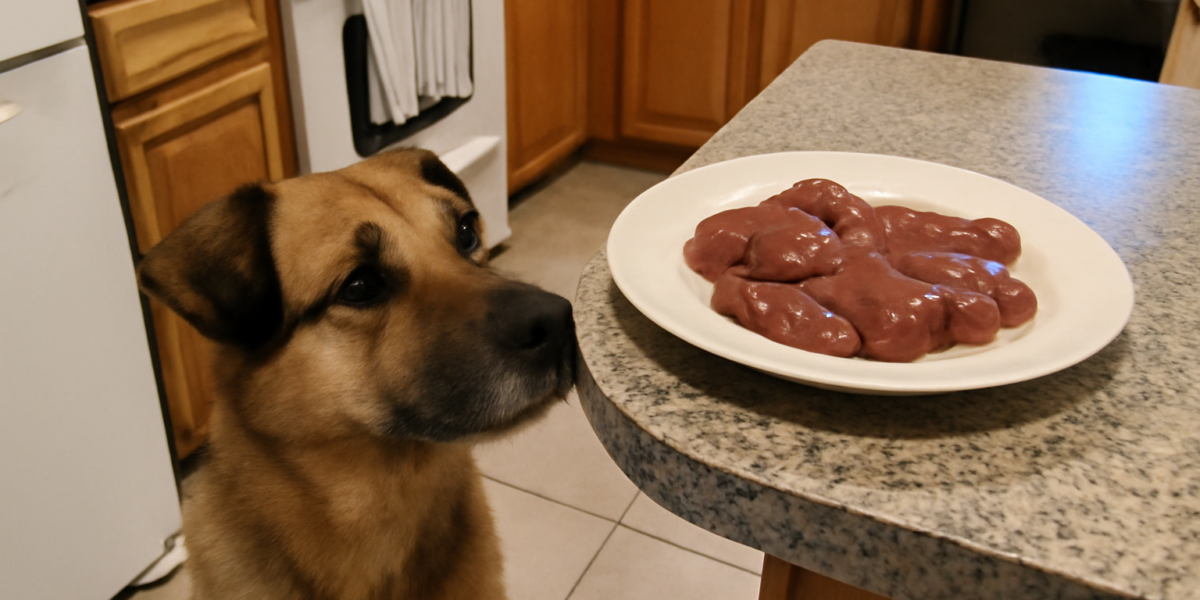
Yes, dogs can eat duck liver in moderation, and many dogs find its rich flavor irresistible. Duck liver is packed with essential nutrients including vitamin A, iron, B vitamins, and high-quality protein. However, the extremely high vitamin A concentration means duck liver must be fed carefully and in limited quantities to avoid hypervitaminosis A, a potentially serious condition caused by vitamin A toxicity.
When offered in appropriate portions, duck liver makes an outstanding nutritional supplement and a high-value treat that most dogs eagerly devour. The key is understanding how much is safe and how often you can include it in your dog’s routine.
Nutritional Profile of Duck Liver
Duck liver is one of the most nutrient-dense foods you can offer your dog. A single ounce of cooked duck liver contains approximately 4,000 IU of vitamin A, which is remarkably concentrated. For context, a 30-pound dog needs roughly 1,500 IU of vitamin A per day, so even a small serving of duck liver easily exceeds daily requirements.
Beyond vitamin A, duck liver provides an impressive array of nutrients. It is rich in heme iron, which is far more absorbable than the iron found in plant-based foods. This makes it particularly valuable for dogs recovering from illness or those prone to anemia.
B vitamins are abundant, especially B12 and folate. These support nerve function, red blood cell formation, and DNA synthesis. Duck liver also contains copper, zinc, and selenium, all of which play important roles in immune function and antioxidant defense.
The protein content is high-quality and easily digestible, with a complete amino acid profile. The fat content is moderate and includes omega-3 and omega-6 fatty acids that support skin and coat health.
Verdict: Safe in Small, Controlled Amounts
Duck liver earns a conditional yes. It is completely safe and beneficial when fed in small quantities, but overfeeding can lead to vitamin A toxicity. Think of duck liver as a potent nutritional supplement rather than a regular food item. A little goes a long way, and respecting portion limits is essential.
Dogs that receive a balanced commercial diet already get adequate vitamin A from their regular food. Adding duck liver on top of that means you need to keep servings modest to stay within safe vitamin A intake ranges.
Portions by Dog Size
Because of the high vitamin A content, duck liver portions should be smaller than what you might offer with other organ meats like heart. Use these guidelines to keep your dog safe:
- Small dogs (under 20 lbs): A quarter ounce (about the size of a dime) once or twice per week maximum.
- Medium dogs (20-50 lbs): Half an ounce to one ounce once or twice per week. About the size of a large marble.
- Large dogs (50-90 lbs): One to one and a half ounces once or twice per week.
- Giant breeds (over 90 lbs): One and a half to two ounces once or twice per week.
These portions assume your dog is eating a complete commercial diet that already contains vitamin A. If you are feeding a homemade diet, work with a veterinary nutritionist to calculate appropriate liver quantities that meet but do not exceed vitamin A requirements.
Never feed duck liver daily. Spacing servings at least three to four days apart gives your dog’s body time to process and store the vitamin A without accumulating dangerous levels.
How to Prepare Duck Liver for Dogs
Duck liver requires minimal preparation but should always be cooked before serving to eliminate any risk of bacterial contamination. Raw duck liver can harbor salmonella and campylobacter, both of which can cause serious illness in dogs and the humans who handle their food.
The simplest preparation method is boiling. Place the duck livers in a small pot of plain water and simmer for 10 to 15 minutes until cooked through. The interior should no longer be pink. Drain and let cool completely before cutting into appropriate portion sizes.
You can also pan-sear duck liver without oil in a non-stick pan for about three minutes per side. This creates a slightly crispier texture that some dogs prefer. Avoid adding butter, oil, garlic, onions, salt, or any seasonings.
For training treats, boil the liver, then slice it thin and dehydrate at 160 degrees Fahrenheit for six to eight hours. These dried liver treats are lightweight, shelf-stable, and incredibly motivating for dogs during training sessions.
Store cooked duck liver in an airtight container in the refrigerator for up to three days. For longer storage, freeze individual portions in ice cube trays or small bags for up to three months.
Trouble Signs to Watch For
Vitamin A toxicity is the primary risk when feeding duck liver. It typically develops from chronic overfeeding rather than a single large serving, though an extremely large one-time dose can also cause problems. Watch for these warning signs:
- Vomiting and diarrhea: Often the first signs of too much liver. If these occur after feeding duck liver, reduce the amount significantly or stop feeding it temporarily.
- Loss of appetite and weight loss: Chronic vitamin A excess can suppress appetite and cause gradual weight loss over weeks to months.
- Stiff joints or reluctance to move: Excess vitamin A can cause abnormal bone growth, particularly around the spine and limbs. This is a sign of long-term overconsumption and requires veterinary attention.
- Dry, flaky skin or hair loss: Paradoxically, while moderate vitamin A supports skin health, excessive amounts can damage it.
- Lethargy and weakness: General malaise can indicate vitamin A accumulation in the liver, which interferes with normal organ function.
If you notice any of these symptoms and have been feeding duck liver regularly, discontinue it immediately and contact your veterinarian. Vitamin A toxicity is treatable when caught early, but chronic cases can cause lasting joint and bone damage.
Duck Liver vs. Other Liver Options
All liver is nutrient-dense, but the vitamin A content varies somewhat between species. Beef liver contains roughly 5,000 to 8,000 IU of vitamin A per ounce, making it even more concentrated than duck liver. Chicken liver is slightly lower at about 3,500 IU per ounce, making it a marginally safer option for frequent feeding.
Duck liver has a richer, more buttery flavor compared to chicken or beef liver, which makes it an excellent choice for extremely picky dogs or as a high-value training reward. Its slightly lower vitamin A content compared to beef liver gives you a bit more room in portioning, though caution is still essential.
If your dog enjoys organ meats, consider rotating between duck liver and safer options like lamb heart, which provides taurine and B vitamins without the vitamin A risk. This rotation gives your dog varied nutrition while keeping vitamin A intake at safe levels.
No matter which liver type you choose, the same fundamental rule applies: liver should make up no more than five percent of your dog’s total diet. This ensures your dog benefits from liver’s impressive nutrition without crossing into dangerous territory.
Frequently Asked Questions
Can puppies eat duck liver?
Puppies can have tiny amounts of duck liver once fully weaned, but their smaller body size and developing systems make them more vulnerable to vitamin A excess. A pea-sized portion once per week is sufficient for puppies under six months. Always consult your veterinarian before adding organ meats to a puppy’s diet.
Is duck liver better than chicken liver for dogs?
Neither is definitively better. Duck liver has a richer flavor that some dogs prefer, while chicken liver is more widely available and slightly lower in vitamin A. Both are excellent nutritional supplements when fed in moderation. Rotating between the two provides slightly different micronutrient profiles.
Can dogs eat duck liver pate?
No. Commercial pate typically contains butter, salt, herbs, garlic, onions, and alcohol, all of which are inappropriate or dangerous for dogs. Only feed your dog plain duck liver that you have prepared yourself without any additives or seasonings.
How do I know if I am feeding too much liver?
Symptoms of chronic overfeeding include stiff movement, reluctance to jump or climb stairs, poor coat quality, and appetite loss. If you are feeding liver more than twice a week or in quantities larger than recommended for your dog’s size, scale back immediately and schedule a veterinary checkup. Consider pairing liver meals with safer foods like sardines in water on alternate days.
Can dogs with liver disease eat duck liver?
Dogs with existing liver conditions should not eat duck liver or any organ liver without explicit veterinary approval. The high vitamin A and copper content can place additional strain on a compromised liver. Your veterinarian can recommend appropriate protein sources and treats for dogs managing liver-related health issues.


