
Last updated: May 4, 2026
In this article
Can Dogs Eat Nutmeg? Safety Guide and Tips
Nutmeg is a warm, aromatic spice that finds its way into countless recipes — from holiday baked goods and pumpkin pie to eggnog and creamy pasta sauces. Its distinctive flavor is deeply associated with comfort food, and during the fall and winter months, nutmeg seems to appear everywhere. With this spice being so common in our kitchens, dogs can easily be exposed to it through dropped food, unattended baked goods, or well-meaning sharing.
Unlike many foods where the safety question has a nuanced answer, nutmeg is clearly on the “do not feed” list for dogs. This spice contains a toxic compound that can cause genuinely serious health effects in canines, even in amounts that might seem small to us. Understanding why nutmeg is dangerous and what to do if your dog accidentally consumes it is essential knowledge for any pet owner.
Quick Answer: Can Dogs Eat Nutmeg?
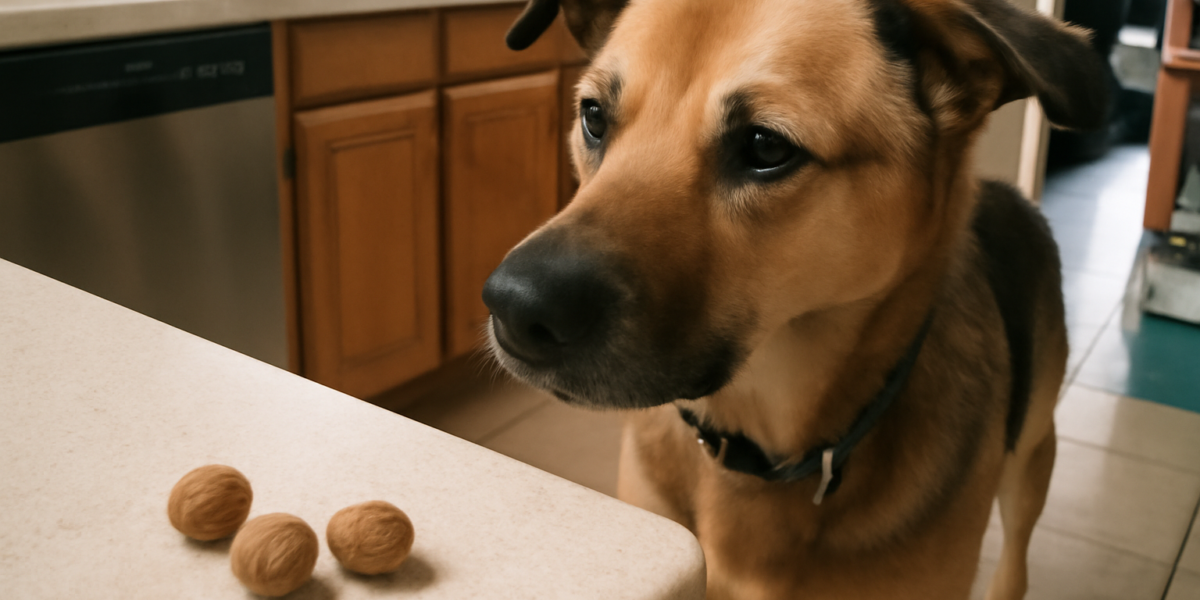
No, dogs should never eat nutmeg. Nutmeg contains myristicin, a naturally occurring compound that is toxic to dogs. Myristicin is a psychoactive substance that, in sufficient doses, can cause hallucinations, disorientation, increased heart rate, high blood pressure, abdominal pain, seizures, and potentially fatal organ damage in dogs.
The amount of nutmeg that triggers toxic symptoms varies depending on the dog’s size, the form of nutmeg consumed (whole nutmeg versus ground), and the individual dog’s sensitivity. However, even relatively small amounts can cause noticeable symptoms. A teaspoon or more of ground nutmeg is enough to cause significant toxicity in most dogs, and a whole nutmeg seed poses an even greater risk due to its concentrated myristicin content.
It is worth noting that the small amount of nutmeg typically found in a single slice of pumpkin pie or a cookie is unlikely to cause severe toxicity in a large dog. However, it may still cause mild digestive upset, and there is no benefit to exposing your dog to even small amounts of a known toxin. The safest approach is to keep all nutmeg and nutmeg-containing foods away from your dog.
Nutritional Profile of Nutmeg
While nutmeg does contain some nutrients, the presence of myristicin makes its nutritional content entirely irrelevant for dogs — any potential benefits are vastly outweighed by the toxicity risk. Here is the composition of one teaspoon (about 2.2 grams) of ground nutmeg for informational purposes.
- Calories: Approximately 12 calories per teaspoon
- Myristicin: The primary toxic compound, present at approximately 0.5 to 1.5 percent of the total weight
- Elemicin and Safrole: Additional psychoactive compounds that contribute to toxicity
- Fat: About 0.8 grams per teaspoon, mostly from the essential oils
- Manganese: Small amounts
- Copper: Trace amounts
- Magnesium: Trace amounts
- Fiber: Small amounts
- Essential Oils: Including eugenol and isoeugenol, which contribute to the aroma
No amount of nutritional content justifies feeding a toxic substance to your dog. All of the trace minerals found in nutmeg are readily available from safe food sources that carry no toxicity risk.
Benefits and Risks of Nutmeg for Dogs
Benefits
- None for Dogs: There are no safe benefits to feeding nutmeg to dogs. While nutmeg has been used in traditional human medicine for its anti-inflammatory and antimicrobial properties, these effects are not safely accessible to dogs due to the toxicity of myristicin.
- Trace Minerals (Irrelevant): Nutmeg contains manganese, copper, and magnesium, but the toxic compounds make the spice an inappropriate source of any nutrient for dogs.
- Anti-Inflammatory Compounds (Not Applicable): Some compounds in nutmeg show anti-inflammatory activity in laboratory studies, but this does not translate to a safe or recommended use in dogs.
- Digestive Aid in Traditional Medicine (Humans Only): Nutmeg has been used historically as a digestive aid in human folk medicine, but this application is irrelevant and dangerous for dogs.
Risks
- Myristicin Toxicity: Myristicin is a psychoactive compound that affects the central nervous system. In dogs, it can cause hallucinations, disorientation, extreme agitation, and altered behavior. Dogs may appear confused, fearful, or aggressive when experiencing myristicin-induced neurological effects.
- Cardiovascular Effects: Myristicin can cause dangerous increases in heart rate and blood pressure. In dogs with pre-existing heart conditions, these effects can be particularly dangerous and potentially life-threatening.
- Seizures: At higher doses, myristicin can trigger seizures in dogs. Seizures are a medical emergency that can cause brain damage and death if not treated promptly.
- Organ Damage: Severe nutmeg toxicity can affect the liver and kidneys. Prolonged exposure to the toxic compounds can cause organ damage that may have lasting health consequences.
- Gastrointestinal Distress: Even small amounts of nutmeg can cause vomiting, diarrhea, abdominal pain, and dry mouth in dogs. These symptoms may appear before the more serious neurological effects.
- Whole Nutmeg Choking Hazard: Whole nutmeg seeds are large enough to pose a choking risk, particularly for smaller dogs. If swallowed whole, they can also cause intestinal obstruction and deliver a concentrated dose of myristicin as they are digested.
How to Serve Nutmeg Safely to Your Dog
Nutmeg should never be served to your dog in any amount, form, or preparation. There is no safe way to give nutmeg to a dog. This includes ground nutmeg, whole nutmeg seeds, nutmeg extract, and any food or beverage prepared with nutmeg as an ingredient.
Prevention is the most important strategy. Store nutmeg and nutmeg-containing products in closed cabinets out of your dog’s reach. Be especially vigilant during holidays when nutmeg-heavy foods like pumpkin pie, eggnog, holiday cookies, and spiced cakes are abundant and often left within a dog’s reach.
If your dog accidentally consumes nutmeg, the appropriate response depends on the amount and your dog’s size.
Emergency response guidelines:
- Small dogs (under 20 lbs): Any consumption of nutmeg warrants an immediate call to your veterinarian. Small dogs are at the highest risk because even small amounts represent a significant dose relative to their body weight.
- Medium dogs (20-50 lbs): A small sprinkle of nutmeg from a food item may cause mild symptoms. Larger amounts or consumption of whole nutmeg seeds require immediate veterinary contact.
- Large dogs (over 50 lbs): A trace amount from a baked good is less likely to cause severe toxicity, but monitor closely. Any consumption of a teaspoon or more of ground nutmeg, or any whole nutmeg seed, should prompt a veterinary call.
Signs of Problems After Eating Nutmeg
Nutmeg toxicity symptoms in dogs can take anywhere from one to six hours to appear after ingestion, and the effects may last for 24 to 48 hours or even longer in severe cases. The delayed onset means that a dog may appear fine initially but develop serious symptoms later.
Early symptoms typically include dry mouth, excessive thirst, drooling, abdominal pain, vomiting, and diarrhea. Your dog may seem restless or uncomfortable and may pant excessively.
As the myristicin takes fuller effect, neurological symptoms may emerge. These include disorientation, confusion, hallucinations (your dog may react to things that are not there), extreme agitation, hyperactivity, unsteadiness on their feet, and unusual vocalizations. Some dogs become fearful or aggressive, which is out of character and distressing for both the pet and the owner.
Severe toxicity symptoms include rapid or irregular heartbeat, high blood pressure, tremors, seizures, extreme lethargy or stupor, and in the most serious cases, organ failure. These symptoms constitute a veterinary emergency and require immediate professional treatment.
If you know or suspect your dog has consumed nutmeg, do not wait for symptoms to appear before contacting your veterinarian. Early intervention can help prevent the progression to more serious effects. Treatment may include induced vomiting (if recent ingestion), activated charcoal, intravenous fluids, anti-seizure medications, and supportive care.
Healthy Alternatives to Nutmeg
If you enjoy cooking for your dog and want to add warming flavors to homemade treats, there are several dog-safe spice alternatives that provide pleasant flavors without toxicity risks.
- Cinnamon (Ceylon): Small amounts of Ceylon cinnamon can be safely added to dog treats. It has anti-inflammatory properties and a warm flavor that many dogs enjoy. Avoid cassia cinnamon in large amounts due to higher coumarin content.
- Ginger: Small amounts of fresh or dried ginger can help with nausea and provide a warming flavor. It has anti-inflammatory and digestive-supporting properties that benefit dogs.
- Turmeric: In small amounts, turmeric provides curcumin, a potent anti-inflammatory compound. It adds a warm flavor and golden color to homemade dog treats.
- Pumpkin puree: For that autumn flavor without any spice risk, plain pumpkin puree provides a naturally sweet, warming taste along with fiber and beta-carotene.
- Parsley: Fresh parsley adds flavor and provides vitamins A and C. It may also help freshen your dog’s breath. Use in moderation, and avoid spring parsley, which can be toxic.
- Cooked sweet potato: For a naturally sweet, warming food that dogs love, sweet potato provides the comfort food feel without any toxicity concerns.
Ready to bake safe, delicious treats for a furry companion? Visit our adoption page to find a dog who would love to be part of your family.
Frequently Asked Questions
How much nutmeg is toxic to a dog?
While exact toxic doses vary by individual dog, signs of toxicity can appear with as little as one to two teaspoons of ground nutmeg in a medium-sized dog. Smaller dogs can be affected by even smaller amounts. A whole nutmeg seed contains enough myristicin to cause significant toxicity in dogs of all sizes. Because there is no established safe dose and individual sensitivity varies, the safest policy is zero exposure.
My dog ate a cookie with nutmeg. Should I worry?
The amount of nutmeg in a single cookie is typically very small — usually a fraction of a teaspoon distributed across an entire batch. For a medium to large dog, this trace amount is unlikely to cause serious toxicity. However, the cookie may also contain sugar, butter, and potentially chocolate or raisins, which have their own risks. Monitor your dog for any symptoms and contact your vet if you are concerned about the specific ingredients.
Can nutmeg kill a dog?
In large enough amounts, nutmeg toxicity can theoretically be fatal, particularly in small dogs. Severe cases involving whole nutmeg seeds or large amounts of ground nutmeg can cause seizures, organ damage, and cardiovascular collapse. While fatalities from nutmeg are uncommon, the severity of potential symptoms makes it a spice that should be taken seriously as a canine toxin.
How long does nutmeg toxicity last in dogs?
Symptoms of nutmeg toxicity typically appear within one to six hours after ingestion and can last 24 to 48 hours. In severe cases, symptoms may persist for up to 72 hours. The prolonged duration is one of the more concerning aspects of nutmeg toxicity, as affected dogs may require extended veterinary monitoring and supportive care.
Is nutmeg in pumpkin pie dangerous for dogs?
A single slice of pumpkin pie contains a very small amount of nutmeg that is unlikely to cause myristicin toxicity in medium to large dogs. However, pumpkin pie also contains sugar, dairy, and other ingredients that can cause digestive upset, and the crust adds unnecessary fat and calories. Additionally, some pumpkin pie recipes contain more nutmeg than others. It is best to avoid giving your dog pumpkin pie and offer them plain pumpkin puree instead.
What other spices are toxic to dogs?
In addition to nutmeg, several other common spices can be problematic for dogs. Onion powder and garlic powder are well-known canine toxins. Cocoa powder contains theobromine and caffeine. Mace, which comes from the same fruit as nutmeg, contains similar toxic compounds. Salt in excessive amounts is also dangerous. Always research any spice before including it in homemade dog food or treats.
Nutmeg is one of the more clearly dangerous spices for dogs, and its widespread use in human cooking means vigilance is required, especially during holiday baking seasons. Keep this spice securely stored and never intentionally add it to anything your dog will consume. There are plenty of safe, delicious alternatives that can add flavor to your dog’s treats without any risk. If you are looking for a four-legged friend to bake safe treats for, explore the wonderful dogs on our adoption page.


