
Last updated: May 4, 2026
In this article
- Quick Answer: Is Yak Meat Safe for Dogs?
- Nutritional Profile of Yak Meat
- Benefits of Yak Meat for Dogs
- Risks and Concerns to Know About
- Safe Serving Size for Dogs
- How to Prepare Yak Meat for Dogs
- Symptoms of Trouble After Eating Yak
- When to Call the Vet
- Better-Known Alternatives to Yak Meat
- Frequently Asked Questions
Quick Answer: Is Yak Meat Safe for Dogs?
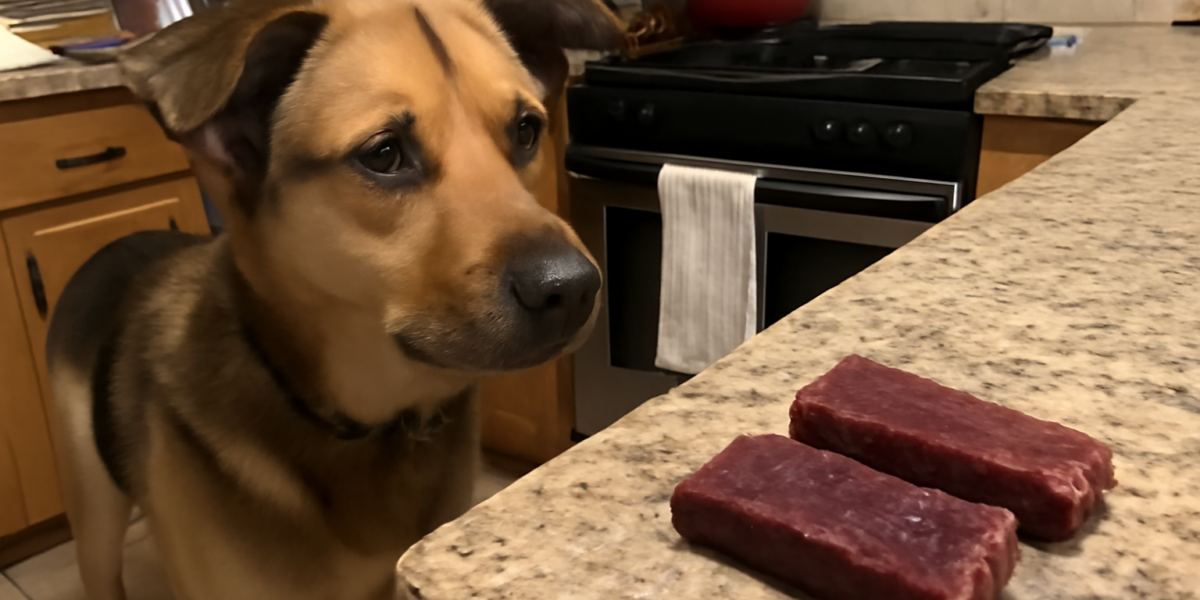
Yes, dogs can eat yak meat in moderation, and it has emerged as a thoughtful choice for novel-protein feeding and rotational diets. Yak is a lean red meat traditionally raised in Tibet, Mongolia, Nepal, and the Himalayan region, where it has been a dietary staple for centuries. Because the animals graze on high-altitude grasses and forage, the meat tends to have a slightly higher omega-3 fatty-acid content than conventional grain-finished beef. The short answer to “can dogs eat yak meat” is yes, with the standard precautions: cook it through, serve it plain, source from a regulated supplier, and introduce it gradually.
Yak has gained traction among small-batch pet food makers and home-prepared diet enthusiasts because it is unfamiliar enough to many dogs that it can serve as a novel protein for elimination work. Always loop in your veterinarian before introducing any new protein, especially for dogs with food allergies, pancreatitis history, or chronic illness.
Nutritional Profile of Yak Meat
Yak is lean red meat. A 100-gram cooked portion typically delivers around 27 to 30 grams of protein and 5 to 8 grams of fat, depending on the cut. Calorie count typically runs 130 to 160 calories per 100 grams. The fat profile is notable because grass-fed yak tends to carry a higher proportion of omega-3 fatty acids than grain-finished beef, although the absolute amount is still modest.
Iron content is high, making yak a useful protein for dogs with mild anemia under veterinary supervision. Vitamin B12 is plentiful and supports nervous system health and energy metabolism. Yak also provides zinc, phosphorus, niacin, selenium, and small amounts of conjugated linoleic acid (CLA), a fatty acid associated with various metabolic functions.
The amino acid profile is complete for canine maintenance, similar to beef and lamb. The slightly higher omega-3 content, while modest, can be a nice addition to a dog’s overall fatty-acid intake when fed as part of a varied rotation.
Benefits of Yak Meat for Dogs
The novelty is the headline benefit. Most dogs in North America have not previously eaten yak, which makes it a candidate for elimination trials when chicken, beef, or lamb has been ruled out. Other novel-protein options like rabbit and kangaroo are sometimes used in similar workups. Discuss with your vet whether yak fits your dog’s specific case, especially given that yak shares some bovid-family ancestry with cattle and may cross-react in dogs with severe beef allergies.
The leanness, while not dramatically lower than beef, is helpful for dogs that need to manage weight or fat sensitivity. For dogs with pancreatitis history, even small fat reductions can matter; the pancreatitis in dogs guide explains how fat content factors into clinical decisions and why all dietary changes for those dogs need vet input. Yak’s natural lean profile, combined with grass-fed origins, makes it more straightforward to keep within a low-fat feeding plan than fattier options.
The high iron and B12 contributions support active dogs and seniors, and the modest omega-3 boost from grass-fed yak fits nicely into a rotation alongside oily fish like salmon. Beyond clinical use, yak simply offers a flavorful protein change that many dogs accept readily. The flavor sits between beef and bison, with a clean character that even picky eaters tend to accept.
Conjugated linoleic acid (CLA) is another notable component of grass-fed yak. CLA is associated with various metabolic functions and shows up at higher levels in grass-fed ruminants compared with grain-finished animals. While no dog needs supplemental CLA, the natural presence of these compounds in a varied diet contributes to overall fatty-acid balance. As always, the goal is variety within balance, not reliance on any single ingredient for a specific outcome.
Risks and Concerns to Know About
The primary concern with yak is the same as with any meat: bacterial contamination from raw or undercooked product. Salmonella, E. coli, and Campylobacter can be present, and thorough cooking eliminates them. Never feed raw yak without a vet-supervised raw-feeding plan in place.
Sourcing matters more for yak than for mainstream meats because the supply chain is smaller. Look for USDA-inspected ranched yak from reputable suppliers in North America, where there are now small herds raised commercially. Imported uninspected meat from informal channels carries higher risk of contamination and parasites. Specialty butchers, online specialty meat retailers, and some farmers’ markets in mountain regions are common sources.
Seasoned and prepared yak products often contain salt, garlic, onion, and other additives that are inappropriate for dogs. Garlic and onion are toxic at meaningful doses; review garlic safety before sharing any seasoned product. Plain meat that you cook yourself is always safer.
Yak alone is not a complete diet. Long-term feeding of any single protein without the rest of the macro and micronutrient picture leads to imbalances. Use yak as a rotational protein, a topper, or part of a vet-guided elimination plan, not as a sole food.
Safe Serving Size for Dogs
Modest portions are best. Small dogs under 20 pounds can have 1 to 2 ounces of plain cooked yak mixed into a meal occasionally. Medium dogs from 20 to 50 pounds can usually take 2 to 3 ounces, and large dogs over 50 pounds can have 3 to 4 ounces as a topper or occasional addition.
If you are using yak as part of a structured elimination trial under veterinary guidance, your vet will calculate gram amounts based on body weight, body condition, and trial duration. Toppers and additions should stay under roughly 10 percent of total daily calories so the main diet remains the source of balance.
Introduce yak gradually. Offer a small bite the first day, watch for 24 hours, then increase steadily if there are no signs of vomiting, diarrhea, itching, or appetite change. Sudden protein swaps can cause digestive upset even when the new ingredient is safe.
How to Prepare Yak Meat for Dogs
Cook yak to an internal temperature of at least 160 degrees Fahrenheit, measured with a meat thermometer at the thickest part of the cut. Pan-searing, oven-roasting, baking, and gentle braising all work. Because yak is lean, it can dry out if overcooked, so check temperature early and pull it off the heat as soon as it reaches the safe range.
Serve plain. No salt, no oil, no garlic or onion, no marinades, no spices. Cool the meat to room temperature and dice into bite-appropriate pieces. Smaller cubes suit small breeds and dogs that gulp food, while larger dogs can handle bigger chunks.
Avoid feeding cooked bones from any source, including yak. Cooked bones become brittle and can splinter, posing serious choking and gastrointestinal puncture hazards. If you want safe chewing options, look at single-ingredient products like dehydrated duck feet instead.
Store cooked yak in the fridge for up to three days or freeze in single-serving portions for up to three months. Reheat once before serving and discard meat that has been at room temperature for more than two hours.
Symptoms of Trouble After Eating Yak
Most dogs tolerate yak well, but watch for digestive upset in the first 24 to 48 hours after introduction. Vomiting, diarrhea, gas, or appetite change suggest mild intolerance and often resolve when you return to the regular diet. Persistent symptoms beyond 48 hours warrant a vet call.
True meat allergies are uncommon but possible. If your dog develops itching, ear infections, paw chewing, or hot spots in the days following introduction, document the timing and stop the feeding while you consult your vet. Dogs with a pre-existing beef allergy may cross-react to yak in some cases, since the species are bovid relatives.
Severe symptoms including bloody vomit or stool, fever, lethargy, or weakness warrant prompt veterinary care. Bacterial infection from undercooked meat or a serious reaction to a new ingredient can present this way.
When to Call the Vet
Call the vet if vomiting or diarrhea lasts more than 24 hours, if you see blood in stool or vomit, if your dog seems unusually weak, or if any allergic-looking signs appear. Dogs with chronic gut conditions need extra caution; the canine IBD guide covers warning signs that need same-day attention.
Always check with your veterinarian before introducing new proteins for dogs with known food sensitivities, pancreatitis history, or chronic illness. For elimination trials specifically, vet guidance is essential because the trial only works if it is strict, long enough, and free of cross-contamination from treats, flavored medications, and table scraps.
Better-Known Alternatives to Yak Meat
If yak is hard to source or out of budget, several proteins offer similar profiles. Venison jerky in plain, low-sodium varieties is a closer match for the lean grass-fed red-meat profile. Rabbit meat is a leaner alternative often used in elimination diets, and kangaroo is another truly novel protein for many dogs.
For more accessible everyday options, turkey and chicken remain widely available lean proteins. Beef heart offers excellent iron and B12 in a single-ingredient form that many dogs love. If you are looking ahead to bringing a new dog home, the dog adoption hub can help you match dietary needs and energy levels to specific breeds.
Frequently Asked Questions
Is yak meat actually different from beef?
Yes, but the differences are subtle for most dogs. Yak is leaner, slightly higher in omega-3s due to grass diet, and has a slightly different flavor profile (often described as cleaner and less gamey than buffalo or bison). Beef-allergic dogs may still cross-react.
Where can I buy yak meat for my dog?
Specialty butchers, online specialty meat retailers, and some farmers’ markets in mountain regions of North America carry ranched yak. Look for USDA-inspected suppliers and avoid imported uninspected meat from informal channels.
Is yak a true novel protein for allergic dogs?
For most dogs in North America, yes. It rarely appears in commercial pet food, which makes it a useful candidate for elimination trials. Some dogs with beef sensitivities can cross-react, however, so vet guidance is important.
Can puppies eat yak meat?
Healthy puppies can have small amounts of plain cooked yak as a topper, but their primary diet should be a complete and balanced puppy food. Talk with your vet before adding any meat to a puppy’s plate, since growth-stage nutrition is sensitive to imbalance.
Can dogs eat raw yak meat?
It is not recommended without veterinary guidance. Raw yak can carry the same bacteria as any raw meat. Cook to 160 degrees Fahrenheit unless your vet has approved a specific raw-feeding plan with proper formulation and food-safety practices.


