
Last updated: April 10, 2026
In this article
Is Bird of Paradise Toxic to Cats? A Complete Guide for Cat Owners
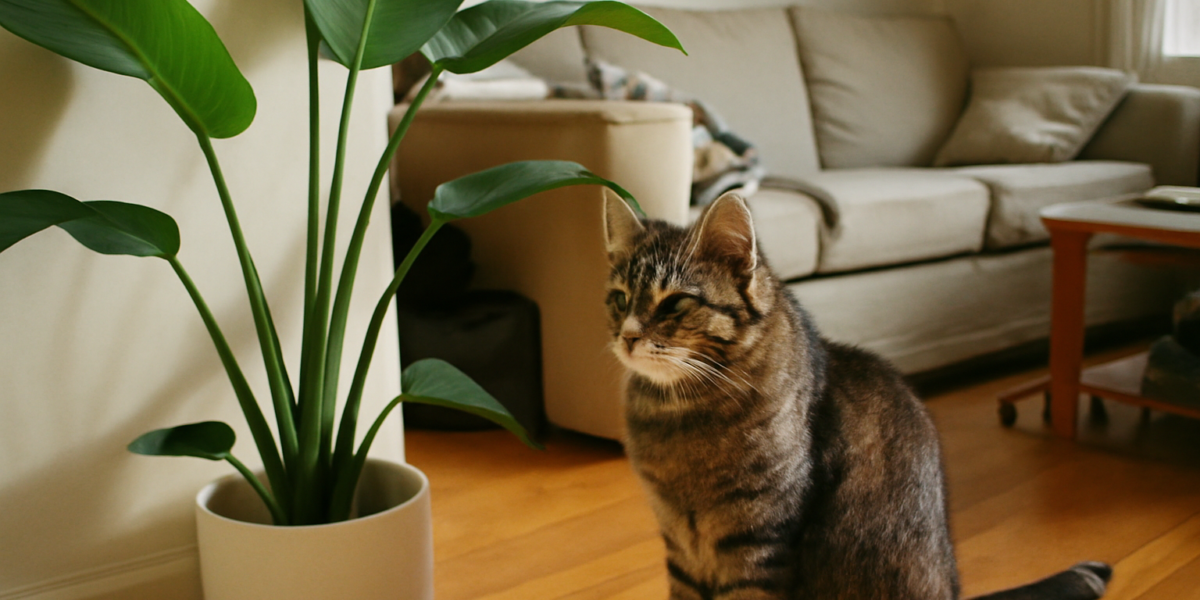
The bird of paradise (Strelitzia reginae) is a stunning tropical plant known for its dramatic, crane-shaped flowers in vivid orange and blue. Widely grown as both an outdoor landscape plant in warm climates and an indoor houseplant elsewhere, the bird of paradise adds an exotic, architectural element to any space. However, cat owners need to be aware that this popular plant is classified as toxic to cats.
While bird of paradise toxicity is generally mild compared to some other toxic plants, it can still cause uncomfortable symptoms in cats that chew on or ingest parts of the plant. Understanding the nature of this toxicity, knowing what symptoms to expect, and having a plan of action will help you keep your feline companion safe. This guide covers everything cat owners need to know about bird of paradise plants and their pets.
Understanding Bird of Paradise Toxicity
The bird of paradise plant contains several toxic compounds, primarily hydrocyanic acid (hydrogen cyanide) in the seeds and tannins throughout the plant tissues. The seeds are the most toxic part of the plant and contain the highest concentrations of harmful compounds. The leaves, flowers, and stems contain irritating tannins and other substances that can cause gastrointestinal upset when ingested.
It is important to note that there are two plants commonly called “bird of paradise.” Strelitzia reginae is the true bird of paradise, the tropical flowering plant discussed in this guide. Caesalpinia gilliesii (also known as Mexican bird of paradise or desert bird of paradise) is a different plant that is considerably more toxic and can cause more severe symptoms including bloody diarrhea, organ damage, and potentially death. If you are unsure which type of bird of paradise you have, proper identification is critical for understanding the level of risk.
For the Strelitzia bird of paradise, the toxicity mechanism involves gastrointestinal irritation from tannins and other compounds in the plant tissues. When a cat chews on the leaves or flowers, these substances irritate the lining of the mouth, esophagus, and stomach, leading to nausea, vomiting, and diarrhea. The seeds pose a more significant risk because of their cyanogenic glycoside content, which can release small amounts of hydrogen cyanide when crushed or digested.
The overall toxicity of Strelitzia bird of paradise to cats is classified as mild to moderate. It is significantly less dangerous than plants like lilies, sago palms, or oleander. However, even mild toxicity can cause distress and discomfort to your cat, and in cases where large amounts are consumed or the seeds are eaten, more serious symptoms can occur.
Symptoms of Bird of Paradise Poisoning in Cats
Symptoms of bird of paradise ingestion in cats typically appear within a few hours and are primarily gastrointestinal in nature. The severity depends on which part of the plant was consumed, how much was eaten, and the individual cat’s size and sensitivity.
The most common symptoms include nausea, which may manifest as excessive lip licking, drooling, and restlessness. Vomiting often follows, sometimes containing visible plant material. Diarrhea may develop within several hours of ingestion and can range from mild to moderately severe. Abdominal discomfort may be evident from your cat’s posture, with affected cats often appearing hunched or reluctant to move.
Loss of appetite is common during and after the episode. Your cat may refuse food and show little interest in treats. Lethargy and decreased activity are frequently observed, with affected cats preferring to sleep or rest rather than engage in their normal activities. Mild drooling may persist for several hours after ingestion, particularly if the cat chewed on the plant extensively.
If the cat consumed seeds, which contain higher concentrations of toxic compounds, symptoms may be more pronounced. In addition to the gastrointestinal symptoms described above, there may be drowsiness, mild muscle tremors, and incoordination. These more significant symptoms are uncommon because indoor bird of paradise plants rarely produce seeds, but outdoor plants may produce seed pods that a curious cat could investigate.
Severe symptoms such as difficulty breathing, rapid heart rate, seizures, or collapse are very rare with Strelitzia bird of paradise ingestion but would indicate a potentially serious exposure, possibly involving the more toxic Caesalpinia species or a very large ingestion. These symptoms require immediate emergency veterinary care.
What to Do If Your Cat Eats Bird of Paradise
If you discover that your cat has been chewing on a bird of paradise plant, take steps to assess the situation and provide appropriate care. While the toxicity is generally mild, a systematic response ensures the best outcome for your cat.
Remove your cat from the plant and move the plant out of reach. Check your cat’s mouth for remaining plant material and gently remove what you can. Examine the plant to assess what was eaten: were leaves chewed, were flowers bitten, or were seeds accessed? This information will be helpful when consulting your veterinarian.
Offer your cat fresh water to help dilute any irritating compounds in the mouth and stomach. Monitor for symptoms over the next several hours. Note the time you discovered the exposure and track any symptoms that develop, including the timing and frequency of vomiting episodes.
Contact your veterinarian to report the ingestion. For most cases involving minor leaf or flower nibbling, your vet may recommend home monitoring with specific instructions on when to bring the cat in for examination. If your cat ate seeds, consumed a significant amount of plant material, is a kitten or elderly cat, or has pre-existing health conditions, your vet will likely want to see the cat in person.
While monitoring at home, ensure your cat has access to water at all times. Offer soft, bland food once the vomiting has subsided for a few hours. A quiet, comfortable resting area will help your cat recover. If vomiting persists for more than 12 hours, if your cat cannot keep water down, or if new symptoms develop, contact your veterinarian for a reassessment.
Veterinary Treatment Options
Most cases of bird of paradise ingestion in cats resolve on their own within 24 to 48 hours. However, veterinary treatment may be necessary for more severe cases or when complications arise.
At the veterinary clinic, the examination will include assessment of hydration status, abdominal palpation, vital signs check, and evaluation of the mouth for irritation. If the ingestion was recent (within one to two hours), the veterinarian may administer activated charcoal to reduce absorption of any remaining toxins from the gastrointestinal tract.
For cats experiencing persistent vomiting, anti-emetic medications such as maropitant (Cerenia) are effective at controlling nausea and stopping the vomiting cycle. This allows the cat to rest and begin recovering without the additional stress and fluid loss caused by repeated vomiting episodes. Gastroprotectants may be given to soothe the irritated stomach lining.
Subcutaneous or intravenous fluid therapy is the most important intervention for cats that are dehydrated or unable to keep water down. Dehydration can develop quickly in cats, especially small ones, and can lead to complications if not addressed. Fluids help restore hydration, correct electrolyte imbalances, and support kidney function as the body processes and eliminates the ingested toxins.
In the uncommon event of seed ingestion with more significant symptoms, the veterinarian may recommend blood work to assess liver and kidney function and to check for any metabolic abnormalities. Additional supportive care such as temperature management, pain relief, or nutritional support may be provided based on the individual cat’s needs. The vast majority of cats recover completely from bird of paradise ingestion with no lasting health effects.
Preventing Bird of Paradise Exposure
Preventing your cat from accessing bird of paradise plants is straightforward with some basic precautions. The approach depends on whether the plant is indoors, outdoors, or both.
For indoor bird of paradise plants, the most reliable prevention is removal from the home or placement in a room that the cat absolutely cannot access. Bird of paradise plants are large and not easily hidden on a high shelf, which actually works in your favor since they are hard to place in truly inaccessible locations. If you keep the plant in a dedicated room, ensure the door is always securely closed and that the cat cannot push it open.
If removing the plant is not an option, physical barriers can help. Place the plant inside a decorative cage or surround it with a barrier that the cat cannot easily penetrate. Some owners use decorative folding screens or room dividers to block access to plant areas. Remember that cats can jump considerable heights and squeeze through surprisingly small gaps, so any barrier needs to account for feline athleticism and determination.
For outdoor plants, ensure your cat does not have unsupervised access to garden areas where bird of paradise grows. If you have a catio or enclosed outdoor space for your cat, make sure no bird of paradise plants are within or adjacent to the enclosure. If your cat roams freely outdoors (though indoor-only living is recommended for cat safety), removing outdoor bird of paradise plants from your property is the safest option.
Providing alternative sources of plant material for your cat to chew on, such as cat grass, can help redirect their attention. Enrichment activities, interactive toys, and regular play sessions reduce boredom-driven plant exploration. For a wider perspective on keeping your home safe for cats, visit our pet care guides.
Safe Tropical Plant Alternatives for Cat Owners
If you love the tropical look of bird of paradise but want a cat-safe alternative, several beautiful options can provide a similar aesthetic without the risk.
Parlor palms (Chamaedorea elegans) are one of the best cat-safe tropical houseplants. They produce elegant, arching fronds that evoke a tropical atmosphere and are completely non-toxic to cats. They are easy to care for, tolerate low light, and are widely available. Areca palms (Dypsis lutescens) are another non-toxic palm option that grows larger and makes a dramatic statement in any room.
Banana plants (Musa species) offer large, lush tropical leaves and are non-toxic to cats. While they may be too large for some indoor spaces, smaller varieties like the dwarf Cavendish work well as houseplants. Calathea and Maranta species (prayer plants) offer stunning, colorful foliage with tropical flair and are safe for cats. Their leaves feature intricate patterns that rival any exotic flower for visual interest.
Bromeliads are another excellent choice for cat owners seeking tropical plants. These colorful, architectural plants come in a wide range of forms and colors and are non-toxic to cats. Guzmania, Aechmea, and Neoregelia are popular bromeliad genera with spectacular flower-like bracts that last for months.
Cast iron plants, spider plants, Boston ferns, and staghorn ferns all contribute to a lush, tropical indoor garden while being completely safe for your cat. Always verify the scientific name and toxicity status of any plant before bringing it into a household with cats. If you have dogs as well, check our guides on toxic plants for dogs to make sure your plant choices are safe for all your pets.
Frequently Asked Questions
How toxic is bird of paradise to cats compared to other plants?
Bird of paradise (Strelitzia reginae) is considered mildly to moderately toxic to cats. It is significantly less dangerous than highly toxic plants like true lilies (which cause kidney failure), sago palms (which cause liver failure), or oleander (which affects the heart). The primary symptoms are gastrointestinal, including vomiting and diarrhea, and most cases resolve within 24 to 48 hours. However, the plant should still be kept away from cats to avoid unnecessary discomfort and potential complications.
Are the flowers or the leaves more toxic to cats?
The seeds of the bird of paradise plant are the most toxic part, containing cyanogenic glycosides in addition to the tannins found throughout the plant. The leaves and flowers contain primarily tannins and irritating compounds that cause gastrointestinal upset. For most indoor plants, seeds are not a concern because bird of paradise rarely flowers indoors, and even when it does, seed production requires pollination. The leaves are the most commonly chewed part and typically cause only mild to moderate symptoms.
Will my cat need emergency treatment if it eats bird of paradise?
Most cases of bird of paradise leaf or flower ingestion do not require emergency treatment. Mild nibbling often results in temporary gastrointestinal upset that resolves on its own. However, you should contact your veterinarian for guidance after any ingestion. Emergency treatment is warranted if your cat ate seeds, consumed a large amount, is showing severe or worsening symptoms, cannot keep water down, or has difficulty breathing. Kittens, elderly cats, and cats with chronic health conditions should be evaluated by a veterinarian even after mild ingestions.
Can the bird of paradise plant cause long-term damage to cats?
Long-term damage from bird of paradise (Strelitzia) ingestion is extremely unlikely. The toxicity is primarily irritant-based, causing temporary inflammation of the gastrointestinal tract that heals within a few days. There are no documented cases of permanent organ damage from Strelitzia ingestion in cats. However, repeated exposures should be avoided, as chronic gastrointestinal irritation is unpleasant for the cat and can lead to weight loss or nutritional deficiencies if it affects the cat’s appetite over time.
Is bird of paradise toxic to dogs as well?
Yes, bird of paradise is also listed as mildly toxic to dogs. The same tannins and irritating compounds that affect cats can cause gastrointestinal upset in dogs, including nausea, vomiting, and diarrhea. Dogs may be more likely than cats to consume larger quantities, which could lead to more pronounced symptoms. If your dog ingests bird of paradise, follow the same steps as for cats: remove the animal from the plant, offer water, monitor for symptoms, and contact your veterinarian for guidance.
What is the difference between Strelitzia and Caesalpinia bird of paradise?
This is a critical distinction for pet owners. Strelitzia reginae (true bird of paradise) is mildly toxic, causing primarily gastrointestinal symptoms. Caesalpinia gilliesii (Mexican bird of paradise or desert bird of paradise) is significantly more toxic and can cause severe symptoms including bloody diarrhea, serious gastrointestinal damage, and potentially organ failure. Strelitzia has large, paddle-shaped leaves and distinctive orange and blue flowers. Caesalpinia is a shrubby plant with feathery, compound leaves and yellow flowers with long red stamens. If you are unsure which type you have, proper identification is essential for understanding the risk to your cat.


