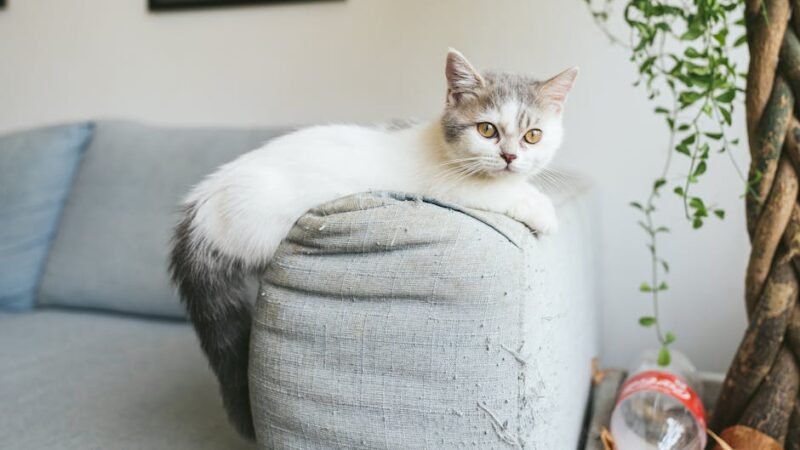
Quick Comparison: Same Breed, Two Morphologies
Traditional and Modern Persians are not separate breeds; they are two morphologies within the same breed. The Traditional Persian, often called doll-face, retains the original Persian conformation with a moderate face, longer muzzle, and proportionate skull. The Modern Persian, often called peke-face or extreme, was developed in the mid-20th century through selective breeding for an increasingly flat face. Most show-line Persians today are extreme peke-face. Both are Persians, but the health implications differ meaningfully, and prospective owners should understand both options before committing.
In this article
If you are choosing between them, the central question is honest: do you want the original conformation or the extreme show conformation? Veterinary consensus links extreme brachycephalic faces to documented breathing, dental, and ocular issues. Doll-face Persians have the same breed personality without the same level of conformation-driven health risk.
This guide treats both fairly and is honest about the trade-offs of each.
Origin and History
The Persian is one of the oldest pedigreed breeds. Long-haired cats from Persia (modern Iran) and surrounding regions reached Europe in the 1600s and were selectively bred for the silky coat that defines the breed. The breed standard at the start of the 20th century described a cat with a moderately broad head, longer muzzle, and proportionate features. This is the Traditional or doll-face Persian. Photographs of show-winning Persians from the 1920s and 1930s clearly show this moderate conformation.
In the mid-20th century, American breeders began selecting for a flatter face. By the 1980s and 1990s, the show-line Persian had developed into the extreme peke-face conformation, with the nose set high between the eyes and minimal muzzle. The Cat Fanciers’ Association show standard now favors this extreme look. Some breeders, however, continue to produce traditional doll-face Persians and have established small registries to preserve the original conformation. The shift was driven by show preferences rather than any health or temperament rationale.
Both morphologies share the same foundation lineage. The split is recent and driven by show selection, not by separate breed development. Genetically, doll-face and peke-face Persians are members of the same breed.
Appearance and Build
Both morphologies are medium to large, cobby, heavily-built cats with thick legs, broad chests, and dramatically long, dense double coats. Adult males commonly reach nine to fourteen pounds, females seven to eleven. The coat requires daily attention regardless of facial type. Recognized colors include solids, tabbies, smoke, shaded, particolor, and the colorpoint variety known as Himalayan. The breed’s characteristic ruff (the longer fur around the neck and chest) is dramatic in both morphologies.
The Traditional Persian (doll-face) has a moderately broad head, a defined muzzle that extends beyond the line of the eyes, and a slight nose break rather than the extreme high nose break of the modern version. The skull is rounded but not flattened. Eyes are large, round, and slightly less prominent than in peke-face Persians.
The Modern Persian (peke-face) has an extremely flat face with the nose tip set between the eyes, a deep nose break, full cheeks, and very prominent eyes. The skull is dramatically domed, and the muzzle is minimal.
Temperament and Personality
Both morphologies share the classic Persian personality: calm, gentle, lap-oriented, and quiet. Persians are not demanding talkers and tolerate handling well, including the considerable handling required for grooming. They are content with structured play and long stretches of quiet companionship. They are sometimes described as “furniture with affection,” which captures both their devotion and their limited energy level.
Personality differences between traditional and modern morphologies are minimal because the selection focus has been on appearance, not behavior. Some breeders argue that doll-face Persians are slightly more active because they breathe more easily; this varies by individual rather than morphology in any reliable way. Both morphologies prefer floor-level activity over high climbing.
Both fit households with quiet routines. Read best lap cat breeds, calmest cat breeds, and cuddliest cat breeds for related context. Both morphologies are also reasonable candidates for senior households where a calm, low-demand companion is the goal.
Care, Grooming, and Activity Needs
Persian grooming is intensive regardless of facial morphology. Daily combing with a wide-tooth comb followed by a slicker brush is the minimum to prevent matting. Bathing every four to six weeks helps manage skin oils and maintain coat condition. The face needs daily wiping to keep tear staining and skin folds clean. Read Persian cat grooming routine for a step-by-step guide. Owners who cannot commit to daily grooming should consider a different breed, regardless of morphology preference; matted Persians require professional shave-downs that are expensive and stressful for the cat.
Modern peke-face Persians need additional facial care because of the deep skin folds and prominent eyes. Tear duct overflow is common and the folds can develop dermatitis if not cleaned regularly. Doll-face Persians need less facial wiping because their longer muzzle reduces both tear staining and fold formation. Both morphologies benefit from regular professional grooming visits as a supplement to home care.
Activity needs are moderate. Both morphologies enjoy gentle play but are not athletic climbers. Keep play sessions brief and floor-based. See indoor enrichment ideas and puzzle feeders for low-intensity options that suit Persian temperament. Several short play sessions a day work better than one long session for either morphology.
Health and Lifespan
The honest framing matters here. Modern peke-face Persians have documented brachycephalic-related health issues per veterinary consensus. These include breathing difficulty, exercise intolerance, dental crowding from the shortened jaw, ocular concerns including cherry eye and corneal exposure, and birthing difficulty in some queens. Severity varies widely between individuals, but the breed standard’s emphasis on extreme conformation has driven the average risk profile in a clinically meaningful direction.
Doll-face Persians have fewer conformation-related health issues because the moderate facial structure preserves more normal airway, dental, and ocular function. They are not free of breed risks; both morphologies share Persian-associated concerns including hypertrophic cardiomyopathy and a hereditary kidney condition that reputable breeders should DNA-test for. Read hypertrophic cardiomyopathy in cats for cardiac screening expectations and chronic kidney disease in cats for kidney monitoring guidance.
With attentive care, both morphologies typically live well into their teens. Doll-face individuals often have an easier time maintaining quality of life into senior years because of fewer breathing-related complications. Use the adult wellness checklist for ongoing monitoring and the senior cat care checklist as your cat enters its later years. Vaccination is part of the foundation; review the cat vaccination schedule for what core vaccines kittens and adults need.
Living Situation Fit
Both morphologies suit quiet households with steady routines. They handle apartment living, family homes, and senior households equally well. They are not for active households with rough children or hyperactive dogs; the breed’s calm temperament and physical limitations make stress and rough handling poor fits. Older children who appreciate gentle handling often bond well with Persians; very young toddlers can overwhelm them.
Modern peke-face Persians are particularly sensitive to heat and exertion because brachycephalic anatomy reduces respiratory efficiency. Keep them in cool indoor environments and avoid travel in hot weather. Doll-face Persians tolerate moderate heat better but still benefit from cool indoor spaces. Both morphologies should never be allowed outdoor access; their slow movements, limited heat tolerance, and trust in humans make outdoor risk especially high.
For broader fit guidance, see best cats for apartments, the British Shorthair vs Persian apartment comparison, and best lap cat Persian vs Himalayan. The Himalayan profile covers the colorpoint Persian variety, which shares both morphology types.
Cost and Availability
Modern peke-face Persians are widely available through CFA-affiliated breeders. Pricing varies by region and pedigree. Doll-face Persians are less common but maintained by traditional breeders, some of whom operate small registries dedicated to preserving the original conformation. Expect to search more carefully for doll-face options. Searching specifically for “traditional Persian” or “doll-face Persian” tends to surface the right breeders.
Adoption is possible for both. Check adopt-a-cat listings and adopting a rescue Persian. Surrendered Persians often appear in rescue when grooming demands overwhelm the original owner; experienced grooming homes are particularly valuable. Working with a cat-only rescue can shorten the path to a suitable adoption candidate.
Lifetime cost is moderate to high for both, dominated by grooming time, professional grooming visits if needed, and routine veterinary care. Modern peke-face Persians may incur additional costs for eye care, dental work, and respiratory monitoring. Use first-year cat costs and the pet emergency fund target as planning anchors. Senior care often runs higher; review senior cat monthly care cost for context.
Decision Framework: When to Choose Each
Choose a Traditional (doll-face) Persian if you want the original Persian conformation with reduced conformation-driven health risk; you value normal airway, dental, and ocular function; and you can search for breeders who specialize in the moderate face. Doll-face Persians fit households who want Persian temperament without extreme show features.
Choose a Modern (peke-face) Persian if you want the extreme show conformation; you have access to specialty veterinary care for brachycephalic-related concerns; and you can budget for additional eye, dental, and respiratory monitoring. Modern Persians fit households committed to managing the trade-offs of extreme conformation honestly.
For deeper profiles, see the Persian profile and the Traditional Persian profile. Compare also the Persian overview for additional breed background.
Frequently Asked Questions
Are doll-face Persians a separate breed from peke-face Persians?
No. Both are Persians. The split reflects two morphologies within the same breed. Doll-face preserves the original moderate conformation; peke-face is the extreme show standard developed in the mid-20th century.
Are modern peke-face Persians actually unhealthy?
Veterinary consensus links extreme brachycephalic conformation to documented breathing, dental, and ocular issues. Severity varies by individual. Some peke-face Persians cope well; others struggle. Reputable breeders openly discuss the trade-offs.
Do doll-face Persians need less grooming?
Body grooming is identical because both have the same coat. Doll-face Persians need less facial wiping because the longer muzzle reduces tear staining and fold dermatitis.
Which is more available?
Modern peke-face Persians dominate the show world and the pedigreed market. Doll-face Persians are less common but maintained by traditional breeders. Search specifically for doll-face or “traditional Persian” to find them.
Can I adopt a Persian instead of buying one?
Yes. Persian rescues exist and shelters occasionally have surrendered Persians. Adoption is particularly worth considering for owners experienced with daily grooming demands.
Looking to adopt a Traditional Persian vs Modern Persian?
Browse Traditional Persian vs Modern Persian cats and mixes available for adoption from shelters and rescues near you.
Find Traditional Persian vs Modern Persian Cats for Adoption