
Last updated: May 16, 2026
In this article
- The Short Answer on Cat Grass and Dogs
- Why “Cat Grass” Is a Mix of Familiar Cereal Grains
- What Is in a Cat-Grass Mix and Why Dogs Tolerate It
- What Symptoms Look Like If a Dog Eats Too Much Cat Grass
- What to Do If Your Dog Eats a Whole Tray
- When to Call a Vet
- Cat Grass Compared to Lawn Grass
- How Cat Grass Compares to Single-Species Pet Grass
- Wheatgrass Juice and Concentrated Cat Grass Products
- Growing Cat Grass for a Dog Household
- Frequently Asked Questions
The Short Answer on Cat Grass and Dogs
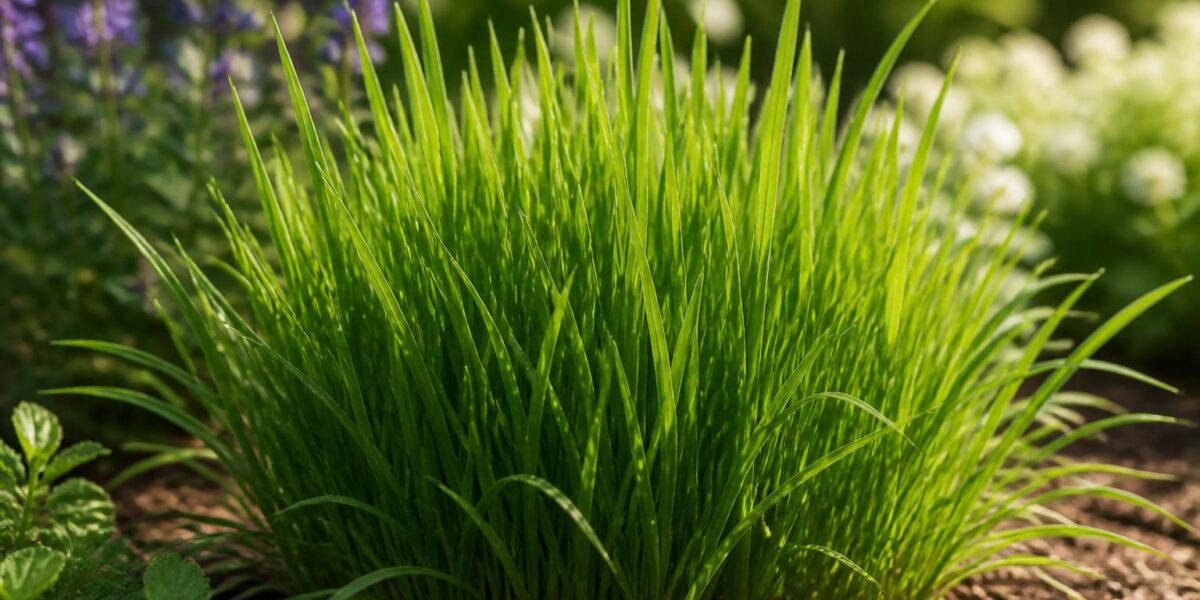
Yes, cat grass is safe for dogs. The product sold in pet stores under the “cat grass” label is almost always a sprouting tray of one or more cereal grains, usually a mix of oat (Avena sativa), wheat (Triticum), barley (Hordeum), or rye (Secale). Each of those species is non-toxic to dogs, and dogs can safely munch on the seedlings the same way cats do. There is no special chemistry that makes cat grass cat-only. The name is a marketing artifact tied to the cat-grass-eating habit, not a chemistry distinction.
Dogs do eat grass naturally, both indoors and outdoors, and offering a tray of cat grass to a dog is a tidy way to satisfy that urge without exposing them to lawn pesticides, fertilizers, or unknown landscape weeds. A nibble or two of cat grass is fine. A whole tray inhaled in one sitting can cause the same vomiting any large fiber dose causes, but it is not toxic in the chemistry sense.
Why “Cat Grass” Is a Mix of Familiar Cereal Grains
If you read the seed package on a typical cat-grass kit, you will see one or several of the same grains used to make bread, oatmeal, beer, and animal feed. Brands vary in their blend. Some sell pure oat seedlings under the cat-grass name, some sell a wheat-and-rye mix, and a few use barley as a base. None of those grains is toxic to dogs.
The marketing name “cat grass” stuck because cats famously chew grass and the indoor pet market needed a clean tidy product to sell. Dogs get the same natural urge. Read our why do dogs eat grass guide for the behavioral background, and our dog-eating-grass overview for the full picture. The companion dog grass eating when sick piece covers the specific case of grass eating tied to nausea.
What Is in a Cat-Grass Mix and Why Dogs Tolerate It
The active components of cat grass seedlings are mostly fiber, water, and chlorophyll. Young oat, wheat, barley, and rye shoots also contain modest amounts of vitamin C, vitamin K, magnesium, and a small amount of plant protein. None of those nutrients is toxic to dogs, and the soft tender shoots are easy to chew without splintering or causing oral injury.
Dogs may also benefit from cat grass in the same ways cats do. The bulk fiber helps push hairballs and indigestible material through the gut. The chlorophyll seems to settle some mild nausea. The act of chewing grass may simply satisfy a behavioral urge. None of these effects rises to the level of medical recommendation, but a small tray of cat grass on the floor is harmless enrichment for most dogs. Compare with our cat-grass safety guide for cats if you have both species.
What Symptoms Look Like If a Dog Eats Too Much Cat Grass
Cat grass is non-toxic, but any plant material can cause problems if a dog eats a large quantity in one sitting. The most common issue is simple gastrointestinal upset. A dog that grazes a whole tray may vomit once or twice as the gut clears the unusual fiber load. Diarrhea is possible if the volume is large enough. Mild bloating, gas, or slight discomfort can show up the same evening.
None of those symptoms are toxic in the medical sense. They reflect a dog’s gut handling a sudden bulk-fiber dose it did not expect. A small chew or two from a cat-grass tray will produce no symptoms at all in most dogs. The problem is volume, not chemistry. Watch for a one-time vomit and then normal behavior. If symptoms persist beyond a few hours or escalate, move to the vet-call section below.
What to Do If Your Dog Eats a Whole Tray
Most cases need no intervention. Pick up any remaining grass and the soil tray to prevent further grazing. Offer fresh water. Skip the next meal if your dog has just vomited, and reintroduce a small bland meal a few hours later. Plain cooked rice or boiled chicken in a small portion is usually well tolerated.
Watch for repeated vomiting, profuse diarrhea, lethargy, refusal to drink, or any sign of bloating. None of those is typical, but they are the signs that turn an “ate too much grass” event into a vet visit. Most healthy adult dogs walk this off in a few hours. Puppies, seniors, and dogs with pre-existing GI conditions deserve closer monitoring.
When to Call a Vet
Call your own vet if vomiting persists beyond two or three episodes, if diarrhea is bloody or watery for more than twelve hours, if your dog refuses water or food for over twelve hours, or if you notice any swelling of the abdomen or unusual posture. Cat grass itself does not cause these severe outcomes, but they can occur if a dog ate something else along with the grass, or if a hidden underlying condition was triggered by the dietary change.
If your regular vet is closed, the ASPCA Animal Poison Control Center at 888-426-4435 and the Pet Poison Helpline at 855-764-7661 are both twenty-four-hour resources. Cat grass alone rarely warrants a poison-control call, but if your dog also accessed soil with fertilizer, plant food sticks, or other additives in the tray, those products can be toxic and may need professional guidance.
Cat Grass Compared to Lawn Grass
Cat grass is much safer than typical lawn grass for indoor dogs. A cultivated tray contains known seedling species grown in clean soil with no pesticide, fungicide, or herbicide residue. Lawn grass, by contrast, may have been treated with weed killer, pet-toxic fertilizer, or insecticide. Outdoor lawns also harbor parasites and accumulated wildlife waste that indoor cat grass does not.
If your dog tends to graze outside but you worry about lawn chemicals, an indoor cat-grass tray is a sensible substitute. It satisfies the urge to chew greens without the chemical risk. For broader yard considerations, our Bermuda grass guide, fescue grass guide, St. Augustine grass guide, and zoysia grass guide cover the most common turf species. Our pampas grass and fountain grass guides cover ornamental grasses.
How Cat Grass Compares to Single-Species Pet Grass
Some pet-grass products are sold as single grains rather than mixes. Oat grass alone is just as safe for dogs as a mixed cat-grass tray, and it is the most common single-grain option. Wheat grass is similarly safe and is what most “wheatgrass” juice bars start with. Rye grass for cats covers the rye-only product, also safe for dogs.
The choice between mix and single-grain is mostly about texture, sprouting speed, and personal preference. Mixed trays tend to sprout unevenly, with some grains coming up faster than others, but they last longer overall. Single-grain trays sprout uniformly and finish all at once. Either is fine for a dog that simply enjoys the chew. Millet grass is another option, though less common in retail mixes.
Wheatgrass Juice and Concentrated Cat Grass Products
Cat grass shoots eaten directly are safe. Concentrated wheatgrass juice or wheatgrass powder is a different matter. Concentrated grass products can be very high in oxalates, which are not a problem in fresh shoots eaten in small amounts but can accumulate at concerning levels in juice or powder. Read our can dogs eat wheatgrass and can cats eat wheatgrass articles for the details on concentrated forms.
Stick to fresh shoots from a tray for casual nibbling, and treat juices and powders as a separate question for your vet. Most dogs do not need supplemented grass nutrition. The benefit of cat grass is the chew, not the calories. Our broader cat grass guide covers cultivation and growing tips.
Growing Cat Grass for a Dog Household
Growing your own cat grass tray is cheap and easy. Buy organic seed if you want to avoid herbicide residue. Use a shallow tray with drainage, plain potting soil free of fertilizer pellets, and water lightly daily. Most cat-grass blends sprout within three to five days and are ready to chew in seven to ten.
Keep the tray on the floor or a low surface where your dog can reach it freely, but supervise the first few sessions to gauge your dog’s enthusiasm. A tray placed too high benefits no one; a tray that gets demolished in one sitting can be replaced or rotated. Some owners run two trays in rotation, one growing while the other is being chewed. Once both species share a household, pair the tray with our pet-safe garden plants list for a fully safe indoor-outdoor pet environment, and consider browsing the dog adoption hub or cat adoption hub if you are still adding to the family.
Frequently Asked Questions
Will cat grass help if my dog eats grass when nauseous?
Possibly. Some dogs eat grass to settle mild stomach upset, and a clean indoor cat-grass tray is a safer alternative to lawn grazing in that case. If your dog is eating grass frequently or showing other signs of GI upset, see your vet to rule out underlying causes.
How often can I let my dog chew cat grass?
Daily access is fine for most dogs, with a small tray sized to be a snack rather than a meal. Watch for any digestive changes the first week, and adjust if your dog tends to overeat.
Is cat grass safe for puppies?
Yes, in small amounts. Puppies have more sensitive guts than adults, so introduce slowly and watch for diarrhea. A few blades chewed during a play session is usually fine. A whole tray devoured by a puppy may cause more upset than the same amount in an adult.
Can my dog catch anything from a cat-grass tray that the cat used?
Not from the grass itself. The shared concern is that a tray on the floor accumulates dust, hair, and litter dust over time. Wash hands and the tray surface regularly. Replace soil between cycles.
What about hydroponic cat grass without soil?
Hydroponic seedlings are also safe for dogs. The lack of soil means no risk of soil-borne contaminants, which is a small plus. Some dogs find hydroponic grass less satisfying to chew than soil-grown shoots, but that is preference rather than safety.


