
Last updated: April 10, 2026
In this article
Are Croton Plants Toxic to Dogs?
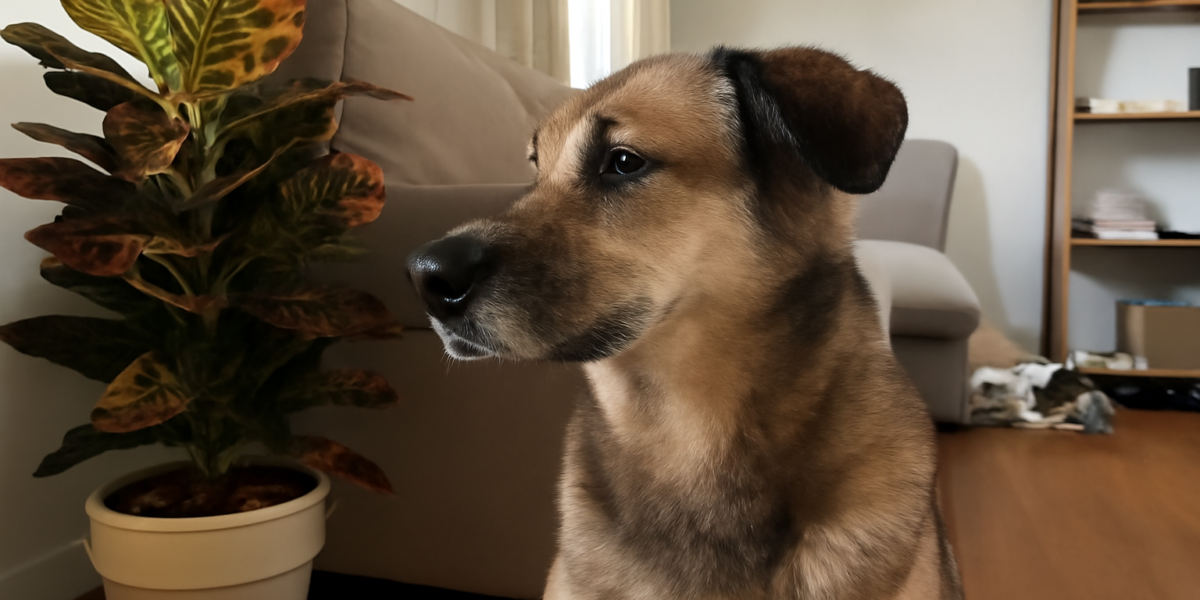
Yes, croton plants are toxic to dogs. Crotons (Codiaeum variegatum) contain a milky sap that is rich in diterpene esters, including 5-deoxyingenol, which causes irritation to the skin, mouth, and gastrointestinal tract. The toxicity level is generally mild to moderate, but ingestion can cause uncomfortable symptoms that require attention and may occasionally lead to more serious reactions.
All parts of the croton plant are toxic, including the leaves, stems, bark, and roots. The milky white sap that oozes from any cut or damaged part of the plant is the primary source of the irritating compounds. This sap can cause skin irritation on contact and gastrointestinal distress if ingested.
Crotons are popular for their dramatically colorful foliage, which features bold patterns of red, orange, yellow, green, and purple. While they make stunning decorative plants, dog owners should understand the risks before bringing one home.
Toxic Compounds in Crotons
The primary toxic agents in croton plants are diterpene esters, a class of organic compounds found in the plant’s milky latex sap. The most significant of these is 5-deoxyingenol, which acts as a potent irritant to biological tissues.
These diterpene esters work by activating protein kinase C in cells, which triggers an inflammatory cascade. This means the compounds do not just physically irritate tissue like calcium oxalate crystals do. Instead, they provoke an active immune-mediated inflammatory response that causes swelling, redness, and pain.
Croton plants also belong to the Euphorbiaceae family, the same family as poinsettias. Many plants in this family produce irritating latex sap, though the severity varies significantly between species. Croton sap is generally more irritating than poinsettia sap.
The concentration of toxic compounds can vary depending on the plant’s age, growing conditions, and the specific cultivar. Stress factors like drought or extreme temperatures may increase the plant’s production of defensive chemicals, potentially making the sap more irritating.
Symptoms of Croton Poisoning in Dogs
Symptoms of croton ingestion typically develop within one to several hours. The effects can range from mild oral irritation to moderate gastrointestinal distress, depending on how much plant material was consumed.
Common symptoms include:
- Drooling and salivation
- Nausea and vomiting
- Diarrhea
- Oral irritation and pawing at the mouth
- Loss of appetite
- Abdominal discomfort
Skin contact with the sap can cause:
- Redness and irritation at the contact site
- Itching or a burning sensation
- Mild blistering in sensitive areas
- Eye irritation if sap contacts the eyes
While serious complications from croton ingestion are uncommon, large ingestions can cause more pronounced gastrointestinal symptoms including persistent vomiting and diarrhea that may lead to dehydration if not managed. Puppies and small breed dogs are more susceptible to dehydration complications.
First Aid for Croton Exposure
If your dog has chewed on a croton plant, start by removing them from the source and checking their mouth for remaining plant material. Gently wipe away any visible sap from the mouth, lips, and muzzle with a damp cloth.
Rinse your dog’s mouth with clean water to dilute and remove the irritating sap. Offer fresh water to drink, which helps flush the digestive tract and keeps your dog hydrated in case vomiting develops.
For skin exposure to croton sap, wash the affected area with mild soap and water. The soap helps break down the oily latex sap so it can be rinsed away effectively. For eye exposure, flush the eyes with clean water or saline for several minutes and contact your veterinarian if irritation persists.
Do not induce vomiting unless directed by your veterinarian. Monitor your dog for the next 12-24 hours for developing symptoms. Most cases resolve on their own with minimal intervention, but if vomiting or diarrhea becomes persistent or severe, seek veterinary care.
When to Contact Your Veterinarian
While most croton exposures result in mild, self-limiting symptoms, contact your veterinarian if any of the following occur:
- Vomiting that continues for more than a few hours
- Persistent or bloody diarrhea
- Signs of dehydration such as dry gums or lethargy
- Refusal to eat or drink for more than 12 hours
- Eye exposure that does not improve with flushing
- Severe skin irritation or blistering
Your veterinarian may recommend supportive treatments including anti-nausea medications, fluid therapy, and gastroprotectants. In most cases, dogs recover fully within 24-48 hours with appropriate care.
For after-hours concerns, the ASPCA Animal Poison Control Center at (888) 426-4435 can provide immediate guidance. Having information about the amount consumed and the timing of exposure will help them give the best advice.
Keep your dog comfortable during recovery by providing a quiet resting space and access to fresh water at all times. A bland diet of boiled chicken and rice may be easier on their stomach than their regular food for a day or two after an exposure.
Keeping Crotons Away From Dogs
If you choose to keep croton plants in your home, place them in locations that are completely inaccessible to your dog. High shelves, closed rooms, and wall-mounted planters are all good options. Remember that croton leaves can drop, especially when the plant is stressed, and fallen leaves retain their toxicity.
Outdoors, crotons are common landscape plants in tropical and subtropical climates. If your yard contains crotons, consider creating physical barriers around them or designating a croton-free zone where your dog plays. Regular pruning to remove lower branches keeps the foliage out of your dog’s reach.
When pruning or handling crotons, wear gloves to protect your own skin from the sap, and keep your dog away from the work area. Clean up all clippings promptly and dispose of them in a sealed bag where your dog cannot access them.
Be aware that crotons can be found in unexpected places, such as mall planters, hotel lobbies, restaurant patios, and outdoor shopping areas. When walking your dog in these environments, keep them away from ornamental plantings you cannot identify.
Pet-Safe Colorful Plant Alternatives
If you love the vivid, multicolored foliage of crotons, several non-toxic plants can provide a similar visual impact. Coleus offers a remarkable range of colors and patterns and is non-toxic to dogs. Prayer plants (Maranta and Calathea species) feature beautifully patterned leaves in various colors and are also pet-safe.
For outdoor gardens, ornamental grasses and sunflowers provide bold visual interest without any toxicity risk. Polka dot plants (Hypoestes phyllostachya) also feature colorful spotted foliage and are safe for dogs.
When replacing toxic plants, be careful not to swap one hazard for another. Jade plants and snake plants, while popular, are both toxic to dogs. Always verify a plant’s safety before purchasing. Our guide on Christmas cactus safety covers another great pet-friendly option for indoor gardeners.
Frequently Asked Questions
Can croton sap cause permanent skin damage to dogs?
No, croton sap typically does not cause permanent skin damage. The irritation is usually temporary and resolves within a few days with proper cleaning. However, if the sap contacts the eyes and is not flushed promptly, there is a risk of corneal irritation that could require treatment. Always rinse sap from skin and eyes as quickly as possible.
Are all croton varieties equally toxic?
All Codiaeum variegatum varieties and cultivars contain the irritating diterpene esters in their sap. Whether you have a “Petra,” “Gold Dust,” “Mammy,” or any other popular croton variety, the toxicity risk is comparable. There is no “safe” croton cultivar for homes with dogs.
Is dried or dead croton material still toxic?
Dried croton leaves and stems may retain some irritating compounds, though the concentration typically decreases as the material dries. The greatest risk comes from fresh plant material and freshly cut stems that are actively oozing sap. Still, keep dried croton material away from dogs as a precaution.
My dog only licked a croton leaf. Should I worry?
A single lick of an intact croton leaf is unlikely to cause significant problems. The sap that contains the irritating compounds is mostly inside the plant and is released when the leaf is damaged. Your dog may notice a mild unpleasant taste. Monitor for any drooling or mild stomach upset, but serious symptoms from a single lick are very unlikely.
Can I keep croton plants outdoors if my dog stays inside?
If your dog truly never has unsupervised access to your outdoor garden, keeping crotons outside is a reasonable option. However, consider that situations change. A door left open, a guest who does not know the rules, or a new dog in the household could create unexpected access. The safest approach is to avoid crotons entirely if you have dogs, but if you do keep them, ensure your dog can never reach them unsupervised.


