
Last updated: April 10, 2026
In this article
Dahlias Are Mildly Toxic to Cats
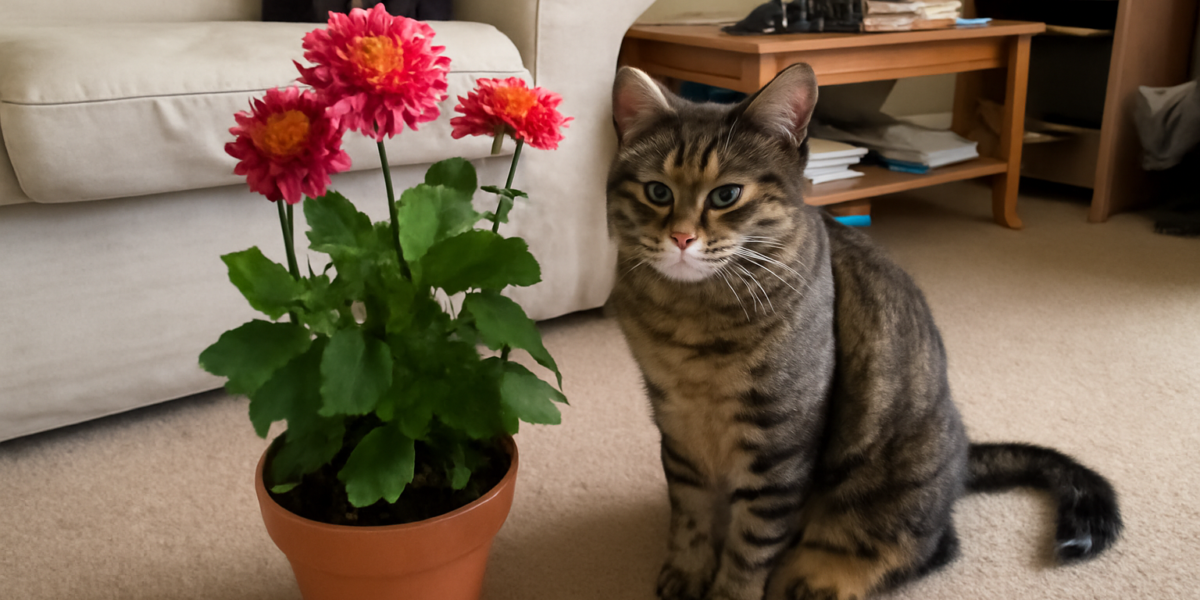
Dahlias are considered mildly toxic to cats. If your cat nibbles on a dahlia flower, leaf, or stem, it may experience gastrointestinal upset and mild skin irritation — but the good news is that dahlia ingestion is unlikely to cause severe or life-threatening symptoms. The toxicity is rated as mild, making dahlias far less dangerous than many other garden plants, though they still warrant caution.
The ASPCA lists dahlias (Dahlia spp.) as toxic to both cats and dogs. The exact toxic compounds have not been fully characterized, but phototoxic polyacetylene substances found in the plant’s stems and leaves are believed to be responsible for the irritating effects. These compounds can cause contact dermatitis on the skin and gastrointestinal irritation if ingested.
With over 42,000 registered dahlia varieties grown in gardens across the country, many cat owners will encounter these showy flowers at some point. Knowing the risks and how to manage them helps you enjoy your garden while keeping your feline companion safe.
Toxic Compounds in Dahlias
Dahlias contain phototoxic polyacetylene compounds in their stems, leaves, and tubers. These naturally occurring chemicals serve as the plant’s defense mechanism against insects and other herbivores. When a cat chews on dahlia plant material, these compounds come into contact with the mucous membranes of the mouth and digestive tract, causing irritation.
Phototoxic compounds have an interesting property — they can become more irritating when exposed to sunlight. This means that sap on a cat’s skin that is then exposed to UV light may cause a more pronounced reaction than sap that remains covered. While this phototoxic effect is more of a concern for humans handling dahlias extensively, it can also affect cats, particularly on lightly furred areas like the nose, ears, and inner legs.
The tubers (the bulbous root structures that dahlias grow from) also contain these irritating compounds. Cats that dig in flower beds where dahlia tubers are stored or newly planted could encounter them. The tubers are starchier and may be somewhat more appealing to cats who enjoy chewing on firm objects.
Compared to highly toxic plants like lilies, oleander, or yew, the concentration and potency of dahlia toxins are relatively low. This is why dahlia poisoning in cats tends to produce mild, self-limiting symptoms rather than serious medical emergencies.
Symptoms of Dahlia Ingestion in Cats
When a cat eats part of a dahlia, symptoms are usually mild and develop within a few hours. The most common signs relate to gastrointestinal irritation and, in some cases, skin reactions.
Gastrointestinal symptoms:
- Mild vomiting (one to a few episodes)
- Drooling or excessive salivation
- Decreased appetite
- Mild diarrhea
- Lip smacking or pawing at the mouth
Dermatological symptoms (from sap contact):
- Redness or irritation on the skin, especially around the mouth, paws, or face
- Mild swelling at the contact site
- Excessive grooming of the affected area
- Scratching or rubbing the face
These symptoms typically resolve on their own within 12 to 24 hours. Most cats who nibble on a dahlia leaf or petal will experience nothing more than brief drooling and perhaps a single episode of vomiting. Serious complications from dahlia ingestion are rare.
However, you should still take the situation seriously — especially if your cat is very young, very old, or has a compromised immune system. These cats may be more susceptible to dehydration from vomiting and diarrhea, and they may need veterinary support to recover comfortably.
What to Do If Your Cat Eats a Dahlia
Call your veterinarian for guidance if you know or suspect your cat has eaten any part of a dahlia plant. While dahlia poisoning is rarely an emergency, a quick phone call helps you determine whether a vet visit is necessary based on your cat’s specific situation.
Immediate steps to take:
- Remove your cat from the area and prevent further access to the plant.
- Rinse your cat’s mouth gently with water if they will tolerate it. This can help wash away sap residue and reduce oral irritation.
- Check the skin for sap exposure, especially on the paws and face. If you see sap on the fur, wipe it off gently with a damp cloth.
- Offer fresh water to encourage hydration and help dilute any irritants in the stomach.
- Monitor your cat for the next 12 to 24 hours for any developing symptoms.
In most mild cases, your vet may recommend monitoring at home and providing supportive care such as a bland diet and plenty of water. If vomiting is persistent (more than two or three episodes) or if your cat shows signs of dehydration — sunken eyes, dry gums, lethargy, or skin that does not spring back when gently pinched — bring your cat in for an examination.
Veterinary treatment, when needed, typically includes anti-nausea medication, subcutaneous fluids, and gastroprotectants. Recovery from dahlia ingestion is almost always complete, with most cats feeling back to normal within a day.
Keeping Your Cat Safe Around Dahlias
Because dahlias are mildly toxic rather than severely dangerous, many cat owners choose to continue growing them while taking precautions to minimize their cat’s access. Here are practical approaches that balance your gardening passion with pet safety.
Plant dahlias in inaccessible areas. If you grow dahlias outdoors, place them in garden beds that your cat does not frequent. Raised beds, fenced garden sections, or areas behind barriers can reduce the chance of your cat investigating the plants.
Avoid dahlias as cut flowers indoors. Dahlias are gorgeous in bouquets, but bringing them inside puts them within easy reach of your cat. If you do display cut dahlias indoors, place them in a room your cat cannot access or on a high shelf where your cat truly cannot reach (keeping in mind that most cats are exceptional climbers).
Clean up fallen petals and leaves. As dahlias bloom and fade, petals and leaves drop to the ground. Regularly clearing this debris reduces the chance that your cat will encounter and chew on plant material during outdoor explorations.
Store tubers safely. When you dig up dahlia tubers for winter storage, keep them in a secure location like a closed garage shelf or sealed container. Tubers sitting in open boxes or on the floor of a garden shed are accessible to curious cats.
Redirect your cat’s chewing instinct. Cats that are attracted to plants often benefit from having safe alternatives available. Growing cat grass (wheatgrass or oat grass) gives your cat a satisfying chewing outlet that is completely non-toxic. Catnip plants can also serve as a safe, entertaining alternative.
If you are considering other garden flowers, check our articles on daisy toxicity in cats and hibiscus safety for cats to compare risk levels. Our cat care blog also has guides on creating a pet-safe outdoor environment.
Cat-Safe Flower Alternatives to Dahlias
If you want to err on the side of caution and replace your dahlias with completely non-toxic flowers, there are plenty of beautiful options that pose no risk to your feline friend.
Zinnias: These vibrant, easy-to-grow annuals come in a wide range of colors and bloom prolifically all summer long. They are completely non-toxic to cats and make excellent cut flowers.
Sunflowers: Bold, cheerful, and cat-safe, sunflowers are a wonderful addition to any garden. They are non-toxic and attract pollinators, adding life and movement to your outdoor space.
Roses: While rose thorns can cause physical injury, the flowers and leaves themselves are non-toxic to cats. Thornless rose varieties offer beauty without the scratch risk.
Snapdragons: These charming flowers are safe for cats and come in an array of colors. They work well in borders, containers, and cutting gardens.
Petunias: Another cat-safe option, petunias provide cascading color in hanging baskets and containers, which can also help keep them at a distance from curious paws.
Choosing non-toxic plants does not mean sacrificing beauty. With a little planning, you can create a garden that is both stunning and completely safe for every member of your household — including the four-legged ones. If you are preparing your home for a new feline family member, visit our cat adoption hub for more resources.
Frequently Asked Questions
Are all dahlia varieties equally toxic to cats?
All dahlia varieties within the Dahlia genus are considered mildly toxic to cats. Whether you grow dinner plate dahlias, ball dahlias, pompon dahlias, or cactus dahlias, the same irritating compounds are present. No dahlia variety has been identified as completely safe for cats.
Can dahlia sap cause a rash on my cat?
Yes. The phototoxic polyacetylene compounds in dahlia sap can cause contact dermatitis — a mild rash with redness and irritation — especially on areas with thin or sparse fur. If you notice your cat scratching or licking a specific area after contact with dahlias, gently clean the area with a damp cloth and monitor for improvement.
My cat ate a dahlia petal and seems fine. Should I still call the vet?
A single petal is unlikely to cause significant problems, but it is always wise to call your vet for advice. They may recommend monitoring at home for the next 12 hours. If your cat remains asymptomatic with no vomiting, diarrhea, or behavior changes, they have likely avoided any meaningful effect.
Are dahlia tubers more toxic than the flowers?
The tubers and stems tend to have slightly higher concentrations of the irritating compounds compared to the flower petals. If your cat has chewed on a tuber, there is a greater chance of gastrointestinal symptoms compared to nibbling on a petal. Report tuber ingestion to your veterinarian.
Can I grow dahlias in a catio?
It is best to avoid planting dahlias inside a catio or any enclosed space where your cat spends time. In a catio, your cat has extended access and limited options for entertainment, making it more likely they will investigate and chew on plants. Stick to cat-safe plants like cat grass, catnip, or spider plants for catio greenery.


