
Last updated: May 16, 2026
In this article
- Is Duckweed Safe for Pets? The Quick Answer
- Meet Lemna Minor and the Floating Family
- Why Duckweed Is Non-Toxic
- What Happens If a Cat or Dog Eats Duckweed
- Drinking Pond or Tank Water with Duckweed
- The Real Pet Risks Around an Aquarium or Pond
- Duckweed as a Cat Toy and Dog Pond Snack
- Managing Duckweed in a Household Tank
- Duckweed Outdoors: The Pond Cover Question
- Vet Routing and Final Reassurance
- Frequently Asked Questions
Is Duckweed Safe for Pets? The Quick Answer
Yes, duckweed is safe for pets. The tiny floating plants sold or growing under the duckweed label, principally Lemna minor along with related Lemna and Spirodela species, are not listed by the ASPCA as toxic to cats, dogs, or horses. Aquatic-plant nurseries and veterinary references treat duckweed as non-toxic to household mammals; the name itself comes from the fact that ducks and other waterfowl eat duckweed as a primary food, which is also a quick reminder that the plant is harmless to vertebrate digestive systems.
That reassurance covers the leaves, the tiny dangling roots underneath, and any fragments that get carried out of a tank or pond on wet hands or buckets. A cat who licks a green flake off the kitchen floor, a dog who slurps pond water mixed with floating duckweed, or a kitten who batted at a film of duckweed in a bucket will not be chemically poisoned. The honest caveats around any aquarium or pond are mostly mechanical and water-quality related, with the duckweed itself sitting at the bottom of the worry list. This guide walks through the biology, the realistic interaction scenarios, and how to share a household with these surprisingly enthusiastic floating plants.
Meet Lemna Minor and the Floating Family
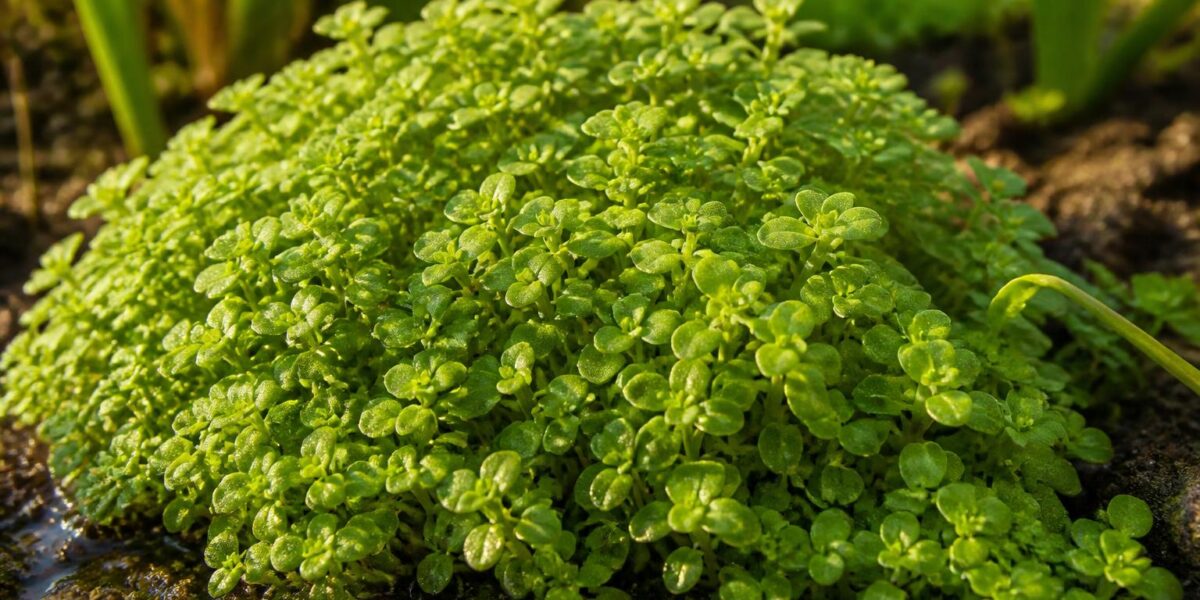
Duckweed is the common name for several genera of tiny free-floating aquatic plants in the family Araceae (formerly the separate family Lemnaceae). The species you most often encounter is Lemna minor, with each individual plant consisting of a single small green oval leaf-like structure called a frond, around two to four millimeters across, and a single hair-thin root dangling beneath. Other common species include Spirodela polyrhiza (greater duckweed, with multiple roots per frond) and Wolffia (the smallest flowering plant in the world, often called watermeal).
All duckweeds are remarkably fast reproducers. Each frond buds new fronds vegetatively, doubling the population every couple of days under good conditions. A small handful introduced into a sunny pond can cover the surface within a few weeks. They float on the water surface, drift with breezes and currents, and clump together in mats. The same fast reproduction makes duckweed both a useful nutrient sponge and a routine “weed” to manage in planted tanks where it was not invited.
Why Duckweed Is Non-Toxic
The chemistry inside a duckweed frond is the same cellulose, water, mild plant tannins, and protein found in most edible aquatic greens. Duckweed is so digestible and protein-rich that it is studied as a livestock feed, fed to chickens, pigs, and fish in aquaculture systems, and considered as a potential human food in some research programs. There are no alkaloids, no cardiac glycosides, no calcium oxalate raphides, and no documented poisonous compounds at meaningful levels.
Veterinary toxicology references and ASPCA-style household-plant audits do not flag Lemna species. That places duckweed firmly on the safe column alongside other aquarium and pond siblings, including anacharis, java fern, amazon sword, vallisneria, and hornwort. A planted tank or pond with duckweed at the surface is one of the lower-risk plant features in a household with pets.
What Happens If a Cat or Dog Eats Duckweed
Realistically, very little. Duckweed has no defensive chemistry, no bitter taste, and no irritating texture. Some pets sample a bit and walk away because the flavor is bland and watery; others may eat a small clump of fronds with no apparent reaction. In aquaculture systems, duckweed is fed by the bucketful to fish, ducks, geese, and other animals without harm, and a teaspoonful eaten by a cat or dog is well below any threshold for stomach upset.
From a poisoning standpoint this is uneventful. The non-poisoning worst case, as with any unfamiliar plant matter eaten in volume, is mild stomach upset (one episode of vomiting or a soft stool the next day). Realistic ingestion volumes for a household pet are small fragments, not bowls full, so even this mild outcome is uncommon. There is no antidote, no targeted treatment, and no reason for at-home emesis. Monitor and call your veterinarian if symptoms persist.
Drinking Pond or Tank Water with Duckweed
The more common pet-water interaction is a dog who drinks from a backyard pond covered in duckweed, or a cat who licks at an aquarium with a duckweed film on top. The water itself is not chemically scary by default, but pond and tank water alike can carry concerns unrelated to the duckweed.
For backyard ponds, the genuine concerns include blue-green algae (cyanobacteria) blooms that produce real toxins and can be a serious hazard for drinking dogs, especially in stagnant warm water during summer. Duckweed itself is not the same thing as algae; it is a true plant and does not produce cyanotoxins. But a pond with heavy duckweed cover is also a pond with reduced surface oxygen and potentially decaying organic matter underneath, which can favor cyanobacteria growth in some cases. The fix is not to remove duckweed in panic but to maintain good pond circulation and avoid overfeeding fish, which is what drives most algae problems.
For aquariums, the water concerns are the usual ones: residual fish medications, dosed liquid fertilizers, dissolved organic matter from the biological filter, and any algaecide product applied recently. Duckweed itself is not the source of any of these.
The Real Pet Risks Around an Aquarium or Pond
The genuine aquatic hazards in a household with pets are mostly not about the plants. For aquariums, heater and filter cords run live current, glass canopies tip, and live or frozen fish food can cause stomach upset. For backyard ponds, drowning risk for small dogs in steep-sided ponds is the highest hazard, followed by blue-green algae, sharp pond-edge stones, and any non-pet-safe ornamental plants growing in the surrounding garden.
The plant tissue, by comparison, is the least eventful part. A tank or pond with duckweed at the surface and other safe aquatic species below is one of the lower-risk plant features in a household, far less hazardous than a windowsill of unscreened houseplants or a backyard with unaudited landscape plantings. Set up the aquatic infrastructure carefully, and the duckweed chemistry is not the concern.
Duckweed as a Cat Toy and Dog Pond Snack
A small minority of cats find the floating mat fascinating because it shifts when the tank surface moves. Cats may dip a paw and investigate the green flakes that stick to the fur. The behavior is harmless and the plant is non-toxic; the residual cat-damp-fur cleanup is the main inconvenience. A snug canopy on the tank prevents most of this without affecting the duckweed’s growth.
Dogs who drink from backyard ponds may swallow some duckweed alongside the water, which is the same as a duck doing so. The plant is non-toxic and digestible. The greater concern is the rest of what is in the pond water; duckweed is just along for the ride. If your dog is a regular pond-drinker, monitor the pond for water quality (clear water, no foul smell, no thick green algae blooms) more than the duckweed mat itself.
Managing Duckweed in a Household Tank
If duckweed appeared uninvited in your aquarium, you are in the company of most aquarists who have ever owned a planted tank. Duckweed hitches in on plant orders, on used equipment, and occasionally on bird visits to outdoor ponds that share a watering hose. Once established, it grows fast and resists removal because every fragment can regrow.
The neat removal approach is to skim with a fine net during regular maintenance, pulling as much of the surface mat as possible into the net at a time, and disposing of the trimmings in a sealed bag or outdoor compost. Duckweed composts readily. From a pet perspective the trimmings are non-toxic, so they can sit briefly in a kitchen waste bin without poisoning concern, but a snake-like wet trail of duckweed across the kitchen counter still tempts cat investigation, so handle the disposal carefully.
Duckweed Outdoors: The Pond Cover Question
In backyard ponds, duckweed is sometimes a problem and sometimes a feature. Heavy cover shades the water, lowers surface oxygen, and can stress fish if it goes uncontrolled, but moderate cover provides nutrient uptake, fish hiding spots, and food for any pond-visiting birds. From a pet-safety standpoint the duckweed itself is irrelevant either way.
If you have backyard chickens, ducks, or other waterfowl, duckweed is actually a favored food. Ducks will eat handfuls per day and gain weight on it; chickens will pick at fresh duckweed clumps and supplement their feed. Dogs and cats are not typical duckweed consumers but the same digestive principles apply if they sample it.
Vet Routing and Final Reassurance
Living with duckweed and pets is overwhelmingly a non-event. The plant is non-toxic per all common references, it is a recognized livestock and waterfowl food, and the worst-case ingestion outcome for a household pet is mild stomach upset. Keep your own veterinarian’s number, the ASPCA Animal Poison Control Center at 888-426-4435, and the Pet Poison Helpline at 855-764-7661 saved for general emergencies, since duckweed is not on the list of things to call about.
If you are stocking other parts of the household, our cat-safe houseplants guide and pet-safe garden plants overview cover indoor and outdoor inventory. The adopt-a-cat hub and adopt-a-dog hub include preparation checklists for adopters with existing aquariums or backyard ponds. Duckweed itself simply belongs on the safe column.
Frequently Asked Questions
Will duckweed hurt my cat if she swallows some flakes off the floor?
No. Duckweed is chemically non-toxic and is even fed as livestock feed. A cat who swallows a few flakes faces essentially no risk. Larger volumes of any unfamiliar plant matter could cause mild stomach upset, but realistic ingestion amounts are tiny.
Is duckweed-covered pond water safe for my dog to drink?
The duckweed itself is safe. Pond water in general carries other concerns including blue-green algae blooms, which are an actual toxic hazard for dogs and which are different from duckweed. A clear, well-circulated pond with duckweed cover is usually low-risk; a stagnant pond with thick green algae underneath is the warning sign.
What if my puppy eats a whole bucket of duckweed I just skimmed from the pond?
A determined eater could probably consume that much without serious harm; ducks eat similar amounts daily. Expect possible mild stomach upset from the unfamiliar fiber volume, but no targeted poisoning concern. Monitor and call your vet if symptoms persist.
Are the dangling roots beneath each duckweed frond toxic?
No. The roots are the same chemically non-toxic plant tissue as the leaves. Duckweed has no toxic part; the entire plant is digestible by waterfowl, fish, and household pets in small accidental amounts.
Can duckweed in an aquarium cause problems if my cat regularly drinks from the tank?
The duckweed is not the issue. The water itself may contain residual fish medications or fertilizers that could cause mild upset over time, but a single sip is unlikely to cause anything. A snug canopy and a fresh water bowl nearby solve most habitual tank-drinking behavior.


