
Last updated: April 10, 2026
In this article
Are Gardenias Toxic to Dogs?
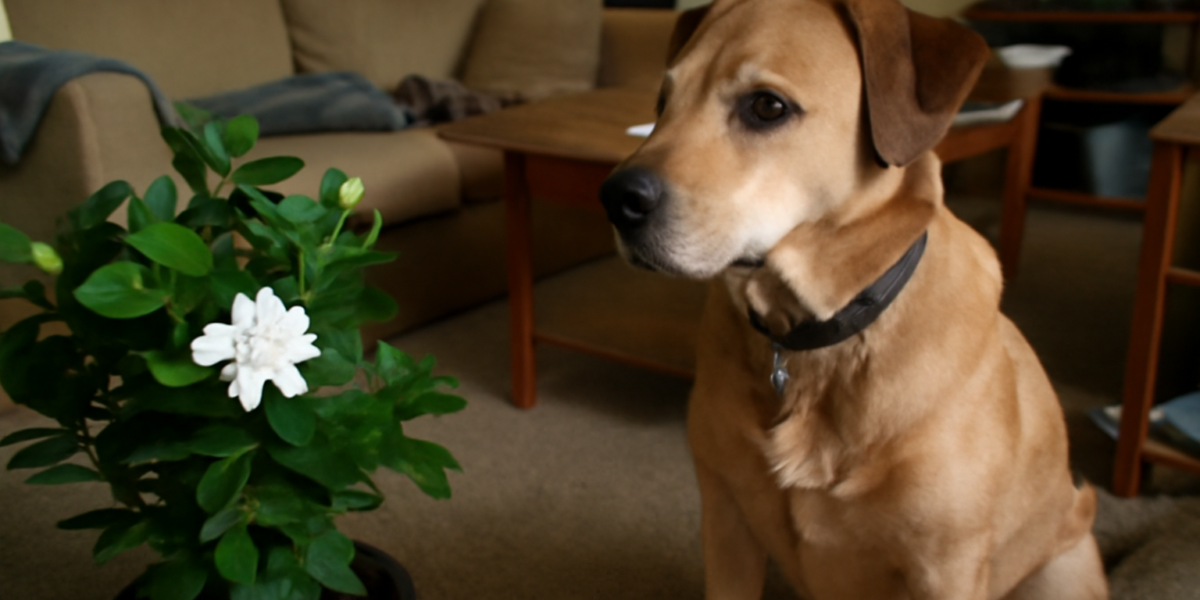
Yes, gardenias are toxic to dogs. These beautifully fragrant shrubs contain compounds called geniposide and gardenoside that can cause gastrointestinal distress if your dog ingests any part of the plant. While gardenias toxic to dogs rarely result in life-threatening emergencies, the symptoms can be uncomfortable and distressing for your pet.
All parts of the gardenia plant are considered toxic, including the leaves, flowers, and berries. The berries tend to have the highest concentration of toxic compounds, so they pose the greatest risk. If you grow gardenias in your yard or bring cut gardenias into your home, take steps to keep them away from curious canines.
Toxic Compounds in Gardenias
Gardenias belong to the Rubiaceae family and contain several iridoid glycosides, with geniposide being the most significant. These compounds are part of the plant’s natural defense system against insects and herbivores.
When a dog chews on or swallows gardenia plant material, geniposide is metabolized in the digestive tract and can cause irritation and inflammation of the stomach and intestinal lining. The severity of the reaction depends on the amount consumed and your dog’s size and overall health.
Gardenoside, another compound found in gardenias, contributes to the plant’s toxicity. Together, these iridoid glycosides create a combination that is reliably irritating to the canine digestive system, even in relatively small amounts.
Symptoms of Gardenia Poisoning in Dogs
Symptoms of gardenia poisoning typically appear within a few hours of ingestion. Watch for these common signs if you suspect your dog has eaten part of a gardenia plant:
- Vomiting, which may be repeated
- Diarrhea, sometimes with blood
- Loss of appetite or refusal to eat
- Excessive drooling
- Lethargy and weakness
- Mild skin irritation or hives if there was skin contact with sap
Most cases of gardenia poisoning are mild to moderate. Severe reactions are uncommon but can occur in small dogs, puppies, or dogs with pre-existing health conditions. Repeated vomiting and diarrhea can lead to dehydration, which is the biggest concern with gardenia ingestion.
In rare cases, dogs that consume large quantities of gardenia berries may develop more pronounced symptoms. If your dog is showing any signs of distress after being around gardenias, do not wait to see if symptoms worsen before seeking help.
What to Do If Your Dog Eats Gardenia
If you catch your dog eating a gardenia, remove the plant material from their mouth immediately and move your dog away from the plant. Check their mouth for any remaining pieces and offer fresh water.
Call your veterinarian to report the situation. Your vet will likely ask about your dog’s size, the amount consumed, and any symptoms you have observed. Based on this information, they may recommend monitoring at home or bringing your dog in for examination.
Do not attempt to induce vomiting unless specifically instructed by your veterinarian. In some cases, vomiting can cause additional harm, especially if significant time has passed since ingestion. Your vet may recommend activated charcoal to absorb remaining toxins or IV fluids to prevent dehydration from vomiting and diarrhea.
Keep your dog comfortable and monitor them for the next 24 to 48 hours. Most dogs recover fully from gardenia poisoning with supportive care. However, any worsening of symptoms should prompt an immediate vet visit.
Preventing Gardenia Poisoning
Prevention is always the best approach when it comes to protecting your dog from toxic plants like gardenias and crotons. If you have gardenias in your yard, consider these safety measures:
- Fence off gardenia bushes or plant them in areas your dog cannot access
- Pick up fallen flowers, leaves, and berries promptly
- Supervise your dog during outdoor time, especially during gardenia blooming season
- Train your dog with a reliable “leave it” command
- Consider removing gardenias if your dog is a persistent plant chewer
For indoor arrangements, place cut gardenias on high shelves or tables where your dog absolutely cannot reach them. Remember that fallen petals on the floor are fair game for a sniffing dog, so check around arrangements regularly.
If you are renting a home or moving to a new property, do a thorough plant audit of the yard before letting your dog explore. Many common landscaping plants, including gardenias, can pose risks to pets. Identifying and addressing these hazards early prevents accidental ingestion.
Safe Fragrant Alternatives to Gardenias
You do not have to give up beautiful, fragrant flowers just because you have a dog. Several gorgeous and sweetly scented plants are safe for canine companions.
Roses are a wonderful dog-safe alternative that offers beauty and fragrance without toxicity concerns. While thorns can scratch a curious nose, the plant itself is non-toxic to dogs. Jasmine (true jasmine, Jasminum species) is another fragrant option, though some jasmine varieties vary in safety, so always verify the specific species.
Other pet-safe fragrant plants include lavender in moderation (mildly toxic but generally avoided by dogs due to the strong scent), African violets, and petunias, which are completely safe for dogs. Herbs like basil, rosemary, and mint also add pleasant scents to your garden while being non-toxic.
When selecting garden plants, the ASPCA’s toxic plant database is your best resource. Search each plant before purchasing to ensure it is safe for all the pets in your household.
Gardenias and Other Pets
Gardenias are toxic to cats and horses as well as dogs. If you have a multi-pet household, the risks multiply. Cats are particularly concerning because they are skilled climbers and can access plants that might be out of a dog’s reach.
The symptoms of gardenia poisoning in cats are similar to those in dogs, including vomiting, diarrhea, and lethargy. Cats may also develop skin irritation from contact with gardenia sap. If you have both cats and dogs, it is safest to avoid gardenias entirely or keep them in a completely pet-free area.
For households with multiple pets, creating a dedicated pet-safe garden zone stocked entirely with non-toxic plants is the most stress-free approach. This way, you never have to worry about which pet might wander into a dangerous area.
Frequently Asked Questions
How toxic are gardenias to dogs compared to other plants?
Gardenias are considered mildly to moderately toxic to dogs. They are less dangerous than highly toxic plants like sago palms or oleander, which can cause organ failure and death. However, they are more problematic than truly non-toxic plants like petunias or sunflowers. The main risk is gastrointestinal upset rather than systemic poisoning.
Can the smell of gardenias make my dog sick?
No, simply smelling gardenias will not make your dog sick. The toxic compounds must be ingested to cause harm. However, a dog that is sniffing gardenias closely may be tempted to take a bite, so keep an eye on them around the plant.
Are gardenia essential oils safe for dogs?
Gardenia essential oils are not recommended for use around dogs. Like eucalyptus and other concentrated plant oils, gardenia oil contains concentrated compounds that can irritate your dog’s skin, eyes, and respiratory system. Avoid using gardenia oil in diffusers in rooms where your dog spends time.
Will my dog be okay if they only ate one gardenia petal?
A single petal is unlikely to cause serious problems for most dogs, especially medium to large breeds. You may see no symptoms at all, or your dog might experience mild stomach upset. Monitor your dog for a few hours and call your vet if vomiting or diarrhea develops or persists.


