
Last updated: May 16, 2026
In this article
- Petunias and Pets: The Honest Answer Is “No, Not Toxic”
- What Are Petunias?
- Why “Solanaceae” Triggers the Toxicity Worry
- Why Pet Owners Search “Petunias Toxic”
- What to Watch for After a Petunia Chew
- Petunias in Cat Households
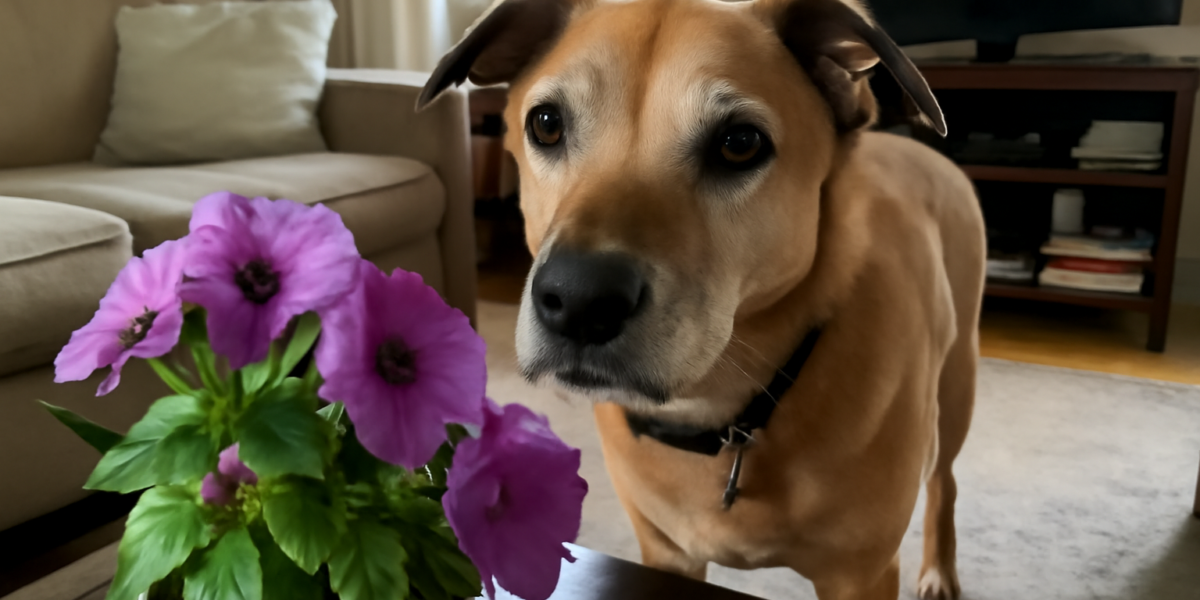
- Petunias in Dog Households
- The Garden-Chemistry Reminder Applies Here Too
- Petunias vs Calibrachoa “Million Bells”
- Cut Petunias and Indoor Use
- Why the Toxicity Search Pattern Matters
- Adoption Note
- Frequently Asked Questions
Petunias and Pets: The Honest Answer Is “No, Not Toxic”
Are petunias toxic to pets? The honest answer is no — petunias are not toxic to cats or dogs per the ASPCA non-toxic plant list. The reason this article uses the “toxic” framing in its slug is that pet owners often search “are petunias toxic to pets” as their way of asking “are petunias safe?” — they want to confirm the safety status before they plant or before they decide whether to worry about a chew that just happened. So if you are here because you typed “petunias toxic pets” into a search bar, the news is good. The plant your cat or dog tasted is on the safe side of the line.
Most petunia exposures in healthy pets cause no symptoms whatsoever. Larger ingestions of any plant matter can cause mild GI upset (a single vomit episode, softer stool, short-lived appetite reduction) simply because cats and dogs are not designed to digest bulk vegetation, but no specific petunia toxicity drives that — it is the same response that follows from any non-toxic plant chew in volume. If your pet has eaten a lot of petunia and is showing persistent symptoms, call your veterinarian, the ASPCA Animal Poison Control Center at 888-426-4435, or the Pet Poison Helpline at 855-764-7661 to be safe — but you are very unlikely to need urgent care for a petunia chew.
What Are Petunias?
Petunias are flowering plants in the Solanaceae family (the nightshade family — this is where the toxicity-search-intent confusion comes from). They are native to South America, primarily Argentina, and have been bred extensively into the showy bedding annuals that dominate summer flower beds, hanging baskets, and patio containers across the U.S. The most common garden petunia is Petunia × hybrida, a complex hybrid descended from Petunia axillaris and P. integrifolia.
Modern petunias come in nearly every color (white, pink, red, purple, yellow, black, multi-color, striped) and several growth forms (compact bedding types, trailing varieties for hanging baskets, mounding varieties for containers, and small-flowered “million bell” Calibrachoa types — note that Calibrachoa is a related but separate genus, also generally considered non-toxic). The plant is sticky-glandular to the touch, with soft simple leaves and trumpet-shaped flowers. They thrive in warm weather and full sun.
Why “Solanaceae” Triggers the Toxicity Worry
The Solanaceae family includes some genuinely dangerous plants — deadly nightshade (Atropa belladonna), jimsonweed (Datura stramonium), tobacco (Nicotiana), and the toxic foliage of human-edible Solanaceae like tomato leaves and stems, potato leaves and green parts, and eggplant leaves. These contain tropane alkaloids, solanine, or nicotine — all genuinely toxic compounds. Pet owners who know about Solanaceae toxicity sometimes assume petunias must share that risk because they are in the same family.
The reality is that petunias do not contain meaningful levels of these toxic alkaloids. Botanical family relationships indicate evolutionary kinship but not necessarily shared chemistry. ASPCA testing and clinical case data both place petunias firmly in the non-toxic category. Calibrachoa (million bells), which sometimes gets called “mini petunias,” is also generally considered non-toxic. The confusing-family-name issue is the same kind of pattern you see in the trumpet-flower-vs-trumpet-vine-vs-angels-trumpet naming covered in our trumpet flower guide.
Why Pet Owners Search “Petunias Toxic”
Three patterns drive the search. First, post-chew anxiety — a pet owner sees their dog gnawing on a hanging basket and wants to confirm the situation is fine. Second, pre-planting research — someone choosing flowers for a pet-friendly garden wants the safety status before they buy. Third, family-name pattern matching — knowing that some Solanaceae plants are toxic, the searcher checks whether petunias fit that pattern.
For all three patterns, the answer is the same: petunias are non-toxic per ASPCA, the chew is fine, the planting is safe, and the family-name worry does not apply. Our existing petunias and cats safety article and petunias and dogs safety article cover the reassurance from the safe-side framing; this article exists because the toxic-side search query needs an honest landing page that does not just say “no” and walk away — pet owners deserve the explanation of why they were worried and why the worry doesn’t apply.
What to Watch for After a Petunia Chew
Most cats and dogs who chew petunias show no symptoms. A few may have a brief mild GI response — a single vomit (often with visible plant material), softer stool the next day, or short-lived decreased appetite. These resolve within twelve to twenty-four hours without intervention. The sticky-glandular leaf surface of petunias can sometimes leave residue around a pet’s mouth that causes brief drooling or face-rubbing, but this does not indicate toxicity, just texture.
What you should not see after a petunia chew is repeated vomiting, persistent diarrhea, profound lethargy, drooling that lasts beyond a moment, neurological signs (tremors, ataxia, altered behavior), dilated pupils, or cardiac signs. Any of those would suggest your pet ate something other than the petunias — and given how Solanaceae lookalikes (especially Datura and Brugmansia) can show up in landscape plantings, a same-day vet call is appropriate to sort out what actually happened.
Petunias in Cat Households
For cat households, petunias are an easy choice. They join zinnias, cosmos, snapdragons, pansies, violets, and impatiens on the cat-safe bedding annual list. A flower bed or container planting that uses petunias as the trailing element gives you a season of color without the toxicity worry that accompanies, say, lily-of-the-valley or autumn crocus.
The notable exception in popular cat-bedding-annual choices is Tagetes marigolds, which are mildly toxic to cats per ASPCA — covered in our marigolds and cats umbrella article and the related marigolds-safe-for-cats deep dive. Calendula (pot marigold, different genus) is non-toxic and substitutes well for the orange-yellow color note Tagetes would provide.
Petunias in Dog Households
For dog households, petunias work equally well. They are non-toxic per ASPCA, and dogs are even less likely than cats to chew bedding-flower foliage in any meaningful volume. The bigger practical risk in dog households is hanging baskets falling from a height when a dog jumps at them — a falling pot of soil and plant matter can cause minor cuts or bruises, and the soil contents can contain pesticide or fertilizer residues that ARE concerning even when the plant itself is not.
Petunias share the dog-safe designation with most popular bedding annuals: zinnias, snapdragons, marigolds (Tagetes are dog-friendly even though they are cat-irritating), cosmos, pansies, impatiens. Our pet safe garden plants roundup walks through more options.
The Garden-Chemistry Reminder Applies Here Too
Even though petunias are chemically safe, the practical risks in a flower bed often come from what is added rather than the plants. Slug bait (especially metaldehyde) is highly toxic to cats and dogs and is sometimes used to protect petunias from slugs in damp climates. Broad-spectrum garden insecticides applied to control budworms (a common petunia pest) can contaminate the foliage your pet then chews. Granular fertilizers and herbicide drift from neighboring lawn treatments are also concerns.
For pet-accessible petunia plantings, lean toward organic pest management. Iron-phosphate-based slug baits are safer than metaldehyde products. Hand-picking budworms in the evening (they feed at night) handles the main pest. Slow-release organic fertilizers integrated into the planting soil avoid the granular-on-soil-surface scenario that is a chewing-pet concern.
Petunias vs Calibrachoa “Million Bells”
Calibrachoa (sometimes called million bells or trailing petunias) is a closely related genus that is often sold alongside petunias and used interchangeably in containers and hanging baskets. Calibrachoa is also generally considered non-toxic to pets, with the same Solanaceae-family-but-not-Solanaceae-toxic pattern as petunias. The leaves are smaller and the flowers are smaller bell shapes rather than full trumpet shapes, but the safety message is the same.
If you have inherited a hanging basket and are not sure whether you have petunias, calibrachoa, or both, the answer for pet safety is the same. Both are non-toxic per ASPCA. Both share the same sticky-glandular foliage that may trigger brief drooling on contact without indicating poisoning.
Cut Petunias and Indoor Use
Petunias do not perform well as cut flowers — the stems are weak and the flowers wilt within a day. So you are unlikely to encounter cut petunias in indoor arrangements with a curious cat. Hanging baskets and patio containers are the more common scenarios for indoor or covered-porch petunia exposure. These pose no toxicity risk if a cat or dog samples the foliage, but the soil contamination, pesticide residue, and basket-falling concerns above still apply.
If you bring a petunia container indoors at the end of the season to overwinter, the plant remains non-toxic. The bigger consideration in that scenario is fungus gnats from the moist potting soil — they are nuisance more than danger but worth managing if you have indoor pets who paw at flying insects.
Why the Toxicity Search Pattern Matters
This article exists in the search-intent framing because pet owners searching “petunias toxic to pets” deserve a clear, honest answer rather than getting routed only to safe-framed pages. The same dynamic shows up across pet-safety queries — “are X toxic” and “are X safe” are both common searches for the same question, and the answer needs to land regardless of which way the question was asked. Sibling B117 article on marigolds-safe-for-cats uses the parallel honest-framing approach in the opposite direction (slug says “safe” but reality is “mildly toxic per ASPCA”).
For pet owners building search literacy around plant safety, two heuristics help. First, double-check ASPCA listings rather than trusting the slug or page title. Second, when a search query and the safety reality conflict, the article body should clarify rather than perpetuate the wrong impression. We try to do that consistently across our toxic-plant library.
Adoption Note
For new pet adopters working through the adopt cats or adopt dogs hubs, choosing pet-safe summer flowers for hanging baskets and beds is an easy win. Petunias top the list of high-impact, low-worry choices. They give months of nonstop color, work in containers and beds, attract pollinators, and pose no toxicity risk if a curious pet decides to investigate the planting.
If you have just moved into a home with mature petunia containers and are not sure what you inherited, the answer is reassuring: even if the previous owner planted other Solanaceae family ornamentals (like flowering tobacco or angel’s trumpet) alongside, identifying petunias is straightforward by the soft sticky foliage and trumpet-shaped flowers. Walk the planting beds with a plant-ID app and confirm what you have.
Frequently Asked Questions
Are petunias really safe for both cats and dogs?
Yes. ASPCA lists petunias as non-toxic to both cats and dogs. Most exposures cause no symptoms; very large ingestion may cause mild GI upset typical of any plant matter chew.
If petunias are in the nightshade family, why aren’t they toxic?
Botanical family membership indicates shared evolutionary history but not necessarily shared chemistry. Petunias do not produce the tropane alkaloids or solanine that drive Solanaceae toxicity in plants like belladonna, jimsonweed, and the foliage of tomato or potato.
What about Calibrachoa or “million bells” — are those safe too?
Calibrachoa is a closely related genus and is also generally considered non-toxic per ASPCA. The same sticky-glandular foliage may cause brief contact drooling without indicating poisoning.
My dog ate a whole hanging basket of petunias. Should I worry?
Large ingestions of any plant matter can cause mechanical GI upset (vomiting, soft stool, brief lethargy) but not specific toxicity. If symptoms persist past a day or worsen, call your vet. The bigger concerns may be soil contents, pesticide residue, or fertilizer rather than the plant itself.
What pet-safe flowers complement petunias well?
Zinnias, cosmos, snapdragons, pansies, violets, and impatiens all share non-toxic status. Our pet-safe garden plants roundup covers the broader options for full beds.


