
Last updated: April 10, 2026
In this article
Are Petunias Safe for Cats? Everything You Need to Know
If you are a cat owner who loves gardening, every trip to the nursery comes with an extra layer of consideration. You want your yard, patio, or windowsill to burst with color, but you also need to make sure the plants you choose will not harm your curious feline companion. Petunias are one of the most popular bedding plants in the world, prized for their vibrant trumpet-shaped blooms and easy-care nature. But the big question remains: are petunias safe for cats?
The answer is reassuring. Petunias are widely considered non-toxic to cats by major animal health organizations including the ASPCA. This makes them one of the more worry-free choices you can make for a pet-friendly garden. However, “non-toxic” does not always mean “completely risk-free,” and there are some nuances worth understanding before you plant petunias everywhere your cat roams.
Why Petunias Are Considered Safe for Cats
Petunias (Petunia spp.) belong to the Solanaceae family, which also includes tomatoes, peppers, and some notoriously toxic plants like nightshade. Despite this family connection, petunias themselves do not produce the harmful alkaloids that make their relatives dangerous. The ASPCA lists petunias as non-toxic to both cats and dogs, which places them in a relatively small and desirable category of garden flowers.
Unlike plants such as lilies, which can cause fatal kidney failure in cats even from minor exposure, petunias do not contain compounds that pose a serious threat to feline health. This is why petunias frequently appear on recommended lists of cat-safe flowers published by veterinary organizations and pet safety advocates.
That said, it is important to understand that “non-toxic” simply means the plant does not contain known poisonous substances that target cats. It does not mean that eating petunias is good for your cat or that doing so will never cause any reaction at all. Cats are obligate carnivores, and their digestive systems are not designed to process large amounts of plant material, regardless of whether the plant is technically safe.
If your cat eats a significant amount of petunia leaves or flowers, they may experience mild gastrointestinal upset, including vomiting or loose stools. This is a mechanical and dietary response rather than a toxic one. The plant fibers can irritate the stomach lining, especially in cats that do not typically eat plants. In most cases, these symptoms are self-limiting and resolve within a day.
Potential Risks to Be Aware Of
While petunias themselves are not toxic, there are several related risks that cat owners should keep in mind. The plant may be safe, but the chemicals applied to it might not be.
Pesticides and insecticides. Commercially grown petunias are often treated with pesticides to protect them from aphids, caterpillars, and other common pests. These chemical residues can remain on the leaves and flowers for weeks after application. If your cat chews on treated petunias, they may ingest these chemicals, which can cause symptoms ranging from mild drooling and nausea to more serious neurological effects depending on the product used.
Fertilizers. Granular fertilizers, liquid plant food, and slow-release fertilizer pellets are all commonly used with petunias. Many of these products contain ingredients that are harmful to cats, including heavy metals, nitrogen compounds, and organophosphates. Cats that dig in fertilized soil or lick fertilizer residue off their paws are at risk of exposure.
Herbicides. If you use weed killers in your garden beds, the residue can transfer to nearby petunias and then to your cat. Glyphosate-based herbicides, in particular, have been linked to gastrointestinal irritation and more serious health concerns in pets.
Mulch and soil additives. Cocoa bean mulch, which is popular in flower beds for its attractive color and chocolate scent, contains theobromine, the same compound that makes chocolate toxic to pets. If you are growing petunias in mulched beds, make sure you are using a pet-safe mulch alternative.
To minimize these risks, consider growing petunias organically using natural pest control methods. Neem oil, insecticidal soap, and companion planting are all effective strategies that are much safer for households with pets. If you buy petunias from a garden center, ask whether they have been treated with neonicotinoids or other systemic pesticides, and consider repotting them in fresh, untreated soil before placing them where your cat can access them.
How to Keep Your Cat from Eating Petunias
Even though petunias are safe, most cat owners would prefer their feline friends did not treat the flower garden like a salad bar. Here are some practical strategies to discourage your cat from munching on your petunias while keeping everyone happy.
Provide cat grass. Many cats chew on plants because they have a natural craving for greens. Offering cat grass (typically wheatgrass or oat grass) gives them a safe and appropriate outlet for this behavior. Place a pot of cat grass near your cat’s favorite lounging spot, and they may lose interest in the petunias entirely.
Use citrus deterrents. Cats generally dislike the smell of citrus. Placing orange or lemon peels around your petunia pots or spraying a diluted citrus solution on the leaves can help discourage nibbling. Commercial cat-deterrent sprays with bitter apple flavoring are another option.
Create physical barriers. Hanging baskets are an excellent way to display petunias while keeping them out of your cat’s reach. Window boxes mounted on the outside of windows, elevated planters, and garden cloches can all serve as effective barriers.
Enrich your cat’s environment. Cats that chew on plants are often bored or understimulated. Providing interactive toys, puzzle feeders, scratching posts, and regular play sessions can redirect their energy away from your garden.
Use texture deterrents. Cats dislike walking on certain textures. Placing pine cones, decorative stones, or chicken wire over the soil around your petunias can discourage digging and chewing.
Best Companion Plants to Pair with Petunias for Cat Safety
If you are building a cat-safe garden around petunias, choosing the right companion plants is essential. Mixing non-toxic flowers with your petunias creates a colorful, layered garden that you can enjoy without worrying about your cat’s safety.
Snapdragons are non-toxic to cats and offer tall, dramatic spikes of color that pair beautifully with the low, spreading habit of petunias. They come in nearly every color and bloom from spring through fall in most climates.
Zinnias are another safe choice that offers bold, long-lasting blooms. They attract butterflies and pollinators, adding life and movement to your garden while posing no risk to your cat.
Sunflowers are non-toxic and their towering height creates a striking backdrop for petunia beds. Dwarf sunflower varieties work well in containers alongside petunias.
Roses are safe for cats in terms of toxicity, though the thorns can cause physical injury. Thornless rose varieties are the best choice for pet-friendly gardens.
Herbs like basil, rosemary, and thyme are non-toxic to cats and can add fragrance and culinary functionality to your garden. Planting them alongside petunias creates a beautiful and practical mixed bed.
For a comprehensive list of flowers that are safe to grow around your feline friends, our guide to pet-safe garden plants covers dozens of options organized by growing conditions and bloom time.
Indoor Petunias and Cat Safety
Petunias are not just outdoor plants. Many gardeners grow them indoors in sunny windowsills, hanging baskets, and sunrooms. If you are bringing petunias inside, there are a few additional considerations for cat safety.
Indoor cats tend to have more limited access to plants and may show greater interest in any greenery you bring into the home simply because it is novel. A cat that ignores outdoor petunias might become fascinated with an indoor pot placed at eye level.
When growing petunias indoors, use only pet-safe potting soil and avoid any fertilizers that contain bone meal, blood meal, or cocoa shell, as these can be particularly attractive to cats and potentially harmful if ingested. Choose containers that are heavy enough not to tip over if your cat investigates them, and consider placing them in areas where your cat does not typically climb or play.
If you are looking for additional indoor plant options that are completely safe for cats, our guide to cat-safe houseplants covers everything from tropical foliage plants to flowering varieties that will brighten your home without putting your cat at risk.
Keep in mind that while petunias are safe, many other popular indoor plants are not. Pothos, philodendrons, peace lilies, and dieffenbachia are all commonly kept houseplants that are toxic to cats. If you have a mixed indoor plant collection, it is worth auditing every plant in your home to ensure none pose a danger.
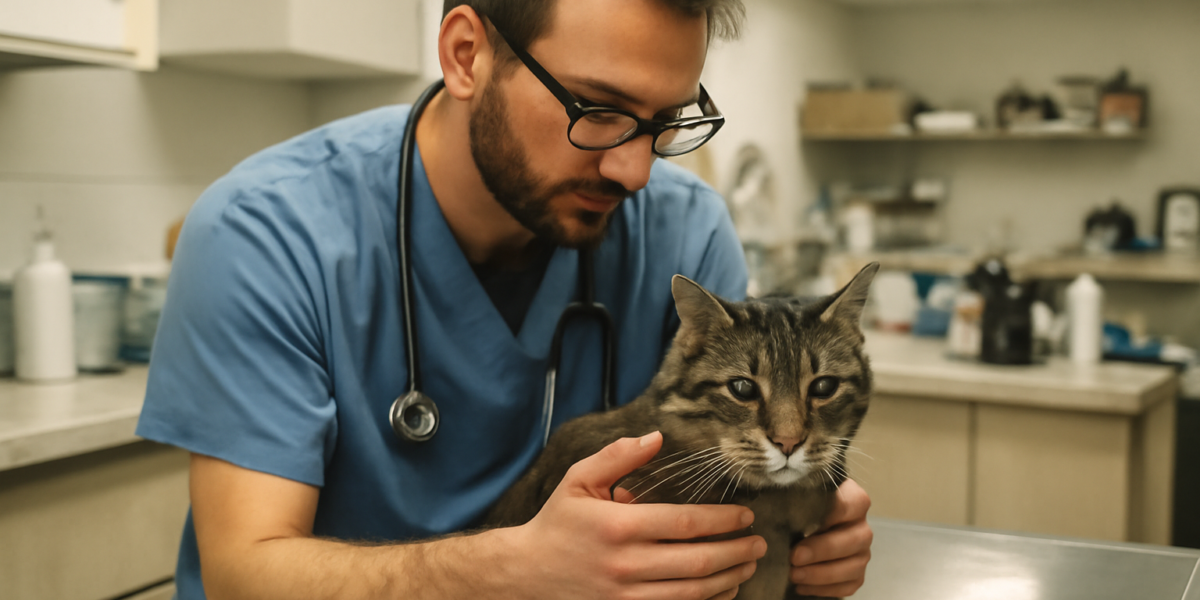
When to See a Veterinarian
In the vast majority of cases, a cat that nibbles on petunias will be perfectly fine. However, there are certain situations where a veterinary visit is warranted.
Contact your veterinarian if your cat is vomiting repeatedly after eating petunia plant material, if the vomiting persists for more than 24 hours, or if you notice blood in the vomit or stool. Also seek veterinary attention if your cat becomes lethargic, stops eating, or shows signs of abdominal pain such as hunching or reluctance to be touched around the belly.
If you suspect your cat may have been exposed to pesticides, fertilizers, or other chemicals through the petunias, do not wait for symptoms to develop. Call your veterinarian or the ASPCA Animal Poison Control Center (888-426-4435) immediately and provide as much information as you can about the specific products used on or near the plants.
It is always a good idea to keep a record of every plant in your home and garden, along with any chemicals you apply to them. This information can be invaluable in an emergency, helping your veterinarian provide the most effective treatment as quickly as possible.
Frequently Asked Questions
Can kittens safely be around petunias?
Yes, kittens can safely be around petunias since the plants are non-toxic to cats of all ages. However, kittens are more curious and more prone to chewing on everything they encounter, so the risk of mild stomach upset from eating plant material is slightly higher. Kittens also have smaller body weights, which means that any exposure to pesticides or fertilizers applied to the plants could have a more pronounced effect. Keep treated petunias out of reach of kittens and provide plenty of appropriate toys to redirect their chewing behavior.
My cat ate a whole petunia flower. Should I be worried?
Eating a single petunia flower is very unlikely to cause any serious problems for your cat. You may notice mild vomiting or a brief episode of loose stools as your cat’s digestive system processes the unfamiliar plant material, but these symptoms should resolve on their own within a day. Offer your cat plenty of fresh water and monitor them for any unusual behavior. If symptoms persist beyond 24 hours or if your cat seems unusually lethargic, a quick call to your veterinarian can provide peace of mind.
Are petunia seeds toxic to cats?
Petunia seeds are not considered toxic to cats. They are very small and unlikely to cause a choking hazard or digestive obstruction. However, if your cat gets into a packet of commercial petunia seeds, be aware that some seed products are coated with fungicides or other treatments that could be harmful. Check the seed packaging for any warnings about chemical treatments, and if your cat has consumed treated seeds, contact your veterinarian for guidance on whether any intervention is needed.


