
Last updated: April 9, 2026
In this article
Can Cats Eat Cauliflower? What You Need to Know
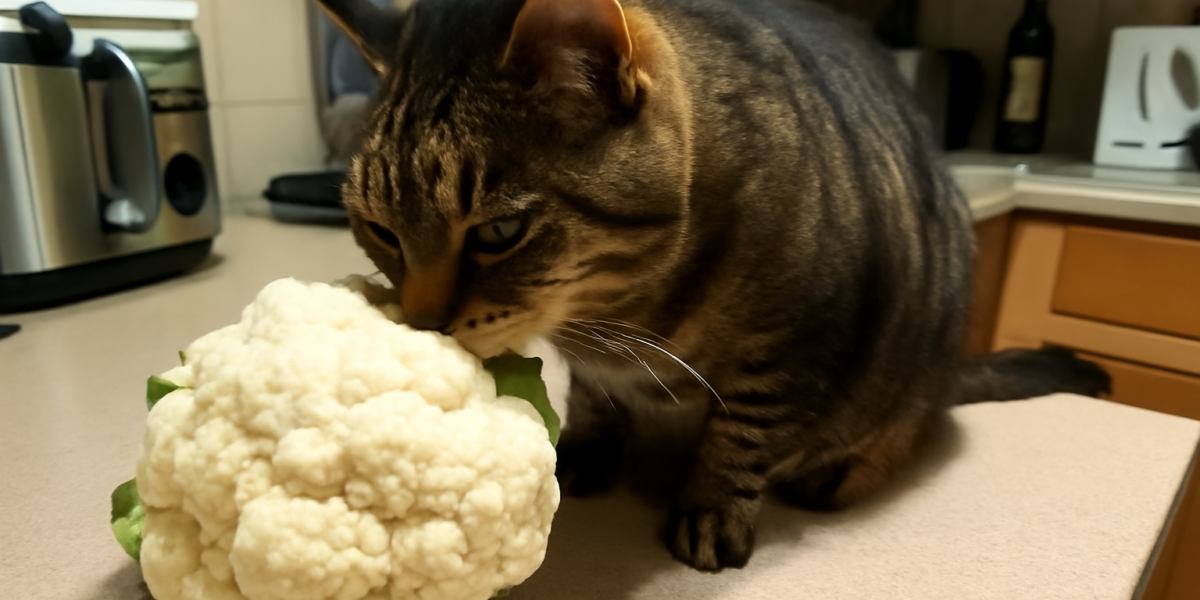
Cauliflower has earned its place as one of the most versatile vegetables in modern kitchens — riced, roasted, mashed, or eaten raw, it shows up in everything from pizza crusts to smoothies. As this cruciferous vegetable finds its way into more meals, cat owners are naturally curious about whether their feline companions can partake. Can cats eat cauliflower? Yes, cats can safely eat small amounts of cooked, plain cauliflower. It’s non-toxic and offers some modest nutritional benefits, though it’s far from a necessary component of a cat’s diet.
As obligate carnivores, cats derive their essential nutrition from animal-based proteins and fats. Vegetables like cauliflower, broccoli, green beans, and carrots can serve as occasional supplementary treats but should never replace the meat-centric foundation of a cat’s diet. Let’s explore the details of feeding cauliflower to cats, including the benefits, risks, and best practices.
Nutritional Value of Cauliflower for Cats
Cauliflower is impressively nutritious for a low-calorie vegetable. One cup of raw cauliflower contains only about 27 calories, with 5 grams of carbohydrates, 2 grams of fiber, 2 grams of protein, and virtually no fat. This makes it one of the lowest-calorie treat options available for cats that need to watch their weight.
Vitamin C is cauliflower’s most abundant micronutrient, with one cup providing about 77 percent of the human daily value. Cats synthesize their own vitamin C and don’t strictly need dietary supplementation, but additional vitamin C can provide antioxidant support, particularly for cats under stress, recovering from surgery, or dealing with chronic inflammation.
Vitamin K, essential for proper blood clotting, is present in meaningful amounts. While cats typically get sufficient vitamin K from their regular diet, the additional supply from cauliflower contributes to overall nutritional completeness. Folate (vitamin B9) supports cellular growth and DNA formation, and cauliflower provides a respectable amount of this important B vitamin.
Choline, a nutrient often grouped with B vitamins, is found in cauliflower and plays important roles in liver function, brain development, muscle movement, and metabolism. Cats need choline for healthy liver function, and while their commercial food should provide adequate amounts, small contributions from treats like cauliflower add to the pool.
Fiber is another notable component. The 2 grams of fiber per cup of cauliflower can support digestive health by promoting regular bowel movements and feeding beneficial gut bacteria. For cats prone to constipation or hairball-related digestive issues, the gentle fiber in cooked cauliflower may provide minor relief, though it’s not a substitute for proper veterinary care for persistent digestive problems.
Cauliflower also contains glucosinolates — sulfur-containing compounds found in all cruciferous vegetables. In humans, glucosinolates have been studied for their potential anti-cancer properties. Whether these compounds offer similar benefits to cats is unknown, as feline-specific research is extremely limited. However, the presence of these bioactive compounds adds to cauliflower’s profile as a nutrient-dense vegetable.
How to Prepare Cauliflower for Cats
Preparation is key to ensuring cauliflower is both safe and palatable for your cat. While raw cauliflower isn’t toxic, cooked cauliflower is strongly recommended for feline consumption. Cooking softens the tough cellular structure, breaks down some of the complex fibers, and makes the nutrients more bioavailable. Cooked cauliflower is also much easier for cats to chew and digest.
Steaming is the optimal cooking method for cats. It preserves the maximum amount of vitamins and minerals while softening the florets to a cat-friendly texture. Place washed cauliflower florets in a steamer basket over boiling water and steam for six to eight minutes until tender but not mushy. The florets should be easily pierced with a fork and soft enough to mash between your fingers.
Boiling is an acceptable alternative, though some water-soluble nutrients (particularly vitamin C and certain B vitamins) will leach into the cooking water. Boil cauliflower florets in plain, unsalted water for five to seven minutes until tender. Drain thoroughly before serving — excess water on the cauliflower can make it unappetizing for some cats.
Roasting without oil or seasonings is another option. Cut cauliflower into small florets, spread them on a parchment-lined baking sheet, and roast at 400 degrees Fahrenheit for 15 to 20 minutes until lightly golden and tender. The caramelization that occurs during roasting brings out a slightly sweet, nutty flavor that some cats find appealing. Just ensure no oil, salt, or spices are used.
Once cooked, cut or break the cauliflower into very small pieces appropriate for your cat’s size. For most cats, pieces should be roughly the size of their kibble — about pea-sized or smaller. You can also mash cooked cauliflower into a paste and mix a small amount into your cat’s wet food for easier consumption. Some cats prefer the mashed consistency, while others enjoy picking up small pieces independently.
Never serve cauliflower prepared with butter, cheese, cream sauces, garlic, onion, or any other seasonings or toppings. Cheese sauce, a common cauliflower accompaniment for humans, contains dairy (which many cats are lactose intolerant to), salt, and often garlic — a toxic ingredient for cats. Keep it completely plain.
Potential Risks and Side Effects
The most frequently reported side effect of feeding cauliflower to cats is gas. Cruciferous vegetables contain raffinose and other complex sugars that are fermented by gut bacteria, producing gas as a byproduct. Cats that eat cauliflower may experience increased flatulence, which, while not medically concerning, can be unpleasant for everyone in the household. If your cat becomes noticeably gassy after eating cauliflower, reduce the portion size or discontinue offering it.
Bloating and abdominal discomfort can accompany the gas, particularly if a cat eats more cauliflower than their digestive system can comfortably handle. Signs of abdominal discomfort in cats include restlessness, reluctance to lie down, a tense or distended abdomen, and decreased appetite. These symptoms are typically temporary and resolve on their own, but they indicate the portion was too large.
Diarrhea or loose stools may occur, especially when cauliflower is introduced for the first time or given in excessive amounts. The fiber content, while beneficial in moderation, can overwhelm a cat’s relatively short digestive tract when consumed in large quantities. The transition to any new food should always be gradual to give the gut microbiome time to adjust.
Raw cauliflower poses additional risks. The tough, fibrous structure of raw cauliflower can be difficult for cats to chew properly, increasing the choking risk. Larger pieces of raw cauliflower can also be hard to digest, potentially causing gastrointestinal irritation or even a partial blockage in rare cases. The stems and leaves of the cauliflower plant, while not toxic, are particularly tough and fibrous and should be avoided.
Thyroid concerns have been raised regarding cruciferous vegetables due to their goitrogen content. Goitrogens can interfere with thyroid hormone production by inhibiting iodine uptake. For healthy cats, the small amounts of cauliflower offered as treats are extremely unlikely to affect thyroid function. However, cats with existing hyperthyroidism (a common condition in older cats) should have any dietary changes — including the addition of cruciferous vegetables — discussed with their veterinarian.
Allergic reactions to cauliflower in cats are very rare but theoretically possible. Signs include itching, skin irritation, gastrointestinal upset, or facial swelling. If you notice any of these symptoms after your cat eats cauliflower for the first time, discontinue feeding and consult your vet.
Serving Sizes and Frequency Recommendations
Cauliflower treats should follow the standard ten percent guideline — no more than ten percent of your cat’s daily caloric intake should come from treats of any kind. Since cauliflower is extremely low in calories (about 27 calories per cup), the limiting factor is digestive tolerance rather than caloric concern.
For most adult cats, one to two small florets (roughly one to two tablespoons of cooked, chopped cauliflower) per serving is appropriate. Start with even less — a single small piece — when introducing cauliflower for the first time. Wait at least 48 hours before offering more, watching for any signs of digestive upset in the interim.
Frequency should be limited to once or twice per week. While cauliflower isn’t harmful, feeding it daily increases the risk of gas and digestive discomfort and occupies stomach space that would be better filled with nutritionally complete cat food. Rotating between different cat-safe vegetables and protein-based treats provides greater nutritional variety and keeps things interesting for your cat.
Kittens under six months should not be offered cauliflower. Their digestive systems are still developing, and their nutritional needs are best met exclusively by kitten-formulated food. After six months, a tiny piece of well-cooked cauliflower can be tried, but it’s not a necessary or particularly beneficial addition to a kitten’s diet.
Overweight cats may benefit from cauliflower as a low-calorie treat alternative. Its volume and fiber content can provide a sense of satisfaction without adding meaningful calories. However, weight management in cats should be overseen by a veterinarian, who can recommend the most appropriate dietary strategy for your cat’s specific situation.
Cauliflower Versus Other Vegetables for Cats
How does cauliflower compare to other vegetables commonly offered to cats? Broccoli, cauliflower’s closest botanical relative, offers a very similar nutritional profile with slightly higher vitamin C and vitamin K content. Both vegetables carry the same gas-related side effects due to their cruciferous nature. If your cat tolerates one, they’ll likely tolerate the other equally well.
Green beans are often considered one of the best vegetable options for cats. They’re low in calories, high in fiber, and tend to cause less gas than cruciferous vegetables. Many cats enjoy the texture of lightly steamed green beans, and veterinarians frequently recommend them for weight management. If you’re choosing between cauliflower and green beans, green beans have a slight edge in terms of digestive gentleness.
Carrots offer a different nutritional profile, being rich in beta-carotene and natural sugars. They’re slightly higher in calories than cauliflower but still quite low overall. Cooked carrots have a sweeter taste that some cats prefer over the milder flavor of cauliflower. However, carrots’ higher sugar content means they should be offered in smaller quantities, especially to diabetic cats.
Pumpkin is another popular vegetable for cats, prized for its fiber content and digestive benefits. Plain, cooked pumpkin (not pie filling) is often recommended by veterinarians for cats with constipation or mild digestive issues. It tends to be better tolerated than cauliflower in terms of gas production, making it a gentler option for cats with sensitive stomachs.
Peas are frequently used in commercial cat foods and are generally well-tolerated as treats. They offer more protein than cauliflower and have a mild, sweet flavor many cats enjoy. However, some cats are sensitive to legumes, and peas should be offered cooked and in moderation.
When to Consult Your Veterinarian
In the vast majority of cases, a cat eating a small amount of cooked cauliflower will be perfectly fine. There are, however, situations where veterinary input is valuable or necessary.
If your cat experiences persistent gastrointestinal symptoms after eating cauliflower — vomiting that continues for more than 12 hours, diarrhea lasting beyond 24 hours, or complete refusal to eat — contact your veterinarian. While these symptoms are more likely related to eating too much cauliflower or having a sensitive stomach, persistent digestive upset can lead to dehydration and warrants professional evaluation.
Cats with hyperthyroidism should have cruciferous vegetable consumption discussed with their vet. While the small amounts typically offered as treats are unlikely to impact thyroid function, erring on the side of caution with a condition as common and consequential as feline hyperthyroidism is wise. Your vet can provide personalized guidance based on your cat’s thyroid levels and treatment plan.
If your cat has inflammatory bowel disease (IBD), irritable bowel syndrome, or other chronic gastrointestinal conditions, introduce any new food — including cauliflower — only with veterinary approval. These conditions make the digestive tract more reactive to dietary changes, and what’s safe for a healthy cat may trigger a flare-up in a cat with GI disease.
Signs of an allergic reaction — including facial swelling, widespread hives, difficulty breathing, or severe vomiting — require immediate emergency veterinary care, regardless of the suspected trigger. While vegetable allergies in cats are exceptionally rare, any new food introduction carries a small risk of adverse reaction.
Cats with kidney disease need careful management of their phosphorus and potassium intake. While cauliflower isn’t particularly high in these minerals, any dietary additions should be vetted by your vet to ensure they don’t interfere with your cat’s renal management plan.
Frequently Asked Questions
Can cats eat raw cauliflower?
While raw cauliflower isn’t toxic to cats, it’s not recommended. The tough, fibrous texture is difficult for cats to chew properly, increasing the risk of choking. Raw cauliflower is also harder to digest than cooked cauliflower, which can lead to gastrointestinal discomfort, gas, and bloating. Additionally, raw cruciferous vegetables contain higher levels of goitrogens than cooked ones. Lightly steaming cauliflower is the safest and most digestible preparation method for cats.
Will cauliflower help my overweight cat lose weight?
Cauliflower can be a useful tool in a weight management plan due to its extremely low calorie count and fiber content, which can help a cat feel fuller. However, cauliflower alone won’t cause weight loss — sustainable feline weight management requires a comprehensive approach that includes proper portion control of their regular food, increased physical activity, and potentially a veterinarian-prescribed weight management diet. Use cauliflower as a low-calorie treat replacement, not a weight loss solution.
Can cats eat cauliflower rice?
Plain cauliflower rice — cauliflower that has been grated or processed into rice-sized pieces — is safe for cats if it’s cooked and unseasoned. The smaller pieces may actually be easier for cats to eat and digest than larger florets. However, many commercially available cauliflower rice products contain added oil, salt, garlic, or other seasonings that are unsuitable for cats. If you want to offer cauliflower rice, make it at home using plain cauliflower and cook it without any additives.
How do I know if my cat likes cauliflower?
Simply offer a small piece and observe your cat’s reaction. Some cats are curious about vegetables and will eagerly try cauliflower, while others will sniff it and walk away. Cats have individual food preferences just like humans, and there’s no harm in a cat that shows no interest in cauliflower. Never force your cat to eat any food they don’t want — there are plenty of other safe treat options available. If your cat does enjoy cauliflower, keep portions small and infrequent to avoid digestive issues.


