
Last updated: April 9, 2026
In this article
Can Cats Eat Caviar? Safety Guide and Tips
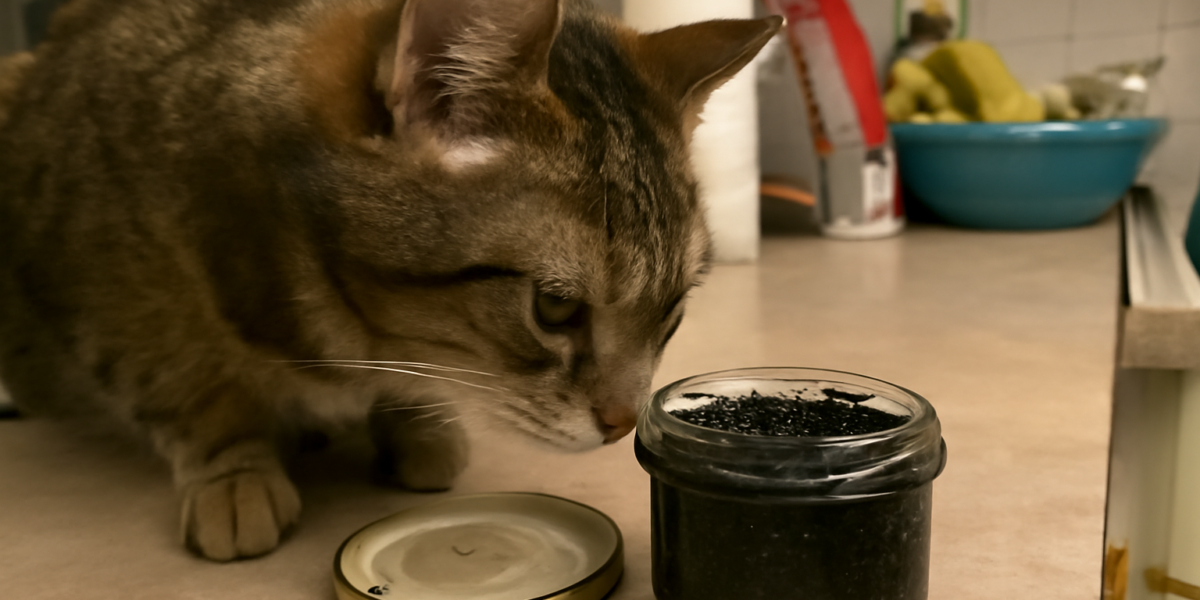
Caviar — the salt-cured eggs of sturgeon and other fish — is one of the most luxurious foods in the world. If you have ever opened a tin of caviar for a special occasion and found your cat intensely interested in the briny, fishy aroma, you might have considered sharing a pearl or two with your feline gourmand. After all, cats love fish, and caviar is essentially fish eggs. How bad could it be?
As obligate carnivores with a well-known affinity for seafood, cats are naturally attracted to the smell and taste of fish products. Caviar is indeed an animal-based food that aligns with a cat’s carnivorous nature in some ways. However, the processing method — specifically the heavy salt-curing — introduces a significant health concern that makes caviar problematic despite its otherwise cat-friendly protein profile.
Quick Answer: Can Cats Eat Caviar?
A tiny taste of caviar is not toxic to cats, but it is not recommended as a treat due to its extremely high sodium content. Caviar is cured in salt, which preserves the eggs and develops their flavor. This curing process results in sodium levels that are far beyond what is safe for a cat’s small body and sensitive kidneys.
A single tablespoon of caviar can contain 240 milligrams or more of sodium. For context, a cat’s total daily sodium requirement is only about 21 milligrams for basic physiological function, and even a generous daily limit is around 42 milligrams. A single spoonful of caviar therefore delivers roughly 6 to 11 times a cat’s entire daily sodium allowance.
If your cat has stolen a lick of caviar from your plate, there is no need for emergency measures. The amount from a single lick is small, and a healthy cat can manage a modest one-time sodium spike by drinking extra water. However, deliberately feeding caviar to your cat is not advisable due to the consistent sodium overload it represents.
Nutritional Profile of Caviar
A one-tablespoon serving (approximately 16 grams) of black caviar (sturgeon roe) contains:
- Calories: 42 kcal
- Protein: 4 grams — high-quality animal protein with a complete amino acid profile
- Fat: 2.9 grams, rich in omega-3 fatty acids (DHA and EPA)
- Omega-3 fatty acids: Approximately 1,000 milligrams — one of the richest sources available
- Sodium: 240 milligrams — this is the critical concern for cats
- Cholesterol: 94 milligrams
- Vitamin B12: 3.2 micrograms
- Vitamin A: As retinol, which cats can use directly (unlike beta-carotene)
- Iron: 1.9 milligrams
- Selenium: 10.5 micrograms
On paper, caviar has an impressive nutritional profile for cats — if it were not for the sodium. The protein is animal-based and complete, the omega-3 content is exceptional, and it contains preformed vitamin A (retinol) that cats can actually utilize. The vitamin B12 and selenium are also valuable feline nutrients.
However, the sodium content makes all of these benefits inaccessible in practice. There is no way to enjoy the nutritional benefits of caviar without simultaneously delivering a dangerous sodium load. The salt is integral to caviar — it is not a removable additive but a fundamental part of the curing process that makes caviar what it is.
Benefits and Risks of Caviar for Cats
Benefits
- High-quality animal protein: The protein in fish roe is complete and highly digestible, containing all essential amino acids cats need
- Exceptional omega-3 content: DHA and EPA support brain function, heart health, skin and coat quality, and joint health in cats
- Preformed vitamin A: Unlike many plant foods, caviar contains retinol, the form of vitamin A cats require
- Vitamin B12: Important for red blood cell formation and neurological function
- Natural palatability: The fishy flavor and aroma are naturally appealing to cats
Risks
- Extreme sodium content: The salt-curing process makes caviar dangerously high in sodium for cats, potentially causing dehydration, increased thirst, kidney strain, and in severe cases, sodium ion poisoning
- Kidney damage risk: Chronic high-sodium intake contributes to kidney disease, which is already one of the leading health concerns in aging cats
- High cholesterol: While cats handle dietary cholesterol differently than humans, the concentration in caviar is very high
- Preservatives: Some caviar products contain additional preservatives such as borax (sodium borate), which is toxic to cats
- Parasites in unpasteurized roe: Non-pasteurized fish eggs may contain parasites that could infect your cat
- Cost-driven overvaluation: The high price of caviar may lead owners to view it as a “premium” pet treat, encouraging more frequent feeding than is safe
How to Serve Caviar Safely to Your Cat
If you want to allow your cat the tiniest taste of this luxury food, extreme portion control is the key to minimizing sodium risk.
Offer no more than 2 to 3 individual eggs (pearls) — not a spoonful, not even a half-teaspoon. Place these few eggs on a plate for your cat to lick. This minuscule amount limits sodium exposure while still giving your cat the experience of tasting this fish product.
Ensure the caviar is a simple product without additional preservatives like borax. Check the ingredient list — the best options for this purpose are caviar or roe products that list only fish eggs and salt as ingredients. Avoid products with additional flavorings, oils, or preservatives.
Provide plenty of fresh water alongside and after the caviar. The salt will naturally increase your cat’s thirst, and adequate hydration helps the kidneys process the excess sodium. Do not offer caviar more than once every few months at the absolute most.
A much better approach is to skip the caviar entirely and offer your cat the same nutritional benefits through a small portion of cooked salmon or a veterinary-approved fish oil supplement. These alternatives provide the omega-3 fatty acids and high-quality protein without the dangerous sodium levels.
Signs of Problems After Eating Caviar
The primary concern after a cat eats caviar is sodium overload. Watch for these symptoms:
Mild sodium excess (from a small amount): Increased thirst, more frequent urination, and mild restlessness. A healthy cat can usually manage a one-time moderate sodium intake by drinking extra water and excreting the excess through the kidneys. Ensure fresh water is readily available.
Moderate sodium overload: Persistent excessive thirst, vomiting, diarrhea, lethargy, and loss of appetite. If your cat consumed a larger amount of caviar (a tablespoon or more), these symptoms indicate the body is struggling to process the sodium load. Contact your veterinarian for guidance.
Severe sodium poisoning (from significant consumption): Tremors, seizures, disorientation, staggering, coma, and potentially death. Severe sodium ion poisoning is a veterinary emergency. While this extreme scenario would require consumption of a large amount of caviar for a single cat, it is important to understand the serious end of the risk spectrum.
Preservative-related symptoms: If the caviar contained borax or other preservatives, your cat may experience additional symptoms including bloody stool, skin rash, and kidney damage. Borax poisoning requires veterinary treatment.
Healthy Alternatives to Caviar
Give your cat the omega-3 and protein benefits of fish without the sodium overload:
- Cooked salmon: A small piece of plain, cooked salmon provides excellent omega-3 fatty acids and protein without the extreme sodium of caviar
- Sardines in water: Choose low-sodium sardines packed in water (not oil or sauce) for an affordable, omega-3-rich treat
- Fish oil supplement: A veterinary-approved fish oil supplement delivers concentrated omega-3s without sodium, added to your cat’s regular food
- Unsalted fish roe: If you can find fresh, unsalted fish eggs (from a fishmonger), these retain the nutritional profile without the dangerous salt curing
- Cooked shrimp: Low in mercury and relatively low in sodium, plain cooked shrimp is a seafood treat most cats enjoy
- Commercial fish-flavored cat treats: Purpose-made treats provide the fishy flavors cats love in a nutritionally controlled format
Want to find a cat with expensive taste who would love to join your family? Visit our adoption page to meet rescue cats waiting for their forever homes.
Frequently Asked Questions
Is fish roe the same as caviar for cats?
Technically, “caviar” refers specifically to salt-cured sturgeon roe, while “roe” is a broader term for fish eggs from any species. From a cat safety perspective, the critical factor is the salt content. Any salt-cured roe product carries the same sodium concerns as caviar. Fresh, unsalted fish roe is significantly safer for cats, though it should still be offered only in small amounts and sourced from reputable suppliers to minimize parasite risk.
Can I give my cat tobiko or masago from sushi?
Tobiko (flying fish roe) and masago (capelin roe) are also salt-cured and carry similar sodium concerns as sturgeon caviar, though they tend to be slightly lower in sodium per serving. Additionally, tobiko is often colored with artificial dyes or flavored with wasabi, yuzu, or other seasonings that are not appropriate for cats. A single egg or two from a piece of sushi is unlikely to cause harm, but these should not be offered intentionally.
Is caviar better for cats than canned tuna?
Neither is ideal, but for different reasons. Caviar has superior omega-3 content and protein quality but is far too high in sodium. Canned tuna is lower in sodium (especially if packed in water) but carries mercury concerns and is not nutritionally complete for cats. Both should be rare, minimal treats rather than regular dietary additions. For regular fish treats, cooked salmon or sardines in water are better options than either caviar or canned tuna.
My cat ate several bites of caviar at a party — what should I do?
If your cat consumed more than a tiny taste of caviar, provide plenty of fresh water immediately and monitor them closely over the next 12 to 24 hours. Watch for excessive thirst, vomiting, diarrhea, or lethargy. Contact your veterinarian to discuss the amount consumed and get personalized guidance. For most healthy adult cats, a few bites — while not ideal — will be managed by the kidneys with adequate hydration, but veterinary advice is still warranted.
Do cats actually like caviar?
Most cats are attracted to the strong fishy aroma and flavor of caviar. As obligate carnivores, their taste receptors are tuned to detect amino acids and fats, both of which are abundant in fish roe. The salty component also enhances the flavor appeal. However, some cats may be put off by the unusual texture of the individual eggs or the intensity of the brine. Every cat’s preferences are different.
Can caviar cause kidney problems in cats?
A single small exposure to caviar is unlikely to cause kidney damage in a healthy cat. However, repeated or significant sodium exposure can strain the kidneys over time and potentially contribute to chronic kidney disease, which is already one of the most common health conditions in aging cats. Cats with pre-existing kidney disease should never be given caviar, as their compromised kidneys are unable to efficiently process excess sodium.
Your cat deserves the finest care — just not necessarily the finest caviar. If you are ready to welcome a wonderful feline into your family, visit our adoption page to find rescue cats who would love to share your home.


