
Last updated: April 8, 2026
In this article
Can Cats Eat Cottage Cheese? Safety Guide for Cat Owners
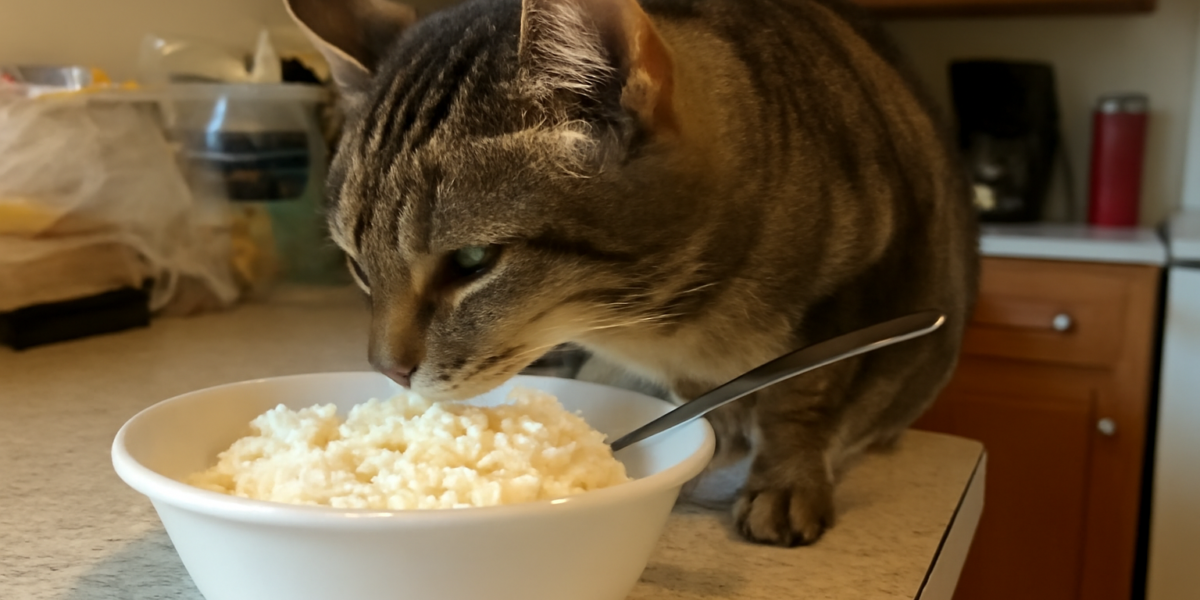
Cottage cheese is a mild, protein-rich dairy product that has been a staple in human diets for centuries. Its soft, creamy texture and relatively simple flavor profile can attract curious cats, especially those who have a known fondness for dairy. But the relationship between cats and dairy is more complicated than old cartoons would have you believe. Before offering your cat a spoonful of cottage cheese, it is important to understand how this food fits, or does not fit, into the feline diet.
Quick Answer: Can Cats Eat Cottage Cheese?
Cats can eat small amounts of plain cottage cheese without immediate danger. Cottage cheese is not toxic to cats, and its relatively high protein content makes it one of the more reasonable dairy options from a nutritional standpoint. However, like all dairy products, cottage cheese contains lactose, and most adult cats are lactose intolerant to some degree. This means that even a food that is safe in theory can cause digestive problems in practice.
If you choose to offer cottage cheese, keep it to a teaspoon or less, use plain low-sodium varieties, and treat it as an occasional indulgence rather than a dietary supplement. Cats with known dairy sensitivities, weight issues, or kidney problems should avoid cottage cheese entirely.
Nutritional Considerations for Cats
Cottage cheese has an interesting nutritional profile. A 100-gram serving of low-fat cottage cheese typically contains about 72 calories, 12 grams of protein, 1 gram of fat, and 2.7 grams of carbohydrates, along with significant amounts of calcium, phosphorus, selenium, and B vitamins. The protein content is notably higher than many other human snack foods, which is why cottage cheese sometimes catches the attention of cat owners looking for protein-rich treats.
However, cats are obligate carnivores, and their protein needs are very specific. They require animal-based protein that contains the full complement of amino acids their bodies cannot synthesize, most critically taurine. While cottage cheese does contain protein, it is dairy protein (casein and whey), which has a different amino acid profile than the muscle meat protein that cats have evolved to thrive on. Cottage cheese is not a meaningful source of taurine, making it an inadequate protein substitute for meat.
The sodium content of cottage cheese is another important consideration. Many varieties contain 300 to 400 milligrams of sodium per half-cup serving, which is considerable for a small animal like a cat. Cats are much more sensitive to sodium than humans, and excessive intake can strain the kidneys, raise blood pressure, and contribute to dehydration. Cats with existing kidney disease, which is extremely common in older cats, are particularly vulnerable to dietary sodium.
The calcium and phosphorus in cottage cheese are already provided in carefully calibrated ratios in commercial cat food. Adding extra calcium and phosphorus through dairy treats can disrupt this balance, which is especially problematic for cats with kidney issues, as excess phosphorus can accelerate kidney disease progression.
Lactose remains the primary concern with any dairy product. During kittenhood, cats produce abundant lactase to digest their mother’s milk. After weaning, lactase production declines significantly in most cats. The lactose that remains undigested in the gut draws water into the intestines and is fermented by bacteria, producing gas, cramping, and diarrhea. Cottage cheese contains approximately 3 grams of lactose per 100-gram serving, which is lower than milk but still enough to cause symptoms in sensitive cats.
Benefits and Risks of Feeding Cottage Cheese to Cats
The potential benefits of cottage cheese for cats are limited but worth noting:
- Protein content: Among dairy products, cottage cheese is relatively protein-dense, which at least means the calories are not entirely empty from a feline perspective.
- Palatability: Many cats find cottage cheese appealing, which can be useful for hiding medication or tempting a cat with a reduced appetite to eat something, though this should be done under veterinary guidance.
- Soft texture: The soft consistency of cottage cheese makes it easy for cats to eat, including elderly cats with dental problems who may struggle with harder foods.
- Probiotics: Some cottage cheese products contain live cultures that may offer mild digestive benefits, similar to yogurt.
The risks are more substantial:
- Lactose intolerance: The most predictable risk. Many adult cats will develop diarrhea, bloating, gas, and abdominal discomfort after eating cottage cheese. The severity depends on the individual cat’s lactase production and the amount consumed.
- High sodium: Standard cottage cheese contains significant sodium. For a 10-pound cat, even a tablespoon of cottage cheese represents a meaningful sodium load. Over time, regular sodium-heavy treats can contribute to hypertension and kidney stress.
- Weight gain: While cottage cheese is relatively low in calories for a human food, the caloric density is still significant for cats. A tablespoon of cottage cheese represents about 14 calories, which is roughly 5 to 7 percent of a typical indoor cat’s daily caloric needs.
- Phosphorus load: For cats with chronic kidney disease, which affects a large proportion of cats over the age of 10, the phosphorus in cottage cheese can worsen kidney function. Veterinarians typically recommend phosphorus-restricted diets for cats with kidney problems.
- Milk protein allergy: Some cats are allergic to casein or whey proteins found in dairy. This is distinct from lactose intolerance and can cause skin reactions, itching, gastrointestinal symptoms, and in rare cases, more severe allergic responses.
- Displacement of complete nutrition: If a cat regularly fills up on cottage cheese, it may eat less of its nutritionally complete cat food, leading to gradual nutrient deficiencies.
How to Serve Cottage Cheese Safely to Your Cat
If you want to let your cat try cottage cheese, these steps will help you do so as safely as possible:
Select a plain, low-sodium, low-fat variety with no added herbs, garlic, chives, or other flavorings. Many flavored cottage cheese products contain onion or garlic, which are toxic to cats. Read the ingredient label carefully, even for “plain” varieties, as some contain added salt or preservatives.
Start with a very small amount, approximately half a teaspoon, and observe your cat for the next 12 to 24 hours. If no digestive upset occurs, you can consider offering up to one teaspoon on occasion. Do not exceed this amount, and do not offer cottage cheese more than once or twice a week at the absolute most.
Serve cottage cheese at room temperature rather than straight from the refrigerator. Cold food can sometimes cause mild stomach discomfort in cats. Ensure fresh water is readily available, as the sodium content may increase your cat’s thirst.
Do not offer cottage cheese to cats with kidney disease, diabetes, obesity, or known dairy allergies or sensitivities. For senior cats, consult your veterinarian before introducing any new foods, as older cats are more likely to have underlying conditions that could be aggravated by dairy.
Signs of Problems After Eating Cottage Cheese
Monitor your cat after offering cottage cheese for the first time, and remain attentive even with subsequent offerings. Watch for:
- Diarrhea or loose stools: The hallmark sign of lactose intolerance. This typically develops within 8 to 12 hours of consumption. Mild, self-limiting diarrhea from a small amount of cottage cheese should resolve within a day, but it is a clear signal that your cat does not handle dairy well.
- Vomiting: Some cats may vomit after eating cottage cheese, particularly if they consumed more than a small amount or if they are particularly sensitive to dairy.
- Gas and bloating: Abdominal distension and flatulence indicate that lactose is fermenting in the gut. Your cat may appear uncomfortable, restless, or reluctant to be touched on the belly.
- Increased thirst and urination: The sodium content may cause your cat to drink more water. While mild increases are manageable, significantly increased thirst and urination warrant monitoring and possibly a veterinary consultation.
- Skin irritation: If your cat develops itching, redness, or bumps on the skin after eating cottage cheese, this may indicate a milk protein allergy rather than simple lactose intolerance. Discontinue all dairy products and consult your veterinarian.
- Lethargy or loss of appetite: General malaise following cottage cheese consumption suggests digestive discomfort. If these symptoms persist beyond 24 hours, contact your vet.
If your cat shows any of these signs after eating cottage cheese, do not offer dairy products again. There are plenty of better treat options available that do not carry these risks.
Healthy Alternatives to Cottage Cheese for Cats
Instead of dairy, consider these treats that are better aligned with your cat’s needs as an obligate carnivore:
- Plain cooked chicken: Unseasoned, boneless chicken breast provides high-quality animal protein that cats are biologically designed to eat. It is one of the safest and most nutritious treats available.
- Cooked fish: Small portions of plain cooked salmon, whitefish, or cod provide protein and beneficial omega-3 fatty acids. Avoid raw fish, which can contain parasites and an enzyme that destroys thiamine.
- Freeze-dried meat treats: Single-ingredient freeze-dried chicken, turkey, or fish treats are convenient, shelf-stable, and nutritionally appropriate for cats.
- Meat-based baby food: Plain meat baby food with no onion, garlic, or added seasonings can be useful for cats with reduced appetites or as a medium for administering medication.
- Veterinary probiotics: If you are interested in cottage cheese primarily for its probiotic potential, veterinary-specific probiotic supplements are a more effective and safer way to support your cat’s digestive health.
Providing your cat with species-appropriate treats is an important part of good pet care. If you are thinking about adopting a cat, establishing good dietary habits from the beginning will contribute to a long and healthy life together. For more information on dairy products and cats, see our guide on whether cats can eat yogurt.
Frequently Asked Questions
Is cottage cheese better than milk for cats?
Cottage cheese is generally better tolerated than milk because it contains less lactose. The fermentation and curdling process used to make cottage cheese breaks down some of the lactose present in the original milk. That said, “better than milk” does not mean “good for cats.” Cottage cheese still contains lactose, sodium, and calories that cats do not need, and it should only be offered in very small amounts, if at all.
Can cottage cheese help underweight cats gain weight?
While cottage cheese contains calories and protein, it is not an appropriate weight-gain food for cats. Underweight cats need calorie-dense, high-protein cat food, ideally a veterinary-prescribed recovery diet formulated to support weight gain with the right balance of nutrients. Using cottage cheese to add calories risks causing digestive upset without providing the complete nutrition an underweight cat needs. Always consult your veterinarian if your cat is underweight, as weight loss can indicate serious underlying health conditions.
Can I mix cottage cheese with my cat’s regular food?
While you can technically add a tiny amount of plain cottage cheese to your cat’s food as an occasional topping, it is generally not recommended as a regular practice. The added sodium, lactose, and calories are unnecessary, and mixing dairy with cat food may encourage picky eating habits where the cat refuses food that does not include the dairy addition. If your cat is not interested in its regular food, the solution is to find a higher-quality cat food it enjoys, not to dress up an adequate food with dairy.
Is low-fat or full-fat cottage cheese better for cats?
Low-fat cottage cheese is the better option if you are going to offer any at all. Full-fat cottage cheese contains more calories and saturated fat, which can contribute to weight gain and potentially increase the risk of pancreatitis in susceptible cats. Low-fat varieties also tend to have slightly less lactose. However, be aware that some low-fat products compensate for reduced fat by adding more sodium, so always check the nutrition label. You may also find it helpful to read about whether cats can eat rice cakes as you explore safe snack options.
How do I know if my cat is allergic to dairy versus lactose intolerant?
Lactose intolerance and dairy allergy are different conditions with some overlapping symptoms. Lactose intolerance is a digestive issue caused by insufficient lactase production, and its primary symptoms are gastrointestinal: diarrhea, gas, bloating, and sometimes vomiting. A dairy allergy is an immune response to the proteins in milk (casein or whey), and while it can cause gastrointestinal symptoms, it is also more likely to produce skin reactions like itching, redness, hives, or hair loss. If your cat shows skin symptoms after consuming dairy, an allergy is more likely, and you should consult your veterinarian for proper diagnosis.
Can senior cats eat cottage cheese?
Senior cats should generally avoid cottage cheese. Cats over the age of seven are at increased risk for kidney disease, and the sodium and phosphorus content of cottage cheese can be harmful to cats with compromised kidney function. Older cats are also more likely to have sensitive digestive systems that react poorly to lactose. If you want to offer your senior cat a special treat, stick to small pieces of plain cooked meat or veterinary-approved treats designed for older cats.


