
Last updated: May 4, 2026
In this article
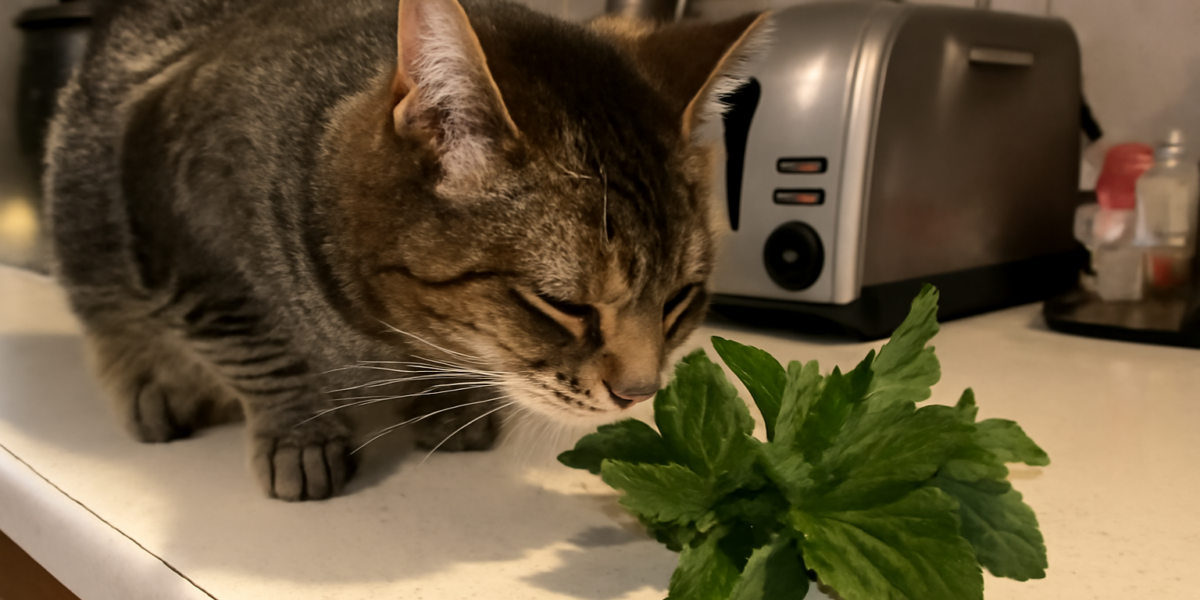
Cats have a complex relationship with the mint family. On one hand, catnip — a member of the mint family — is perhaps the most famous cat-attracting plant in the world. On the other hand, many common culinary and ornamental mints contain essential oils that are toxic to cats. This creates confusion for cat owners who may assume that if catnip is safe, all mints must be safe too. The reality is much more nuanced, and understanding which mints are dangerous and which are acceptable is crucial for keeping your cat healthy.
Quick Answer: Most mint varieties are mildly to moderately toxic to cats due to their essential oil content. Pennyroyal mint is extremely dangerous and can be fatal. While catnip and catmint (both mint family members) are safe, common garden mint, peppermint, and spearmint contain oils that can cause gastrointestinal upset and other symptoms. Cats should not eat mint.
Is Mint Safe for Cats?
The mint family (Lamiaceae) is large and diverse, encompassing hundreds of species. The safety of any specific mint for cats depends entirely on which species we are discussing and the concentration of essential oils present.
Unsafe mint varieties for cats include:
- Peppermint (Mentha piperita): Contains menthol and other essential oils that can cause gastrointestinal irritation, vomiting, and diarrhea. Peppermint essential oil is particularly concentrated and dangerous.
- Spearmint (Mentha spicata): Contains carvone and limonene, which can irritate the digestive tract and mucous membranes.
- Pennyroyal (Mentha pulegium): Extremely toxic to cats. Contains pulegone, which can cause liver failure and death even in small amounts. This is the most dangerous mint species for cats and all pets.
- Garden mint (Mentha spp.): Various garden mint varieties contain essential oils at levels that can cause mild to moderate toxicity in cats.
Safe mint family members for cats:
- Catnip (Nepeta cataria): Safe for cats and well-known for its euphoric effect on most felines. Not all cats respond to catnip, and the effect is harmless and temporary.
- Catmint (Nepeta mussinii): A close relative of catnip that is also safe for cats, though it tends to produce a milder reaction.
The critical distinction is that cats lack certain liver enzymes (specifically glucuronyl transferase) needed to metabolize essential oils effectively. This makes them more susceptible to toxicity from plant-based essential oils than dogs or humans.
Why Mint Essential Oils Are Dangerous for Cats
The primary toxicity concern with mint plants comes from their essential oil content. These aromatic compounds serve as natural pest deterrents for the plant but can cause significant problems when ingested by cats.
Menthol is the dominant essential oil in peppermint and can cause irritation to the mouth, throat, and stomach lining. It can also affect the central nervous system in large enough quantities.
Pulegone, found in high concentrations in pennyroyal, is a potent hepatotoxin (liver poison). Even small amounts can cause liver necrosis in cats. Pennyroyal essential oil has caused fatalities in cats, and this plant should never be grown in a household with felines.
Limonene and linalool, present in various mint species, are difficult for cats to metabolize and can accumulate in the body, causing toxicity with repeated exposure.
It is important to note that concentrated mint essential oils are far more dangerous than the fresh or dried plant material. A cat brushing against a mint plant in the garden is at much lower risk than a cat exposed to peppermint essential oil, whether ingested, applied topically, or inhaled from a diffuser. Essential oil diffusers containing mint oils are a commonly overlooked source of feline toxicity.
Risks and Side Effects of Mint for Cats
The symptoms and severity of mint toxicity depend on the type of mint, the amount consumed, and whether the exposure was to the plant material, essential oil, or a product containing mint flavoring.
Mild exposure (a nibble of fresh garden mint or spearmint):
- Drooling
- Lip-licking or pawing at the mouth
- Mild nausea or vomiting
- Diarrhea
- Decreased appetite
Moderate exposure (consuming several leaves or exposure to mint products):
- Persistent vomiting
- Diarrhea
- Lethargy
- Skin irritation (if topical exposure)
- Difficulty breathing (if inhaled concentrated oils)
Severe exposure (pennyroyal or concentrated essential oils):
- Liver failure (jaundice, dark urine, pale gums)
- Seizures
- Collapse
- Coma
- Death (particularly with pennyroyal)
Cats that are exposed to peppermint or other mint essential oils through diffusers may develop respiratory irritation, coughing, wheezing, watery eyes, and nasal discharge. Chronic low-level exposure can accumulate and cause more serious problems over time.
How to Keep Your Cat Safe Around Mint
Preventing mint toxicity requires awareness of all the ways your cat might encounter mint in your home and garden.
Indoor plants: If you grow mint indoors, place it in a location inaccessible to your cat. Consider switching to catnip or catmint, which provide a similar aesthetic while being safe for felines. Never grow pennyroyal if you have cats.
Essential oil diffusers: Do not use peppermint, spearmint, or any mint-based essential oils in diffusers in your home. The aerosolized oil particles can be inhaled by your cat or settle on their fur and be ingested during grooming. If you must use a diffuser, ensure it contains only cat-safe oils and is used in a well-ventilated room your cat does not access.
Topical products: Never apply human products containing mint or menthol (such as muscle rubs, lip balms, or insect repellents) to your cat or to your own skin in areas your cat frequently contacts.
Food and beverages: Keep mint tea, mint chocolate, peppermint candies, and other mint-flavored foods and drinks away from your cat. These products concentrate the essential oils and often contain additional harmful ingredients like sugar, chocolate, or xylitol.
Garden: If you grow mint outdoors, monitor your cat’s access to the garden. Most cats will not be attracted to mint plants (unlike catnip), but curious cats may nibble on them.
- Kittens: Extremely sensitive to essential oils due to their small body mass and immature liver function. Keep all mint products and plants completely out of reach.
- Adult cats (6–10 lbs): A single nibble of garden mint may cause mild symptoms. Any exposure to pennyroyal or essential oils warrants an immediate call to the vet.
- Large cats (over 10 lbs): Somewhat more tolerant of trace exposure due to body mass, but the same dangers apply, especially with pennyroyal and concentrated oils.
Signs of Mint Toxicity in Cats
If you suspect your cat has been exposed to mint — whether by eating leaves, licking a mint product, or inhaling essential oil mist — watch for the following signs:
- Excessive drooling or salivation
- Vomiting (may occur within minutes to hours)
- Diarrhea
- Refusal to eat
- Pawing at the mouth or face
- Coughing, wheezing, or labored breathing (inhalation exposure)
- Watery eyes or nasal discharge
- Lethargy or depression
- Tremors or wobbliness
- Yellowing of the eyes, gums, or inner ears (jaundice — indicates liver involvement)
For any exposure to pennyroyal, seek veterinary emergency care immediately regardless of whether symptoms are present. Pennyroyal liver damage can progress rapidly and may not show obvious signs until critical damage has occurred.
For other mint exposures, contact your veterinarian or the ASPCA Animal Poison Control Center (888-426-4435) if symptoms are present or if your cat consumed more than a tiny nibble.
Safe Herb Alternatives for Cats
If you enjoy growing herbs and want cat-safe options, consider these alternatives to mint:
- Catnip (Nepeta cataria): The classic cat-safe plant. Most cats enjoy rolling in it, and it is completely non-toxic. It can even be sprinkled on scratching posts or toys.
- Catmint (Nepeta mussinii): Attractive in the garden and safe for cats to interact with.
- Basil: Non-toxic to cats and a wonderful culinary herb. Learn more in our article on can cats eat basil.
- Cat grass (wheatgrass or oat grass): Many cats enjoy nibbling on grass, and specially grown cat grass provides safe roughage.
- Valerian root: Some cats respond to valerian similarly to catnip. The plant itself is safe for cats, though it has a strong odor humans often find unpleasant.
Looking to add a feline companion to your home? Visit our adoption page to find a cat waiting for a loving family.
Frequently Asked Questions
Is catnip the same as mint?
Catnip (Nepeta cataria) belongs to the same botanical family as mint (Lamiaceae), but it is a different genus and species with a different chemical composition. The active compound in catnip is nepetalactone, which triggers a euphoric response in about 50 to 70 percent of cats. Unlike the essential oils in peppermint and spearmint, nepetalactone is safe for cats. So while catnip is technically a “mint family” member, it does not carry the same toxicity risks as culinary mints.
Can cats be around peppermint essential oil diffusers?
No. Peppermint essential oil diffusers should not be used in homes with cats. The aerosolized oil particles are inhaled by cats and can also settle on their fur, which is then ingested during grooming. Cats lack the liver enzymes needed to process these volatile compounds effectively, and chronic exposure can cause respiratory issues, liver damage, and other health problems. If you use essential oil diffusers, choose only cat-safe oils and keep diffusers in rooms your cat cannot access.
What is the difference between pennyroyal and other mints?
Pennyroyal (Mentha pulegium) contains very high concentrations of pulegone, a compound that is severely toxic to the liver. While all mints contain some essential oils that can irritate cats, pennyroyal is in a different category of danger entirely. Ingestion of pennyroyal can cause acute liver failure and death in cats. Other mints like peppermint and spearmint cause milder symptoms such as gastrointestinal upset. The distinction is critical: a nibble of garden mint is a concern, but exposure to pennyroyal is a potential emergency.
My cat ate a mint leaf from my garden — what should I do?
First, identify which type of mint your cat ate. If it was pennyroyal, contact your veterinarian immediately. For common garden mint, peppermint, or spearmint, a single leaf is unlikely to cause serious harm in an adult cat, but monitor for vomiting, diarrhea, drooling, and loss of appetite. Provide fresh water and offer regular food at the next mealtime. If symptoms develop or persist beyond 24 hours, contact your veterinarian.
Are mint-flavored cat treats safe?
Some commercial cat products, such as dental treats and breath fresheners, contain small, carefully measured amounts of mint flavoring. These products are specifically formulated to be safe for cats, with the mint present at concentrations well below the toxicity threshold. However, they are not the same as feeding your cat actual mint leaves or exposing them to mint essential oil. Always choose products specifically designed and tested for feline use.
Can mint be used as a natural flea repellent for cats?
While mint does have some natural insect-repelling properties, it should never be applied directly to cats or used in concentrated form around them. The essential oils that repel fleas are the same ones that are toxic to cats. There are many safe, veterinarian-approved flea prevention products available. Always consult your vet before using any natural remedy on or around your cat.


