
Last updated: March 31, 2026
In this article
Can Cats Eat Miso? Safety Guide for Cat Owners
Miso is a staple ingredient in Japanese cooking, found in soups, marinades, dressings, and countless other dishes. Made from fermented soybeans, salt, and a type of fungus called koji, miso is celebrated for its rich umami flavor and probiotic benefits for humans. But if your cat has shown interest in your bowl of miso soup, you may be wondering whether this fermented paste is safe for felines. The short answer is no — miso is not a safe food for cats and should be avoided due to its dangerously high sodium content and other ingredients that are unsuitable for feline physiology.
Quick Answer: Can Cats Eat Miso?
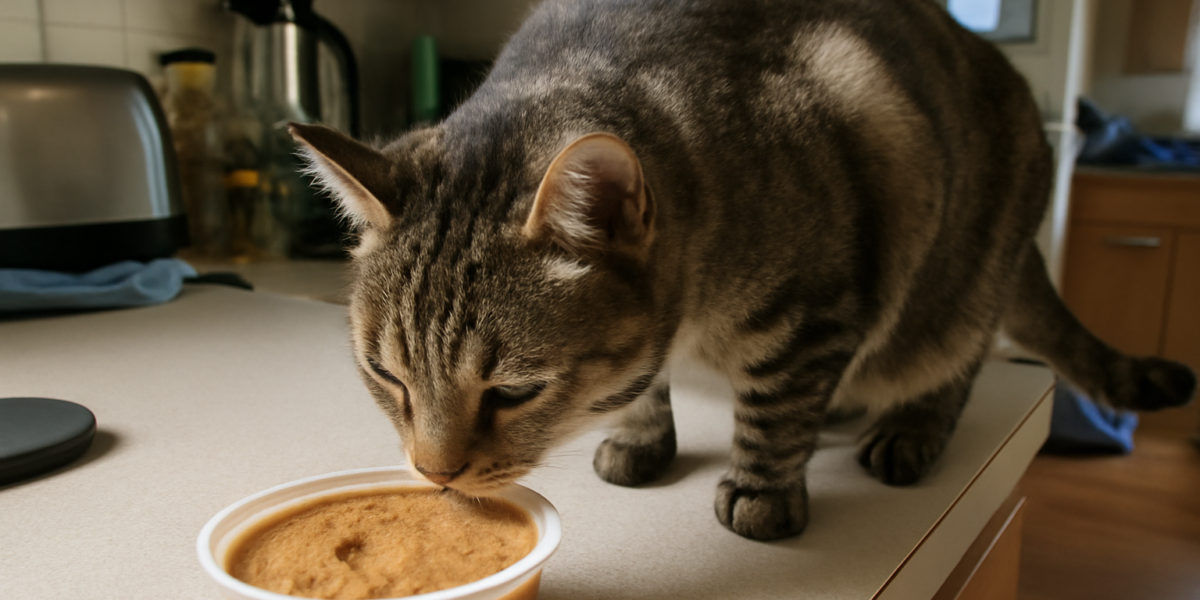
No, cats should not eat miso. While miso is made from soybeans and fermented ingredients that are not inherently toxic to cats, the extremely high sodium content makes it a dangerous food for felines. A single tablespoon of miso paste can contain over 600 milligrams of sodium, which far exceeds what a cat should consume in an entire day. Cats are obligate carnivores whose bodies are designed to process animal-based proteins, and their kidneys are not equipped to handle the excessive salt found in miso. Even small amounts of miso could lead to sodium-related health problems, so it is best to keep this fermented paste away from your cat entirely.
Nutritional Considerations for Cats
Understanding why miso is problematic for cats requires a closer look at both its nutritional profile and how a cat’s body processes food. Miso does contain some nutrients that might seem beneficial on the surface, including protein, manganese, zinc, and B vitamins. However, the way these nutrients are packaged in miso makes them unsuitable for feline consumption.
The primary concern is sodium. Cats require only about 21 milligrams of sodium per day for basic physiological functions. Even a tiny taste of miso could deliver several times that amount. Chronic sodium overconsumption in cats can lead to high blood pressure, kidney damage, and heart problems. Given that kidney disease is already one of the most common health issues in cats, adding extra sodium to their diet through foods like miso is especially risky.
Miso also contains soy, which is a common allergen in cats. While not all cats are allergic to soy, it is one of the more frequently reported food sensitivities in felines. Soy-based proteins are also less bioavailable to cats compared to animal proteins, meaning your cat’s body cannot use them as efficiently. As obligate carnivores, cats thrive on diets rich in animal-based amino acids like taurine and arginine, which are not present in miso in meaningful amounts.
Benefits and Risks of Miso for Cats
While miso offers notable health benefits for humans, including probiotics from the fermentation process, improved gut health, and a rich supply of antioxidants, these advantages do not translate well to cats.
Potential Benefits
Miso does contain probiotics that result from the fermentation of soybeans with koji mold. In theory, probiotics can support digestive health in cats. However, the strains of beneficial bacteria found in miso are not the same as those typically recommended for feline digestive support. Cat-specific probiotic supplements are a far better choice for supporting your cat’s gut microbiome without the risks associated with miso.
Significant Risks
The risks of feeding miso to cats significantly outweigh any potential benefits. The most serious concerns include:
- Sodium toxicity: The extremely high salt content in miso can cause vomiting, diarrhea, excessive thirst, lethargy, tremors, and in severe cases, seizures or death.
- Kidney strain: Excessive sodium forces the kidneys to work harder to filter the blood, which can accelerate kidney disease or worsen existing kidney conditions.
- Soy allergies: Some cats develop allergic reactions to soy, leading to skin irritation, gastrointestinal upset, or chronic itching.
- Gastrointestinal distress: The fermented nature of miso, combined with its high salt content, can irritate a cat’s digestive system and cause stomach upset.
- Dehydration: High sodium intake can lead to dehydration as the body attempts to dilute the excess salt, putting additional stress on a cat’s organs.
How to Serve Miso Safely to Cats
The safest approach is to not serve miso to your cat at all. There is no safe preparation method that adequately reduces the sodium content of miso to levels appropriate for feline consumption. Even diluting miso in water, as in miso soup, still results in a broth that contains far too much sodium for a cat.
If your cat has accidentally licked a small amount of miso from a bowl or plate, there is no need to panic. A tiny lick is unlikely to cause serious harm in a healthy cat. However, you should ensure your cat has access to plenty of fresh water to help flush the excess sodium from their system. Monitor your cat for any signs of distress over the following 24 hours.
If you are looking for ways to add variety to your cat’s diet, consider cat-safe options that provide genuine nutritional value. Small pieces of cooked chicken, turkey, or fish are excellent choices that align with your cat’s carnivorous nature. If you are interested in adopting a cat and want to learn more about proper feline nutrition, visit our adoption page where you can find resources to help you prepare for a new feline family member.
Signs of Problems After Eating Miso
If your cat has consumed miso, especially in more than a trace amount, watch carefully for signs of sodium overconsumption or digestive upset. Symptoms can appear within a few hours of ingestion and may include:
- Excessive thirst and increased water consumption
- Frequent urination
- Vomiting or diarrhea
- Lethargy or unusual fatigue
- Loss of appetite
- Swollen or bloated abdomen
- Tremors or muscle twitching
- Disorientation or lack of coordination
In severe cases of sodium toxicity, cats may experience seizures, difficulty breathing, or collapse. If you observe any of these more serious symptoms, seek emergency veterinary care immediately. Even milder symptoms warrant a call to your veterinarian, particularly if your cat has pre-existing kidney or heart conditions.
Healthy Alternatives to Miso for Cats
If you want to treat your cat to something flavorful and satisfying, there are many safer options that cater to their obligate carnivore needs. Consider these alternatives:
- Plain cooked fish: Small portions of cooked salmon, tuna, or sardines without added salt or seasoning can be a delicious treat. For more on fish-based options, check out our article on sardine oil for cats.
- Cooked chicken or turkey: Boneless, skinless, and unseasoned poultry is an excellent protein source for cats.
- Cat-specific bone broth: Low-sodium or sodium-free bone broth made specifically for cats can provide the warm, savory flavor your cat might enjoy without the dangers of miso soup.
- Commercial cat treats: High-quality cat treats formulated with appropriate sodium levels and real meat ingredients are a safe way to reward your feline.
- Cat-safe probiotics: If you are interested in the probiotic benefits of miso, ask your veterinarian about feline-specific probiotic supplements instead.
Frequently Asked Questions
Can cats drink miso soup?
No, cats should not drink miso soup. Even though the miso is diluted in water, miso soup still contains significant amounts of sodium that exceed safe levels for cats. Additionally, many miso soup recipes include ingredients like onions, garlic, or scallions, which are toxic to cats. Keep miso soup away from your cat entirely.
What happens if my cat licks a small amount of miso?
A tiny lick of miso is unlikely to cause serious harm in a healthy adult cat. However, you should provide plenty of fresh water and monitor your cat for any signs of digestive upset, excessive thirst, or lethargy over the next 24 hours. If symptoms develop, contact your veterinarian for guidance.
Is fermented food in general bad for cats?
Not all fermented foods are harmful to cats, but many contain high levels of sodium, spices, or other ingredients that are unsuitable for felines. Foods like miso, soy sauce, and kimchi are not recommended due to their sodium content and additional problematic ingredients. If you want to support your cat’s gut health with probiotics, consult your veterinarian about cat-appropriate options.
Can kittens eat miso?
Absolutely not. Kittens are even more vulnerable to the effects of excessive sodium than adult cats due to their smaller body size and developing kidneys. Even a small amount of miso could cause significant health problems in a kitten. Kittens should be fed only kitten-formulated food and treats approved by your veterinarian.
Does miso contain anything toxic to cats?
While the primary ingredients in miso — soybeans, salt, and koji — are not classified as toxic to cats, the extremely high sodium content makes miso functionally dangerous. Additionally, some varieties of miso may contain added ingredients like garlic or bonito that could pose additional risks. The high sodium alone is reason enough to avoid feeding miso to cats.


