
Last updated: April 1, 2026
In this article
Can Cats Eat Papaya? Your Complete Guide to This Tropical Fruit
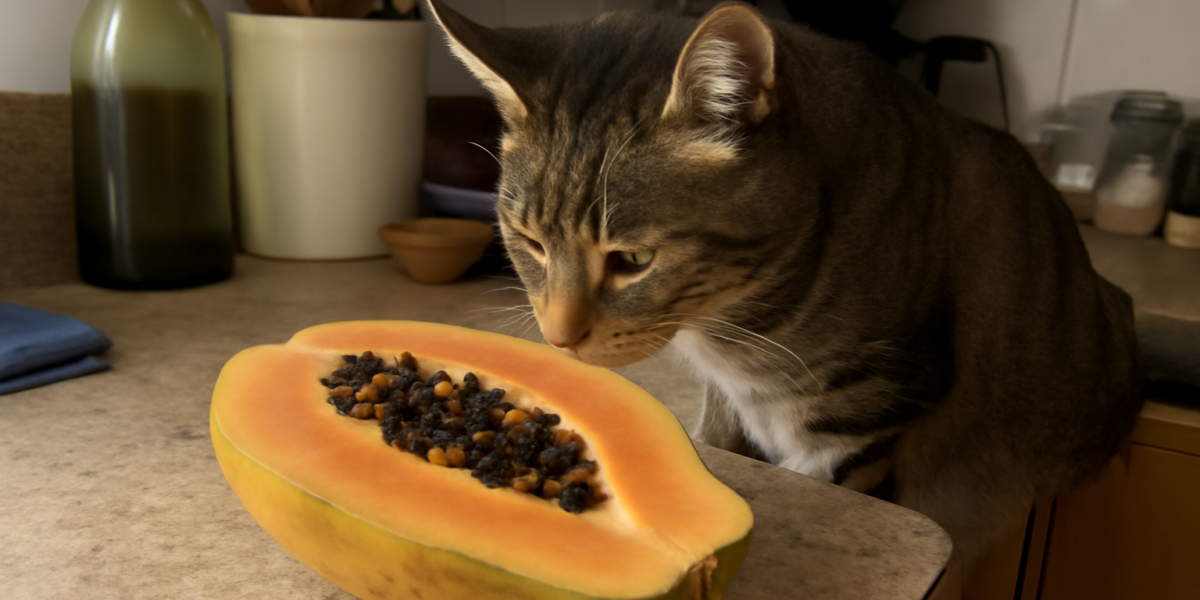
Papaya is a beloved tropical fruit known for its sweet, musky flavor and vibrant orange flesh. Packed with vitamins, enzymes, and antioxidants, it’s considered a superfood for humans — but does that status extend to our feline companions? If your cat has been eyeing your papaya smoothie or sniffing at a freshly cut slice, you’re not alone in wondering whether it’s safe to share. Can cats eat papaya? Yes, cats can eat small amounts of ripe, fresh papaya flesh as an occasional treat. It’s non-toxic and offers some nutritional benefits, though it should never be more than a tiny supplement to their meat-based diet.
As with any human food, understanding the proper way to prepare and serve papaya to your cat — and knowing the limits — is essential for keeping your feline friend healthy and happy. This guide covers everything from nutritional benefits to potential risks, helping you decide whether papaya deserves a spot in your cat’s treat rotation alongside other fruits like mango and bananas.
Nutritional Profile of Papaya for Cats
Papaya is a nutrient-dense fruit that offers several vitamins and minerals in a low-calorie package. One cup of fresh papaya chunks contains approximately 62 calories, 16 grams of carbohydrates (mostly natural sugars), 2.5 grams of fiber, and less than one gram each of protein and fat. For humans, this makes papaya an excellent dietary choice. For cats, the picture is more nuanced.
Vitamin C is one of papaya’s headline nutrients, with one cup providing over 140 percent of the human daily value. Cats, however, synthesize their own vitamin C in their livers and don’t require dietary supplementation under normal circumstances. That said, supplemental vitamin C from food can provide antioxidant support for cats under stress, recovering from illness, or advancing in age.
Vitamin A, present in papaya as beta-carotene and retinol, supports vision, immune function, and skin health. Cats have a limited ability to convert beta-carotene to active vitamin A, so the retinol component is more relevant to them. The amounts in a small serving of papaya are modest but can contribute to overall antioxidant intake.
Folate (vitamin B9) in papaya supports cell division and DNA synthesis. Potassium helps maintain proper fluid balance, muscle function, and nerve signaling. Magnesium supports hundreds of enzymatic reactions, including energy metabolism and protein synthesis. While cats get these minerals primarily from their regular food, small contributions from treats like papaya can complement their intake.
Perhaps papaya’s most interesting nutritional component for cats is papain, a proteolytic enzyme found in the fruit’s flesh, skin, and latex. Papain breaks down proteins and has been used in traditional medicine for centuries to aid digestion. Some holistic veterinarians suggest that small amounts of papaya may help cats with mild digestive issues, though scientific evidence supporting this in felines is limited. The enzyme is most concentrated in unripe papaya and diminishes as the fruit ripens.
How to Prepare Papaya for Your Cat
Proper preparation ensures your cat gets the benefits of papaya without any unnecessary risks. Start by selecting a ripe papaya — the skin should be mostly yellow to orange-yellow, and the flesh should yield slightly to gentle pressure. Unripe, green papaya contains higher concentrations of latex and papain, which can cause mouth and stomach irritation in cats. Stick with ripe fruit for safety.
Wash the papaya thoroughly under running water, even though you won’t be feeding the skin to your cat. Washing prevents any surface contaminants from transferring to the flesh during cutting. Cut the papaya in half lengthwise and scoop out all the seeds with a spoon. Papaya seeds contain trace amounts of carpaine, a compound that can be irritating to the digestive system, and their hard, peppery nature makes them a choking hazard. Always remove every seed before preparing the flesh for your cat.
Peel away the skin entirely. While papaya skin isn’t toxic, it’s tough, fibrous, and difficult for cats to chew and digest. The skin may also contain pesticide residues if the fruit wasn’t grown organically. Once peeled and seeded, cut the flesh into very small, bite-sized pieces — roughly the size of a blueberry or smaller for most cats. Cats don’t chew their food as thoroughly as humans or even dogs, so small pieces help prevent choking.
Serve the papaya at room temperature or slightly chilled. Avoid serving it frozen solid, as extremely cold food can cause discomfort or brain freeze in cats (yes, they can experience it). If your cat is reluctant to try papaya on its own, you can mash a tiny amount and mix it into their wet food. Some cats are attracted to papaya’s sweet aroma and will eat it readily, while others may show no interest at all — and that’s perfectly fine.
Never offer your cat dried papaya, candied papaya, or papaya prepared with added sugar, preservatives, or other flavorings. Dried papaya has a concentrated sugar content that’s too high for cats, and the chewy texture can be a choking hazard. Papaya juice or smoothies often contain added sugars and may include other ingredients (like citrus or dairy) that aren’t appropriate for cats.
Potential Risks and Side Effects
While papaya is generally safe for cats, several risks deserve attention. The sugar content in ripe papaya is the primary concern. Even though the sugars are natural, cats’ metabolisms aren’t designed to process significant amounts of carbohydrates or sugars. One cup of papaya contains about 11 grams of sugar — a substantial amount relative to a cat’s tiny body and minimal carbohydrate needs. Excessive sugar intake can contribute to weight gain, dental issues, and potentially exacerbate diabetic conditions.
Gastrointestinal upset is possible when introducing any new food. Papaya’s fiber content, while modest, can cause loose stools or diarrhea in cats with sensitive stomachs. The papain enzyme, despite its reputation for aiding digestion, can also cause stomach irritation in some cats, particularly if they eat too much or if the papaya isn’t fully ripe. Start with a very small piece and observe your cat’s response before offering more.
Allergic reactions to papaya in cats are uncommon but not impossible. Cats with latex allergies may be at higher risk of reacting to papaya, as the fruit contains natural latex (particularly in and near the skin and in unripe fruit). This cross-reactivity, known as latex-fruit syndrome, is well-documented in humans and may apply to cats as well. Signs of an allergic reaction include vomiting, diarrhea, itching, skin irritation, facial swelling, or difficulty breathing.
The seeds and skin, as mentioned earlier, should always be removed. Seeds can cause gastrointestinal irritation and pose a choking or intestinal blockage risk. The skin’s tough, fibrous nature makes it difficult to digest and can cause vomiting if swallowed in pieces too large to pass through the digestive tract comfortably.
Cats with diabetes or insulin resistance should avoid papaya due to its sugar content. Even small amounts of additional sugar can complicate blood glucose management in diabetic cats. If your cat has diabetes, consult your veterinarian before offering any fruit as a treat.
Serving Sizes and Frequency
Moderation is the guiding principle when feeding papaya to cats. Treats of any kind — including fruits — should comprise no more than ten percent of your cat’s daily caloric intake. For an average ten-pound cat consuming about 200 to 250 calories per day, that means no more than 20 to 25 calories from treats. Given that a tablespoon of papaya contains roughly 4 calories, five to six small pieces (about one to two tablespoons) represents a reasonable upper limit per serving.
For cats new to papaya, start with a single small piece — about the size of a pea — and wait 24 to 48 hours to confirm they tolerate it without any digestive upset. If all goes well, you can gradually offer up to the full recommended portion on subsequent occasions.
Frequency should be limited to once or twice per week at most. Papaya should be an occasional novelty, not a daily snack. Rotating between different cat-safe treats — including both fruits and animal-based options — provides variety and prevents your cat from developing an over-reliance on any single food.
Kittens under six months of age should generally not be offered papaya or other fruits. Their digestive systems are still maturing, and their nutritional needs are best met exclusively by kitten-formulated food. For kittens over six months, a tiny piece (half the adult-cat serving size) can be tried, but it’s not necessary or particularly beneficial for their development.
Senior cats can enjoy papaya in the same portions as adult cats, provided they don’t have diabetes, kidney disease, or other conditions that might be affected by the fruit’s sugar or potassium content. The antioxidant properties of papaya may even offer minor benefits for aging cats, though this shouldn’t be overstated — proper nutrition from a complete cat food is far more impactful.
Papaya Compared to Other Fruits for Cats
How does papaya stack up against other fruits commonly offered to cats? Compared to mango, papaya has a similar nutritional profile but slightly lower sugar content per serving. Both fruits are safe for cats in small amounts, and both should be peeled, seeded, and cut into small pieces. Mango tends to have a softer, more fibrous texture that some cats find easier to eat, while papaya’s smoother flesh can be simpler to prepare.
Pineapple is another tropical fruit that cats can eat in moderation. Pineapple contains bromelain, an enzyme similar to papain, which may offer mild digestive benefits. However, pineapple’s higher acidity can cause more mouth and stomach irritation than papaya. Papaya is generally the gentler option for cats with sensitive stomachs.
Bananas are safe for cats but have a significantly higher sugar and carbohydrate content per serving compared to papaya. While a small piece of banana occasionally is fine, papaya offers more vitamins and antioxidants for fewer calories and less sugar. Blueberries, while quite different from tropical fruits, are often considered one of the best fruit options for cats due to their low sugar content and high antioxidant levels.
Watermelon is another cat-safe fruit that, thanks to its extremely high water content, provides hydration benefits that papaya doesn’t match. However, papaya surpasses watermelon in vitamin content, particularly vitamins A and C. Each fruit has its strengths, and rotating between several safe options gives your cat the broadest nutritional benefit from their occasional fruity treats.
Some fruits are unsafe for cats and should never be offered. Grapes and raisins are toxic and can cause kidney failure. Citrus fruits (lemons, limes, oranges, grapefruit) contain compounds that are toxic to cats. Cherries contain cyanogenic compounds in their pits, stems, and leaves. Always verify a fruit’s safety before offering it to your cat.
When to Contact Your Veterinarian
In most cases, a cat that has eaten a small amount of ripe papaya will be perfectly fine. However, certain scenarios should prompt a call to your vet. If your cat ate papaya seeds, monitor for signs of gastrointestinal distress — vomiting, diarrhea, loss of appetite, or abdominal pain. While a few seeds are unlikely to cause serious harm, a large quantity could cause an intestinal blockage, particularly in smaller cats.
Signs of an allergic reaction require prompt attention. If your cat develops facial swelling, hives, difficulty breathing, or severe gastrointestinal symptoms within hours of eating papaya, seek veterinary care immediately. Anaphylactic reactions are rare with food allergens in cats, but they can occur and are medical emergencies.
Cats with diabetes should have their blood glucose monitored more closely if they’ve eaten papaya, especially in larger-than-recommended amounts. Contact your vet if you notice increased thirst, increased urination, lethargy, or changes in appetite — these could indicate a blood sugar imbalance requiring medical management.
If your cat gets into a whole papaya and eats a large amount — including skin or seeds — contact your vet for guidance. Large amounts of fiber and sugar consumed at once can cause significant gastrointestinal distress, and the skin and seeds may cause additional complications. Provide your vet with an estimate of how much was eaten and when, so they can advise on the best course of action.
Persistent symptoms after eating papaya — vomiting that continues for more than 12 hours, diarrhea lasting longer than 24 hours, or a complete refusal to eat — warrant veterinary evaluation regardless of the amount consumed. These symptoms could indicate a more serious underlying issue that the papaya may have exacerbated rather than caused.
Frequently Asked Questions
Can cats eat papaya seeds?
No, cats should not eat papaya seeds. The seeds contain trace amounts of carpaine, which can irritate the digestive system. Their small, round shape also presents a choking hazard, and if swallowed in quantity, they could potentially cause an intestinal blockage. Always scoop out all seeds before offering papaya flesh to your cat. If your cat accidentally swallows one or two seeds, they’ll likely pass without issue, but monitor for any signs of digestive discomfort.
Is papaya good for cats with constipation?
Papaya’s fiber content and papain enzyme may provide mild digestive support for cats with occasional constipation. However, papaya should not be used as a primary treatment for constipation in cats. If your cat is frequently constipated, this is a symptom that warrants veterinary evaluation — it could indicate dehydration, insufficient fiber in their regular diet, hairballs, or a more serious underlying condition. Your vet can recommend appropriate treatments, which may include dietary changes, fiber supplements, or medications.
Can cats eat dried or dehydrated papaya?
Dried or dehydrated papaya is not recommended for cats. The dehydration process concentrates the sugars significantly — dried papaya can contain five to six times more sugar per ounce than fresh papaya. This concentrated sugar content is excessive for cats and can contribute to weight gain and dental problems. Many commercially dried papaya products also contain added sugar, sulfur dioxide preservatives, and other additives that aren’t appropriate for cats. Stick with fresh, ripe papaya in small quantities.
Will papaya help my cat with hairballs?
There’s a common claim that papain, the digestive enzyme in papaya, can help break down hairballs in cats. While this idea has some theoretical basis — papain does break down proteins, and hair is made of protein (keratin) — there’s no strong scientific evidence that eating papaya effectively prevents or treats hairballs in cats. If your cat struggles with frequent hairballs, more proven interventions include regular brushing, commercial hairball remedies, and diets formulated for hairball control. Consult your vet for the best approach for your individual cat.


