
Last updated: April 10, 2026
In this article
Can Cats Eat Pheasant Safely?
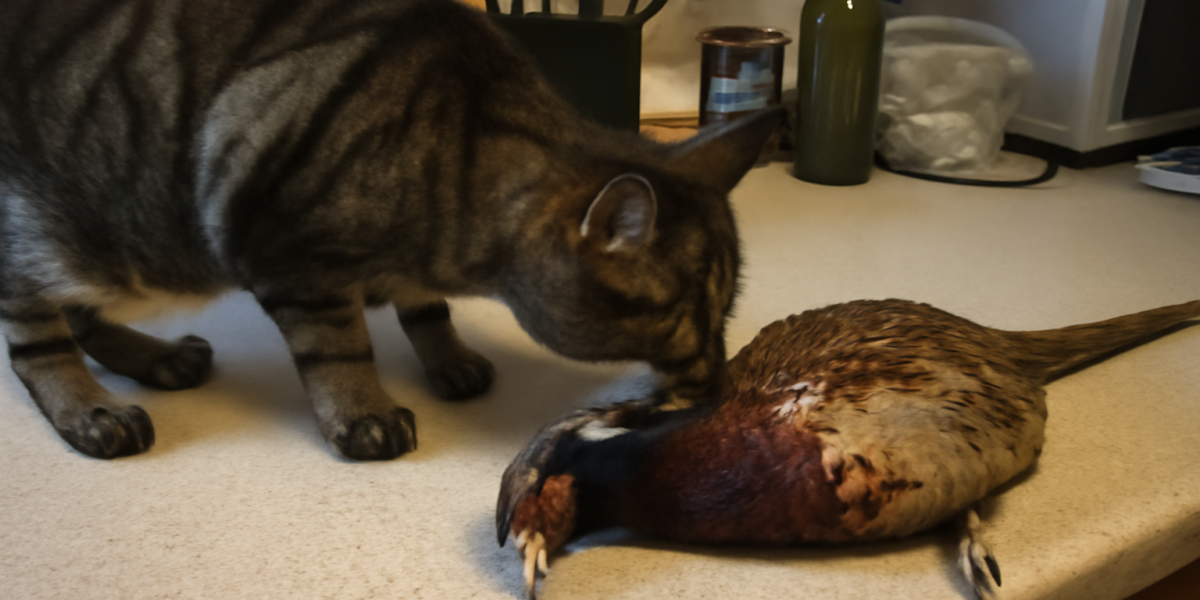
Yes, cats can eat pheasant. Pheasant is a lean, nutrient-rich game bird that provides high-quality protein well-suited to a cat’s carnivorous dietary needs. When cooked properly and served without seasoning, pheasant can be a nutritious treat or a component of a varied feline diet.
Pheasant is less commonly fed to cats than chicken or turkey, which actually works in its favor as a novel protein source. Cats who have developed sensitivities to mainstream poultry proteins may tolerate pheasant well because their immune systems have not been exposed to it previously.
As with all new proteins, introduce pheasant gradually and observe your cat’s response. Proper preparation is particularly important with game birds, which require specific handling to ensure safety. Consult your veterinarian before adding pheasant to your cat’s diet, especially if your cat has existing health conditions.
Nutritional Profile of Pheasant for Cats
Pheasant offers an impressive array of nutrients that support feline health:
High-quality protein. Pheasant breast meat is approximately 24 to 28 percent protein, making it one of the most protein-dense poultry options. This high protein content supports muscle maintenance, immune function, and overall vitality in cats.
Low to moderate fat. Compared to domestic poultry like chicken thighs or duck, pheasant is relatively lean. The breast meat in particular is low in fat, making it suitable for cats who need weight management or those prone to pancreatitis.
Essential amino acids. Pheasant provides all the essential amino acids cats require, including taurine, arginine, and methionine. Taurine is especially critical for cats, as deficiency can lead to heart disease, blindness, and reproductive problems.
B vitamins and minerals. Pheasant is rich in niacin (B3), B6, B12, phosphorus, selenium, and iron. Selenium is a powerful antioxidant that supports immune function, while iron is essential for oxygen transport in the blood.
Omega fatty acids. While not as rich in omega-3s as fish, pheasant contains a favorable ratio of omega-6 to omega-3 fatty acids that contributes to healthy skin and a shiny coat.
How to Prepare Pheasant for Your Cat
Safe preparation is critical when feeding game bird to your cat. Follow these steps:
- Source carefully. Farm-raised pheasant from a reputable butcher or specialty supplier is preferred over wild-caught. Wild pheasant may contain lead shot, parasites, or environmental contaminants.
- Inspect for shot. If using wild-caught pheasant, carefully inspect the meat for lead pellets or fragments. Run your fingers through the meat and consider using a metal detector if available. Even small lead fragments can be toxic to cats.
- Cook thoroughly. Roast, bake, or boil the pheasant to an internal temperature of 165 degrees Fahrenheit. Do not add oil, butter, seasonings, onion, garlic, or any marinades.
- Remove all cooked bones. Cooked poultry bones become brittle and can splinter into sharp fragments that cause choking or perforate the digestive tract. Debone the meat completely before serving.
- Shred or dice the meat. Cut into small pieces appropriate for your cat’s size. Remove the skin, which contains higher levels of fat and may carry residual contaminants in wild-caught birds.
Pheasant can be drier than chicken due to its lower fat content. If your cat finds it unappealing, try adding a small amount of warm water or low-sodium chicken broth (without onion or garlic) to moisten the meat.
Portion Sizes and Feeding Frequency
Pheasant should complement, not replace, your cat’s complete and balanced commercial diet. Single-ingredient meats, no matter how nutritious, do not provide all the vitamins, minerals, and supplements cats need for long-term health.
Recommended serving guidelines:
- As a treat: One to two tablespoons of cooked, boneless pheasant two to three times per week. Treats should account for no more than 10 percent of daily calories.
- As a meal topper: Sprinkle a tablespoon of shredded pheasant over your cat’s regular food to add variety and encourage eating in picky cats.
- In a homemade diet: If pheasant is a primary protein in a home-prepared diet, work with a veterinary nutritionist to ensure the meals are nutritionally complete with appropriate supplementation.
For a first introduction, offer half a teaspoon and wait 24 to 48 hours before giving more. This allows you to monitor for any signs of digestive upset or allergic reaction.
Potential Risks and Precautions
While pheasant is safe for cats when prepared correctly, several risks deserve attention:
Lead contamination. This is the most significant concern with wild-caught pheasant. Lead shot fragments can remain in the meat even after the visible pellets are removed. Lead poisoning in cats causes vomiting, lethargy, seizures, and can be fatal. Use farm-raised pheasant or birds harvested with non-toxic steel shot whenever possible.
Parasites. Wild pheasant can carry internal parasites and coccidia. Thorough cooking eliminates these organisms, but raw feeding of wild game birds is particularly risky. If you practice raw feeding, source from suppliers who test for parasites.
Bacterial contamination. Like all poultry, pheasant can harbor Salmonella and Campylobacter. Proper cooking and food handling hygiene protect both your cat and your family.
Bone hazards. Cooked pheasant bones are dangerous. Even small bones can splinter and cause serious internal injuries. Always debone cooked pheasant completely.
Seasoning toxicity. Pheasant prepared for human consumption often includes wine, herbs, onion, garlic, and other ingredients that are toxic to cats. Only feed your cat plain, unseasoned pheasant cooked separately from your own meal.
Pheasant vs. Other Proteins for Cats
Comparing pheasant to other protein sources helps you make informed choices about your cat’s diet:
- Pheasant vs. chicken: Pheasant is leaner and serves as a novel protein. Chicken is more affordable and easier to source. Both are nutritionally sound choices.
- Pheasant vs. quail: Both are game birds with similar nutritional profiles. Quail is smaller and easier to portion. Pheasant provides more meat per bird. See our guide on quail for cats for details.
- Pheasant vs. rabbit: Rabbit is slightly leaner and is one of the most hypoallergenic proteins available. Both are excellent novel protein choices. Read about rabbit meat for cats.
- Pheasant vs. fish: Fish provides more omega-3 fatty acids, while pheasant offers more iron and B vitamins. Rotating between the two gives your cat the benefits of both.
Protein rotation is a smart feeding strategy that provides nutritional variety, reduces the risk of developing food allergies, and keeps mealtime interesting for your cat. For another novel protein to add to the rotation, consider elk meat for cats.
When to See Your Veterinarian
Contact your vet if your cat shows any adverse reactions after eating pheasant, including:
- Vomiting or diarrhea that persists beyond 24 hours
- Signs of choking, gagging, or difficulty swallowing
- Abdominal pain indicated by hunching, hiding, or vocalizing
- Skin itching, redness, or swelling suggestive of an allergic reaction
- Lethargy, drooling, or tremors that could indicate lead poisoning
If you suspect your cat has ingested lead from wild-caught pheasant, seek veterinary care immediately. Lead poisoning is treatable when caught early but can cause permanent damage if delayed. Your vet can run a blood test to check lead levels.
Before starting any game-meat feeding program, discuss your plans with your veterinarian. They can advise on appropriate proteins based on your cat’s health history and nutritional needs. For more feline nutrition content, visit our cat care blog.
Frequently Asked Questions
Can cats eat pheasant skin?
It is best to remove pheasant skin before feeding it to your cat. The skin is higher in fat and may carry more environmental contaminants than the meat, especially in wild-caught birds. For farm-raised pheasant, small amounts of skin are not harmful but add unnecessary fat.
Is smoked pheasant safe for cats?
No. Smoked pheasant typically contains high levels of sodium and may include preservatives, spices, and flavoring compounds that are unhealthy for cats. Only feed plain, unseasoned cooked pheasant.
Can cats eat pheasant organs?
Yes, pheasant organs like liver and heart are nutritious for cats and provide concentrated vitamins and minerals. However, liver should be fed sparingly because it is very high in vitamin A, which can be toxic in excess. A small amount once or twice a week is sufficient.
Is pheasant good for cats with food allergies?
Pheasant can be an excellent novel protein for cats with food allergies to common proteins like chicken, beef, or fish. It should be introduced as part of a veterinarian-supervised elimination diet to properly identify and manage food allergies.
Can I feed my cat canned pheasant cat food?
If available, commercial pheasant-based cat food that is formulated to be complete and balanced is a convenient option. Look for products that meet AAFCO nutritional standards and list pheasant as the first ingredient. These provide all necessary nutrients without the need for supplementation.


