
Last updated: March 31, 2026
In this article
Can Cats Eat Pumpkin Seeds? What You Need to Know Before Sharing
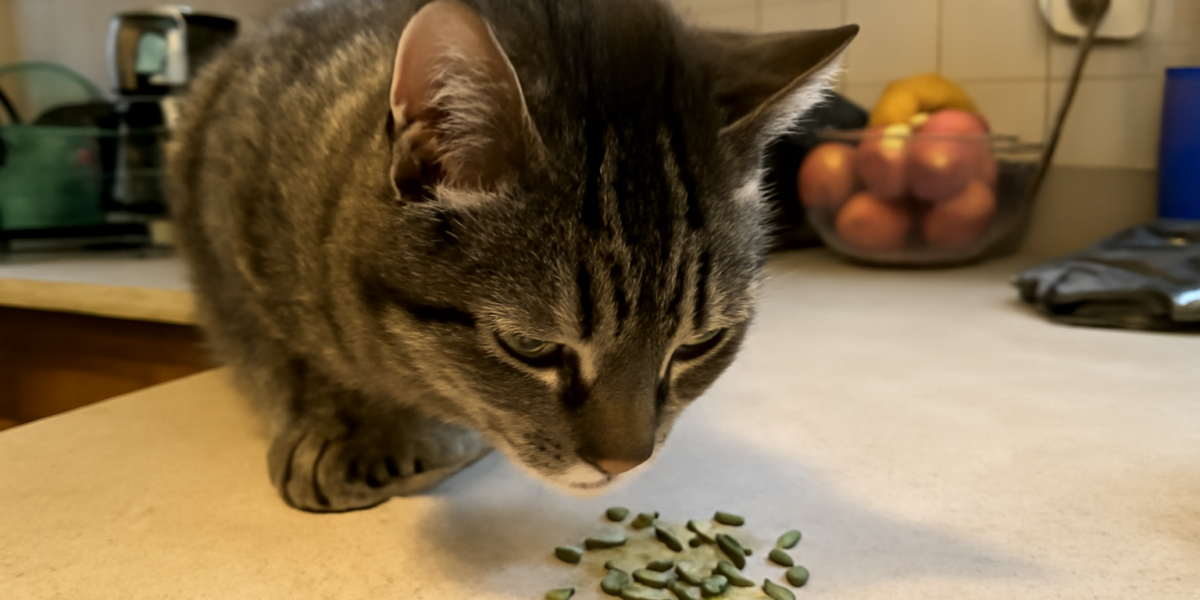
Pumpkin has long been recognized as a beneficial food for pets, but what about pumpkin seeds? If you’ve been scooping seeds out of a pumpkin and your cat has shown interest, you might be wondering whether these crunchy little seeds are safe for feline consumption. The answer is yes, cats can eat pumpkin seeds in small quantities when they are properly prepared. However, the preparation matters significantly, and there are important guidelines to follow to ensure your cat benefits from this treat without any adverse effects.
While pumpkin flesh is well-known for its digestive benefits in cats, pumpkin seeds offer their own unique nutritional profile that can complement your cat’s diet when used as an occasional treat.
Nutritional Profile of Pumpkin Seeds
Pumpkin seeds, also called pepitas, are nutrient-dense little powerhouses. A one-ounce serving of raw pumpkin seeds contains approximately 151 calories, 7 grams of protein, 13 grams of fat (mostly unsaturated), and 5 grams of carbohydrates including 1.7 grams of fiber. They’re also rich in several important minerals and vitamins.
Zinc: Pumpkin seeds are one of the richest plant-based sources of zinc, a mineral that plays a crucial role in immune function, wound healing, and skin health. Cats who receive adequate zinc tend to have healthier coats and skin.
Magnesium: This mineral supports muscle and nerve function, blood sugar regulation, and bone health. Pumpkin seeds provide a significant amount of magnesium per serving.
Iron: Important for oxygen transport in the blood, iron is essential for maintaining energy levels and overall vitality. Pumpkin seeds contain both heme and non-heme iron.
Omega fatty acids: Pumpkin seeds contain omega-3 and omega-6 fatty acids, which support skin and coat health, reduce inflammation, and promote cardiovascular function. For cats with dry or dull coats, the fatty acids in pumpkin seeds can sometimes make a noticeable difference.
Antioxidants: Pumpkin seeds contain several antioxidant compounds, including vitamin E, carotenoids, and phenolic acids. These antioxidants help protect cells from oxidative damage and may support immune function.
Cucurbitin: This amino acid, found uniquely in pumpkin seeds, has been traditionally used as a natural deworming agent. While the scientific evidence for its effectiveness in cats is limited, some holistic veterinarians recommend ground pumpkin seeds as a complementary approach to intestinal parasite management.
How to Prepare Pumpkin Seeds for Cats
The way you prepare pumpkin seeds for your cat is critical. Seeds that are safe for human snacking are often unsuitable for cats. Here’s how to do it right.
Start with raw, unsalted seeds: The ideal pumpkin seeds for cats are raw and completely free of added salt, seasoning, or oil. If you’re harvesting seeds from a fresh pumpkin, rinse them thoroughly to remove all the stringy pulp, then pat them dry.
Roast lightly if desired: While raw seeds are fine, lightly roasting them at 300 degrees Fahrenheit for about 10 to 15 minutes can make them easier to digest and slightly more palatable. Do not add any oil, salt, butter, or seasoning. Let the seeds cool completely before serving.
Grind them up: This is the most important preparation step for cats. Whole pumpkin seeds can be difficult for cats to chew and digest properly, and they pose a mild choking hazard. Grinding the seeds in a coffee grinder, food processor, or mortar and pestle breaks them into small particles that are easy to sprinkle over food and digest. Ground pumpkin seeds also release more of their nutritional content, making the nutrients more bioavailable to your cat.
Remove the shells: If you’re using unhulled pumpkin seeds (seeds with the white outer shell intact), it’s best to remove the shells before grinding. The shells are not toxic, but they’re tough and fibrous and can be difficult for a cat’s digestive system to process. Hulled pumpkin seeds, which are the green inner kernels, are much easier for cats to handle.
Store properly: Ground pumpkin seeds can go rancid due to their fat content. Store them in an airtight container in the refrigerator for up to two weeks, or in the freezer for up to three months. Always smell the seeds before serving; if they have an off or bitter odor, discard them.
Serving Sizes and Frequency
Because cats are small animals with specific dietary needs, pumpkin seeds should be offered in very modest amounts. Remember that cats are obligate carnivores, and plant-based foods should only ever be a tiny supplement to their meat-based diet.
Recommended serving: For an average adult cat weighing 8 to 12 pounds, start with about one-eighth of a teaspoon of ground pumpkin seeds, mixed into their regular food. If your cat tolerates this well over a few days, you can gradually increase to a quarter teaspoon. Maximum recommended serving is about half a teaspoon of ground pumpkin seeds per day for an average-sized cat.
Frequency: Pumpkin seeds should be treated as an occasional supplement, not a daily staple. Offering them two to three times per week is a reasonable frequency. This allows your cat to benefit from the nutrients without overloading their system with excess fat or fiber.
Watch the calories: Pumpkin seeds are calorie-dense due to their fat content. For a cat on a weight management plan, even small amounts add up. A quarter teaspoon of ground pumpkin seeds contains roughly 10 calories, which may not sound like much, but for a cat consuming only 200 calories per day, it represents 5 percent of their daily intake. Adjust your cat’s regular food portion slightly to account for treat calories.
Mix the ground seeds into wet food for the best results. The moisture in wet food helps the ground seeds blend in seamlessly, and most cats won’t even notice they’re there. If your cat eats only dry food, you can sprinkle the ground seeds on top, though some cats may pick around them.
Potential Risks and Precautions
While pumpkin seeds are generally safe for cats, there are several risks and precautions to be aware of.
Choking hazard: Whole pumpkin seeds, especially those with the shell intact, can be a choking hazard for cats. Always grind the seeds before offering them. Never leave a bowl of whole pumpkin seeds where your cat can access them unsupervised.
Digestive upset: Introducing any new food can cause temporary digestive upset in cats. Start with a very small amount and increase gradually. If your cat develops vomiting, diarrhea, or loss of appetite after eating pumpkin seeds, discontinue them and return to their regular diet.
High fat content: While the fats in pumpkin seeds are primarily healthy unsaturated fats, too much fat from any source can cause digestive issues and contribute to weight gain. Cats who are overweight or have a history of pancreatitis should receive pumpkin seeds very sparingly, if at all.
Phosphorus content: Pumpkin seeds are relatively high in phosphorus. Cats with kidney disease need to limit their phosphorus intake, as their compromised kidneys cannot efficiently excrete excess phosphorus. If your cat has been diagnosed with any stage of kidney disease, consult your veterinarian before offering pumpkin seeds.
Allergic reactions: Although seed allergies are uncommon in cats, they can occur. Watch for signs of an allergic reaction including itching, swelling, gastrointestinal upset, or difficulty breathing after introducing pumpkin seeds. If you notice any of these signs, stop offering the seeds and consult your vet. Cats with known food allergies should have any new food introduced cautiously.
Flavored or seasoned seeds: Never give your cat pumpkin seeds that have been salted, sweetened, spiced, or coated with any flavoring. Many packaged pumpkin seeds for human consumption contain garlic powder, onion powder, or excessive salt, all of which are harmful to cats. Similarly, pumpkin seeds coated in chocolate or candy shells are toxic due to the chocolate and sugar content.
Pumpkin Seeds as a Natural Dewormer: Fact or Fiction?
One of the most commonly cited benefits of pumpkin seeds for pets is their supposed ability to eliminate intestinal parasites. This claim is based on the amino acid cucurbitin, which has shown some antiparasitic properties in laboratory studies. Cucurbitin appears to paralyze certain types of worms, potentially allowing them to be expelled from the digestive tract.
However, it’s important to approach this claim with realistic expectations. While there is some scientific basis for cucurbitin’s antiparasitic effects, the research has primarily been conducted in laboratory settings or in livestock, not specifically in cats. The amount of cucurbitin in a cat-safe serving of pumpkin seeds may not be sufficient to have a meaningful effect on a parasitic infection.
Veterinary-prescribed dewormers are far more effective, reliable, and appropriate for treating intestinal parasites in cats. If you suspect your cat has worms, always consult your veterinarian for proper diagnosis and treatment rather than relying on pumpkin seeds as a remedy.
That said, some holistic veterinarians do recommend ground pumpkin seeds as a complementary measure alongside conventional deworming treatments, or as a mild preventive in cats who are at low risk for parasitic infections. If you’re interested in this approach, discuss it with your vet to determine whether it’s appropriate for your cat’s specific situation.
Comparing Pumpkin Seeds to Other Seeds and Nuts for Cats
Not all seeds and nuts are created equal when it comes to feline safety. Here’s how pumpkin seeds compare to some other common options.
Pumpkin seeds are among the safer seed options for cats, alongside sunflower seeds (hulled, unsalted, and ground). Both offer healthy fats and minerals in moderate amounts. Coconut, while technically not a nut, is another food that some cat owners offer in small amounts for its medium-chain fatty acids.
On the other hand, macadamia nuts are toxic to pets and should never be offered. Almonds, walnuts, and pecans are too high in fat and can cause digestive upset or pancreatitis. Chia seeds and flax seeds are generally safe in very small amounts but offer less appeal to cats.
The takeaway is that if you want to offer your cat a seed-based treat, pumpkin seeds are one of the better choices available, provided they’re properly prepared and served in appropriate quantities.
When to Call the Vet
Pumpkin seeds are a low-risk food for most healthy cats, but contact your veterinarian if your cat chokes on a whole pumpkin seed, if your cat shows signs of an allergic reaction after eating pumpkin seeds, if your cat develops persistent vomiting or diarrhea, or if your cat has kidney disease or another chronic condition and you’re unsure whether pumpkin seeds are appropriate. Your vet can provide personalized guidance based on your cat’s health history and dietary needs.
Frequently Asked Questions
Can cats eat pumpkin seed butter?
Plain, unsweetened, unsalted pumpkin seed butter without any additives could be offered in very small amounts, but it’s not the best option. Many commercial pumpkin seed butters contain added salt, sugar, oils, or other ingredients that aren’t appropriate for cats. The sticky consistency can also be unpleasant for cats and may stick to the roof of their mouth. Ground pumpkin seeds mixed into wet food are a simpler and safer choice.
Will pumpkin seeds give my cat diarrhea?
Pumpkin seeds can cause diarrhea if introduced too quickly or if your cat eats too many. The fiber and fat content can be disruptive to a cat’s digestive system, especially in cats who aren’t accustomed to dietary supplements. Start with a tiny amount and increase gradually to minimize the risk of digestive upset. If diarrhea occurs, stop offering pumpkin seeds and allow your cat’s digestive system to return to normal before trying again at a smaller dose.
Are raw or roasted pumpkin seeds better for cats?
Both raw and lightly roasted (unseasoned, no oil) pumpkin seeds are safe for cats. Raw seeds retain slightly more of their natural enzymes and nutrients. Lightly roasted seeds may be marginally easier to digest and grind. The difference is minimal, so either option works well. The most important factor is that the seeds are unsalted, unseasoned, and ground into small particles before serving. Never offer seeds that have been roasted with oil, salt, or any flavoring.


