
Last updated: May 16, 2026
In this article
Quick Answer: Yes, in Small Ground Portions
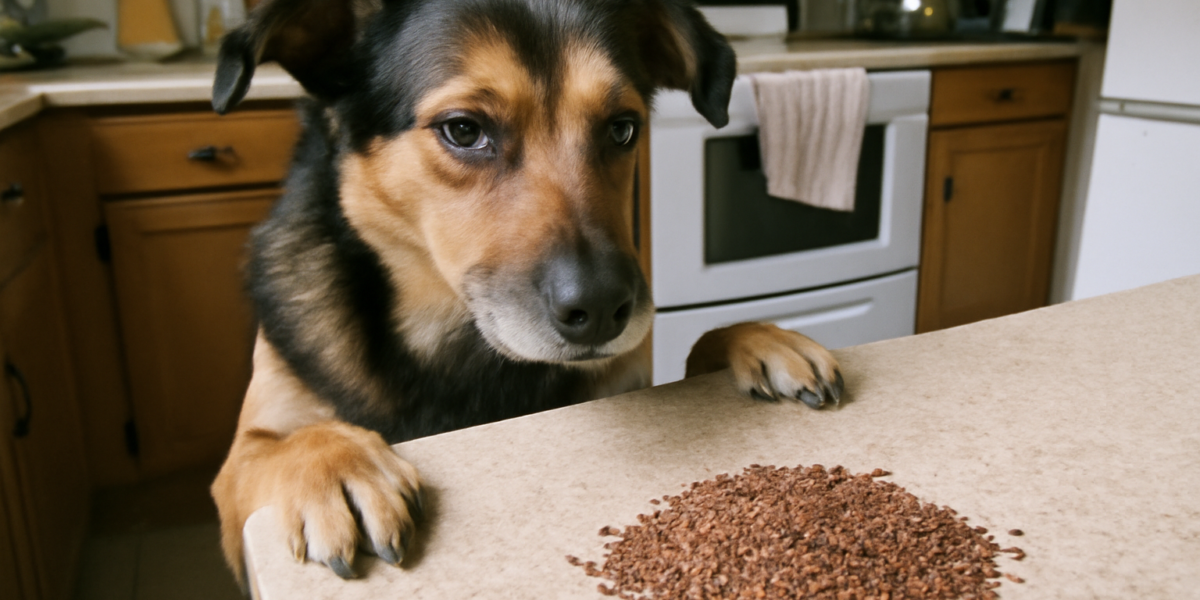
Yes, dogs can eat flax seeds in moderation, and ground flax can offer real nutritional value when used correctly. Flax is one of the richest plant sources of alpha-linolenic acid (ALA), an omega-3 fatty acid, and it is loaded with soluble and insoluble fiber. The catch is that flax seeds need to be ground for absorption, the daily amount must be tiny, and ground flax goes rancid quickly. Used right, flax is a low-risk supplement; used wrong, it just adds fiber that produces loose stool.
The simplest takeaway: a few pinches of freshly ground flax sprinkled over your dog’s regular food is fine for most healthy adult dogs. Whole seeds will mostly pass through undigested, and flax oil should be skipped because of pancreatitis risk in fat-sensitive breeds. This article walks through serving sizes, why grinding matters, who should avoid flax, and how to store it.
What Flax Seeds Bring to a Dog’s Diet
Flax seeds (Linum usitatissimum) come in golden and brown varieties with essentially identical nutrition. Per tablespoon (about 7 grams) of ground flax you get roughly:
- 37 calories
- 1.3 grams of protein
- 3 grams of fat (most of it ALA omega-3)
- 2 grams of fiber
- Trace amounts of magnesium, manganese, thiamin, and copper
- Plant compounds called lignans (more on these below)
The omega-3 content is the headline benefit. ALA is the plant form of omega-3, and dogs convert a small percentage of it into the more active EPA and DHA used by the brain, joints, and skin. Conversion in dogs is inefficient (single-digit percentages), so flax should not replace a marine-source omega-3 like sardine or salmon oil if your vet has prescribed one for joint or skin disease. As a general wellness add-on for healthy dogs, however, ground flax contributes meaningfully.
Lignans are flax’s signature plant compound and are the highest-content lignans of any common food. They have antioxidant and weak phytoestrogenic activity. In healthy adult dogs this is fine; in dogs with hormone-sensitive cancers or reproductive concerns, your vet may prefer you skip flax — ask first.
Why Flax Must Be Ground
Whole flax seeds have a hard, shiny outer hull that is essentially indigestible. Both human and canine digestive tracts pass whole flax seeds through largely intact. You may notice this if your dog steals a bagel topped with whole flax — the seeds reappear in the stool unchanged.
Grinding breaks the hull and exposes the oil and fiber inside. Pre-ground flax meal from the store is convenient, but the moment flax is ground, the omega-3 oils begin to oxidize. Within a few weeks at room temperature, ground flax can develop a noticeable rancid smell — fishy or paint-like. Rancid oils produce free radicals that defeat the antioxidant value you were trying to capture.
The best routine is to buy whole flax seeds and grind a small batch in a coffee grinder or blender as needed, then refrigerate the ground portion in an airtight container for up to a week or freeze it for up to a month. If you prefer pre-ground, choose vacuum-sealed bags from the refrigerated section of the store and check the date.
Safe Serving Sizes by Dog Size
The right amount depends on body weight. As a starting guideline for healthy adult dogs:
- Toy/small dogs (under 20 lb): 1/4 teaspoon ground flax per day
- Medium dogs (20-50 lb): 1/2 teaspoon ground flax per day
- Large dogs (50-90 lb): 1 teaspoon ground flax per day
- Giant dogs (over 90 lb): up to 1.5 teaspoons ground flax per day
Sprinkle the flax over your dog’s regular meal and stir in. If you’re introducing flax for the first time, start at half the recommended amount for a week and watch for stool changes. Too much flax produces loose, mucus-coated stool because of the soluble fiber. If stool softens, scale back.
These amounts assume flax is one of several supplements, not the entire fiber strategy. If your dog already eats a high-fiber kibble or gets pumpkin daily, ease in slowly. Stick to once-daily dosing rather than multiple servings — there is no benefit to spreading it out.
Who Should Skip Flax Seeds
Flax is gentle, but it isn’t right for every dog. Skip or check with your vet first if your dog is:
- Pancreatitis-prone or actively recovering: even the small fat content of flax can be too much during a flare. See our pancreatitis in dogs guide for safer dietary additions.
- On blood thinners: flax has mild antiplatelet activity; combined with prescribed anticoagulants this is worth a vet check.
- Pregnant or nursing: the lignan phytoestrogens are theoretically a concern; many vets recommend avoidance during this window.
- A puppy under 6 months: their nutrition is best kept to a complete and balanced puppy formula without home additions.
- Allergy-prone to seeds: rare but documented; if you see itchy skin or GI signs, drop the flax and discuss with your vet.
- About to have surgery: stop flax for 1-2 weeks before scheduled procedures because of the antiplatelet effect.
Dogs with chronic kidney disease can usually tolerate flax in modest amounts, but ask your vet because phosphorus matters. Dogs with diabetes often benefit from the soluble fiber, which slows glucose spikes — again, coordinate with your vet.
Whole Flax Versus Flax Oil
Many commercial dog supplements use flax oil instead of whole or ground flax. The oil is concentrated ALA omega-3 with the fiber and lignans removed. For most pet parents, ground whole flax is the more forgiving choice because:
- Flax oil is roughly 100% fat — a teaspoon is 4-5 grams of fat, which is enough to trigger pancreatitis in fat-sensitive breeds like Miniature Schnauzers, Yorkies, and overweight dogs.
- Flax oil oxidizes faster than ground flax once opened — a bottle that sits in a cabinet at room temperature for months is likely rancid.
- Flax oil delivers no fiber, which is half the reason to use flax in the first place.
If your dog needs an omega-3 supplement specifically for joints, skin, or coat, marine-source oils (fish or krill) are generally considered superior because they provide pre-formed EPA and DHA without requiring the inefficient ALA conversion. Olive oil is also a culinary fat option in tiny amounts but doesn’t provide omega-3. Flax fits the role of a gentle whole-food fiber-and-omega-3 add-on, not a high-dose therapeutic.
How to Add Flax to Meals
The easiest delivery is a sprinkle on top of breakfast or dinner. A few ideas:
- Sprinkle ground flax over wet kibble — it sticks well.
- Stir into a spoonful of plain yogurt or cottage cheese for a probiotic-and-omega topper. Adjust quantities so dairy stays a small percent of the meal.
- Mix into a homemade meatball with cooked ground turkey for training treats.
- Add to a dog-safe pumpkin puree blend (no spice) for dogs with mild digestive needs.
Avoid flax in baked goods made for humans — granola, multigrain crackers, energy bars. These add sugars, salt, raisins (toxic), or chocolate. Dogs should only get flax from clean sources you control.
Comparing Flax to Other Seeds
Flax sits in a small group of seeds dogs can eat in moderation. Pumpkin seeds are higher in zinc and magnesium and traditionally used for parasite support; they don’t need grinding the way flax does. Hemp seeds are higher in protein and provide a more balanced omega 3:6 ratio than flax. Chia seeds are similar to flax in fiber and ALA but absorb water and form a gel — useful for hydration but easier to overdose by accident.
One non-negotiable contrast: poppy seeds are not safe. They contain opiate alkaloids that can sedate dogs and cause respiratory issues. Don’t substitute poppy seeds for flax, and watch labels for “multi-seed” mixes that might include them.
For a wider view of seeds, nuts, and grains in canine diets, browse our dog care article library.
Storage and Shelf Life
Whole flax seeds in a sealed container at room temperature stay fresh for up to a year. Once ground, treat ground flax like a perishable food:
- Refrigerator: ground flax stays fresh for about 1-2 weeks in an airtight container.
- Freezer: ground flax keeps quality for about 1-3 months frozen.
- Room temperature, opened: ground flax is fine for a few days but starts to degrade within a couple of weeks.
Smell is the best test. Fresh ground flax has a mild, nutty, slightly grassy aroma. Rancid flax smells fishy, painty, or sharp. If in doubt, throw it out — feeding rancid oils to a dog defeats the antioxidant point and can contribute to GI upset.
Frequently Asked Questions
How long does it take to see benefits from flax in a dog’s diet?
Skin and coat improvements from omega-3 sources usually show up over 4-8 weeks of consistent feeding. You may notice less dandruff, a shinier coat, and reduced flakiness. Don’t expect dramatic changes in a week — flax is a slow-and-steady addition.
Can dogs eat flaxseed bread or crackers?
Plain whole-grain bread with flax topping is generally not harmful, but the bread itself is empty calories for dogs and may contain salt, sugar, or seasonings. Stick to the ground seed itself rather than baked products marketed to humans. Skip anything with raisins, chocolate, garlic, or onion in the ingredient list.
Is flax safe for puppies?
Wait until your puppy is on adult food, around 12 months for most breeds (or 18-24 months for giant breeds). Puppies need a tightly balanced calcium/phosphorus and fat profile, and adding flax can throw that off. Once your dog is on adult maintenance food, you can introduce flax with the size-appropriate dose above.
Can I give flax every day?
Yes, daily feeding is fine for most healthy adult dogs at the listed amounts. Some owners cycle on for a month and off for a week, but there is no strong evidence cycling is necessary. Consistent daily small doses are easier to manage and produce steadier results than occasional large servings.
What if my dog accidentally ate a bag of whole flax seeds?
Whole flax has very low toxicity. The risk is GI upset (diarrhea, gas) and possible obstruction in very small dogs if a large quantity gels in the intestines. Call your vet or the Pet Poison Helpline at 855-764-7661 with your dog’s weight and the amount eaten. Most cases just need monitoring and increased water intake.
Does flax help with anal gland issues?
The fiber in ground flax can firm up stool, which helps express anal glands naturally during defecation. This is not a guaranteed fix — chronic anal gland issues need a vet workup — but adding modest fiber from flax or pumpkin is a reasonable supportive step.


