
Last updated: May 16, 2026
In this article
- Quick Answer: No, Poppy Seeds Are Not Safe
- Why Poppy Seeds Are a Problem for Dogs
- Symptoms of Poppy Seed Toxicity in Dogs
- What to Do If Your Dog Ate Poppy Seeds
- How Common Are These Cases?
- Drug Test Implications
- Safer Seeds for Dogs
- What Foods Commonly Contain Poppy Seeds
- How Poppy Seeds Compare to Other Toxic Foods
- Why Variability Makes Dosing Tricky
- Garden Poppies and Outdoor Risk
- Frequently Asked Questions
Quick Answer: No, Poppy Seeds Are Not Safe
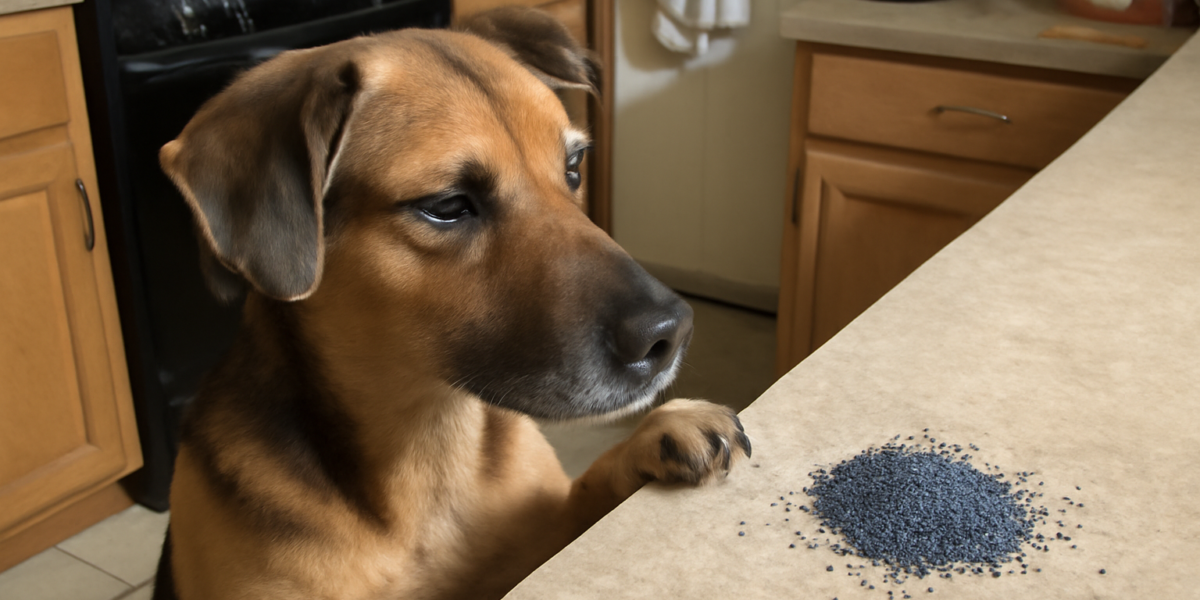
No, dogs should not eat poppy seeds. Poppy seeds come from Papaver somniferum, the same plant that produces opium, and they retain trace amounts of morphine, codeine, and other opiate alkaloids depending on how the seeds were processed. Even at low levels, these compounds can cause sedation, ataxia (wobbly gait), pinpoint pupils, and slowed breathing in dogs. There is no safe serving size, and bagels, muffins, lemon-poppy bread, and seed blends that contain poppy should be kept out of reach.
If your dog ate something with poppy seeds in it, this article walks you through symptoms, the timeline, and what to do. The simple summary: call the Pet Poison Helpline at 855-764-7661 the moment you realize the exposure happened, and watch closely over the next several hours.
Why Poppy Seeds Are a Problem for Dogs
Poppy seeds harvested from the opium poppy contain residual opiate alkaloids — primarily morphine and codeine — that come from the latex of the unripe seed pod. Even after washing and drying, commercial poppy seeds carry detectable opiates. Levels vary widely depending on origin, washing process, and whether the seeds were unwashed (more potent) or steam-treated. This is why drug-test positive results have been documented in humans who ate poppy-seed bagels: the alkaloids are real and bioavailable.
Dogs are more sensitive to opiates than humans on a per-kilogram basis. The same level of morphine that a person wouldn’t notice can sedate a 20-pound dog. There is no clean published “lethal dose” of poppy seeds for dogs because the alkaloid content of seeds is variable and individual dog sensitivity differs, but reported cases include sedation, ataxia, and respiratory depression after ingesting poppy-containing baked goods.
The other dimension is opioid pharmacokinetics. The effects can be delayed, last longer than the dog’s mealtime, and rebound as opiates redistribute. A dog who seems “just sleepy” 90 minutes post-ingestion can become more impaired 4-6 hours later. This is why simple home observation isn’t enough.
Symptoms of Poppy Seed Toxicity in Dogs
Symptoms typically begin 1 to 4 hours after ingestion and can persist for 12 to 24 hours depending on dose and the dog’s metabolism. Watch for:
- Sedation: a normally active dog becomes unusually drowsy, hard to rouse
- Ataxia: wobbly walking, stumbling, falling sideways
- Miosis: pinpoint pupils that don’t dilate normally in dim light
- Slowed breathing: respiratory rate dropping below 10 breaths per minute is a red flag
- Lowered heart rate: bradycardia in larger doses
- Gastrointestinal upset: occasional vomiting or diarrhea
- Hypothermia: lower body temperature; dog feels cool to the touch and seeks heat
- Constipation: opiates slow gut motility — may show up the next day
- Coma or unresponsiveness in severe cases
The classic triad — sedation, miosis, and slowed breathing — is highly suggestive of an opioid effect even before lab tests. Some dogs paradoxically react with restlessness or vocalization rather than sedation, especially small breeds, so don’t rule out exposure just because your dog isn’t sleepy.
If you see slowed breathing or unresponsiveness, this is a medical emergency. Drive to the closest 24-hour vet rather than calling first. Naloxone (the opioid reversal drug used in human overdoses) is also effective in dogs and is stocked at most ER vet clinics.
What to Do If Your Dog Ate Poppy Seeds
Move quickly even if your dog seems fine. The window for effective decontamination is short.
- Call Pet Poison Helpline at 855-764-7661 or ASPCA Animal Poison Control at 888-426-4435. Both are 24/7 with a fee, and both can give a written case number to share with your vet.
- Have ready: your dog’s weight, the food source (poppy-seed bagel, muffin, lemon-poppy loaf, raw seeds from baking), the estimated quantity, and the time of ingestion.
- Do not induce vomiting at home unless instructed. Hydrogen peroxide dosing has documented complications, and dogs already showing sedation should not be made to vomit (aspiration risk).
- If the toxicologist says to head to a clinic, go directly — don’t wait for symptoms.
- Keep the wrapper or recipe so the vet can estimate the seed quantity.
At the clinic, treatment may include induced vomiting (if early enough and the dog is alert), activated charcoal, IV fluids, monitoring of respiratory rate and body temperature, and naloxone reversal if breathing slows. Most healthy adult dogs recover within 12-24 hours with supportive care.
How Common Are These Cases?
Poppy-seed toxicity is uncommon but underreported because owners don’t always make the connection. The most frequent exposures are:
- Dogs stealing poppy-seed bagels off the counter or breakfast table
- Lemon-poppy muffins or pound cakes left within reach
- Spilled raw poppy seeds during baking
- Ornamental poppy plants chewed in gardens (different alkaloid profile, often more concentrated)
- Tea or “poppy seed pod” preparations sometimes used for human pain or sleep — these are far more dangerous than seeds and are an emergency
Garden-grown poppy plants (especially the seed pods and milky latex) are significantly more concentrated than dried culinary seeds. If your dog chews on a poppy plant in the yard or eats fallen seed pods, treat that as a higher-acuity exposure than a bagel and head to the vet without delay.
Drug Test Implications
Some kennel facilities, training programs, or working-dog programs perform routine drug screening. A dog who recently ate poppy seeds (especially in larger quantities like a whole muffin) can show a positive opiate result on standard urine immunoassays. This isn’t a sign of harm by itself, but it’s worth knowing if your dog is in a working program. Mention any poppy-seed exposure to your vet ahead of time.
Safer Seeds for Dogs
If you’ve been adding seed mixes to your dog’s food and want a clean substitution, several seeds are well-tolerated in moderation:
- Flax seeds (ground only) — high in ALA omega-3 and fiber
- Pumpkin seeds — rich in zinc, magnesium, and traditionally used for gentle parasite support
- Hemp seeds — balanced omega 3:6 ratio and complete plant protein
- Chia seeds — similar to flax in fiber and ALA, no grinding needed
Avoid sesame seeds in large quantities (high fat), and never give cherry pits, apple seeds, or any stone fruit pits — they contain cyanogenic compounds. Multi-seed bagels and “everything” toppings often combine sesame, poppy, garlic, and onion — all of which give you reasons to keep the food away from dogs. Read the ingredient label every time.
What Foods Commonly Contain Poppy Seeds
Poppy seeds show up in more foods than most owners realize. The main culprits in US and UK kitchens:
- Poppy-seed bagels and “everything” bagels
- Lemon-poppy muffins, pound cakes, scones, and tea breads
- Eastern European pastries: kolaches, makowiec (Polish poppy roll), strudel
- Indian breads and curries occasionally use khus khus (white poppy seeds)
- Salad dressings (some creamy poppy-seed dressings have whole seeds)
- Crackers and multi-seed flatbreads
- Bird seed mixes (kept away from chewing dogs)
- Specialty teas marketed for sleep or pain (rare, but exposures have occurred)
If you bake at home, store raw poppy seeds in a high cabinet, sweep up spills immediately, and keep finished baked goods covered. A surprising number of exposures happen during weekend baking when seeds spill on the floor and dogs lick them up before owners notice.
How Poppy Seeds Compare to Other Toxic Foods
Poppy seeds sit in the middle range of canine food risks: not as immediately dangerous as chocolate or grapes, but considerably more dangerous than something like a stray crouton. The closest analogy is alcohol or sedative medications — central nervous system depressants where dose, body weight, and individual sensitivity all matter. Treat poppy-seed exposure as a “call now, don’t wait” event.
For other allium and toxic-food related concerns, our guides on onions and garlic cover similar dose-dependent toxicity scenarios. Browse the full dog care library for more food-safety guides.
Why Variability Makes Dosing Tricky
One reason poppy-seed exposures are hard to triage by phone is the wide variability in alkaloid content. Levels depend on:
- The poppy variety grown (some cultivars have far more alkaloids than others)
- The country of origin (regulations on washing and processing differ)
- Whether the seeds were washed, steamed, or left untreated before sale
- How long ago the seeds were harvested (alkaloid content can change with storage)
- Whether the seeds came from culinary cultivars or were grown for opium production
The same brand of bagel can vary batch-to-batch in opiate content. This is why veterinarians take all poppy-seed exposures seriously rather than relying on a quick chart lookup. The toxicology hotlines maintain databases of reported cases and adjust their recommendations based on the available data, which is more reliable than online estimates.
This same variability is why “my dog has eaten poppy-seed bagels before with no problem” isn’t a useful guide. The next exposure could be from a more potent batch, especially with imported or specialty bakery products.
Garden Poppies and Outdoor Risk
If you have a garden, take inventory of any poppy plants. Common types and their relative concern:
- Opium poppy (Papaver somniferum): highest alkaloid content, including in the seed pods and stems; concerning at any chewed dose
- Oriental poppy (Papaver orientale): contains different alkaloids (oripavine), still concerning
- California poppy (Eschscholzia californica): a different botanical genus; lower-risk but still mildly sedating
- Iceland poppy (Papaver nudicaule): contains some toxic alkaloids; moderate concern
If you grow any Papaver species, fence the area or keep the dog off it. Dried seed pods that fall in autumn are particularly concerning because they’re easy to swallow whole and contain concentrated alkaloid residue. Sweep up dropped pods and dispose in a sealed bag.
Frequently Asked Questions
My dog ate one poppy-seed bagel. Will he die?
The vast majority of dogs survive a single poppy-seed bagel exposure. Smaller dogs (under 20 lb) and dogs eating multiple servings face higher risk of sedation and respiratory depression. Call the Pet Poison Helpline immediately with your dog’s weight and the brand of bagel — most cases need vet monitoring rather than aggressive intervention, but the call is non-negotiable.
How long until poppy seeds leave a dog’s system?
Most dogs metabolize the alkaloids within 24-48 hours. Lab tests can detect trace opiates for several days afterward. Symptoms typically resolve within 12-24 hours with supportive care; a dog who is still sedated past 24 hours needs a recheck.
Are poppy seeds in bird seed dangerous if my dog eats it?
Most commercial wild bird mixes use white millet, sunflower, and other safer seeds rather than poppy. Some specialty mixes may include poppy seeds. If your dog raids a bird feeder, check the label and call poison control with the brand and quantity eaten.
What about cooked or baked poppy seeds in pastry?
Heat does not destroy the opiate alkaloids meaningfully. A baked poppy-seed muffin retains most of the alkaloid content of the raw seeds. Treat baked goods as equivalent to raw seeds for risk purposes.
Is the lemon in lemon-poppy muffins also a problem?
Lemon zest in small amounts is more of a GI irritant than a toxin in dogs, but combined with poppy seeds, butter, sugar, and possibly raisins or alcohol-based glazes, the muffin as a whole is not dog food. Call poison control as you would for any poppy-seed exposure.
Can I give my dog naloxone at home if symptoms appear?
No. Naloxone (Narcan) for opiate reversal is a vet-administered or vet-guided intervention. Dosing depends on weight and concurrent symptoms, and reversal can be incomplete or short-lived, requiring observation. Don’t try at-home reversal — head to the ER vet.


