
Last updated: May 4, 2026
In this article
Quick Answer: Is Green Tripe Safe for Dogs?
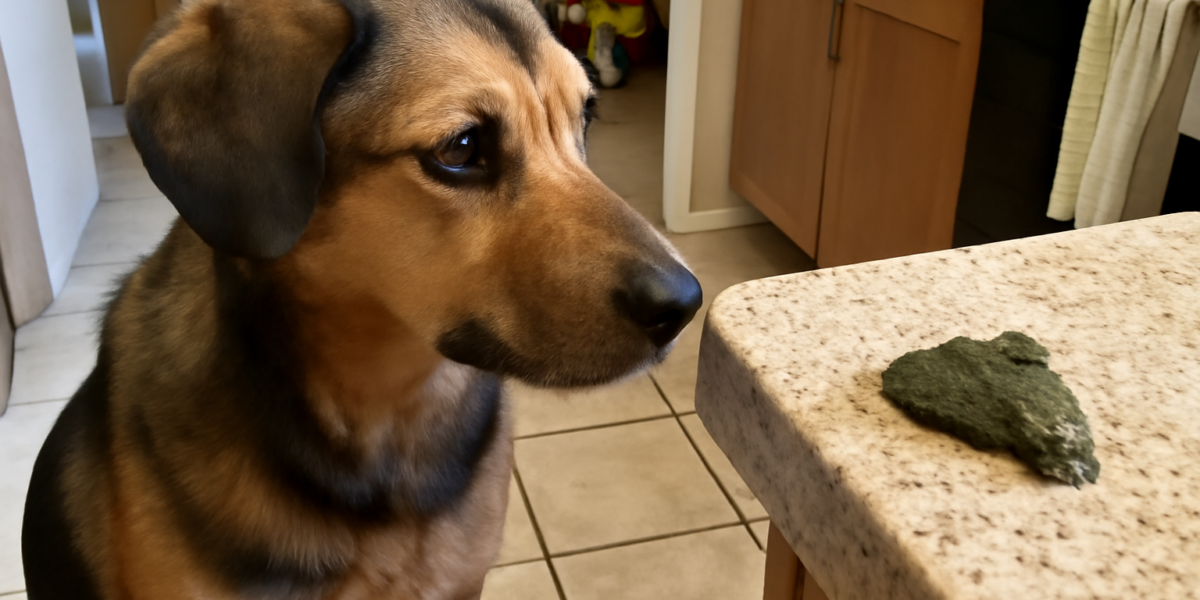
Yes, dogs can eat green tripe, with proper sourcing being the critical caveat. Green tripe is the raw, unprocessed stomach lining of ruminant animals (cows, sheep, or goats), and it bears almost no resemblance to the white tripe sold for human consumption in supermarkets. Green tripe retains the digestive enzymes, beneficial bacteria, and partially digested plant matter that the animal had been consuming, and many raw-feeding advocates consider it one of the most nutritionally valuable additions to a canine diet. The strong odor (often described as barnyard, pungent, or worse) is a feature, not a bug; dogs love it.
The honesty bit: not every veterinarian is enthusiastic about green tripe. The Salmonella and E. coli risk in any raw meat product is real, and bleached white tripe (the kind sold in human grocery stores) lacks the enzymatic and microbial benefits that make green tripe interesting in the first place. If you decide to add green tripe to your dog’s diet, source from a reputable BARF-style supplier with parasitic and bacterial testing protocols, freeze the product for at least twenty-one days at minus four degrees Fahrenheit before feeding to reduce parasitic risk, and discuss the addition with your veterinarian, particularly for immunocompromised dogs, very young puppies, or senior dogs with chronic conditions.
Nutritional Profile of Green Tripe
Green tripe is a nutritionally complex food because it contains both the stomach tissue itself and whatever the animal was digesting at the time of slaughter. The protein content is moderate, around fifteen to twenty grams per three-ounce serving, with a fat content that varies between five and fifteen percent depending on how thoroughly the tripe has been trimmed. The carbohydrate fraction is essentially nil, but the fiber-like material from partially digested plant matter contributes to digestive support.
The standout nutritional features are the digestive enzymes (still active in unprocessed green tripe), the beneficial bacteria (Lactobacillus and other species native to the rumen), and the omega-3 to omega-6 fatty acid ratio, which is generally favorable. Green tripe is also a moderate source of manganese, selenium, zinc, and B vitamins, particularly B12.
White tripe, by contrast, has been bleached, scalded, and processed for human consumption. The cleaning process removes the digestive enzymes, kills the beneficial bacteria, and strips much of the nutritional interest. White tripe is essentially flavorless connective tissue with limited nutritional benefit for dogs, though it is also less risky from a bacterial standpoint. Compared to goat tripe, beef green tripe is more widely available and similar in nutritional profile.
Benefits for Dogs
The probiotic benefit is the headline draw. Green tripe contains naturally occurring beneficial bacteria that may support gut microbiome diversity. While research on canine probiotics specific to green tripe is limited, anecdotal reports from raw feeders suggest improvements in stool quality, coat condition, and general digestive comfort. Dogs with mild loose stools or occasional digestive upset sometimes show meaningful improvement after green tripe is added to the rotation.
The digestive enzyme content is another claimed benefit. Lipase, amylase, and protease enzymes from the rumen environment are active in unprocessed green tripe and may support nutrient breakdown and absorption. Senior dogs with declining digestive efficiency are sometimes given green tripe specifically for this reason, though again, the formal research base is thin.
The omega-3 content from grass-fed ruminants is favorable for skin, coat, and joint health. The amino acid profile is complete and supports muscle maintenance. The strong palatability makes green tripe useful for dogs with declining appetites, dogs recovering from illness, or picky eaters who turn their noses up at other proteins. For dogs with chronic digestive issues, our inflammatory bowel disease in dogs guide covers when dietary additions like green tripe should be discussed with a vet.
Risks and Concerns
Bacterial contamination is the most-cited concern. Salmonella, E. coli, and Listeria can all be present in raw tripe, and these bacteria pose risks to both dogs and humans handling the product. Most healthy adult dogs have a robust enough digestive system to handle low-level bacterial exposure, but immunocompromised dogs, very young puppies, and senior dogs with chronic conditions are more vulnerable. Households with immunocompromised humans should also weigh the cross-contamination risk seriously.
Parasitic risk is the second concern. Ruminant stomachs can carry parasites including various tapeworm and fluke species. Reputable BARF-style suppliers freeze their product for at least twenty-one days at minus four degrees Fahrenheit before sale, which kills most parasitic threats. If you source green tripe from a smaller farm or unconventional supplier, ensure the freezing protocol is in place before feeding.
The strong odor is a quality-of-life concern that some dog owners underestimate. Green tripe smells unmistakably like a cow’s digestive system. Many people find the odor genuinely unpleasant, and feeding green tripe indoors can leave a lingering smell. Most raw feeders portion green tripe into single-serving freezer bags and feed it outside or on a wipeable surface.
Veterinary guidance varies. Some vets cautiously support green tripe as an occasional digestive aid, while others remain concerned about bacterial risk and consider the benefits unproven. Bring up the topic at a routine visit rather than at an urgent one, and be prepared for a range of opinions.
Safe Serving Size for Dogs
Green tripe should be an occasional addition rather than a daily staple. Following the ten-percent rule for treats and additions, small breeds under twenty pounds can have one to two ounces of green tripe. Medium-sized dogs in the twenty to fifty pound range can have two to three ounces. Large breeds over fifty pounds can handle three to four ounces. These are weekly portions, distributed across two or three feedings if desired.
If green tripe is new to your dog, start with a small portion (a half-ounce for a medium-sized dog) and watch for digestive response over twenty-four hours. Most dogs handle green tripe well, but loose stools or digestive upset can occur during the introduction. The probiotic benefit, if it occurs, develops over weeks of consistent use rather than from a single feeding.
Preparation: Cooked vs Raw
Green tripe is fed raw by definition. Cooking destroys the digestive enzymes, kills the beneficial bacteria, and turns the product into something closer to white tripe. If you cook green tripe, you eliminate the very features that make it nutritionally interesting. If raw feeding is not a comfortable choice for your household, green tripe may not be the right fit.
Source from a reputable BARF-style supplier (commercial pet-food suppliers, raw co-ops, or specialty retailers). Look for products that have been frozen for at least twenty-one days at minus four degrees Fahrenheit to reduce parasitic risk. Check for testing certifications related to bacterial load. Avoid any product that does not clearly identify the source animal and the freezing history.
Thaw frozen green tripe in the refrigerator overnight, never on the counter. Use within twenty-four to forty-eight hours of thawing. Wash all surfaces, utensils, and your hands thoroughly after handling raw tripe. Many raw feeders use dedicated cutting boards and storage containers for raw products to reduce cross-contamination risk.
Symptoms of Trouble After Eating Green Tripe
Most dogs handle green tripe well, particularly after a gradual introduction. Trouble, when it occurs, is usually digestive: vomiting, diarrhea, soft stools, or excessive gas. These symptoms typically appear within twelve to forty-eight hours of feeding and usually resolve within a day or two if you stop feeding green tripe and provide bland support food.
More serious symptoms suggesting bacterial infection include persistent vomiting, severe diarrhea (sometimes bloody), fever, lethargy, refusal to eat or drink, and dehydration. These signs warrant veterinary attention. Salmonella infections in dogs can be self-limiting in healthy adults but more serious in puppies, seniors, and immunocompromised dogs.
When to Call the Vet
Call your veterinarian if vomiting persists beyond a single episode, if diarrhea continues for more than forty-eight hours, or if you see blood in the stool. Call urgently if your dog refuses water, shows signs of dehydration, or develops fever and lethargy. These symptoms could indicate a Salmonella or E. coli infection that requires veterinary treatment.
Tell your vet that your dog has been eating raw green tripe; this changes the differential diagnosis and influences testing recommendations. If you have an immunocompromised dog or human in the household, mention it; your vet may run additional cultures. Our inflammatory bowel disease in dogs guide covers chronic digestive concerns where green tripe might intersect with broader treatment plans.
Better Alternatives
If raw feeding is not a fit for your household, several cooked alternatives offer some of the same benefits without the bacterial risk. Bone broth powder made specifically for pets supports digestive lining health. Plain unsweetened yogurt in tiny amounts provides some probiotic benefit. Kefir, when sourced as plain unsweetened, offers a wider range of probiotic strains.
For other organ-meat options, chicken livers in small portions cover B vitamins and iron without raw-feeding logistics. Beef heart is lean and provides taurine. Goat tripe is a slightly less common alternative with similar nutritional benefits.
Sibling reading on uncommon cuts: our beef tongue safety guide covers another organ option, and our sweetbreads safety guide covers thymus and pancreas glands. Adopters considering breeds with sensitive digestion can find breed-specific care info on the adopt a dog resource hub.
Frequently Asked Questions
What is the difference between green tripe and white tripe?
Green tripe is raw, unprocessed stomach lining that retains digestive enzymes and beneficial bacteria. White tripe has been bleached, scalded, and processed for human consumption, which removes most of the nutritional interest for dogs.
Why does green tripe smell so bad?
The odor comes from the partially digested plant material and the natural bacteria of the rumen. The smell is genuinely strong; dogs love it, but most humans find it unpleasant.
Can I cook green tripe?
You can, but cooking destroys the enzymes and beneficial bacteria, which are the main reasons people feed green tripe in the first place. If you prefer cooked food, other organ meats may be a better choice.
Is green tripe safe for puppies?
Use caution. Puppies have less robust immune systems than adults, and bacterial risk is higher. Most veterinarians recommend waiting until at least six months of age before introducing raw green tripe, and only after discussion with the vet.
How often can dogs eat green tripe?
Once or twice a week is a reasonable cadence for most adult dogs. Daily green tripe is not necessary to capture the benefits, and rotation through other organ meats is healthier overall.


