Last updated: May 6, 2026
In this article
- Why Some Cats Actually Enjoy Getting Wet
- The Turkish Van: The Original Swimming Cat
- The Turkish Angora and the Van Kedisi
- The Bengal: Wild Heritage, Wild Love of Water
- Maine Coons and Norwegian Forest Cats
- Other Breeds With a Soft Spot for Water
- How to Safely Introduce Your Cat to Water
- Frequently Asked Questions
Why Some Cats Actually Enjoy Getting Wet
Ask most people about cats and water, and they will tell you the two do not mix. Anyone who has tried to bathe a typical housecat knows exactly why that reputation sticks. But there are several cat breeds that love water, and for them, a dripping faucet, a full bathtub, or even a backyard kiddie pool is an invitation to play rather than a threat to flee from.
The reasons behind this affinity vary by breed. Some descend from wild or semi-wild cats that fished for food. Others carry coats that repel water instead of absorbing it, which makes getting wet feel less alarming. A few simply evolved in hot climates where cooling off in a stream was a sensible survival strategy. Whatever the origin, these breeds challenge the stereotype and can make surprisingly playful, engaging companions for owners who embrace their quirks.
Before you rush out to find a water-loving cat, remember that individual personality always matters more than breed tendencies. A Turkish Van from a line of show cats raised indoors may have no interest in swimming at all, while a random rescue tabby might happily splash in the sink. If you are drawn to a specific breed’s traits, check with breed-specific rescues through your local cat adoption hub to find one looking for a home.
The Turkish Van: The Original Swimming Cat
No list of water-loving cats is complete without the Turkish Van. This ancient breed from the Lake Van region of eastern Turkey earned the nickname “the swimming cat” because local folklore describes these cats wading into the lake to cool off during brutal summers. Their semi-long, cashmere-soft coat lacks a dense undercoat, which means it dries quickly and does not become waterlogged the way most long-haired breeds do.
Turkish Vans are large, muscular cats with distinctive chalk-white bodies and colored markings limited to the head and tail, a pattern known as “van.” They are athletic, intelligent, and famously energetic well into adulthood. Expect them to paddle at water bowls, join you in the shower, and investigate every puddle they encounter. They also tend to bond intensely with one or two people, earning them another nickname: “the dog cat.”
Prospective Turkish Van owners should know that this breed is rare, and adoption through a shelter is uncommon. If you are specifically drawn to the breed, be patient and check with breed-specific rescue groups rather than expecting to find one at a municipal shelter.
The Turkish Angora and the Van Kedisi
Often confused with the Turkish Van, the Turkish Angora is a separate ancient breed from central Turkey. While Angoras are less famous for swimming than their eastern cousins, many individuals share a genuine curiosity about water. They will paw at running faucets, dip toys into their water bowls, and occasionally wade into shallow tubs. Their silky single coat makes them tolerate dampness better than most long-haired breeds.
Angoras are graceful, ballerina-like cats with pointed faces and plumed tails. They are social, mischievous, and deeply attached to their humans. If you want a breed that combines elegance with playful water antics, the Turkish Angora is worth considering. Like the Van, true pedigreed Angoras are rare outside Turkey, but cats with similar traits do turn up in shelters regularly.
The Bengal: Wild Heritage, Wild Love of Water
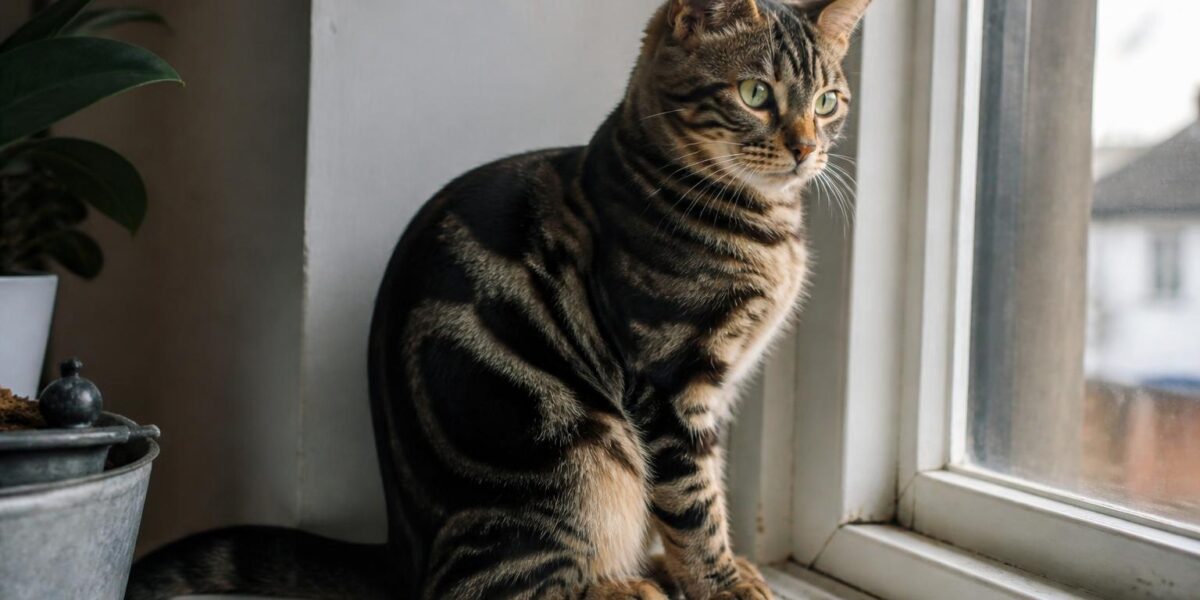
Bengals are the result of crossing domestic cats with the Asian leopard cat, a small wild species native to South and Southeast Asia. That wild ancestor is a skilled swimmer and fisher, and modern Bengals often inherit the trait. Many Bengal owners report that their cats hop into the shower, dunk their toys in the water bowl, or splash in any container left unattended.
This is a high-energy, intensely intelligent breed that needs far more stimulation than the average housecat. A bored Bengal becomes a destructive Bengal, and water play can actually help burn off some of that restless energy. Puzzle feeders, tall cat trees, and supervised fountain access all help keep them satisfied. If you are curious about the broader care needs, our Bengal cat care guide walks through diet, enrichment, and exercise in detail.
Bengals are not for everyone. They can be demanding, vocal, and destructive if their needs go unmet. But for active households willing to engage with them, they are extraordinary companions.
Maine Coons and Norwegian Forest Cats
The largest domestic cat breeds also happen to have a notable affinity for water. Maine Coons, America’s native long-haired breed, developed water-resistant, shaggy coats to survive harsh New England winters. Many individuals enjoy dipping paws into bowls, watching rain, or even joining their owners in the tub. Their calm, dog-like personalities make them patient with bath time in a way few other breeds are.
Norwegian Forest Cats share a similar history. Their thick double coats evolved to handle Scandinavian snow and rain, and many Wegies enjoy water play. Both breeds are gentle, intelligent, and slow to mature, taking up to four years to reach full size. If you are considering one of these giants, review our Maine Coon grooming guide first, as their coats require consistent upkeep to prevent mats, especially if they frequently get wet.
Other Breeds With a Soft Spot for Water
Several other breeds show up regularly in conversations about water-loving cats. Here are a few worth knowing:
- Abyssinian: Highly curious and playful, Abys often fascinate themselves with dripping faucets and running water.
- Savannah: Like the Bengal, Savannahs are hybrids with a wild ancestor (the serval) that loves water. They are large, athletic, and demanding.
- American Bobtail: Laid-back and dog-like, many Bobtails tolerate or enjoy baths without protest.
- Manx: The tailless breed from the Isle of Man reportedly developed a tolerance for water from life aboard ships.
- Japanese Bobtail: Playful and agile, these cats frequently dip toys into water and splash for fun.
Remember that breed tendencies are averages, not guarantees. If you adopt one of these breeds expecting an enthusiastic swimmer, you may still end up with a cat who hates baths. The opposite is also true: many mixed-breed shelter cats happily play with water despite having none of these ancestries.
How to Safely Introduce Your Cat to Water
If you have a cat who seems curious about water, you can encourage that interest safely with a few ground rules. Never force a cat into water, even a breed known for swimming. Start small with shallow dishes, a dripping faucet, or a damp washcloth. Let the cat approach on their own terms and reward calm exploration with treats or praise.
For bathing, use lukewarm water that matches your cat’s body temperature. Place a rubber mat in the tub or sink so they do not slip, and keep water levels low, no higher than their chest. Use a cat-safe shampoo, rinse thoroughly, and wrap them in a warm towel immediately afterward. Never leave any cat unattended near a full tub, pool, or open toilet, as even breeds that enjoy water can drown if they panic or get exhausted.
If your cat ever shows signs of distress around water, back off and try again another day. Stress from forced bathing can damage the trust you have built with your cat, and for most indoor cats, baths are rarely necessary anyway.
Frequently Asked Questions
Do all Turkish Van cats actually swim?
No. While the breed is famous for swimming, individual temperament varies widely. Turkish Vans raised indoors without exposure to water may show little interest, though most will still play with dripping faucets and shallow dishes.
Can I teach a regular housecat to like water?
Sometimes. Kittens exposed to water gently and positively during their socialization window (roughly 2 to 9 weeks) are more likely to accept it as adults. Adult cats with no prior exposure are much harder to win over.
Are water-loving cats safe around swimming pools?
Not automatically. Even cats who love water can drown in pools because they cannot climb out of the steep sides. Always supervise any cat near a pool and provide an easy exit ramp if you plan to let them swim.
Do water-loving cat breeds need more frequent baths?
Not necessarily. Cats groom themselves effectively regardless of their feelings about water. Bathe only when needed for medical reasons, heavy soiling, or on your vet’s recommendation.
Which water-loving cat is best for a first-time cat owner?
Maine Coons are typically the easiest. They are calm, sociable, and less demanding than Bengals or Savannahs, while still often enjoying water play. Visit our cat adoption hub to start your search.
Looking to adopt a Cat Breeds That Love Water?
Browse Cat Breeds That Love Water cats and mixes available for adoption from shelters and rescues near you.
Find Cat Breeds That Love Water Cats for Adoption