Can Cats Eat
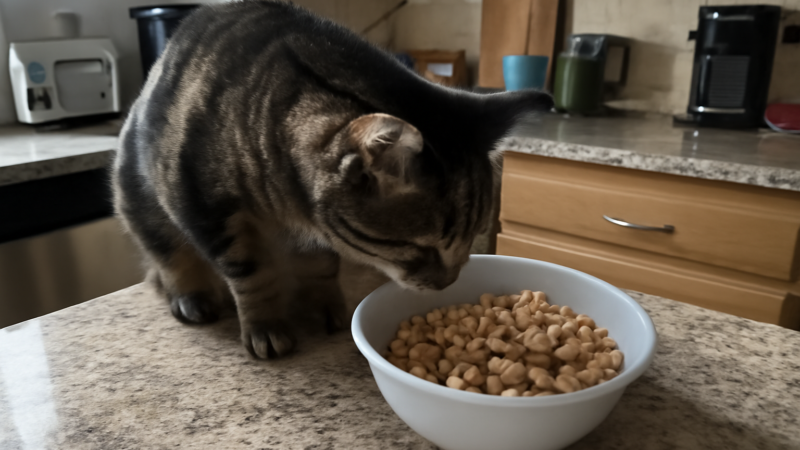
Can Cats Eat Cereal? Sugar, Grains, and What to Avoid
Can cats eat cereal safely? Learn which cereals are off-limits, why sugar and grains are risky for cats, and what safer alternatives exist.

Safe and unsafe foods for cats. Quick answers on what your cat can and cannot eat.
Can cats eat cereal safely? Learn which cereals are off-limits, why sugar and grains are risky for cats, and what safer alternatives exist.
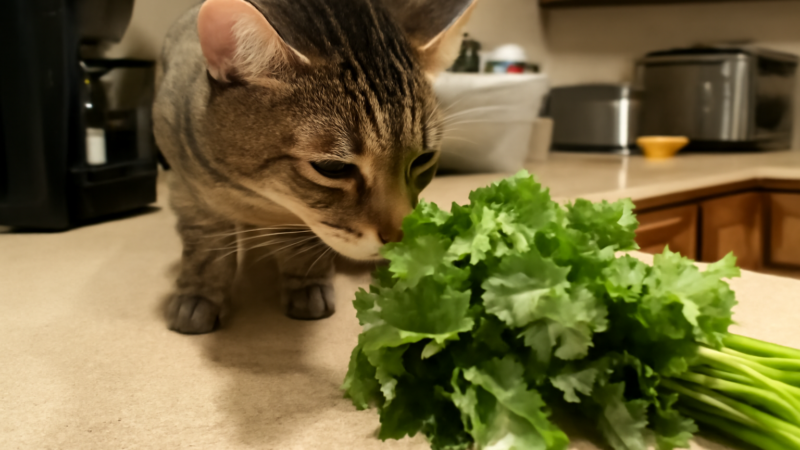
Yes, cats can eat cilantro in small amounts. Learn about herb safety for felines, nutritional value, safe portions, and signs your cat may not tolerate cilantro.
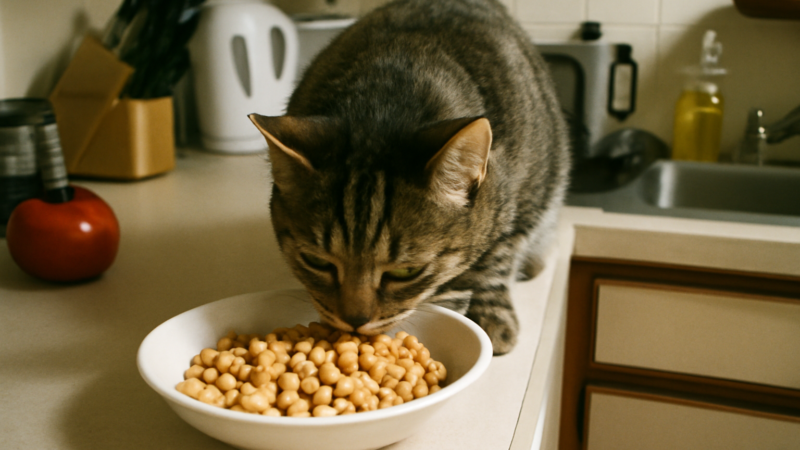
Cats can eat chickpeas in small amounts if cooked and plain. Learn about digestibility concerns, safe serving sizes, and when chickpeas are not appropriate for cats.
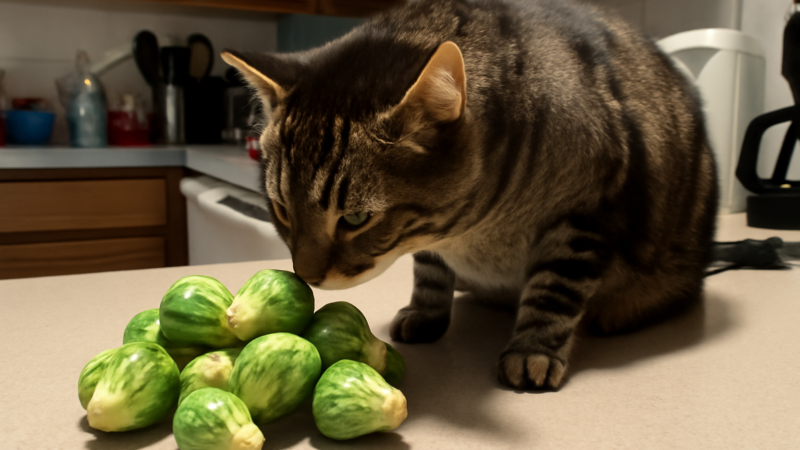
Cats can eat brussels sprouts in small, cooked portions. Learn about gas and fiber risks, safe preparation methods, and how much to offer your cat.
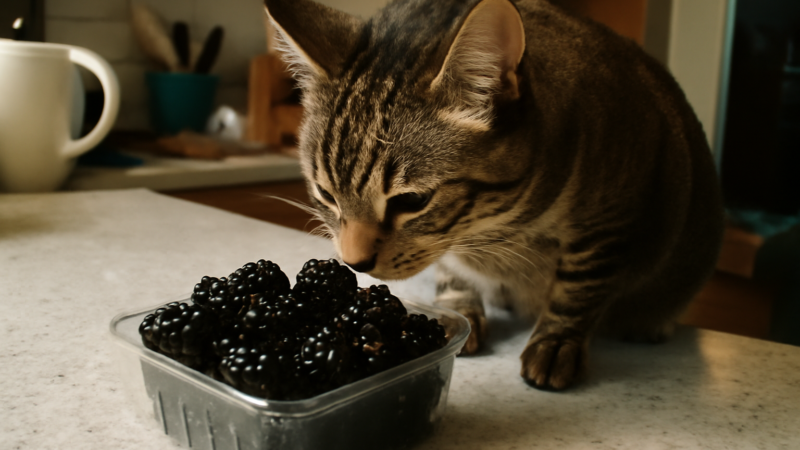
Yes, cats can eat blackberries in moderation. Learn about antioxidant benefits, safe portion sizes, potential risks, and how to serve blackberries to your cat.
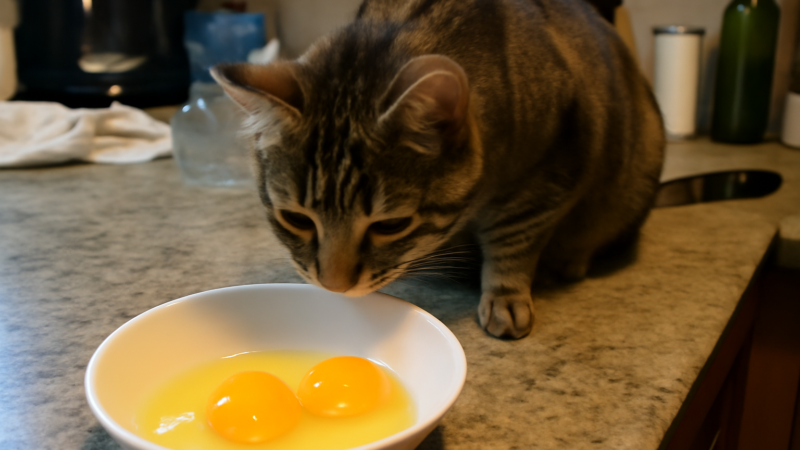
Cats can eat cooked egg yolks in small amounts. Raw yolks carry Salmonella risk. Learn safe portions, benefits, and what to do if your cat overindulged.
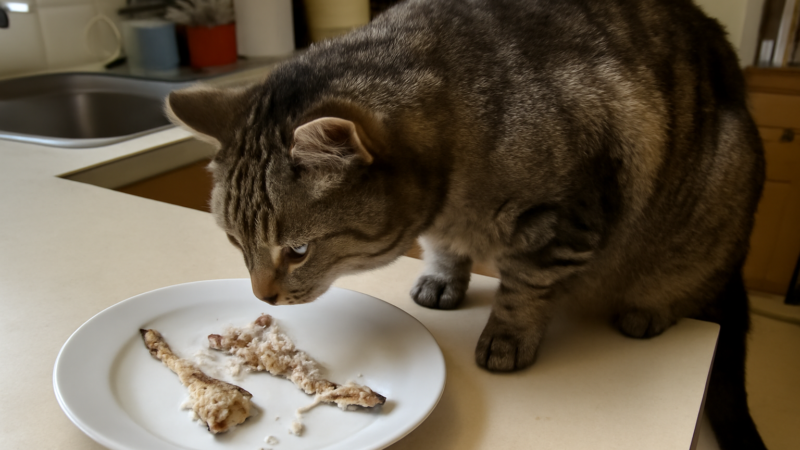
Most fish bones are not safe for cats. Cooked bones splinter, small bones lodge in throats. Learn which bones are riskiest and what to do fast.
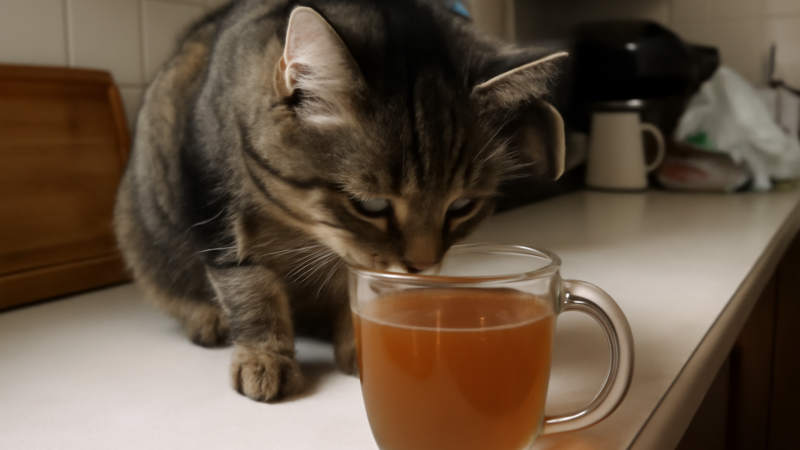
Cats can drink plain beef broth with no onion, garlic, or added salt. Learn what to check on labels and how to make safe homemade broth.
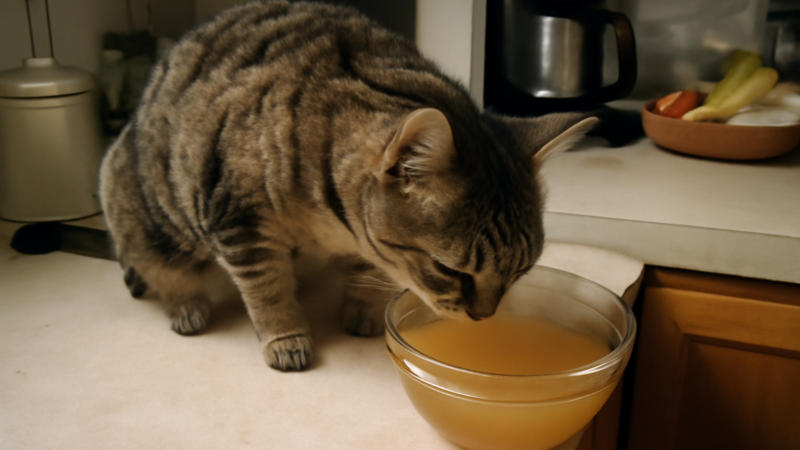
Cats can drink plain homemade chicken broth, but most store-bought broths contain onion and too much salt. Learn safe brands and preparation.
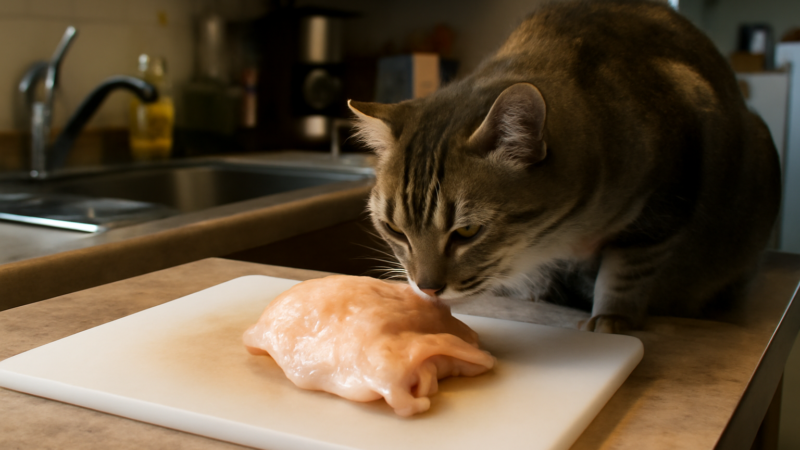
Cats can eat small amounts of plain cooked chicken skin, but it is high in fat. Learn safe portions, pancreatitis risks, and preparation tips.