Can Cats Eat
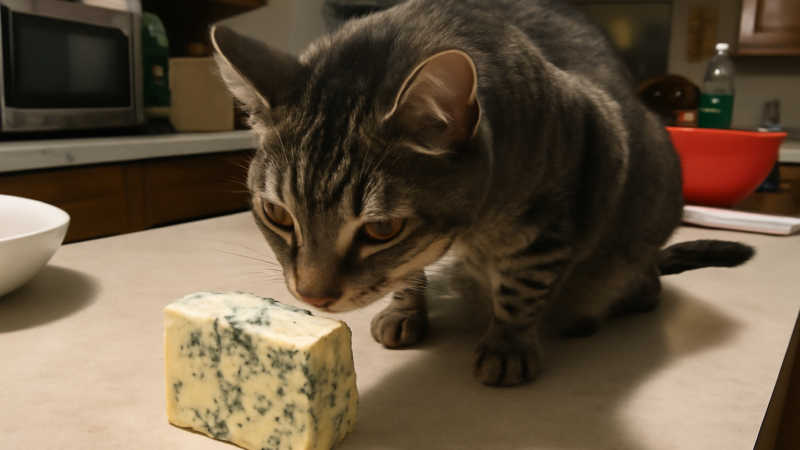
Can Cats Eat Blue Cheese? Roquefortine and Mold Risks
Can cats eat blue cheese safely? Learn about roquefortine toxicity, mold dangers, and lactose issues before sharing this pungent cheese with your cat.

Safe and unsafe foods for cats. Quick answers on what your cat can and cannot eat.
Can cats eat blue cheese safely? Learn about roquefortine toxicity, mold dangers, and lactose issues before sharing this pungent cheese with your cat.
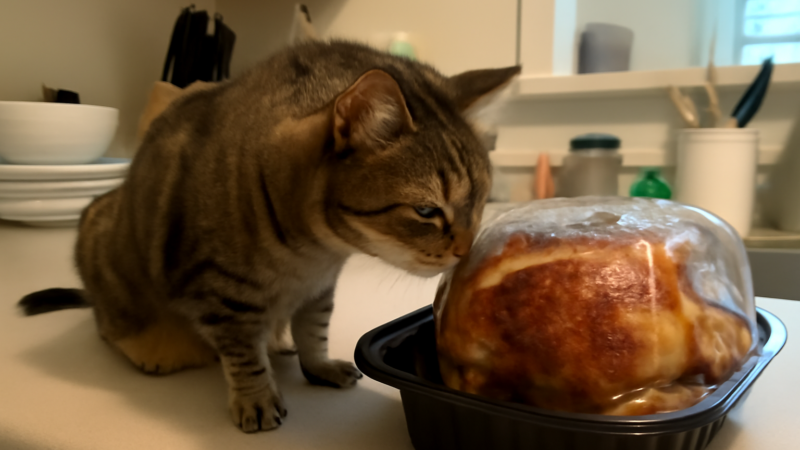
Can cats eat rotisserie chicken? Only plain breast meat in small amounts. Learn why the skin, seasoning, and sodium in rotisserie chicken are risky for cats.
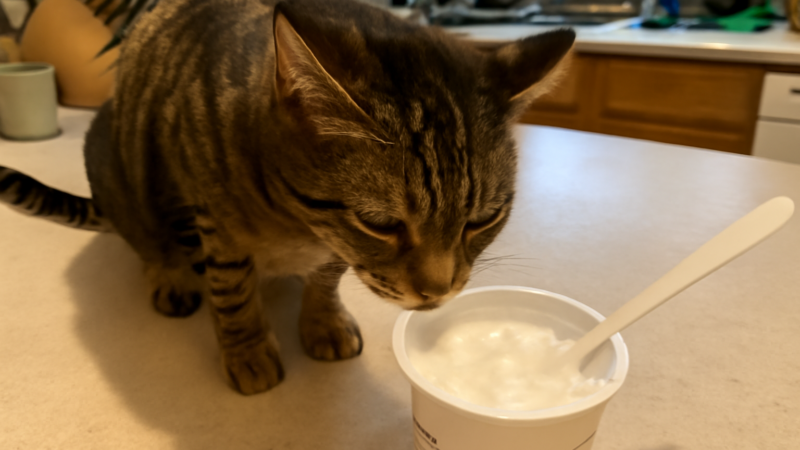
Can cats eat coconut yogurt? Only in tiny amounts. Learn why the fat content, additives, and sweeteners in coconut yogurt make it a poor choice for cats.
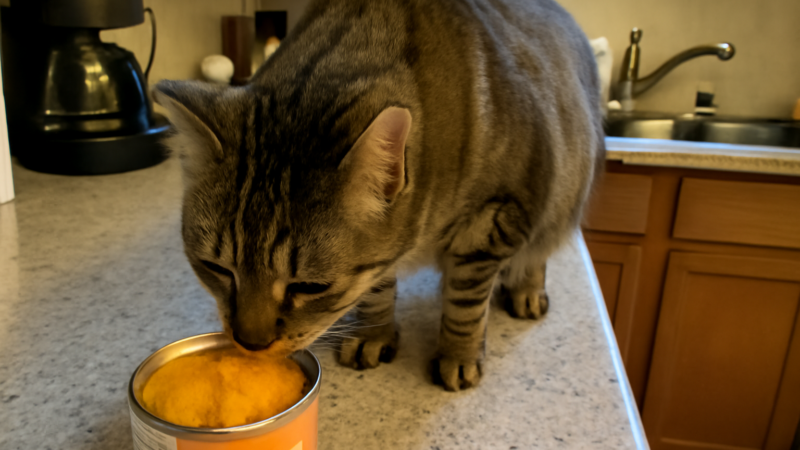
Yes, cats can eat plain pumpkin puree in small amounts. Learn how pumpkin fiber aids digestion, proper portions, and the difference between safe and unsafe products.
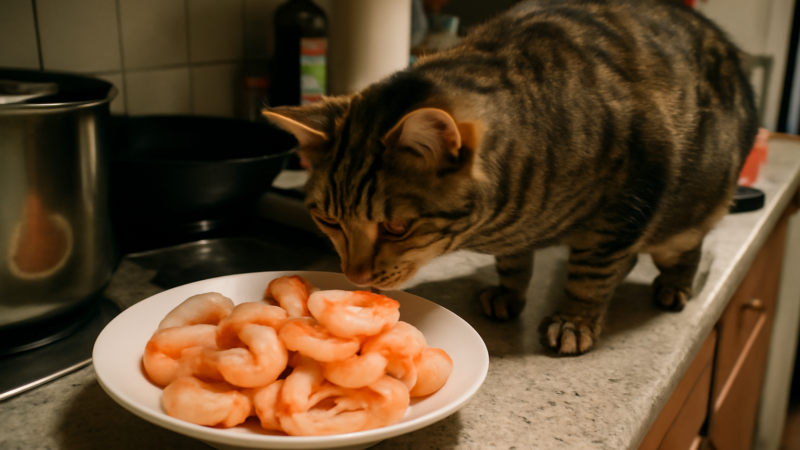
Yes, cats can eat cooked shrimp in moderation. Learn how to prepare shrimp safely for cats, proper portion sizes, and which types of shrimp to avoid.
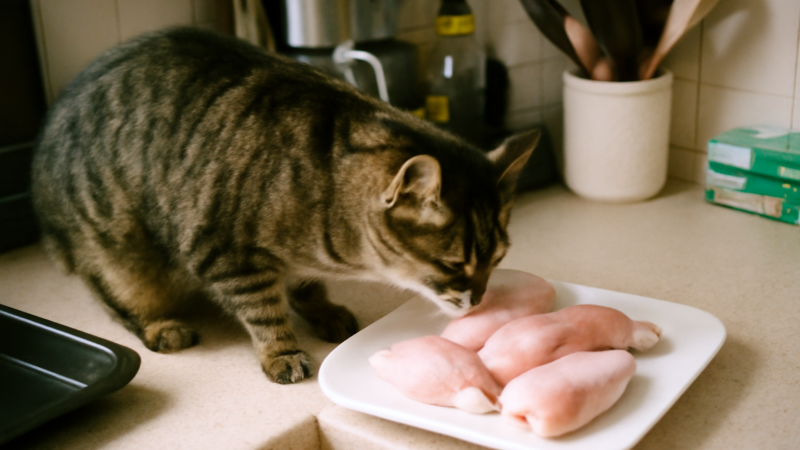
Can cats eat raw chicken? While biologically possible, raw chicken carries serious salmonella and bacteria risks. Learn safe handling, portions, and vet guidance.
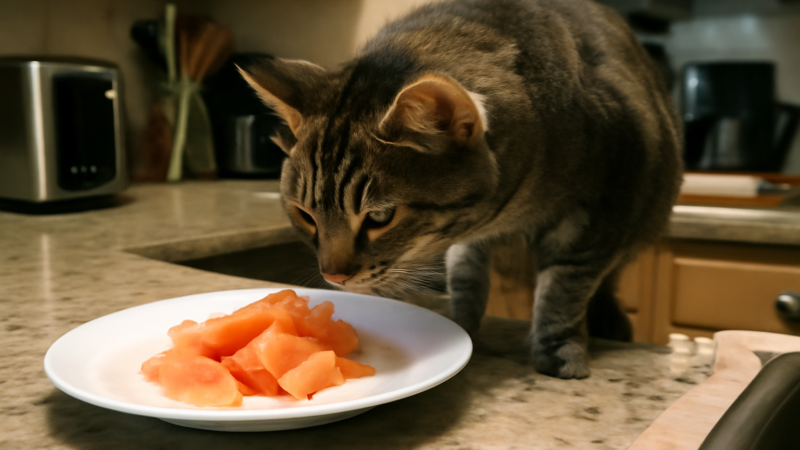
Can cats eat smoked salmon? No — the high sodium, preservatives, and parasite risk make smoked salmon unsafe for cats. Learn why and what to offer instead.
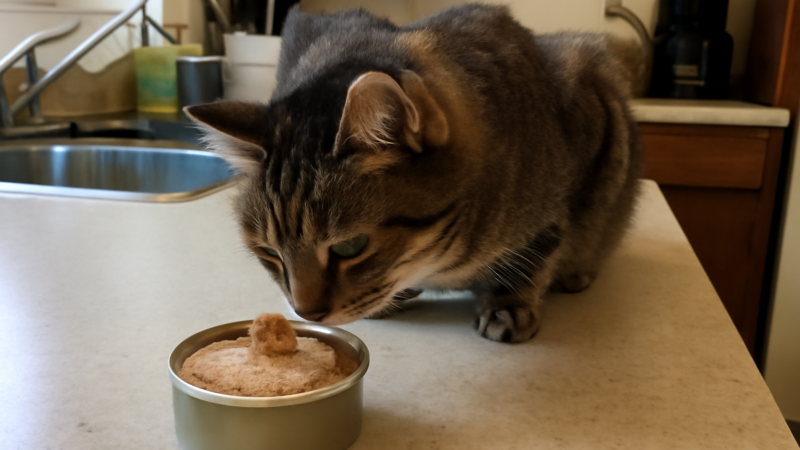
Cats should not eat commercial liver pate due to toxic ingredients like onion and garlic. Learn what makes pate unsafe for cats and safer liver alternatives.
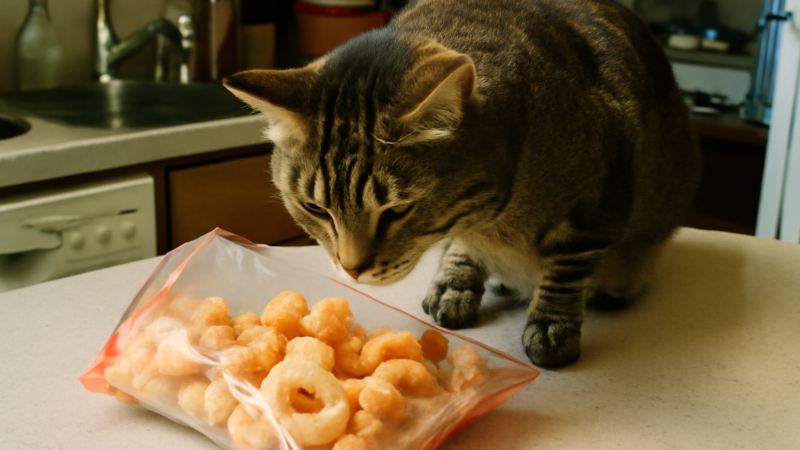
Cats should not eat pork rinds due to extreme fat, sodium, and choking risks. Learn why this snack is dangerous for cats and what to offer instead.
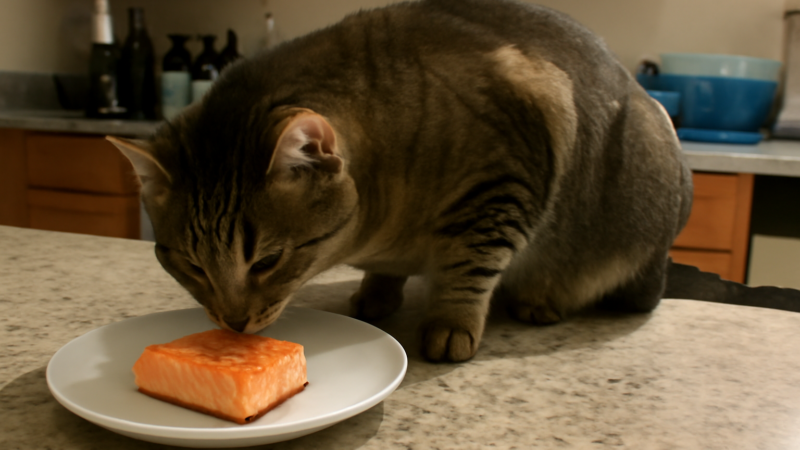
Cats can eat cooked salmon in moderation. Learn safe preparation methods, portion sizes, mercury concerns, and signs of trouble after feeding salmon to cats.