Last updated: May 4, 2026
In this article
Overview of the Foldex Cat
The Foldex cat — sometimes called the Exotic Fold — is a Canadian breed created by crossing the Scottish Fold with the Exotic Shorthair. The combination produces a round-faced, plush-coated cat with the signature folded ears of the Scottish Fold and the heavier bone, flatter face, and short dense coat of the Exotic side. The result is a cat that looks almost like a teddy bear and tends to act like one too.
Before going further, a critical honesty note. The folded-ear gene that defines this breed comes with a known cartilage and bone condition called osteochondrodysplasia (OCD). Every cat that carries the fold gene is affected to some degree, even cats that look outwardly healthy. That single fact should shape every decision about whether the Foldex is right for you.
This profile covers the breed’s history, appearance, temperament, the genuine health concern, daily care, and what realistic adoption looks like.
Quick Facts
- Origin: Canada, 1992 onward
- Parent breeds: Scottish Fold and Exotic Shorthair
- Size: Medium; most adults weigh 8 to 13 pounds
- Coat: Short to medium, dense, plush
- Energy level: Low to moderate
- Grooming: Moderate weekly brushing
- Health: Osteochondrodysplasia in all fold-eared cats — see Health section
- Registry status: Recognized by the Canadian Cat Association; not by TICA or CFA
History and Origins
The Foldex was developed in Quebec, Canada, beginning in 1992. The goal was to combine the famously sweet-natured personality of the Scottish Fold with the sturdier body and shorter face of the Exotic Shorthair. Over several decades the cross was refined, and the Canadian Cat Association formally recognized the breed.
Recognition outside Canada is limited. TICA and CFA do not currently list the Foldex as a championship breed, in part because of the ongoing debate about breeding fold-eared cats at all. Some breed clubs and welfare groups have advocated for stopping fold-eared breeding entirely on welfare grounds. If pedigree paperwork matters to you, confirm current standing with each registry directly.
For background on the parent breeds, see our Scottish Fold profile and Exotic Shorthair profile. Both inform what to expect from a Foldex temperament.
Appearance
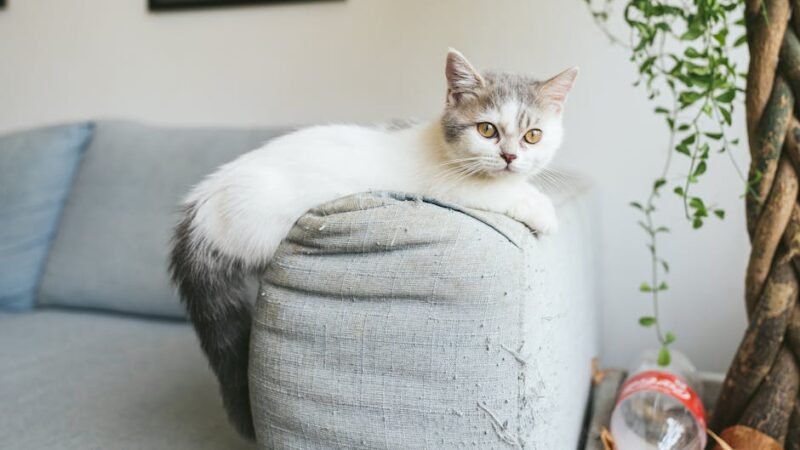
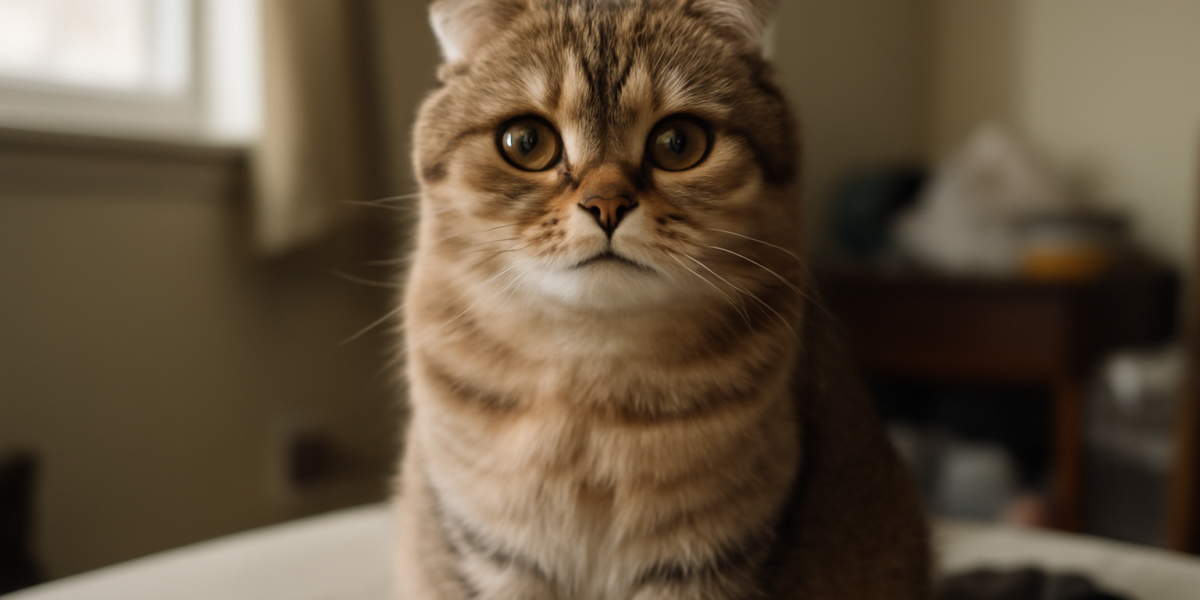
The Foldex is a round cat. Round head, round eyes, round body. The ears are small, set forward, and folded down toward the skull — typically with a single fold, though some cats display tighter double or triple folds.
The face is shorter than a Scottish Fold’s but not as flattened as a show-style Persian. The nose break is moderate, which generally helps with breathing compared to extremely brachycephalic faces. Even so, watch for noisy breathing, tearing eyes, or grooming difficulty — all signs that the facial structure is creating problems.
Coats come in short and medium-short lengths, dense and plush rather than silky. Color and pattern variety is wide: solid, bicolor, tabby, tortoiseshell, colorpoint, and silver are all reported. Eye color generally matches coat color and ranges from copper through gold and green.
Size and Weight
Most Foldex cats are medium-sized, with adult females around 8 to 11 pounds and males 10 to 13 pounds. The plush coat and round build can make them look larger than they actually weigh.
Temperament and Personality
Foldex cats inherit the famously calm, affectionate temperament of both parent breeds. They tend to be quiet, friendly, and adaptable, often described as “couch companions” who enjoy being near family without demanding constant active play.
They generally tolerate handling well and adjust to new homes more easily than many breeds. Multi-pet households often work, especially with other calm cats or cat-friendly dogs. They are typically moderate with strangers — neither hiding nor demanding attention — and warm up over a few visits.
Vocally they are quiet. Expect occasional soft mews and trills rather than persistent meowing. If you want a calm-natured cat, our calmest cat breeds roundup covers options that align well with the Foldex profile.
Daily Care and Enrichment
Foldex cats are not high-energy. One or two short interactive play sessions per day usually meets their needs, paired with puzzle feeders or food-dispensing toys for slow daily mental work. Avoid jumping-heavy enrichment — the cartilage condition we cover below makes high-impact landings problematic over time.
Provide ramps, low platforms, and stable shelves rather than tall narrow towers. Soft bedding in multiple sleeping spots helps an aging Foldex stay comfortable. Indoor living is the safer default for any breed with documented joint concerns.
Weight management is critical. Excess weight worsens joint stress, which the breed already faces from the fold gene. Feed measured portions, monitor body condition monthly, and discuss weight goals at every annual exam.
Grooming
The plush coat needs a weekly brush — twice weekly during seasonal shedding. Pay attention to the area under the chin, around the ears, and at the base of the tail. Because the ears fold forward, wax can accumulate without being visible; check ears every two weeks and clean gently with a vet-recommended solution if needed.
Health: Osteochondrodysplasia and the Honest Truth
This section is mandatory reading. The folded-ear gene is a cartilage mutation. It does not just affect ear cartilage — it affects cartilage throughout the body. Every cat with folded ears, including every Foldex, has osteochondrodysplasia (OCD) to some degree. Severity varies, but the condition is universal in the breed.
Symptoms range from mild stiffness in the tail or back legs to severe arthritis, lameness, and pain that requires daily medication. Some cats live long, comfortable lives with manageable signs. Others develop serious joint disease young. There is no genetic test that distinguishes mild from severe expression; you cannot know in advance which category a kitten will fall into.
Welfare implications matter. Several veterinary associations have publicly opposed continued breeding of fold-eared cats. Others argue that responsible breeding (pairing a fold with a non-fold parent, screening with X-rays, retiring affected lines) reduces severity. The debate is real and ongoing. As an adopter, your job is to ask any breeder for X-ray screening reports of the parents and to commit to lifelong monitoring of the cat you bring home.
Beyond OCD, watch for the standard cat conditions — hypertrophic cardiomyopathy, kidney disease, dental issues — through annual exams and bloodwork. The annual vet exam for cats guide and annual bloodwork for cats guide explain what each visit should cover.
Lifespan
Reliable breed-specific lifespan data is limited. Healthy Scottish Folds and Exotics typically live into their teens. Foldex cats with mild OCD expression often do too, though severe cases can have shorter, more painful lives. Plan for the long term, including the possibility of medication and physical therapy as the cat ages.
Foldex vs Related Breeds
Adopters considering a Foldex often weigh it against the Scottish Fold and the Scottish Straight (the non-folded sibling). The Scottish Straight vs Scottish Fold comparison is essential reading — the Straight has the same friendly temperament without the cartilage concern. For Persian-style alternatives, our Exotic Shorthair vs Persian piece covers the round-faced category. Many adopters who initially want a Foldex find the Scottish Straight or Exotic Shorthair to be a healthier match.
Is the Foldex Right for You?
This breed makes sense for an adopter who has done the homework on osteochondrodysplasia, has a vet relationship for ongoing joint monitoring, and is committed to a lifetime of weight management and possibly medication. A calm household with low-impact play and respectful children is ideal.
It is not the right breed if you want a fully healthy cat with no breed-specific welfare concerns. The Scottish Straight, Exotic Shorthair, or British Shorthair offer similar looks and temperaments without the same health profile.
Adoption and Finding a Foldex
Foldex cats are uncommon outside Canada. Adoption paths include the Canadian Cat Association breeder directory, occasional surrenders to fold-friendly rescues, and broader Scottish Fold rescue networks that sometimes take in Foldex cats. Cat-only rescues are a good starting point.
Vet any breeder thoroughly. Look for X-ray screening of breeding parents, fold-to-non-fold pairing (never fold-to-fold, which dramatically increases severity), willingness to discuss known OCD cases in their lines honestly, and contracts that allow return at any age. Our reputable rescue red flags guide names the warning signs that apply equally to breeders. The adopt cats hub is also worth scanning regularly.
Frequently Asked Questions
Are all Foldex cats affected by osteochondrodysplasia?
Yes. Every cat that carries the folded-ear gene has cartilage changes throughout the body. Severity varies, but the condition is not optional in the breed.
How is the Foldex different from the Scottish Fold?
The Foldex was developed by crossing the Scottish Fold with the Exotic Shorthair, producing a rounder body, shorter face, and plusher coat. The folded-ear gene and its joint implications are the same.
Is the Foldex recognized by major registries?
The Canadian Cat Association recognizes the breed. TICA and CFA do not list it as a championship breed at this time. Confirm current status directly with each registry.
Can I prevent osteochondrodysplasia symptoms in my Foldex?
You cannot prevent the underlying condition. You can reduce symptom severity through weight management, low-impact enrichment, joint-support nutrition, and annual orthopedic checks.
Should I adopt a Foldex or a Scottish Straight?
Many vets and welfare advocates recommend the Scottish Straight if you want the temperament without the cartilage concern. The breed has the same friendly personality with normal ear and joint cartilage.
Looking to adopt a Foldex Cat Breed Profile?
Browse Foldex Cat Breed Profile cats and mixes available for adoption from shelters and rescues near you.
Find Foldex Cat Breed Profile Cats for Adoption