Last updated: May 4, 2026
In this article
Overview of the Lambkin Cat
The Lambkin cat — also called the Nanus Rex — is an experimental hybrid created by crossing the short-legged Munchkin with the curly-coated Selkirk Rex. The result is a small, low-slung cat with the soft, plush, curly coat that gives the breed its lamb-like nickname. The breed dates to the late 1990s in the United States and remains very rare.
Two honesty notes belong at the top. First, the dwarfism gene that gives the Lambkin its short legs is the same gene that defines the Munchkin, and it carries documented structural concerns including lordosis (excessive spinal curvature) and pectus excavatum (chest deformity). Second, the breed is experimental and not widely recognized by major registries. If you want established pedigree paperwork, the Lambkin is not yet that breed.
This profile covers what is known about the breed, what is debated, and how to think honestly about adoption.
Quick Facts
- Origin: United States, late 1990s
- Parent breeds: Munchkin and Selkirk Rex
- Also known as: Nanus Rex
- Size: Small to medium; most adults weigh 5 to 9 pounds
- Coat: Curly, plush, both shorthair and longhair varieties
- Energy level: Moderate
- Health: Dwarfism-related concerns shared with all Munchkin-derived breeds
- Registry status: Experimental; not widely recognized
History and Origins
The Lambkin project began in the late 1990s in the United States. The intent was to combine the short legs of the Munchkin with the soft, curly coat of the Selkirk Rex — producing a small, plush-coated cat that resembles a tiny lamb in both texture and silhouette. The alternate name Nanus Rex translates roughly as “dwarf Rex,” reflecting both signature traits.
Recognition has been limited. Major registries have generally not listed the Lambkin in championship classes, in part because of broader debates about breeding dwarf-mix cats. Some experimental or new-breed listings have appeared and disappeared. Confirm current registry status directly rather than relying on a breeder’s marketing.
For background, see our Munchkin profile and Selkirk Rex profile. Both inform what to expect from a Lambkin’s body, coat, and personality.
Appearance
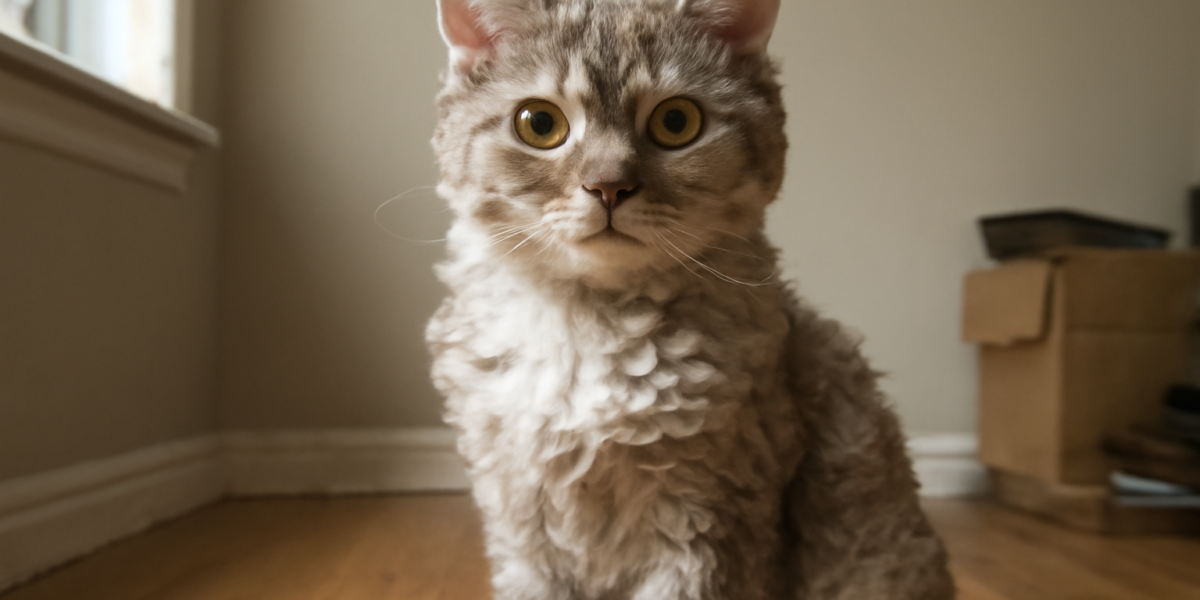
The Lambkin’s two defining traits are immediately visible. The legs are noticeably shorter than a typical cat’s, giving the body a long, low silhouette. The coat is curly and plush, with loose ringlets covering the body, tail, and even the whiskers — a trait inherited from the Selkirk Rex side that distinguishes the breed from straight-coated dwarf hybrids.
The coat texture varies by individual. Some Lambkins have tight, well-defined curls; others have a softer wave with curlier patches around the neck, belly, and tail. Both shorthair and longhair varieties occur, accepted in different breeders’ standards. Coat colors range across the full domestic palette — solid, bicolor, tabby, tortoiseshell, and pointed all appear.
The head is moderate, with a slightly rounded muzzle, large eyes, and medium ears. Eye color varies and is typically gold, copper, or green. Movement is distinctive — the short legs combined with the long body produce a low, deliberate walk.
Size and Weight
Most adult Lambkins weigh 5 to 9 pounds, with females smaller than males. They sit comfortably alongside other small breeds in our smallest cat breeds roundup and dwarf cat breeds overview.
Temperament and Personality
Lambkins are typically friendly, affectionate, and adaptable. The Selkirk Rex heritage contributes a calm, patient temperament; the Munchkin side adds curiosity and a moderate playful streak. The combination produces a cat that is engaged with household activity without being demanding.
They form attachments to their families and tend to settle near the action — on the couch, on the bed, on the desk where you are working. Multi-pet households often work well, especially with another calm cat or a friendly small dog. Children are typically fine with Lambkins, provided handling is gentle.
Vocally they are quiet. Expect occasional soft mews and trills rather than persistent vocalizing. The breed appears in our calmest cat breeds roundup for these reasons.
Daily Care and Enrichment
Lambkins are moderately active. Plan on one or two interactive play sessions per day with wand toys, plus access to puzzle feeders or food-dispensing toys. Despite the short legs, they climb and chase enthusiastically — they just take a bigger run-up and prefer lower targets.
Provide vertical territory with stable, accessible levels rather than steep narrow towers. Stairs and ramps help short-legged cats access high spots without strain. Soft bedding in multiple sleeping spots is appreciated; the curly coat is less insulating than a dense double coat, and Lambkins seek out warm sleeping places.
Food puzzles add valuable mental work. Our puzzle feeders for cats guide covers good options for small cats. Indoor living is the safer default — the rare breed status, short legs, and active temperament all argue for keeping a Lambkin indoors. Our best indoor cats roundup covers strategies for keeping curly-coated cats engaged.
Grooming
The curly coat needs gentle weekly grooming. Use a wide-tooth comb or your fingers to work through the curls — avoid aggressive brushing, which can damage the curl pattern. Bathe occasionally, every six to eight weeks, with a cat-safe mild shampoo, and let the coat air-dry rather than rubbing it dry.
The Selkirk Rex coat sheds modestly. The curl-pattern naturally relaxes with handling, so excessive brushing flattens the look. Trim claws every two to three weeks. Check ears every two weeks for wax buildup.
Health Considerations
The single most important health note about the Lambkin is that the short-leg trait is a form of dwarfism. The same dwarfism gene that produces the Munchkin’s distinctive look is associated with structural concerns documented across short-legged cat breeds. The two most discussed are lordosis (an excessive inward curve of the spine) and pectus excavatum (a sunken chest deformity). Severity varies; some cats are unaffected, others have significant limitations.
The curly coat itself, inherited from the Selkirk Rex side, is generally benign. Watch for skin sensitivities — the texture of the coat can sometimes mask early signs of dermatitis, so regular hands-on checks during grooming help catch issues early.
Beyond breed-specific traits, watch for the standard cat conditions through annual exams: hypertrophic cardiomyopathy, kidney disease, dental issues, and digestive sensitivities. The annual vet exam for cats guide and annual bloodwork for cats guide explain what each visit should cover. The hypertrophic cardiomyopathy in cats guide is worth reading.
Lifespan
Reliable breed-specific lifespan data is limited because the population is small and experimental. Other Munchkin-derived breeds and Selkirk Rex cats typically live into their teens with attentive preventive care, though severe structural cases can have shorter, more medically intensive lives.
Lambkin vs Other Curly or Dwarf Breeds
Adopters considering a Lambkin often weigh it against other curly-coat or dwarf-mix options. The Selkirk Rex alone offers the curly coat without the dwarfism question. The Munchkin offers the short legs without the curly coat. Other dwarf hybrids — Skookum, Minskin, Genetta, Kinkalow, Minuet — combine Munchkin with different secondary traits. Our dwarf cat breeds overview and cat breeds with curly coats roundup help compare options.
The LaPerm profile is also worth reading — the LaPerm is another curly-coat breed without the dwarfism question.
Is the Lambkin Right for You?
This breed makes sense for an adopter who has thought carefully about the welfare implications of dwarfism crosses, has a vet relationship for orthopedic monitoring, and wants a small, calm, plush-coated cat. A quiet household with low-impact play and respectful handling is ideal.
It is not the right breed if you prefer established pedigrees, want a cat without breed-specific welfare debate, or are unwilling to commit to a lifetime of weight management and possible joint care. The Selkirk Rex alone is a healthier alternative if the curly coat is what drew you in.
Adoption and Finding a Lambkin
Lambkins are very rare. They almost never appear in general shelters, and breeders are few. Realistic paths include direct contact with experimental-breed catteries, breed-specific Munchkin or Selkirk Rex rescues that occasionally take mixed-lineage cats, and breeder surrender networks. Start with cat-only rescues.
Vet any breeder thoroughly. Look for orthopedic screening of breeding parents, willingness to discuss documented dwarfism concerns honestly, and contracts that allow return at any age. The reputable rescue red flags guide names warning signs that apply to breeders too.
If a Lambkin is unavailable, consider the more accessible Selkirk Rex or Munchkin through dedicated rescues. The adopt cats hub is also worth scanning regularly for curly-coated or short-legged mixes that may have been surrendered.
Frequently Asked Questions
What is the Nanus Rex?
Nanus Rex is another name for the Lambkin, used by some breeders. The terms refer to the same Munchkin-Selkirk Rex experimental cross.
Are Lambkins healthy?
It depends on the individual. The breed inherits dwarfism-related structural concerns from the Munchkin side. Many cats live well with no significant issues; others face medical limitations. Orthopedic screening of parents and lifelong vet care matter.
How do I groom a curly Lambkin coat?
Gentle weekly combing with a wide-tooth comb, plus an occasional bath every six to eight weeks. Avoid aggressive brushing, which flattens the curl pattern. Let the coat air-dry after bathing.
Can Lambkins jump?
Yes, though they take a bigger run-up and prefer lower targets than standard-legged cats. Provide ramps and stable mid-height perches rather than tall narrow towers.
Are Lambkins recognized by major registries?
Recognition has been limited and shifts over time. Confirm current status directly with TICA, CFA, or your regional registry rather than relying on breeder marketing.
Looking to adopt a Lambkin Cat Breed Profile?
Browse Lambkin Cat Breed Profile cats and mixes available for adoption from shelters and rescues near you.
Find Lambkin Cat Breed Profile Cats for Adoption