
Last updated: April 10, 2026
In this article
Are Anthuriums Toxic to Dogs?
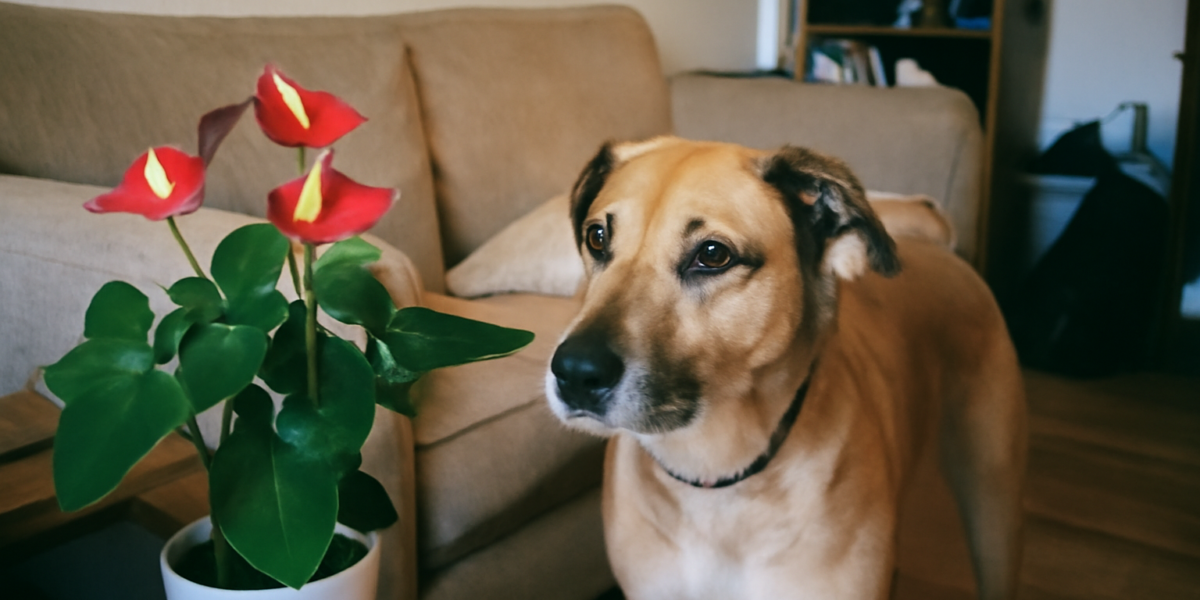
Yes, anthuriums are toxic to dogs. Also known as flamingo flowers, laceleaf, or tail flowers, anthuriums contain insoluble calcium oxalate crystals throughout all parts of the plant. When your dog chews on an anthurium leaf, stem, or flower, these microscopic needle-like crystals pierce the soft tissues of the mouth and throat, causing immediate and intense pain. Anthuriums toxic to dogs are a widespread hazard given how popular these striking tropical plants are in homes and offices.
All anthurium species share this toxicity, including the common Anthurium andraeanum with its glossy red spathes and the velvety-leaved Anthurium clarinervium. The level of toxicity is considered mild to moderate, meaning that while ingestion is painful and unpleasant, it is rarely life-threatening.
Why Anthuriums Are Dangerous for Dogs
Anthuriums belong to the Araceae family, a group of plants notorious for their calcium oxalate crystal content. These crystals, known as raphides, are stored in specialized ejector cells called idioblasts throughout the plant’s tissues.
When mechanical pressure is applied, such as a dog biting into a leaf, these cells burst open and shoot bundles of raphides into the surrounding tissue. The crystals are sharp enough to penetrate mucous membranes, causing micro-wounds that trigger an immediate inflammatory response.
The sap of the anthurium plant adds to the problem. It contains proteolytic enzymes that can worsen the irritation caused by the crystals. Together, the physical damage from the raphides and the chemical irritation from the sap create a painful combination that usually stops dogs from eating more than a bite or two.
Recognizing Anthurium Poisoning Symptoms
The onset of symptoms after anthurium ingestion is rapid, typically appearing within seconds to minutes. Here are the key signs to watch for:
- Intense oral pain, shown by pawing at the mouth and whining
- Profuse drooling, sometimes with blood-tinged saliva
- Visible swelling of the lips, tongue, and gums
- Difficulty swallowing and reluctance to eat or drink
- Hoarse barking or voice changes if the throat is affected
- Vomiting, especially if plant material was swallowed
- Gagging or retching
Most symptoms are confined to the mouth and upper digestive tract. However, if your dog managed to swallow a significant amount of plant material, you may also see diarrhea and abdominal discomfort in the hours following ingestion.
The most serious concern is airway swelling. While uncommon, severe swelling of the tongue and throat can make breathing difficult. Watch for open-mouth breathing, excessive panting, or any signs that your dog is struggling to get air. This requires emergency veterinary care.
Immediate First Aid Steps
Quick action can help minimize your dog’s discomfort after they chew on an anthurium. Follow these steps:
- Gently remove any remaining plant material from your dog’s mouth
- Offer cool, fresh water to help flush crystals from the mouth tissues
- Provide ice chips or a small amount of cold milk or yogurt to soothe burning
- Wipe away drool and check for any visible swelling
- Call your veterinarian for guidance on next steps
Do not induce vomiting, as bringing up the plant material would expose the esophagus to additional crystal damage. Keep your dog calm and comfortable while you contact your vet. Note the approximate time of ingestion and how much plant material your dog consumed, as this information will help your veterinarian assess the situation.
If any sap got on your dog’s skin, wash the area with mild soap and warm water. For eye exposure, gently rinse with clean water for several minutes and contact your vet, as calcium oxalate crystals can cause significant eye irritation.
When to See the Vet
Not every anthurium nibble requires a vet visit, but certain situations call for professional help. Contact your veterinarian if your dog is showing any of these signs:
- Swelling that is spreading or getting worse over time
- Difficulty breathing or swallowing
- Refusal to drink water for more than a few hours
- Persistent vomiting
- Signs of severe pain that are not improving
Your veterinarian may prescribe anti-inflammatory medications to reduce swelling, pain relief to keep your dog comfortable, and possibly antihistamines. IV fluids may be necessary if your dog cannot drink on their own. Most dogs treated promptly for anthurium poisoning make a full recovery within one to two days.
For small dogs and puppies, err on the side of caution and contact your vet even for minor exposures. Their smaller body size means that the same amount of plant material can have a proportionally larger effect.
Preventing Anthurium Exposure
The best way to protect your dog from anthurium poisoning is to keep these plants completely out of their reach. Here are practical prevention strategies:
Place anthuriums in rooms with doors that stay closed, such as a home office or spare bedroom. If that is not possible, use tall plant stands or wall-mounted planters that your dog absolutely cannot reach. Remember to clean up any fallen leaves, as even a single dropped leaf contains enough crystals to cause problems.
Be aware that anthuriums are commonly included in tropical flower arrangements. If you receive flowers as a gift, inspect the arrangement for anthuriums before placing it in a pet-accessible area. The distinctive waxy, heart-shaped spathes in red, pink, white, or purple are easy to identify.
Consider replacing anthuriums with pet-safe tropical-looking plants like Christmas cactus, calatheas, or parlor palms. These alternatives give you the lush, tropical aesthetic without putting your dog at risk. Bromeliads are another tropical option worth researching for pet safety.
Plants Similar to Anthuriums That Are Also Toxic
If you are removing anthuriums from your home for your dog’s safety, check for these related toxic plants as well. Many popular houseplants in the Araceae family share the same calcium oxalate toxicity:
- Philodendrons — All varieties, including the trendy monstera, contain calcium oxalate crystals
- Pothos (Devil’s Ivy) — A common trailing plant with the same toxic mechanism
- Dieffenbachia — Known as dumb cane due to the swelling it causes in the mouth
- Caladium — Colorful foliage plants that are highly irritating to dogs
- Peace Lily — Despite its name, not a true lily, but still contains oxalate crystals
Doing a full audit of your houseplants against a reliable toxicity database is well worth the effort. The ASPCA maintains a searchable list of toxic and non-toxic plants that can help you identify any other hidden hazards in your home.
Frequently Asked Questions
Are all parts of the anthurium equally toxic?
All parts of the anthurium plant contain calcium oxalate crystals, but the concentration can vary. The leaves and stems generally have higher crystal density than the spathe (the colorful, waxy part often mistaken for a petal). The spadix, the spike-like structure in the center, also contains crystals. Treat every part of the plant as potentially harmful to your dog.
Can anthurium pollen affect my dog?
Anthurium pollen itself is not a major toxicity concern, but the spadix that produces the pollen does contain calcium oxalate crystals. If your dog chews on the spadix, they will experience the same painful symptoms as from any other part of the plant. Simply sniffing the flowers is unlikely to cause harm.
How long do symptoms of anthurium poisoning last?
Mild symptoms from a small exposure typically resolve within 12 to 24 hours. Mouth pain, reduced appetite, and drooling may persist for up to 48 hours in moderate cases. With veterinary treatment, most dogs are back to normal within one to three days. If symptoms persist beyond 48 hours, follow up with your vet.
My dog touched an anthurium but did not eat it. Should I worry?
If your dog merely brushed against or sniffed an anthurium without biting or chewing it, there is minimal risk. The calcium oxalate crystals are released when the plant tissue is broken. Intact leaves and flowers do not release crystals from casual contact. Just monitor your dog for any unusual behavior and make sure the plant is out of reach going forward.


