
Last updated: May 16, 2026
In this article
- Ginseng Ficus Bonsai and Pet Safety at a Glance
- Is Ginseng Ficus Bonsai Toxic to Cats and Dogs?
- Why Ginseng Ficus Is Tempting to Pets
- Toxic Compounds in Ficus Microcarpa
- Symptoms After Ginseng Ficus Bonsai Exposure
- First Aid for Ginseng Ficus Bonsai Ingestion
- When to Go to the Vet
- Distinguishing Ginseng Ficus From Other Ficus Forms
- Living With a Ginseng Ficus Bonsai Safely
- Pet-Safer Alternatives
- Ginseng Ficus vs Ficus Retusa: A Common Mix-Up
- How Cats and Dogs Encounter Ginseng Ficus Sap
- What to Tell Your Vet or the Hotline
- Long-Term Living With Ginseng Ficus Bonsai and Pets
- Frequently Asked Questions
Ginseng Ficus Bonsai and Pet Safety at a Glance
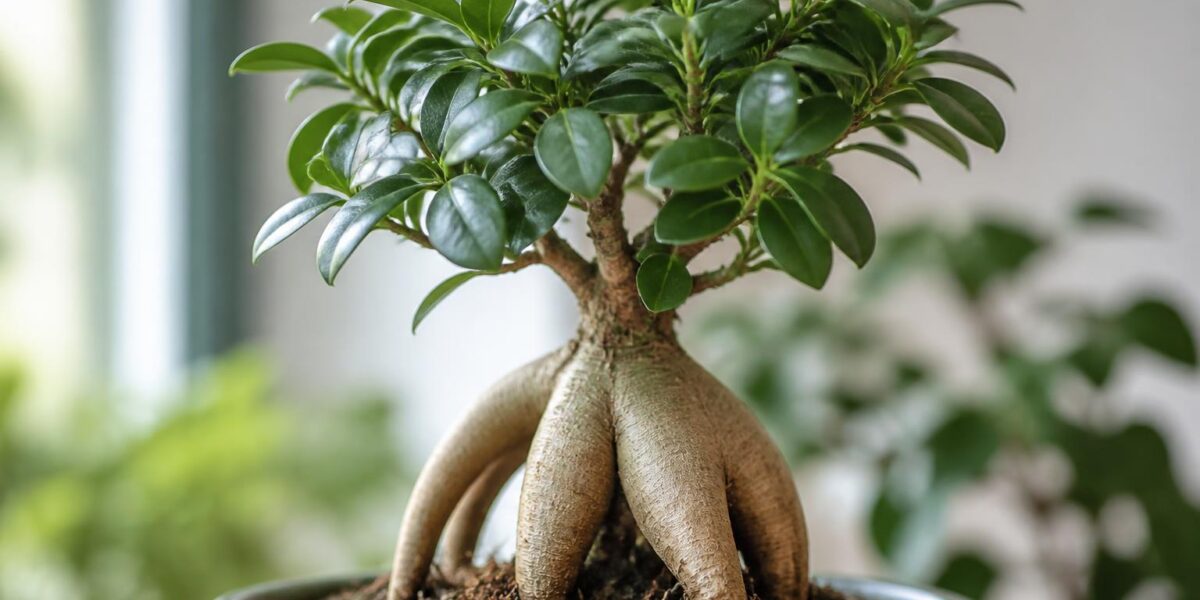
A bonsai is a miniaturized version of a full-size plant — its toxicity profile matches the underlying species exactly. Ginseng ficus bonsai is Ficus microcarpa, a tropical fig with thick swollen aerial roots that look like the roots of a ginseng tuber. It is one of the most common starter bonsai sold at supermarkets and big-box stores, often labeled simply “bonsai” with no species name on the tag. Because it is a member of the Ficus genus, the answer to “is ginseng ficus bonsai toxic to pets” is yes — for both cats and dogs.
Ginseng ficus toxicity sits in the mild-to-moderate tier. Like all Ficus species, it produces a milky white latex sap that contains ficin (a proteolytic enzyme) and psoralens (furocoumarins). Pets that chew leaves, twigs, or those distinctive aerial roots typically develop oral irritation, drooling, vomiting, and sometimes contact dermatitis on the muzzle or paws. Most cases are uncomfortable rather than dangerous, but a vet call is always justified.
Is Ginseng Ficus Bonsai Toxic to Cats and Dogs?
Yes. The ASPCA lists the entire Ficus genus as toxic to cats, dogs, and horses. Ficus microcarpa is in good company with Ficus benjamina (weeping fig), Ficus retusa (which is closely related and often confused with microcarpa), and Ficus elastica (rubber tree). The toxic mechanism is identical across the genus.
For more on related Ficus species, see are Audrey ficus toxic to pets. For other Ficus bonsai forms, see ficus bonsai toxic to pets — which covers F. retusa and F. benjamina varieties. The toxicity story is essentially the same for all of them.
Why Ginseng Ficus Is Tempting to Pets
Three features make ginseng ficus bonsai unusually attractive to curious cats and dogs:
- Thick aerial roots. The signature swollen roots look like dog chew toys or fingers — exactly what a teething puppy will mouth. They are also at floor level when the pot sits on a coffee table.
- Glossy small leaves. The leaves catch light and move with airflow, which triggers cat predator instincts.
- Tabletop placement. Most ginseng ficus are sold at heights of 10–18 inches in a 6-inch pot — perfect tabletop or windowsill display height, which puts every leaf in cat-batting range.
The combination produces a high accidental-exposure rate compared with most other indoor bonsai species.
Toxic Compounds in Ficus Microcarpa
The white latex sap that oozes from any cut surface contains:
- Ficin — a proteolytic enzyme that breaks down protein bonds in mucous membranes, causing the immediate burning sensation in mouth and skin.
- Psoralens (furocoumarins) — bergapten, 5-methoxypsoralen, and related compounds; UV-activated photosensitizers that can amplify sun-related skin reactions.
- Triterpenes and rubber-like polymers — give the sap its characteristic stickiness and contribute to GI upset on swallowing.
None of these reach the severity of grayanotoxin (azalea), insoluble calcium oxalate raphides (peace lily), or true cardiac glycosides (oleander). They sit firmly in the mild-to-moderate irritant tier.
Symptoms After Ginseng Ficus Bonsai Exposure
Within minutes of chewing or contact, watch for:
- Drooling and lip-smacking
- Pawing at the face, head shaking
- Vomiting — sometimes with white milky residue from the sap
- Decreased appetite
- Skin redness or hives where sap contacted fur or paws
- Mild lethargy
Severe reactions are uncommon but possible. Persistent vomiting, dehydration, significant skin reactions, or any swelling of the lips and tongue should prompt a same-day vet visit.
First Aid for Ginseng Ficus Bonsai Ingestion
Move the bonsai out of reach. Wipe visible sap off the muzzle, paws, and chest with a damp cloth. Warm water with a drop of pet-safe shampoo helps dissolve the latex; do not use solvents or human cosmetic cleansers on the face.
Offer fresh water. Do not give milk or any home remedy. Do not induce vomiting at home — hydrogen peroxide is not appropriate for ficus exposures.
Call your veterinarian, the ASPCA Animal Poison Control Center at 888-426-4435, or the Pet Poison Helpline at 855-764-7661. Have the species name (Ficus microcarpa, ginseng ficus), your pet’s weight, and the approximate time and amount of exposure ready. Hotline consultations carry a fee but provide immediate triage.
When to Go to the Vet
Schedule a same-day appointment or head to the emergency clinic if you see:
- Persistent vomiting (more than two episodes)
- Inability to keep water down for more than 6 hours
- Significant skin swelling, hives, or eye irritation
- Difficulty swallowing or visible mouth lesions
- Lethargy beyond 12 hours
- Any breathing difficulty
Bring a leaf, twig, or photograph. Your vet can rinse the mouth, prescribe an anti-emetic, give IV fluids if needed, and treat any dermatitis with a topical or short systemic anti-inflammatory.
Distinguishing Ginseng Ficus From Other Ficus Forms
Ginseng ficus is set apart by its distinctive root flare — thick, smooth, swollen aerial roots that emerge from the soil and merge with the lower trunk to form a “pot belly” look. The roots of Ficus retusa are usually thinner and more sinuous; F. benjamina (weeping fig) has more conventional roots and pendulous foliage. All three behave the same toxicologically, so distinguishing them matters more for identification than for first aid.
If you cannot tell which Ficus you have, treat it as toxic and consult our umbrella guides at ficus bonsai toxic to pets and are Audrey ficus toxic to pets.
Living With a Ginseng Ficus Bonsai Safely
If you already own one and want to keep it, place it on a tall stable shelf with no climb route. Bookshelf tops with closed sides, upper kitchen cabinets, and hanging plant hooks all work. Avoid coffee tables, end tables, and low windowsills — those are puppy-eye and cat-paw level.
Wear gloves when pruning. Wipe pruning shears, the pot rim, and the tabletop with a damp cloth after each session. Sweep dropped leaves into a closed bin daily; ginseng ficus drops leaves whenever it is stressed by light, water, or temperature changes, and those dropped leaves still leak sap.
Keep grow lights on timers with cords secured behind furniture. Do not mist the foliage in a room your pet uses; cats lick their paws after walking on damp surfaces, and the residual sap on a wet floor can transfer.
Pet-Safer Alternatives
If the toxic risk feels like too much, consider:
- Chinese elm bonsai (Ulmus parvifolia) — ASPCA non-toxic; the gold-standard pet-safe bonsai. See Chinese elm bonsai safe for pets.
- Pine bonsai (Pinus species) — mildly GI-irritating but not classically toxic. See pine bonsai safe for pets.
- Pet-safe houseplants for the same green-room aesthetic — browse our cat-safe houseplants guide.
Meet adoptable cats and dogs at adopt cats and adopt dogs.
Ginseng Ficus vs Ficus Retusa: A Common Mix-Up
Big-box stores sometimes label Ficus microcarpa as Ficus retusa, and many bonsai enthusiasts use the names interchangeably. Botanically the two are distinct but closely related, and toxicologically they are identical. Distinguishing features:
- Ficus microcarpa (true ginseng ficus) — swollen, smooth, finger-like aerial roots that fuse with the lower trunk; small dark glossy leaves.
- Ficus retusa — thinner, more sinuous aerial roots; broader leaves; sometimes called Cuban Laurel or Indian Laurel.
Either way, the answer to “is it toxic” is yes. See ficus bonsai toxic to pets for the broader umbrella and are Audrey ficus toxic to pets for another close cousin in the same toxic genus.
How Cats and Dogs Encounter Ginseng Ficus Sap
The white latex sap is the carrier of every toxic compound, and it leaks freely from any cut or broken tissue. Common exposure routes:
- Aerial root chewing. The thick swollen roots are the most distinctive — and most chew-tempting — part of the plant. They sit at floor level when the pot is on a coffee table.
- Leaf nibbling. A cat batting at low-hanging leaves is one bite away from sap exposure.
- Trunk pawing. Bonsai trunk-shaping cuts bead sap onto the bark, which transfers to paws and is licked off during grooming.
- Dropped-leaf mouthing. Ginseng ficus drops leaves whenever it is stressed — by light changes, watering inconsistencies, or temperature swings. Those dropped leaves still leak sap.
The aerial-root attractor effect is what makes ginseng ficus disproportionately accident-prone compared with Ficus benjamina or other ficus forms.
What to Tell Your Vet or the Hotline
Have ready: your pet’s species, breed, weight, age, and any pre-existing conditions or medications; the plant species (Ficus microcarpa, ginseng ficus); the exposure time and approximate amount; and any signs already present. Photograph the bonsai with a clear shot of the aerial roots and leaves. If you have multiple ficus plants, name them — Audrey ficus, weeping fig, fiddle-leaf, rubber tree all share the toxic compounds.
Bring a leaf or twig to the clinic if you can. Veterinary supportive care is straightforward when the species is confirmed: rinse the mouth, give an anti-emetic, treat skin reactions topically, and provide IV fluids if dehydration develops.
Long-Term Living With Ginseng Ficus Bonsai and Pets
If you choose to keep your ginseng ficus bonsai, build a routine that prevents accidental contact. Daily and weekly habits that help:
- Display on a high stable shelf with no climb route. Bookshelf tops with closed sides, upper kitchen cabinets, or hanging plant hooks all work; coffee tables and low windowsills do not.
- Sweep the area around the pot daily — ginseng ficus drops leaves whenever it is stressed by light, water, or temperature changes, and those dropped leaves still leak sap.
- Wear gloves and prune over a tray; clean shears, the pot rim, and the work surface afterward.
- Wipe the trunk and aerial roots after each watering — micro-droplets of sap collect there at exactly cat-tongue height.
- Avoid misting in front of pets — wet surfaces invite paw investigation.
- Keep fertilizer, pest sprays, and tools sealed and out of pet reach.
If you have other Ficus species in the same room, apply the same rules to all of them. The toxicity is genus-wide and cross-contamination of leaf debris between specimens is a real exposure route.
Frequently Asked Questions
Is ginseng ficus bonsai toxic to pets?
Yes. Ficus microcarpa, like all Ficus species, is toxic to cats and dogs. The milky sap contains ficin and psoralens that irritate the mouth, skin, and stomach.
How toxic is ginseng ficus bonsai to dogs?
Mild to moderate. Most dogs develop drooling, vomiting, and possible skin redness — uncomfortable but rarely life-threatening. Persistent vomiting or swelling warrants a vet visit.
What should I do if my cat licked the sap of a ginseng ficus?
Wipe the muzzle, offer water, and watch for drooling, vomiting, or facial swelling. Call your vet, ASPCA APCC at 888-426-4435, or Pet Poison Helpline at 855-764-7661 for triage.
Are ginseng ficus aerial roots dangerous if chewed?
Yes. The aerial roots contain the same milky sap as the leaves and stems. Chewing them releases ficin and psoralens, which cause oral and GI irritation.
What is the safest bonsai species for pet households?
Chinese elm bonsai (Ulmus parvifolia) is ASPCA non-toxic and is the safest choice. Pine bonsai is also lower-risk if you accept mild GI irritation as a possibility.


