
Last updated: May 16, 2026
In this article
- Pine Bonsai and Pet Safety at a Glance
- Are Pine Bonsai Toxic to Cats and Dogs?
- Pine Bonsai vs Norfolk Pine: A Critical Distinction
- Toxic Compounds in Pinus Species
- Symptoms to Watch After Pine Bonsai Ingestion
- First Aid Steps if Your Pet Chews a Pine Bonsai
- When to Go Straight to the Emergency Vet
- Living With a Pine Bonsai and Pets
- Safer Bonsai and Houseplant Alternatives
- Common Pine Bonsai Species and What They Mean for Pet Owners
- Differences Between Cats and Dogs With Pine Bonsai
- What to Tell Your Vet or the Poison Control Hotline
- Frequently Asked Questions
Pine Bonsai and Pet Safety at a Glance
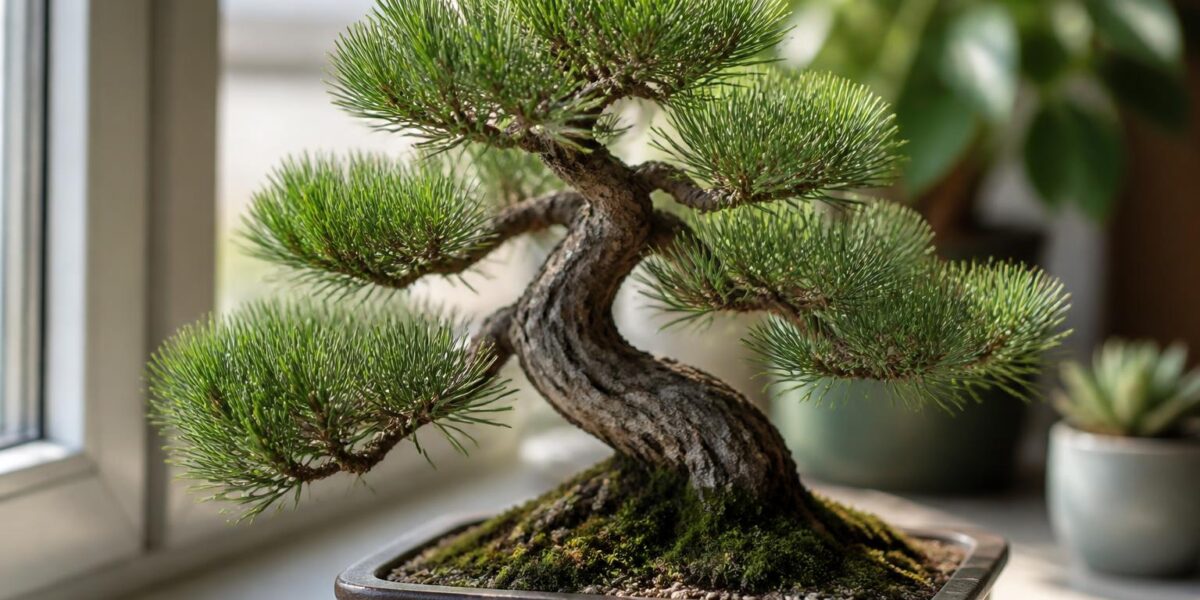
A bonsai is a miniaturized version of a full-size plant — its toxicity profile matches the underlying species exactly. A pine bonsai is simply a young, root-pruned, wire-trained Pinus tree in a shallow pot, so anything you read about full-size pines applies in miniature. The good news: most true pines (Pinus species, including Japanese black pine, Japanese white pine, Scots pine, and mugo pine — all common bonsai subjects) are not classically poisonous. The caveat: pine needles, sap, and bark can still cause mild gastrointestinal upset when chewed, swallowed, or repeatedly mouthed by a curious cat or dog.
For most healthy pets, a single nibble of a pine bonsai needle is unlikely to cause more than drooling, a soft stool, or a brief bout of vomiting. The bigger practical hazards are mechanical — sharp needle tips, swallowed wire, and the pebble or akadama topdressing that bonsai growers love. So while a pine bonsai is much safer than an azalea bonsai, ficus bonsai, or jade bonsai, “safe enough” still means “supervised and out of reach.”
Are Pine Bonsai Toxic to Cats and Dogs?
Pinus species are not on the ASPCA toxic plant database as classically poisonous, but veterinary toxicology references do flag pine needles as mildly irritating to the gastrointestinal tract. The needles contain volatile resins, terpenes, and small amounts of essential oils that can inflame the stomach lining when chewed and swallowed. Dogs that snack on fallen needles or chew the trunk of a low-set bonsai may drool, vomit, or develop loose stool within a few hours. Cats are usually less interested in needles than in the soil, moss, or the swaying upper foliage they can bat at — but the same GI signs apply if they actually ingest plant material.
Pine sap (the sticky resin that oozes from a freshly cut branch or a damaged trunk) contains turpentine-like compounds that can irritate the mouth and skin. A pet that licks fresh sap may smack their lips, paw at the face, or drool. The reaction is generally short-lived and self-limiting, but it is uncomfortable and worth a call to your vet if signs persist beyond a few hours.
For specific information on full-size needles, see are pine needles toxic to cats and are pine needles toxic to dogs — both apply directly to pine bonsai because the chemistry is identical.
Pine Bonsai vs Norfolk Pine: A Critical Distinction
Here is where many pet owners get tripped up: not every plant called “pine” is actually a Pinus. Norfolk Island Pine (Araucaria heterophylla) is a popular indoor “pine” sold around the holidays, but it is in a completely different botanical family (Araucariaceae) and IS classified as toxic by the ASPCA. Norfolk pine ingestion typically causes vomiting and depression in both cats and dogs, and the sap can cause oral irritation.
If you are not sure whether your bonsai is a true Pinus or a Norfolk-style Araucaria, look at the needles. True pines bear needles in bundles (fascicles) of two, three, or five — held together at the base by a small papery sheath. Araucaria has flat, scale-like, overlapping leaves arranged tightly along the branch. When in doubt, treat it as toxic until you confirm.
For Norfolk-style risk profiles, see are Norfolk pine toxic to cats and are Norfolk pine toxic to dogs.
Toxic Compounds in Pinus Species
The mildly irritating compounds in pine bonsai needles and sap include:
- Monoterpenes (alpha-pinene, beta-pinene, limonene) — volatile aromatic oils that give pine its forest scent and can irritate the GI tract when concentrated.
- Abietic acid and related diterpene resin acids — the sticky components of pine sap; mildly irritating to mucous membranes and skin.
- Tannins — astringent plant compounds that can cause stomach upset in larger doses.
None of these compounds approaches the severity of grayanotoxin (azalea), cardiac glycosides (oleander, lily of the valley), or insoluble calcium oxalate raphides (peace lily, schefflera). They sit in the “mild irritant” tier — annoying for your pet, rarely dangerous unless a small dog gnaws a large quantity in one session.
Symptoms to Watch After Pine Bonsai Ingestion
If your cat or dog has chewed a pine bonsai, monitor for:
- Drooling or smacking lips
- Vomiting, often with bits of needle visible
- Loose stool or mild diarrhea within 6–12 hours
- Mild lethargy or appetite drop
- Pawing at the mouth from sap stickiness
Most signs resolve within 24 hours with rest and access to clean water. Call your veterinarian if your pet vomits more than twice, will not eat for more than a day, becomes lethargic, or you suspect they swallowed a wad of wire, soil, or pebble topdressing along with the needles. Mechanical obstruction from swallowed bonsai wire is more dangerous than the plant chemistry itself.
First Aid Steps if Your Pet Chews a Pine Bonsai
Stay calm. Remove your pet from the area, pick up loose needles, and check the bonsai for missing branches or chunks of bark to estimate how much was eaten. Wipe sap off the muzzle, paws, or chest with a damp cloth — do not use solvents or pet-shampoo on the face. Offer fresh water but do not force-feed.
Do not induce vomiting at home. Do not give hydrogen peroxide, salt, or any home remedy. Vomiting is only safe under direct veterinary guidance, and many pine ingestions do not warrant emesis at all.
Phone your veterinarian, the ASPCA Animal Poison Control Center at 888-426-4435, or the Pet Poison Helpline at 855-764-7661. Have the plant species, your pet’s weight, and an estimate of how much was eaten ready when you call. A consultation fee may apply to the poison control lines, but the toxicologists will give you a clear in-clinic-or-monitor-at-home decision.
When to Go Straight to the Emergency Vet
Skip the home monitoring and head directly to an emergency clinic if your pet shows:
- Repeated vomiting that will not stop
- Bloody vomit or stool
- Severe abdominal pain (hunched posture, whining when touched)
- Signs of obstruction: failure to keep water down, no bowel movement, distended belly
- Difficulty breathing, collapse, or seizure (very rare with pine, but possible if swallowed wire perforates the GI tract)
Bring a piece of the bonsai with you, including a labeled tag if you have one. Photograph the plant in its pot before you leave so the clinic can confirm species.
Living With a Pine Bonsai and Pets
Pine bonsai are slow-growing, light-loving outdoor trees by preference — they want full sun, cold winter dormancy, and good airflow. Most pet households keep them on a balcony or in a bright sunroom, which naturally limits pet contact. If you must display indoors, choose a high shelf with no climb route, away from cat-jumping zones and out of paw range for any dog larger than a teacup breed.
Sweep dropped needles daily — fallen pine needles are the single most likely thing your pet will actually swallow. Cover the soil surface with a heavier, larger-stone mulch (river rocks the size of a quarter or larger) so cats cannot dig and dogs are less tempted to mouth pebbles. Tuck wire ends carefully into the bark so a curious nose does not snag on a sharp wire tip.
Cross-reference our other bonsai guides — see Chinese elm bonsai safe for pets for a pet-friendlier alternative, and azalea bonsai toxic to pets for the most dangerous bonsai species to avoid.
Safer Bonsai and Houseplant Alternatives
If you love the bonsai aesthetic but want to cut the GI-irritant risk to near zero, consider:
- Chinese elm bonsai (Ulmus parvifolia) — ASPCA non-toxic; the gold-standard pet-safe bonsai.
- Bird’s nest fern or Boston fern — non-toxic foliage with sculptural appeal.
- Pet-safe rosette succulents like Echeveria or Haworthia for a tabletop “tiny tree” look without bonsai training.
For broader plant choices, browse our pet-safe garden plants roundup, our cat-safe houseplants guide, and meet adoptable pets on our adopt cats and adopt dogs pages.
Common Pine Bonsai Species and What They Mean for Pet Owners
Bonsai enthusiasts work with a handful of pine species, all in the genus Pinus, all roughly equivalent in pet-safety terms:
- Japanese Black Pine (Pinus thunbergii) — the classic bonsai pine, with paired stiff dark needles and dramatic bark.
- Japanese White Pine (Pinus parviflora) — fine bluish needles in fascicles of five; common at higher-end bonsai shops.
- Scots Pine (Pinus sylvestris) — orange-brown bark and short needles; popular in European bonsai traditions.
- Mugo Pine (Pinus mugo) — compact dwarf pine; often used by beginners.
- Ponderosa Pine (Pinus ponderosa) — long needles, large mature trunks; collected from the wild rather than nursery-grown.
None of these are classically toxic. All carry the same mild GI-irritant profile — terpenes in the needles and resin acids in the sap. The pet-safety story is identical regardless of which pine species you keep.
Differences Between Cats and Dogs With Pine Bonsai
Cats and dogs interact with pine bonsai in different ways, which affects what kind of incident you are most likely to see. Cats are visual hunters drawn to motion and small detail; they bat at swaying needles, mouth dropped fragments, and may chew the soft moss or topdressing more than the needles themselves. Dogs are scent and texture investigators; they may chew the trunk or aerial roots if the pot is at floor level, and small dogs may swallow whole twigs out of pure curiosity.
Cats are slightly more likely to develop drooling and vomiting from terpene exposure because the volatile oils irritate their more sensitive mucous membranes. Dogs are more likely to develop the mechanical hazards — swallowing wire, gulping pebbles, or chewing through the trunk of a smaller specimen. Adjust your supervision plan to match your pet’s pattern.
What to Tell Your Vet or the Poison Control Hotline
When you call, have these details ready: your pet’s species, breed, weight, and age; any pre-existing medical conditions or medications; the exact plant species (Pinus and the cultivar if you know it); the approximate amount eaten; the time of exposure; and any signs you have observed so far. Photograph the bonsai before you head to the clinic — a clear image of the needles, bark, and pot label saves diagnostic time.
If you have other plants in the same room, include them in your description. Mistaken identification is common — a household with a “pine bonsai” and a Crassula tetragona “mini pine tree” side by side is a common scenario, and the two have very different toxicity profiles. See Crassula tetragona toxic to pets for the look-alike succulent.
Frequently Asked Questions
Are pine bonsai safe for pets to be around?
Yes, with supervision. True Pinus species bonsai are not classically toxic, but the needles can cause mild GI upset if chewed. Keep the tree out of paw range and sweep dropped needles daily.
What happens if my dog eats a few pine bonsai needles?
Most dogs will have at most mild drooling, one or two episodes of vomiting, or a soft stool within a day. Call your vet if signs persist past 24 hours, if your dog ate a large quantity, or if you suspect bonsai wire was swallowed alongside.
Is pine bonsai sap dangerous to cats?
Fresh sap can cause mouth irritation and drooling. Wipe it off the fur with a damp cloth. Severe reactions are rare, but call your vet or ASPCA APCC at 888-426-4435 if your cat shows persistent oral pain or refuses food.
How do I tell a pine bonsai from a Norfolk Pine?
True pines (Pinus) have needles bundled in groups of two to five, held by a small basal sheath. Norfolk Pine (Araucaria heterophylla) has flat, overlapping scale-like leaves and is in a different family — and Norfolk Pine IS toxic to pets.
Can I keep a pine bonsai in a home with cats and dogs?
Yes, with placement care. Use a high, stable, climb-proof shelf, cover the soil with large stones, and sweep dropped needles regularly. If your cat is a determined climber, an outdoor balcony or screened porch is a safer permanent home for the tree.


