
Last updated: May 16, 2026
In this article
- The Short Answer on Hoya Retusa
- What Hoya Retusa Actually Is
- Why Most Sources Consider Hoya Retusa Low-Risk
- The Realistic Hazards With a Chewed Plant
- Symptoms to Watch After Ingestion
- What to Do if Your Pet Eats Hoya Retusa
- Placement That Reduces Pet Access
- Pet-Safe Alternatives Worth Knowing
- Care That Keeps the Plant Tidy
- Adoption and Pet-Safe Living
- Frequently Asked Questions
The Short Answer on Hoya Retusa
The grass-leaved Hoya is one of the calmer pet questions in the houseplant world. Hoya retusa safe for pets is a fair framing per the available data: most veterinary plant references and houseplant safety lists place this species in the low-risk category, the ASPCA toxic plant database does not specifically list Hoya retusa, and the wider Hoya genus has a notably clean safety record across decades of indoor culture. A cat that batters at a strand or a dog that gulps a fallen leaf is far more likely to end up with mild GI signs than a poisoning emergency.
The honest caveats are real but small. Any plant material eaten in volume can cause vomiting or loose stool, the milky white latex inside Hoya stems is mildly irritating to lips and mouths, and the long thin foliage can occasionally scratch gums during enthusiastic chewing. Call your veterinarian if your pet is very small, very young, very old, has chronic health issues, or shows symptoms past a few hours. The ASPCA Animal Poison Control Center is at (888) 426-4435 and the Pet Poison Helpline is at (855) 764-7661.
What Hoya Retusa Actually Is
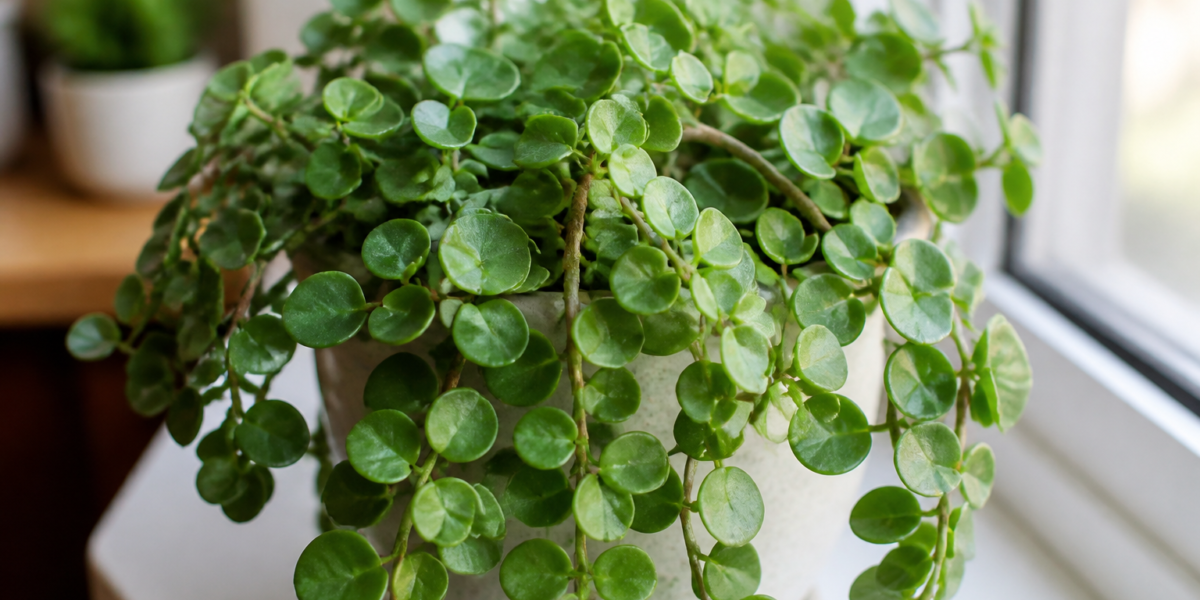
Hoya retusa is a small epiphytic vine native to India and parts of Southeast Asia, where it grows clinging to tree bark in humid lowland forest. The species earned its grass-leaved nickname from the unusual flat, narrow leaves: each one is two to four inches long, less than half an inch wide, and tipped with a tiny notch (the “retuse” feature that gives the species its name). Mature specimens produce small star-shaped flowers, often white with a deep red corona center, fragrant in the evening.
The plant is unusual among Hoya in that the foliage looks almost succulent and grass-like rather than waxy and leathery. New growth emerges as thin pencil-shaped strands that gradually flatten into the mature grass-leaf form. Compared with showier Hoya like Hoya carnosa or Hoya pubicalyx, the retusa is delicate, slow-growing, and best appreciated up close. None of those traits change the safety picture.
Why Most Sources Consider Hoya Retusa Low-Risk
Hoya retusa belongs to the milkweed family Apocynaceae, but the Hoya genus carries a strikingly different safety profile from the toxic Asclepias milkweeds that cause pasture poisonings. The plant does not produce calcium oxalate raphides, the needle-like crystals that drive aroid family chewing hazards in philodendron, pothos, or dieffenbachia. It does not contain the cardiac glycosides of oleander, the grayanotoxins of azalea, or any of the high-priority alkaloids that veterinary toxicology resources actively flag.
Our umbrella piece on whether Hoya is toxic to cats walks through the gap in formal published data and the long track record of casual indoor exposure. The practical takeaway for grass-leaved Hoya is the same as for the broader genus: low-risk classification, mild GI signs in the worst realistic case, and no documented pattern of severe poisoning.
The Realistic Hazards With a Chewed Plant
What can actually go wrong with a chewed Hoya retusa is mechanical and mild GI rather than chemical. The grass-shaped leaves are thin and surprisingly tough, and an enthusiastic chew can scratch gum tissue or lodge a fragment between teeth. The white latex sap that leaks from broken stems is mildly irritating to mucous membranes and may cause brief drooling, lip licking, or mouth discomfort. A pet that swallows a meaningful volume of foliage may experience a short bout of vomiting or loose stool while the indigestible material clears.
Cats are the more likely instigators. The thin, almost grass-like strands of Hoya retusa look enough like real grass that a cat may treat the plant as a salad bar, especially if no actual cat grass is on offer. Dogs are less interested in delicate foliage but more likely to crash into the pot in a single enthusiastic raid, sometimes eating soil and broken stems together. The realistic outcome is mild and short-lived in either species.
Pesticide and miticide residue on shop-bought specimens deserves a separate note. Hoya are mealybug magnets, and growers treat plants regularly. A nibble of freshly purchased foliage can deliver more pesticide than plant compound, so quarantine new specimens for two weeks before letting curious pets share the room.
Symptoms to Watch After Ingestion
Most pets that nibble a grass-leaved Hoya will show no symptoms whatsoever. When signs do appear, they typically show within an hour or two and resolve on their own within a day. Common findings include:
- Drooling or repeated lip-licking
- One or two episodes of vomiting
- Soft stool or mild diarrhea
- Reduced appetite for the next meal
- A briefly subdued mood
What you should not see with Hoya retusa is severe weakness, tremors, seizures, collapse, pale gums, breathing difficulty, or blood in vomit or stool. Any of those signs would be inconsistent with the species and would suggest a different plant or substance is in the picture. Treat severe symptoms as a same-day veterinary emergency regardless of what you think your pet got into.
What to Do if Your Pet Eats Hoya Retusa
Begin with the basics: separate your pet from the plant, pick up any chewed fragments, and wipe the muzzle and paws with a damp cloth to clear sticky latex. Offer fresh water. Do not give milk, do not try to induce vomiting at home, and do not reach for human over-the-counter medications without veterinary direction.
Call your own veterinarian for a quick triage if you have any concern at all. Mention the species, an estimate of how much was eaten, your pet’s weight and age, and any symptoms you have already noticed. After hours, the ASPCA Animal Poison Control Center at (888) 426-4435 and the Pet Poison Helpline at (855) 764-7661 are both staffed around the clock and can give species-specific advice plus a case number your regular clinic can use later.
Bring a photo or a sample piece of the plant to any in-clinic visit. Hoya retusa is unusual enough that an emergency veterinary team may not recognize chewed fragments, and a confirmed identification rules out the look-alike grasses and small succulents that sometimes get mislabeled at retail.
Placement That Reduces Pet Access
Hoya retusa is most often grown in a small hanging basket where its needle-like strands can drape softly over the rim. A ceiling-mounted hook in a bright window is the simplest pet-friendly placement: dogs cannot reach a hanging plant at all, and a strand that ends well above floor level discourages even acrobatic cats. Avoid window-mounted plant shelves where a cat can climb above the basket, and avoid plant stands shorter than four feet.
If you want a tabletop display instead, choose a heavy ceramic pot with a wide base and place the plant on an open shelf rather than a coffee table. Trim trailing growth before it reaches the floor and sweep up dropped foliage the same day. The grass-leaved Hoya sheds more debris than waxier cousins, and floor-level fragments are an open invitation to opportunistic chewers.
Pet-Safe Alternatives Worth Knowing
For households where the chewing battle has already been lost, an outright swap is sometimes simpler than perfect placement. Our guide to string of turtles covers a small succulent vine with a similar low-risk profile and trailing habit. The watermelon peperomia and baby rubber plant both deliver compact pet-safe foliage at a tabletop scale, and the wider cat-safe houseplants roundup pulls together more options for multi-cat homes.
If you keep a mixed Hoya collection, our cultivar siblings Hoya kerrii and Hoya linearis share the same low-risk framing. For a sturdy succulent that takes neglect well, our Haworthia for cats and Haworthia for dogs guides cover small architectural plants that hold up to the occasional curious paw.
Care That Keeps the Plant Tidy
A healthy grass-leaved Hoya is also a tidy one, and a tidy plant is much harder for a pet to interact with. Give the species bright indirect light, water only when the chunky succulent mix is almost dry, and increase ambient humidity in winter when home heating dries the air. The thin leaves shrivel quickly under stress, and dropped fragments end up exactly where opportunistic chewers find them.
Use orchid-bark mix or a chunky aroid blend rather than dense potting soil. Hoya retusa is epiphytic in the wild and rots quickly in soggy substrates. Repot only every two or three years, and avoid oversized pots that encourage root rot. A compact, well-drained plant produces less debris and looks better at the same time.
Adoption and Pet-Safe Living
If this article found you while you are pet-proofing in advance of bringing home a new companion, that is exactly the level of thoughtfulness a rescue animal benefits from. The Walk Me Home Rescue adopt cats hub and adopt dogs hub list animals waiting for a careful, prepared home. A grass-leaved Hoya in a high hanging basket, a couple of pet-safe tabletop alternatives, and a quick plan for what to do if a pet does take an exploratory bite are almost always enough to make an existing plant collection compatible with a new four-legged housemate.
The grass-leaved Hoya rewards patient care with cascading delicate strands and the occasional cluster of fragrant flowers. With sensible placement and the reassurance that the species is not associated with serious toxicity, Hoya retusa earns its place on the keep list rather than the rehome list for most pet households.
Frequently Asked Questions
Is Hoya retusa safe for cats specifically?
Hoya retusa is generally considered non-toxic to cats per most plant safety references and is not on the ASPCA toxic plant list. The grass-like strands may scratch gums and cause mild GI upset if a cat eats a meaningful amount, but serious poisoning is not documented for this species. Hang the plant well above cat-leap height and call your veterinarian if symptoms last more than a few hours.
My cat thinks the strands are real grass. What should I do?
Offer a real cat-grass pot in a low spot the cat can reach freely. Many cats redirect to the genuine cat grass once a friendlier option is on the menu. Hang the Hoya retusa where the cat cannot leap into it, and trim trailing strands before they dangle within reach.
Can the milky sap hurt my dog?
The white latex from a broken Hoya retusa stem is mildly irritating to mouth tissue but not associated with significant systemic toxicity. Wipe any sap off your dog’s muzzle and paws, offer water, and watch for brief drooling. Call your veterinarian if drooling continues for more than a couple of hours or your dog seems unwell.
What if my pet swallowed a whole stem fragment?
One stem is unlikely to cause more than mild stomach upset in most pets. Watch for vomiting, diarrhea, or reduced appetite over the next twelve hours, offer plenty of water, and call your veterinarian or the ASPCA Animal Poison Control Center at (888) 426-4435 if symptoms persist or your pet is small, very young, very old, or has existing health issues.
Are Hoya retusa cultivars any more toxic than the species?
No. Cultivars and selected forms share the same chemistry as the species, so the low-risk framing applies across all variations. Variegation and cultivar selection change appearance, not safety profile.


