
Last updated: April 10, 2026
In this article
Are Hoya Plants Toxic to Dogs?
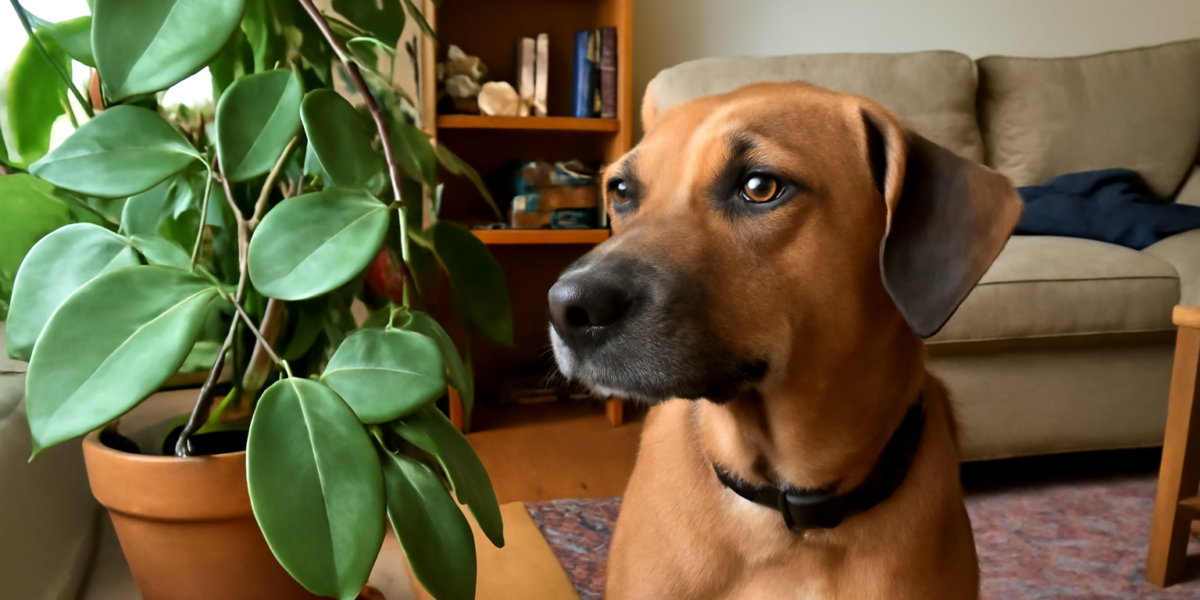
Hoya plants are not toxic to dogs. Often called wax plants or porcelain flowers, hoyas (Hoya carnosa and related species) are listed as non-toxic to dogs, cats, and horses by the ASPCA. If you are searching for attractive houseplants that are safe to keep around your dog, hoyas earn a confident spot on the approved list.
This is reassuring news for plant enthusiasts who share their homes with dogs. Hoyas have surged in popularity over recent years, with collectors seeking out rare varieties and displaying trailing vines throughout their homes. Knowing that these plants pose no poisoning risk means you can grow your hoya collection without compromising your dog’s safety.
While hoyas are non-toxic, chewing on any plant can cause mild digestive upset in dogs. Understanding what to expect and when to seek veterinary advice keeps you prepared for the occasional curious nibble.
Why Hoyas Are Safe for Dogs
Hoya plants belong to the family Apocynaceae, which includes some highly toxic genera like oleander (Nerium) and periwinkle (Vinca). However, hoyas are a notable exception within this family. They do not produce the cardiac glycosides, alkaloids, or other dangerous compounds found in their more toxic relatives.
The thick, waxy leaves that give hoya its common name “wax plant” contain a milky latex sap when cut or damaged. While this sap is mildly irritating in some Apocynaceae species, hoya sap has not been shown to cause toxic reactions in dogs. The ASPCA’s non-toxic classification reflects the absence of harmful compounds in concentrations that would affect pets.
Hundreds of hoya species and cultivars exist, from the common Hoya carnosa to the dramatic Hoya kerrii (sweetheart plant) and the sought-after Hoya linearis. While the ASPCA specifically lists Hoya carnosa, the genus is generally regarded as pet-safe across its various species. No hoya species has been reported to cause toxic reactions in dogs in veterinary literature.
What Happens If Your Dog Chews a Hoya
Dogs that chew on hoya leaves or stems may experience mild, temporary gastrointestinal effects. The waxy, somewhat leathery leaves are not easily digestible, and the plant fiber can cause minor stomach irritation.
Possible symptoms from chewing hoya include a single episode of vomiting, mild diarrhea or soft stool, temporary decreased appetite, and light drooling if the sap contacts the mouth. These reactions are not toxic in nature but rather a normal digestive response to eating non-food plant material.
The thick, rubbery texture of hoya leaves makes them less appealing to chew than softer plants, which naturally limits how much most dogs will eat. Many dogs will mouth a hoya leaf once and lose interest. Puppies in the teething phase are the most likely to persistently chew on hoya plants.
The milky latex sap released when stems or leaves are broken is generally well-tolerated by dogs but may cause mild oral irritation in sensitive individuals. If your dog drools excessively or paws at its mouth after chewing a hoya, offer water and monitor. The irritation should pass quickly.
Hoya Care Tips for Dog-Friendly Homes
Protecting your hoya from your dog is more of a concern than protecting your dog from your hoya. Hoyas are slow growers, and chewing damage can set a plant back significantly.
Placement Strategies
Hoyas thrive as hanging plants, which conveniently places them out of most dogs’ reach. A macrame hanger, wall-mounted planter, or high shelf allows the trailing vines to cascade beautifully while staying safe from curious mouths. Ensure trailing vines do not hang low enough for your dog to reach.
Tabletop hoyas should be placed on stable surfaces where a wagging tail or enthusiastic greeting cannot knock them over. A broken pot creates a mess and exposes your dog to soil, fertilizer, and broken ceramic pieces, which are more concerning than the plant itself.
Soil and Fertilizer Safety
While the hoya plant is non-toxic, the potting mix and fertilizers used with it may not be. Avoid cocoa mulch as a soil topper, as it contains theobromine. Use pet-safe fertilizers when possible, and keep any granular or liquid fertilizer containers stored securely away from your dog.
If your dog tends to dig in plant pots, cover the soil surface with decorative stones or a layer of sphagnum moss to discourage the behavior. This protects both the plant’s roots and your dog’s stomach.
Common Hoyas for Pet-Friendly Homes
The hoya genus offers tremendous variety, all of it safe for dogs. Here are some popular species and cultivars that thrive indoors.
- Hoya carnosa – The classic wax plant with thick, waxy leaves and fragrant pink flower clusters. Easy to grow and widely available.
- Hoya carnosa ‘Compacta’ (Hindu rope plant) – Tightly curled, rope-like foliage. A stunning conversation piece.
- Hoya kerrii (sweetheart plant) – Heart-shaped leaves. Often sold as single-leaf cuttings.
- Hoya pubicalyx – Vigorous grower with dark green leaves speckled in silver. Produces deep pink flower clusters.
- Hoya linearis – Soft, fuzzy, needle-like foliage on trailing stems. Unique texture unlike typical hoyas.
- Hoya obovata – Large, round leaves with silver splashes. Robust and easy to care for.
All of these varieties can coexist safely with your dog. Their diverse leaf shapes, growth habits, and flowering patterns let you build a varied collection without ever introducing a toxic plant into your home.
Other Dog-Safe Plants to Pair With Hoyas
Building a fully dog-safe plant collection is easier than many people assume. Pair your hoyas with these non-toxic companions for a lush, worry-free indoor garden.
Spider plants (Chlorophytum comosum) are easy to grow and produce attractive trailing runners. Peperomia varieties offer diverse leaf shapes and patterns in compact forms. Calathea and Maranta species bring dramatic patterned foliage to lower-light areas. Christmas cactus adds seasonal color, and money trees provide a tree-like focal point.
Contrast these safe options with plants you should avoid in a dog household. Sago palms, lilies, oleander, and dieffenbachia are among the most dangerous common plants for dogs. If you are unsure about any plant, check the ASPCA’s toxic plant database or consult your veterinarian before bringing it home.
When to Call the Vet About Hoya Ingestion
With a non-toxic plant like hoya, most chewing incidents need only basic monitoring at home. However, certain situations do warrant a veterinary call.
Contact your vet if your dog vomits more than twice, if diarrhea continues beyond 24 hours, if your dog seems lethargic or refuses food for more than a few hours, or if you notice any unusual symptoms like facial swelling or difficulty breathing that could indicate a rare allergic reaction.
Also call your vet if your dog ate a significant amount of soil along with the plant, if the plant was recently treated with pesticides or fertilizer, or if you are not completely certain the plant your dog chewed was a hoya. Plant misidentification is a common source of unnecessary panic and, conversely, missed genuine toxicity risks.
Keep a list of all plants in your home with their scientific names. In any plant ingestion situation, being able to tell your vet exactly which species is involved speeds up the assessment and puts your mind at ease. Consider exploring our dog adoption resources for more pet-proofing guidance if you are welcoming a new dog into your plant-filled home.
Frequently Asked Questions
Are all hoya species safe for dogs?
The hoya genus is broadly regarded as non-toxic to dogs. The ASPCA specifically lists Hoya carnosa as safe, and no hoya species has been reported to cause toxic reactions in dogs. While it is theoretically possible that an extremely rare species could differ, the commonly available hoyas sold as houseplants are all considered safe.
Is the milky sap from hoyas dangerous to dogs?
Hoya sap is not considered dangerous to dogs. It may cause very mild oral irritation in sensitive dogs, but this is a minor mechanical irritation rather than a toxic reaction. If your dog gets sap on its fur, wash it off with mild soap and water to prevent it from being ingested during grooming.
Can hoya flowers make a dog sick?
Hoya flowers are non-toxic to dogs. The fragrant, star-shaped flower clusters produce a sweet nectar that drips during heavy blooming. While the nectar is not harmful, its sticky, sweet nature could attract a curious dog. Clean up any dripped nectar to avoid a sticky mess on your dog’s nose or paws.
My puppy keeps chewing on my hoya. How do I stop this?
Move the plant to a location your puppy cannot reach, such as a high shelf or hanging planter. Provide appropriate chew toys to redirect the behavior. Bitter apple spray on the leaves can deter chewing. Most puppies outgrow the intense chewing phase by 12 to 18 months of age.
Is hoya safer than pothos for dog owners?
Yes, significantly. Pothos (Epipremnum aureum) contains calcium oxalate crystals and is classified as toxic to dogs, causing oral irritation, drooling, and vomiting. Hoya is non-toxic and a much safer choice for homes with dogs. If you currently have pothos and a dog, consider swapping it for a hoya with a similar trailing growth habit.


