
Last updated: May 16, 2026
In this article
Rubber Tree Plants Are Mildly Toxic to Dogs
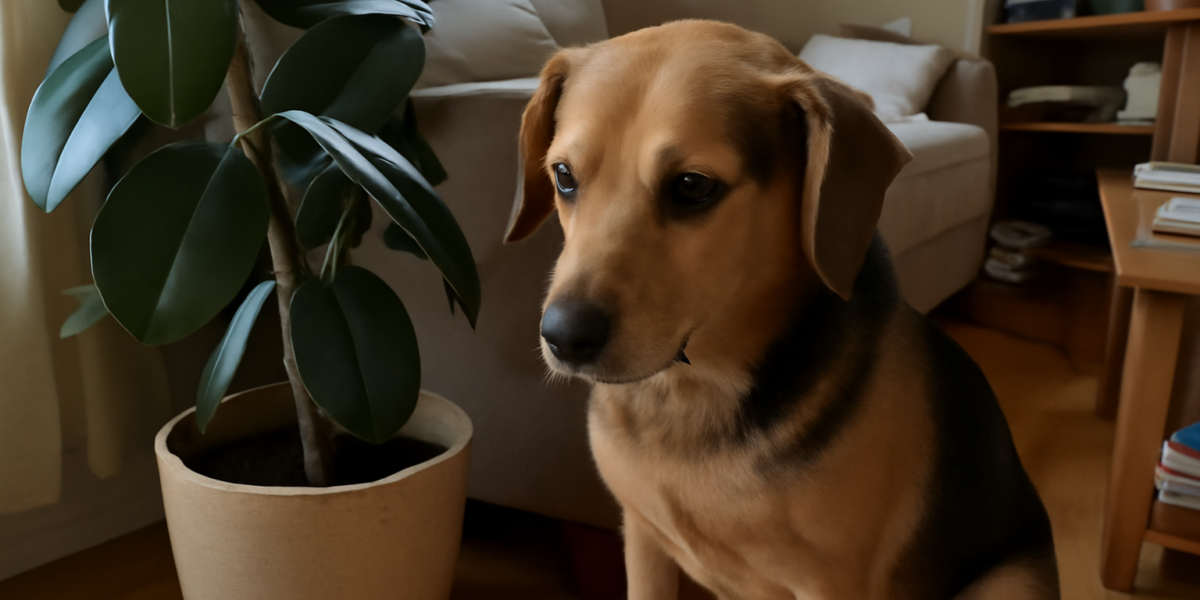
Rubber tree plants (Ficus elastica) are mildly toxic to dogs. The primary concern is the milky white sap, or latex, that the plant produces when its leaves or stems are damaged. This sap contains ficin, a proteolytic enzyme, and ficusin, a psoralen compound, both of which cause irritation to the skin, mouth, and gastrointestinal tract when a dog chews on or ingests the plant.
The toxicity of rubber tree plants is classified as mild to moderate. Most dogs that chew on a rubber tree leaf experience temporary oral irritation, drooling, and possibly vomiting, but the symptoms are generally self-limiting and resolve within 24 hours. However, dogs that consume larger quantities or have particularly sensitive systems may need veterinary support.
Rubber trees are among the most popular indoor plants worldwide, prized for their large, glossy leaves and easy care requirements. Understanding the risk they pose to your dog allows you to make informed decisions about keeping them in your home or replacing them with non-toxic alternatives.
Understanding the Toxic Compounds: Ficin and Ficusin
The milky sap of the rubber tree plant contains two primary irritating compounds that cause problems for dogs.
Ficin is a proteolytic enzyme, meaning it breaks down proteins. When this enzyme contacts the delicate mucous membranes of a dog’s mouth, tongue, and throat, it causes direct tissue irritation and inflammation. This is similar to the effect of bromelain in pineapple or papain in papaya, both of which can cause mouth tingling when eaten in large amounts.
Ficusin belongs to a class of compounds called psoralens, which are photosensitizing agents. When ficusin contacts skin and the area is then exposed to sunlight, it can cause a phototoxic reaction, essentially a chemical sunburn. This is most relevant for skin contact with the sap rather than ingestion, but it adds another dimension to rubber tree toxicity that owners should be aware of.
The concentration of these compounds is highest in the sap, which flows freely when leaves or stems are broken or torn. Intact leaves are less problematic because the irritants are contained within the plant tissue. However, a dog that aggressively chews on a leaf will release plenty of sap in the process.
All plants in the Ficus genus share similar sap chemistry, meaning other common houseplants like the weeping fig (Ficus benjamina) and fiddle leaf fig (Ficus lyrata) pose comparable risks to dogs.
Symptoms of Rubber Tree Plant Exposure in Dogs
Symptoms vary depending on whether the exposure was through ingestion (chewing or eating the plant) or through skin contact with the sap.
Oral and gastrointestinal symptoms from chewing or ingesting the plant include:
- Immediate drooling and pawing at the mouth from sap contact with oral tissues
- Redness or swelling of the lips, tongue, or gums
- Nausea and lip licking
- Vomiting, usually within one to three hours
- Diarrhea, typically mild
- Decreased appetite for several hours
Skin contact symptoms from sap exposure include:
- Redness and irritation at the contact site
- Itching or discomfort
- Blistering or a rash-like reaction, especially if the area is exposed to sunlight (phototoxic reaction from ficusin)
- Hair loss at the contact area in some cases
Eye contact with the sap can cause redness, tearing, and irritation. If sap gets into your dog’s eyes, flush them gently with lukewarm water or saline for several minutes and contact your veterinarian.
Most symptoms are mild and self-limiting. The bitter taste of the sap and the immediate oral irritation typically prevent dogs from consuming large amounts, which naturally limits the severity of poisoning.
First Aid and Treatment
The response to rubber tree exposure depends on the type of contact and the severity of symptoms.
For oral ingestion, remove any remaining plant material from your dog’s mouth. Offer fresh water to help rinse away sap residue and dilute any that has been swallowed. Contact your veterinarian or the ASPCA Animal Poison Control Center (888-426-4435) to report the exposure and receive guidance based on your dog’s specific situation.
For skin contact with sap, wash the affected area with mild soap and water as soon as possible. Remove the sap before your dog has a chance to lick it off and ingest it. Keep the area out of direct sunlight for 24 to 48 hours to minimize the risk of a phototoxic reaction. If a skin reaction develops, a cool compress can provide temporary relief.
For eye exposure, flush the eyes gently with lukewarm water or sterile saline solution for at least ten minutes. Hold the eyelid open if your dog will tolerate it. If redness, squinting, or discharge persists after flushing, seek veterinary care to rule out corneal damage.
Veterinary treatment, when needed, is supportive and may include anti-nausea medication, gastroprotective drugs, and fluids for dehydration. For skin reactions, topical anti-inflammatory cream or oral antihistamines may be prescribed. Most dogs recover fully within one to two days with no lasting effects.
Rubber Tree vs. Other Ficus Plants
The Ficus genus includes over 800 species, many of which are common houseplants. Understanding their shared toxicity profile helps you identify all the potential risks in your home.
Plants in the Ficus family that share similar sap-based toxicity include:
- Weeping fig (Ficus benjamina): one of the most popular indoor trees, with similar sap irritation
- Fiddle leaf fig (Ficus lyrata): a trendy houseplant with large violin-shaped leaves and identical sap concerns
- Creeping fig (Ficus pumila): a trailing vine sometimes used in terrariums or as ground cover
- Ficus Audrey (Ficus benghalensis): gaining popularity as an alternative to the fiddle leaf fig
The rubber tree plant should also not be confused with the rubber plant (Peperomia obtusifolia), sometimes called the baby rubber plant, which is non-toxic to dogs. The names are confusingly similar, but they are entirely different species. If you are shopping for a safe houseplant, the Peperomia version is the pet-friendly choice.
For dog owners who love the look of large-leafed tropical plants but want to avoid all ficus-related risks, consider the bird’s nest fern, calathea varieties, or cast iron plant as safe alternatives. These provide lush greenery without the irritating sap. You can also check our guides on philodendron toxicity and succulent safety for more houseplant guidance.
Prevention Tips for Dog Owners
If you decide to keep your rubber tree plant, strategic management can reduce the risk of your dog getting into it.
Place the plant on a tall stand or in a room your dog does not access. Rubber trees can grow quite large, which makes them harder to put out of reach as they mature. Regular pruning keeps the plant at a manageable size and reduces the chance of low-hanging leaves tempting your dog.
Clean up fallen leaves promptly. As rubber tree leaves age and drop, they become more accessible to dogs and may still contain irritating sap. Check the area around your plant regularly and dispose of any dropped leaves.
When pruning or repotting your rubber tree, wear gloves to protect your own skin from the sap and keep your dog out of the room. The sap flows freely from fresh cuts and can drip onto floors and surfaces where your dog might lick it.
Train a reliable “leave it” command as an additional safety measure. While training alone is not sufficient protection, a dog that responds to “leave it” gives you time to intervene before significant ingestion occurs. Combine verbal commands with environmental management for the best results.
If your dog shows repeated interest in your rubber tree despite your best efforts, the safest option is to rehome the plant to a pet-free household or office and replace it with a non-toxic alternative. No houseplant is worth your dog’s discomfort or an emergency vet bill. For broader guidance, explore our dog care resource hub.
Frequently Asked Questions
Can rubber tree sap cause an allergic reaction in dogs?
Yes, some dogs may develop an allergic response to ficin or other compounds in rubber tree sap, particularly with repeated exposure. Signs of an allergic reaction include excessive skin irritation, hives, facial swelling, or difficulty breathing. If you notice any of these symptoms, seek veterinary care immediately. Dogs with known latex allergies may be more susceptible.
Is the rubber tree more dangerous for puppies?
Puppies face higher risk for two reasons: they are more inclined to chew on everything during their teething and exploratory phase, and their smaller body weight means a given amount of toxin has a proportionally larger effect. Keep rubber trees completely out of reach of puppies, or better yet, remove them from the home until your puppy has passed the chewing phase.
My dog licked the sap from a broken rubber tree leaf. What should I do?
Offer water immediately to dilute the sap. Watch for drooling, vomiting, or loss of appetite over the next few hours. A small lick usually causes only brief oral irritation. If symptoms develop and persist for more than a few hours, or if your dog appears uncomfortable, contact your veterinarian for advice.
Does the rubber tree lose toxicity when the leaves dry out?
Dried rubber tree leaves contain less sap than fresh ones, but some residual irritating compounds remain present. Dried leaves may also pose a gastrointestinal obstruction risk if swallowed in pieces. It is best to dispose of all fallen leaves, whether fresh or dried, to eliminate any risk.
Are rubber tree roots toxic to dogs that dig in the pot?
The roots contain sap similar to the rest of the plant and can cause the same mild irritation if chewed. Dogs that dig in houseplant pots may also ingest soil, fertilizer, or perlite, which can cause additional gastrointestinal upset. If your dog is a digger, placing decorative stones over the soil or using a pot cover can discourage access. For more on keeping dogs safe around common garden plants, check our other toxicity guides.


