
Last updated: May 16, 2026
In this article
- The Short Answer on Skimmia and Pets
- What Skimmia Actually Is
- The Toxic Compounds That Matter
- Symptoms in Cats and Dogs
- How Much Skimmia Is Dangerous?
- What to Do If Your Pet Ate Skimmia
- What the Vet Will Likely Do
- Look-Alike and Name Confusion
- Pet-Safer Garden Alternatives for Winter Berries
- Living With Skimmia and a Pet
- When to Skip the Wait-and-See
- Sibling-Tier Hazards Worth Knowing
- The Bigger Picture for Pet Households
- Frequently Asked Questions
The Short Answer on Skimmia and Pets
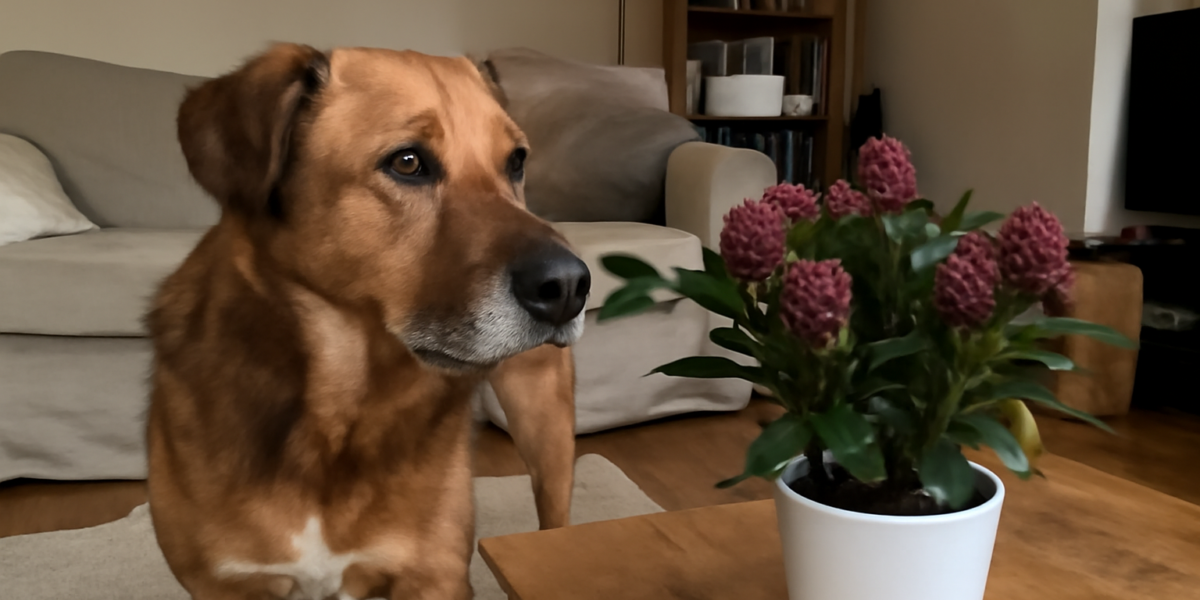
Skimmia is toxic to both cats and dogs. The shrub, sold as Japanese skimmia (Skimmia japonica) and Reeves skimmia (Skimmia reevesiana), produces clusters of bright red berries in autumn and winter that look temptingly snackable to a curious pet. The active toxins are skimmianine and related alkaloids, with effects that include GI upset, drooling, lethargy, and in larger ingestions possible cardiac and neurological signs. Severity sits in the mild-to-moderate range for most exposures but can escalate with larger doses, especially in small pets.
If your cat or dog just ate Skimmia berries or chewed a leaf, do not wait to see what happens. Move the pet away from the plant, photograph the shrub, and call your veterinarian, the ASPCA Animal Poison Control Center at 888-426-4435 (consultation fee applies), or the Pet Poison Helpline at 855-764-7661 (consultation fee applies). Most cases respond well to prompt supportive care, but a vet evaluation gives you a clear baseline and a plan.
What Skimmia Actually Is
Skimmia is a genus of small evergreen shrubs in the Rutaceae family, the same botanical family as citrus. Skimmia japonica is the most commonly grown species in temperate gardens worldwide, especially across the United Kingdom, Ireland, the Netherlands, and the cooler parts of North America. The shrub forms a neat dome of glossy aromatic leaves, produces small fragrant white or pink flowers in late winter and spring, and follows with persistent clusters of bright red berries that hold through the winter and into the next spring on female plants.
Garden centers stock several popular cultivars including Rubella (a male clone with red flower buds), Robert Fortune (female), Reevesiana (a self-fertile dwarf), and Veitchii. The plant is widely used in winter container displays in supermarkets, garden centers, and front-door planters because the berry color is dramatic against snow and grey winter skies. That visibility is exactly why it ends up within reach of curious dogs in front yards and curious cats sniffing around indoor winter arrangements.
Despite the citrus family relationship, Skimmia is not edible for any species. The alkaloid chemistry that makes citrus peel oils irritating is concentrated to a more dangerous degree in Skimmia leaves, bark, and berries.
The Toxic Compounds That Matter
Skimmia produces a family of furanoquinoline alkaloids, with skimmianine the best characterized member of the group. Other related compounds include skimmianine derivatives and minor alkaloids whose effects in pets are less studied. The chemistry is shared with several other members of the Rutaceae family, but the relatively high concentration in Skimmia berries and the pet-friendly visual appeal of the berries make this shrub a more common cause of pet exposure than its cousins.
The toxin is distributed throughout the plant. Berries carry the highest practical concern because they are bright, glossy, and look edible. Leaves are aromatic and bitter, which deters some pets but not all. Stems and bark contain alkaloids as well. Drying does not destroy the compounds, although Skimmia is rarely encountered in dried form.
Severity in most documented pet exposures has stayed in the mild-to-moderate band, with self-limiting GI signs that resolve over twelve to forty-eight hours with supportive care. Larger ingestions, especially in small dogs and cats, can produce more dramatic neurological or cardiac signs, which is why a vet call is the right starting point even for a pet that currently seems fine.
Symptoms in Cats and Dogs
Signs typically begin within one to four hours of ingestion. Watch for:
- Drooling and excessive licking of the lips
- Vomiting, sometimes with chunks of red berry skin
- Loss of appetite and reluctance to eat
- Diarrhea, often watery
- Lethargy and reluctance to play or walk
- Wobbling or apparent weakness in the hind end
- Tremors or twitching in larger ingestions
- Slowed heart rate or unusually weak pulse in severe cases
- Seizures, very rarely, with massive ingestion
The clinical pattern is GI-first with neurological signs appearing later if the dose was large. Cats often show oral signs more prominently because they tend to chew leaves rather than swallow whole berries. Dogs more often gulp berries whole and present with vomiting and lethargy a few hours later. Either pattern is consistent with Skimmia exposure and either deserves veterinary attention.
How Much Skimmia Is Dangerous?
There is no published “safe nibble” dose for either dogs or cats. Most case reports involve dogs eating handfuls of fallen berries from front-yard shrubs and developing self-limiting GI signs that resolve with conservative care. Smaller dogs and cats tolerate less by simple body weight. Puppies and kittens face higher risk per berry eaten.
The relative bitterness of the leaves and the slight aromatic taste of the berries provides some natural protection. Many dogs sample one berry, dislike it, and stop. The risk cases tend to be the dogs who do not stop, often because they are bored, food-motivated, or have learned to associate red berries with treats. Cats are more likely to sample leaves than berries because of their preference for chewing soft plant material.
What to Do If Your Pet Ate Skimmia
Step by step:
- Remove the pet from the area and check for any remaining berries on the ground.
- If your pet still has plant material in the mouth, gently sweep visible pieces out with your finger. Do not force a frightened animal’s jaw open.
- Photograph the shrub and any chewed material so the vet can confirm species.
- Note the approximate quantity eaten, the time, and your pet’s body weight.
- Call your vet, the ASPCA APCC at 888-426-4435, or Pet Poison Helpline at 855-764-7661 for guidance.
- Do not induce vomiting at home. Hydrogen peroxide and finger-down-the-throat techniques are unsafe in cats and risky in dogs.
If your pet is showing severe signs such as collapse, persistent vomiting, or seizures, drive to the nearest emergency clinic without phoning ahead. The minutes saved getting to a clinic with monitoring matter more than a phone consultation when symptoms are escalating.
What the Vet Will Likely Do
Treatment is supportive. Most Skimmia exposures resolve well with the following approach: an exam to assess hydration, oral signs, heart rate, and neurological status; intravenous or subcutaneous fluids if vomiting and diarrhea have caused dehydration; anti-emetic medication; activated charcoal if ingestion was recent and the pet is alert enough to receive it safely; cardiac monitoring during the most dangerous window if signs warrant it; a bland diet for two to three days as the GI tract recovers.
For most pets caught early, a same-day outpatient visit and a couple of days of bland food is the entire arc of treatment. Hospitalization is reserved for pets showing more severe signs or for those at higher risk because of pre-existing illness. The prognosis is generally good when veterinary care begins promptly.
Look-Alike and Name Confusion
Skimmia berries are sometimes confused with several other red-berried evergreens that share planting beds. Holly berries have their own toxicity profile based on saponins and methylxanthines. Pyracantha berries (firethorn) are mildly cyanogenic but generally lower-severity. Cotoneaster berries are similar in mild risk. The visual similarity between these shrubs is real, and pet owners often need a plant identification app to confirm exactly which red-berried hedge plant their dog raided.
Skimmia japonica is occasionally confused with Daphne odora at a glance because both are low evergreen shrubs with fragrant late-winter flowers. The two are unrelated and Daphne is far more toxic. Sibling articles on Daphne in cats and Daphne in dogs cover the much higher-severity scenario, and you should rule it out if you are not certain about the species in question.
Skimmia is also not the same as the unrelated Mediterranean shrub mock orange (Pittosporum tobira), covered in our sibling article on Pittosporum in pets, despite some superficial leaf-shape similarity. The toxic chemistry differs.
Pet-Safer Garden Alternatives for Winter Berries
If you love the bright red winter-berry effect, several alternatives give you that look with less pet risk. Hawthorn (Crataegus) and rowan (Sorbus) berries are generally lower-severity for casual exposure than Skimmia, although our articles on rowan berries and hawthorn berries note that large ingestions still warrant a vet call. Beautyberry (Callicarpa) gives you a striking purple instead of red and is generally well-tolerated.
For garden planning more broadly, our pet-safe garden plants roundup walks through winter-interest options that minimize shrub-related risk. Many ornamental grasses, evergreen sedges, and dwarf conifers offer winter texture and structure without producing tempting fruit.
Living With Skimmia and a Pet
If you already have Skimmia in your yard, containment is straightforward in most cases. Female plants are the ones that produce berries; male clones like Rubella stay attractive year-round without the fruit hazard. If your existing plant is a female, consider replacing it with a male cultivar to keep the visual and lose the risk. For a mixed planting where you want pollination and berries on the female, fence the female plant or position it well outside dog and cat range.
Picking up fallen berries during peak winter color helps but is unforgiving on busy weeks. Indoor cut Skimmia stems used in winter floral arrangements should be considered hazardous; if you bring them indoors, place them well above cat and small-dog range, and discard the vase water carefully.
When to Skip the Wait-and-See
Get to a vet immediately, not in the morning, if any of the following are true: a small pet ate a large quantity of berries; the pet is a puppy, kitten, or senior; the pet is showing tremors, weakness, slow heart rate, or any neurological sign; the pet has pre-existing heart, kidney, or liver disease; you cannot identify the shrub with certainty and the suspect plants include Skimmia or Daphne. The cost of a precautionary same-day visit is small compared with the cost of catching cardiac or neurological signs late.
For an otherwise healthy adult dog or cat with a small berry ingestion and no symptoms, a phone call to your vet may be enough to confirm a watch-and-wait plan with clear guidance on when to escalate. Make the call rather than guessing.
Sibling-Tier Hazards Worth Knowing
Skimmia is one of several common UK and European garden shrubs that pet owners frequently overlook in their toxic-plant mental list. Sibling B114 articles cover Pieris in cats, Pieris in dogs, Pittosporum in pets, and Photinia in pets. Together with Daphne, these form the core “UK shrub border hazards” that any pet owner inheriting a mature garden should know.
The B112 article on holly berries in cats covers another red-berried winter shrub that often shares planting beds with Skimmia. Reviewing both helps you build a complete mental picture of the winter-berry hazard category.
The Bigger Picture for Pet Households
Winter and early spring is a quietly risky season for plant exposures because pet owners pay less attention to what is in the yard once flowers are over. Many of the most striking winter shrubs, including Skimmia, holly, pyracantha, cotoneaster, and Daphne, all carry red or orange berries at the same time. Walking your yard in November with a plant identification app and listing every berried shrub you find is one of the most useful winter prep tasks a pet owner can do.
If you are setting up a home for a new pet, our dog adoption hub and cat adoption hub include household-prep checklists that cover seasonal plant hazards. The half hour you spend on the yard portion is one of the cheapest forms of insurance available against winter emergency vet visits.
Frequently Asked Questions
How many Skimmia berries are dangerous to a dog?
There is no published toxic dose. Most reported cases involve dogs eating handfuls of berries with self-limiting GI signs. Treat any meaningful ingestion as a vet call rather than guessing a safe number.
My cat licked a Skimmia leaf but did not chew it. Should I worry?
A lick alone usually delivers a very small alkaloid dose. Watch for drooling, vomiting, or lethargy in the next few hours. If your cat seems comfortable and is eating normally that evening, the exposure was likely minimal, but a phone call to your vet for individualized guidance is reasonable.
Are male Skimmia plants safer than female ones?
The leaves and stems of male and female plants share the same alkaloid chemistry, so chewing leaves carries similar risk. The big practical difference is that male clones do not produce berries, which removes the most attractive part of the plant from a pet’s perspective.
How long do Skimmia symptoms last?
Mild cases typically resolve within twelve to forty-eight hours with supportive care. Larger ingestions can produce signs that persist for two to three days. Symptoms beyond seventy-two hours warrant re-evaluation by your vet.
Can I have Skimmia indoors safely if my pet does not climb?
Berries fall, leaves drop, and the vase water from cut stems is contaminated. Indoor display works only if you can guarantee the pet has zero ground access to the plant, which is harder than it sounds. Most owners are better off using non-toxic alternatives for indoor winter color.


