
Last updated: May 6, 2026
In this article
Best Dog Food Toppers: Boost Nutrition & Picky Eater Solutions
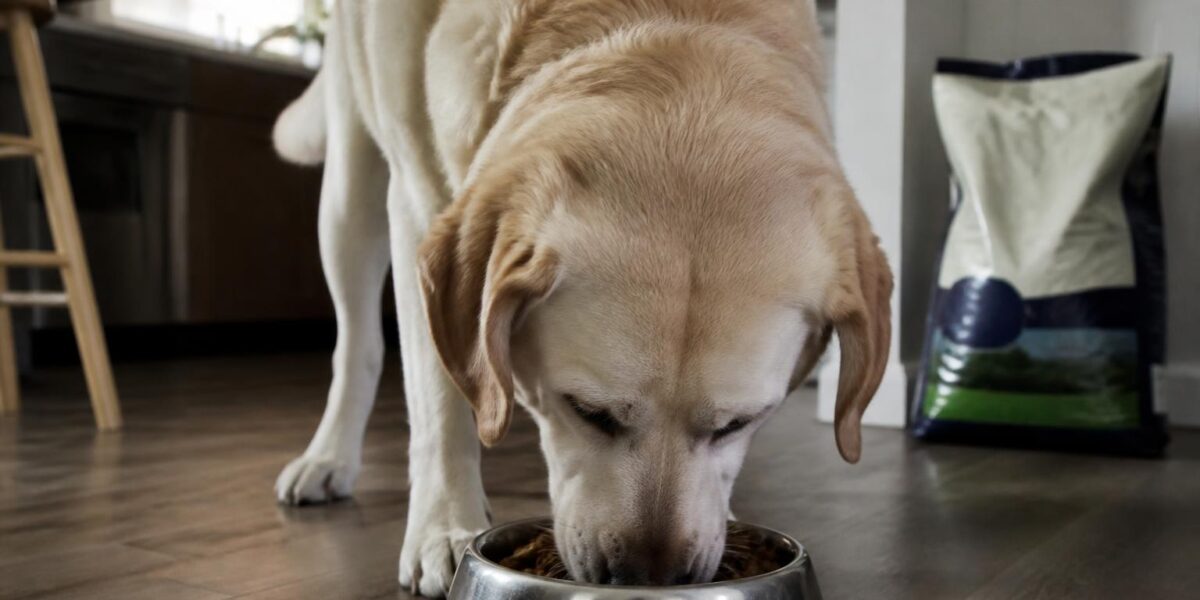
Dog food toppers are one of the simplest ways to improve your dog’s nutrition, encourage a reluctant eater, and add variety to a repetitive diet. The best toppers — including bone broth, goat’s milk, eggs, sardines, and pumpkin — are affordable, easy to prepare, and packed with nutrients that commercial kibble alone may not deliver in sufficient quantities.
Why Use Dog Food Toppers?
Most commercial dog foods are formulated to meet minimum nutritional requirements, but meeting the minimum is not the same as optimizing your dog’s health. Dog food toppers bridge that gap. They add moisture, whole-food nutrients, healthy fats, and bioavailable vitamins that processing can diminish or destroy in standard kibble.
Toppers also serve a practical purpose for dogs that have lost interest in their food. Aging dogs, dogs recovering from illness, and naturally picky eaters often need an extra incentive to finish their meals. A flavorful topper can transform a bowl of ignored kibble into something a dog actually looks forward to eating. The added moisture in many toppers also supports hydration, which is especially important for dogs that rely primarily on dry food.
Beyond nutrition and palatability, toppers give owners the flexibility to rotate flavors and nutrients without switching the base diet entirely. This variety supports a more robust gut microbiome and reduces the risk of developing sensitivities that can arise from eating the exact same food every single day for years. Whether you are caring for a new rescue from a shelter or a longtime family companion, food toppers are a practical addition to any feeding routine. If you are considering bringing a new dog into your home, explore the adoptable pets on our adoption page.
Bone Broth
Bone broth is arguably the most popular and versatile dog food topper available. Made by simmering animal bones — typically chicken, beef, or turkey — for an extended period, bone broth extracts collagen, glycine, glucosamine, and a range of minerals that support joint health, gut lining integrity, and immune function.
The gelatin content in properly made bone broth coats the stomach lining and can soothe dogs with sensitive digestive systems. It is also an excellent way to add moisture to dry kibble, which encourages dogs to eat more slowly and helps with hydration. For dogs recovering from surgery or illness, bone broth is gentle enough to serve on its own as a warm, nourishing liquid meal.
When choosing bone broth, always select products made specifically for dogs or make your own at home. Human bone broth products often contain onion, garlic, and high levels of sodium — all of which are harmful to dogs. To prepare your own, simmer raw bones in water with a splash of apple cider vinegar for 12 to 24 hours, strain thoroughly, and refrigerate. Serve two to four tablespoons over your dog’s food, adjusting for size.
Goat’s Milk
Raw or fermented goat’s milk has become a staple in the natural pet food community, and for good reason. Unlike cow’s milk, goat’s milk contains smaller fat globules and a different protein structure that makes it significantly easier for dogs to digest. Many dogs that are lactose intolerant with cow’s milk tolerate goat’s milk without any digestive upset.
Goat’s milk is rich in probiotics (especially when raw or fermented), enzymes, vitamins A and B, calcium, and potassium. The naturally occurring probiotics support a healthy gut microbiome, which influences everything from digestion to immune response to skin and coat quality. Fermented goat’s milk, sometimes sold as goat’s milk kefir, delivers an even higher concentration of beneficial bacteria.
Serve one to two tablespoons for small dogs and up to a quarter cup for larger breeds. Start slowly to gauge your dog’s tolerance. Goat’s milk is available in the refrigerated or frozen section of most pet supply stores. Always choose products labeled for pets, as they will not contain added sugars or flavorings.
Freeze-Dried Raw Toppers
Freeze-dried raw toppers offer many of the benefits of a raw diet without the preparation, storage challenges, or safety concerns that come with handling fresh raw meat. The freeze-drying process removes moisture while preserving the nutritional integrity of the ingredients, including enzymes, amino acids, and naturally occurring vitamins that cooking would otherwise degrade.
These toppers typically come in protein-focused formulas — chicken, beef, lamb, turkey, or fish — and are designed to be crumbled directly over kibble. Many brands also include organ meats such as liver and heart, which are dense sources of B vitamins, iron, and coenzyme Q10. The strong aroma and rich flavor of freeze-dried raw food makes it an effective enticement for dogs that have grown bored with their regular meals.
When selecting a freeze-dried raw topper, look for products with short, recognizable ingredient lists. Avoid options with excessive fillers, artificial preservatives, or added sugars. Follow the feeding guidelines on the package, as these toppers are nutrient-dense and are meant to supplement a meal rather than replace it entirely. Different breeds may have different nutritional needs, so explore our dog breeds directory to learn more about breed-specific dietary considerations.
Fresh Vegetables
Fresh vegetables are among the most affordable and accessible dog food toppers. Many common vegetables provide fiber, antioxidants, and essential vitamins while keeping calorie counts low — an important consideration for dogs that need to manage their weight.
Some of the best vegetable toppers for dogs include steamed broccoli, lightly cooked green beans, chopped carrots, and diced sweet potatoes. These vegetables are safe, palatable, and easy to prepare. Steaming or lightly cooking vegetables improves digestibility for dogs, as their shorter digestive tracts are less efficient at breaking down raw plant material compared to humans.
Avoid onions, garlic, leeks, and chives, which are toxic to dogs. Corn on the cob poses a choking hazard, and raw potatoes contain solanine, a compound that can cause gastrointestinal distress. When introducing vegetables as a topper, start with small amounts and observe how your dog responds. Most dogs readily accept vegetables when they are mixed into warm food, as the heat releases aromas that make the addition more appealing.
Eggs
Eggs are one of nature’s most complete foods and one of the easiest toppers to prepare. A single large egg provides high-quality protein with a full amino acid profile, along with vitamins A, B2, B12, D, and E, plus selenium and healthy fats. The biotin in egg yolks supports skin and coat health, which is why many owners notice a visible improvement in their dog’s fur after adding eggs to the diet.
Scrambled eggs (cooked without butter, oil, or seasoning) and hard-boiled eggs are the safest preparation methods. Simply chop or mash the cooked egg and stir it into your dog’s food. Most dogs can have one egg per day, though smaller breeds should be limited to half an egg or less to avoid excessive calorie intake.
Some owners feed raw eggs, and while dogs can generally handle them, there is a small risk of salmonella or biotin deficiency from the avidin in raw egg whites. Cooking eliminates both concerns. Eggshells can also be dried, ground into a fine powder, and sprinkled over food as a natural calcium supplement, though this should be discussed with your veterinarian if your dog is already on a balanced commercial diet.
Sardines
Sardines are a nutritional powerhouse and one of the best sources of omega-3 fatty acids available for dogs. Omega-3s — specifically EPA and DHA — reduce inflammation throughout the body, support brain function, promote healthy skin and a glossy coat, and may help slow cognitive decline in aging dogs. Because sardines are small, short-lived fish, they accumulate far less mercury and other heavy metals than larger species like tuna or swordfish.
The easiest way to serve sardines is to buy canned sardines packed in water with no added salt. Drain the liquid, break the sardines into pieces, and mix them into your dog’s food. Small dogs can have one to two sardines a few times per week, while larger dogs can handle three to four sardines per serving. Sardines also provide calcium and phosphorus from the soft, edible bones, as well as vitamin D and coenzyme Q10.
Avoid sardines packed in oil, tomato sauce, or any seasoned liquid. The added fat and sodium in these preparations can cause digestive upset and contribute to unnecessary calorie intake. Fresh sardines are also an option if available, though canned sardines are more practical for regular use.
Pumpkin
Plain canned pumpkin is one of the most widely recommended dog food toppers, valued for its high fiber content, digestive benefits, and low calorie density. The soluble fiber in pumpkin absorbs excess water in the intestines, helping to firm up loose stools, while also adding bulk that can relieve mild constipation. This dual-action digestive support makes pumpkin a go-to recommendation from veterinarians.
Beyond digestive health, pumpkin delivers beta-carotene (which converts to vitamin A), potassium, vitamin C, and vitamin E. The bright orange flesh is also a good source of antioxidants that support immune function and eye health. Despite its rich nutrient profile, a tablespoon of plain canned pumpkin contains only about five calories, making it an ideal topper for dogs on calorie-restricted diets.
Serve one to two teaspoons for small dogs and one to two tablespoons for larger breeds. Always use 100 percent pure canned pumpkin — never pumpkin pie filling, which contains sugar, spices, and sometimes xylitol, all of which are harmful to dogs. You can also bake fresh sugar pumpkin, puree it, and freeze it in ice cube trays for convenient daily portions.
Yogurt
Plain, unsweetened yogurt is a probiotic-rich topper that supports digestive health and provides a good source of calcium and protein. The live active cultures in yogurt — primarily Lactobacillus and Streptococcus thermophilus — help maintain a healthy balance of beneficial bacteria in the gut, which can improve nutrient absorption and strengthen the immune system.
Choose plain, full-fat or low-fat yogurt with no added sugars, artificial sweeteners, or flavorings. Xylitol, a common sweetener in sugar-free yogurt, is extremely toxic to dogs even in small amounts. Greek yogurt is a popular choice because it contains more protein and less lactose than regular yogurt, making it easier on dogs with mild dairy sensitivities.
Start with one teaspoon for small dogs and one to two tablespoons for larger breeds. While most dogs tolerate yogurt well, some may experience gas or loose stools. If your dog shows signs of digestive discomfort after eating yogurt, discontinue use and consider goat’s milk as an alternative probiotic source.
Commercial Dog Food Toppers
The pet food market now offers a wide range of commercially prepared dog food toppers designed for convenience. These products come in several forms, including freeze-dried crumbles, dehydrated mixes, bone broth pouches, gravy packets, and refrigerated fresh food blends. The best commercial toppers use whole-food ingredients, minimal processing, and transparent labeling.
When evaluating commercial toppers, read the ingredient list carefully. The first few ingredients should be recognizable whole foods — real meat, organ meats, vegetables, or fruits. Avoid products that rely heavily on by-products, artificial colors, chemical preservatives such as BHA, BHT, or ethoxyquin, or vague ingredients listed as “animal digest” or “meat meal” without specifying the source. A short ingredient list is generally a good sign.
Commercial toppers are especially useful for owners who travel frequently, have limited time for food preparation, or need a consistent product with controlled nutritional values. Many brands offer formulas targeted at specific needs, such as joint support, skin and coat health, or digestive care. While these products tend to be more expensive per serving than homemade options, the convenience factor makes them a practical choice for many households.
Best Dog Food Toppers for Senior Dogs
Senior dogs face unique nutritional challenges that the right food topper can help address. As dogs age, they often experience decreased appetite, reduced nutrient absorption, joint stiffness, cognitive decline, and changes in digestive efficiency. Toppers that target these specific concerns can make a meaningful difference in quality of life.
Bone broth is one of the best toppers for senior dogs because it provides glucosamine and chondroitin naturally, supporting joint cartilage without the need for a separate supplement. The warm liquid also makes food more aromatic and easier to eat for dogs with dental issues or diminished sense of smell.
Sardines and other oily fish deliver omega-3 fatty acids that combat the chronic low-grade inflammation common in aging dogs. Studies suggest that DHA may also support cognitive function, potentially slowing the progression of canine cognitive dysfunction — the dog equivalent of dementia. Eggs provide easily digestible protein that helps maintain muscle mass, which naturally declines as dogs age.
Pumpkin is valuable for senior dogs prone to constipation, a common issue as the digestive system slows with age. Goat’s milk adds moisture, probiotics, and calories in a form that even dogs with poor appetites tend to accept willingly. For senior dogs on medication that affects appetite, rotating between several appealing toppers can help ensure they continue to eat adequate amounts.
Best Dog Food Toppers for Picky Eaters
Picky eating in dogs is more common than many owners realize, and it can be genuinely stressful when a dog consistently refuses meals. Before reaching for toppers, rule out medical causes with your veterinarian — dental pain, nausea, and underlying illness can all suppress appetite. Once health issues are excluded, strategic use of toppers can make a significant difference.
The most effective toppers for picky eaters are those with strong aromas. Dogs experience food primarily through smell, so toppers that release appealing scents are more likely to trigger appetite. Warm bone broth poured over kibble releases a meaty aroma that most dogs find irresistible. Freeze-dried raw toppers crumbled over food provide a concentrated, protein-rich scent. Lightly warmed sardines also produce a potent fishy aroma that draws even reluctant eaters to their bowl.
Rotation is another key strategy for picky eaters. Dogs that reject food out of boredom rather than genuine dislike often respond well when their topper changes every few days. Alternate between bone broth, scrambled eggs, pumpkin, goat’s milk, and a freeze-dried raw option to keep meals interesting. Avoid the temptation to add increasingly elaborate or rich foods, as this can create a dog that holds out for more and more indulgent options.
If you have recently adopted a picky eater and need guidance on feeding during the adjustment period, our adoption resources offer practical tips for settling a new dog into your home.
What to Avoid When Choosing Dog Food Toppers
Not all foods that seem healthy or harmless are safe as dog food toppers. Knowing what to avoid is just as important as knowing what to add.
Onions, garlic, leeks, and chives are toxic to dogs in all forms — raw, cooked, powdered, or dehydrated. They damage red blood cells and can cause hemolytic anemia. Even small amounts consumed regularly can accumulate and cause harm over time.
Xylitol is an artificial sweetener found in some yogurts, peanut butters, and sugar-free products. It is extremely toxic to dogs and can cause rapid insulin release, leading to hypoglycemia, liver failure, and death. Always check ingredient labels for xylitol, birch sugar, or any sugar alcohol before offering a product to your dog.
Grapes and raisins cause kidney failure in dogs, and the toxic dose varies unpredictably between individuals. Never use grapes, raisins, or products containing them as food toppers.
Excessive salt and seasoning should be avoided in any topper. Human-grade broths, gravies, and sauces are typically too high in sodium for dogs. Salt toxicity can cause vomiting, diarrhea, tremors, and seizures. Stick to plain, unseasoned preparations for all homemade toppers.
Chocolate, caffeine, and macadamia nuts are all toxic to dogs and should never appear in or near their food. While these are unlikely to be intentional toppers, shared meals and kitchen accidents can expose dogs to these substances.
High-fat foods in excess — such as bacon drippings, large amounts of cheese, or heavy cream — can trigger pancreatitis, a painful and potentially life-threatening inflammation of the pancreas. While small amounts of cheese or a drizzle of low-sodium broth are generally fine, consistently adding high-fat toppings is a risk not worth taking.
Frequently Asked Questions
How often should I use dog food toppers?
Most toppers can be used daily as long as they are given in appropriate portions and do not exceed 10 to 15 percent of your dog’s total daily calorie intake. Using toppers at every meal is fine for options like bone broth, pumpkin, or a small amount of goat’s milk. Richer toppers such as sardines or eggs can be rotated a few times per week rather than served at every meal. The goal is to enhance nutrition and palatability without unbalancing the overall diet.
Can I mix multiple toppers at once?
Yes, you can combine toppers, but moderation is important. A common and effective combination is a splash of bone broth with a spoonful of pumpkin, or a crumbled egg over kibble with a drizzle of goat’s milk. Keep the total volume of toppers reasonable relative to the base meal. Introducing multiple new toppers simultaneously can also make it harder to identify the cause if your dog has a digestive reaction, so add one new topper at a time when you are first experimenting.
Are dog food toppers safe for puppies?
Many toppers are safe for puppies, though portions should be significantly smaller and introductions should be gradual. Plain pumpkin, scrambled eggs, and bone broth are generally well-tolerated by puppies over eight weeks old. Avoid giving puppies rich or fatty toppers in large amounts, as their digestive systems are still developing. Always consult your veterinarian before adding toppers to a puppy’s diet, especially if the puppy is on a specific growth formula.
Will toppers make my dog refuse to eat plain kibble?
This is a common concern, and the answer depends on how toppers are used. If you use toppers at every single meal and then suddenly stop, some dogs will hold out for the more appealing version of their food. To prevent this, occasionally serve meals without a topper so your dog does not learn to expect one every time. Rotating the type of topper also helps prevent fixation on any one flavor. Most dogs will continue to eat plain kibble if toppers are used as an enhancement rather than a permanent fixture.
Do dog food toppers replace the need for supplements?
Toppers can reduce the need for certain supplements but do not necessarily replace all of them. For example, sardines provide omega-3 fatty acids that may eliminate the need for a separate fish oil capsule. Bone broth delivers glucosamine naturally. However, dogs with specific medical conditions may still require targeted supplements at therapeutic doses that food toppers alone cannot achieve. Discuss your dog’s individual needs with your veterinarian to determine the right balance of toppers and supplements.


