
Last updated: April 9, 2026
In this article
Can Cats Eat Oat Milk? Safety Guide and Tips
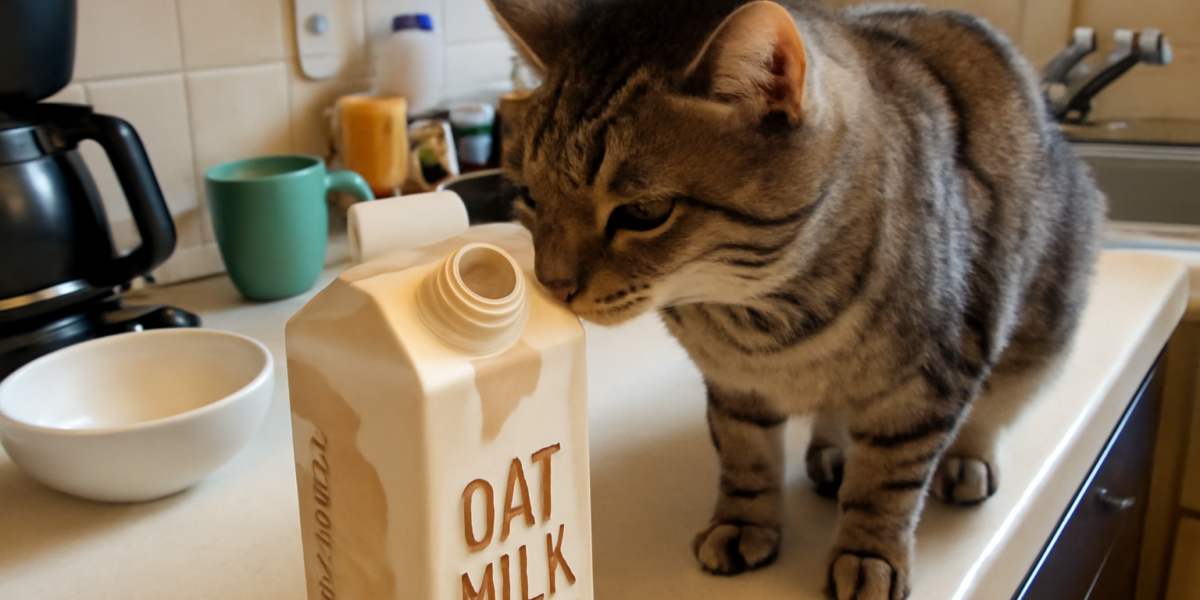
Oat milk has surged in popularity as a dairy-free alternative, finding its way into coffee shops, cereal bowls, and kitchen pantries everywhere. If you pour yourself a glass of oat milk and notice your cat showing interest, you might wonder whether this trendy plant-based beverage is safe to share. After all, regular cow’s milk is known to cause digestive problems in most adult cats, so perhaps oat milk could be a gentler alternative.
While oat milk does avoid the lactose issue that makes dairy milk problematic for cats, it introduces its own set of concerns. As obligate carnivores, cats have no dietary need for plant-based milk of any kind. Their bodies are designed to process animal protein and fat, not grain-based beverages. Understanding the full picture will help you decide whether oat milk deserves a place — however small — in your cat’s world.
Quick Answer: Can Cats Eat Oat Milk?
A small amount of plain, unsweetened oat milk is not toxic to cats and is unlikely to cause serious harm. Oat milk does not contain lactose, which is the component in dairy milk that most adult cats cannot properly digest. In this regard, oat milk is gentler on the feline stomach than cow’s milk.
However, “not toxic” does not mean “recommended.” Oat milk is a carbohydrate-rich, plant-based product that provides virtually nothing a cat needs nutritionally. Cats lack the digestive enzymes to efficiently break down the starches in oats, and many commercial oat milks contain added sugars, oils, thickeners, and flavorings that are unnecessary at best and potentially problematic at worst.
If you want to offer your cat a small taste, limit it to a teaspoon or two of plain, unsweetened oat milk as a very rare treat. It should never replace water as a hydration source or become a regular addition to your cat’s diet. Cats with diabetes, obesity, or digestive sensitivities should avoid oat milk entirely. As always, consult your veterinarian if you have questions about introducing any new food or beverage to your cat’s routine.
Nutritional Profile of Oat Milk
A typical one-cup serving of plain, unsweetened oat milk contains the following nutrients, most of which hold little value for cats:
- Calories: Approximately 80-120 calories per cup, though cats should consume no more than a teaspoon at a time.
- Carbohydrates: About 12-16 grams per cup, primarily from oat starches. This is the most problematic component for cats, who have limited carbohydrate metabolism.
- Protein: Roughly 2-3 grams per cup, and this is plant-based protein that lacks the essential amino acid profile cats require.
- Fat: About 3-5 grams, often from added oils such as rapeseed or sunflower oil.
- Fiber: Approximately 1-2 grams, including some beta-glucan fiber from oats.
- Sugar: Varies widely — unsweetened varieties have 0-1 gram, while sweetened versions can have 7-15 grams per cup.
- Added vitamins and minerals: Many commercial oat milks are fortified with calcium, vitamin D, and B vitamins intended for human nutritional needs.
- Additives: Common additions include gums (gellan, xanthan), emulsifiers, and natural flavors.
From a feline nutrition perspective, oat milk fails to provide the animal-based protein, taurine, arachidonic acid, and preformed vitamin A that cats require. The high carbohydrate content relative to protein makes it particularly unsuitable, as cats’ metabolic systems are geared toward deriving energy from protein and fat rather than carbohydrates. Excessive carbohydrate intake in cats has been linked to obesity and can exacerbate diabetes.
Benefits and Risks of Oat Milk for Cats
Benefits
- Lactose-free: Unlike cow’s milk, oat milk contains no lactose, avoiding the most common cause of dairy-related digestive upset in cats. This makes it gentler on the stomach than traditional milk.
- Non-toxic: Plain oat milk contains no ingredients that are outright poisonous to cats, making accidental consumption a low-concern event.
- Hydration appeal: Some cats who are reluctant water drinkers may be attracted to the slightly creamy texture of oat milk. A tiny splash mixed with water could encourage fluid intake in dehydrated cats, though this should be discussed with a vet.
- Novelty treat: A small taste can serve as an occasional novelty for curious cats without the risks associated with dairy milk, provided it is plain and unsweetened.
Risks
- High carbohydrate content: Oat milk is carb-heavy relative to its other nutrients. Cats have limited ability to process carbohydrates efficiently, and excess carbs are converted to fat, contributing to obesity. Cats with diabetes are especially vulnerable.
- Added sugars and sweeteners: Many commercial oat milks, even those labeled “original,” contain added sugars. Some may contain xylitol or other sweeteners that are extremely toxic to pets. Always check the ingredient list.
- Additives and thickeners: Gums, emulsifiers, and oils added to improve texture and shelf stability may cause gastrointestinal upset in sensitive cats, including gas, bloating, and diarrhea.
- Nutritional displacement: If a cat fills up on oat milk, they may eat less of their nutritionally complete food, potentially leading to deficiencies in essential nutrients.
- Potential for oat sensitivity: While uncommon, some cats may be sensitive to oat proteins or fibers, experiencing digestive discomfort or allergic reactions.
- False sense of nutrition: Oat milk marketed as “healthy” and “fortified” may give pet owners a false impression that it is nutritious for cats. The fortification is designed for human needs and does not address feline nutritional requirements.
How to Serve Oat Milk Safely to Your Cat
If you choose to let your cat try oat milk, careful selection and strict portion control are essential. Choose plain, unsweetened oat milk with the shortest possible ingredient list. The ideal product contains only oats and water, or oats, water, and a small amount of oil. Avoid varieties with added sugar, chocolate, vanilla, or other flavorings.
Read the ingredient list thoroughly. Look out for xylitol or any artificial sweeteners, which are dangerous for cats. Also watch for carrageenan, an additive that has been associated with gastrointestinal inflammation in some animal studies.
Start with no more than half a teaspoon to test your cat’s tolerance. If there are no adverse effects within 24 hours, you can offer up to one to two teaspoons as an occasional treat. This should happen no more than once or twice per week at the absolute most. Place the oat milk in a small dish separate from your cat’s water bowl — you do not want them to associate their water source with milk.
Always ensure fresh water is your cat’s primary hydration source. Oat milk should never be used to replace water, as its caloric and carbohydrate content make it unsuitable for regular hydration. Store opened oat milk in the refrigerator and serve it at room temperature or slightly cool.
Signs of Problems After Eating Oat Milk
Most cats will tolerate a small amount of plain oat milk without issues, but individual reactions vary. Watch for these symptoms:
- Diarrhea or loose stools within 12-24 hours
- Vomiting or nausea
- Gas, bloating, or audible stomach rumbling
- Loss of appetite following consumption
- Lethargy or reduced activity level
- Excessive thirst (which may indicate a blood sugar response to the carbohydrates)
If your cat consumed oat milk containing xylitol or another artificial sweetener, this is a veterinary emergency. Xylitol can cause rapid insulin release, leading to dangerous hypoglycemia (low blood sugar), liver failure, and death. Symptoms include vomiting, loss of coordination, seizures, and collapse. Contact your veterinarian or an emergency animal hospital immediately.
For mild digestive upset from plain oat milk, symptoms typically resolve within 24-48 hours. Discontinue oat milk and ensure your cat has access to fresh water. If symptoms persist beyond 48 hours or worsen, consult your veterinarian.
Healthy Alternatives to Oat Milk
If your cat enjoys liquids beyond water, consider these safer and more appropriate alternatives:
- Cat-specific milk: Several brands produce lactose-free milk formulated specifically for cats, with reduced fat and added taurine. These are the safest “milk” option for cats.
- Bone broth: Plain, unseasoned bone broth made without onion or garlic is a flavorful, hydrating treat that provides some collagen and minerals. Many cats love it.
- Plain kefir: Small amounts of plain goat milk kefir offer probiotic benefits and are often well-tolerated by cats, with reduced lactose compared to regular milk.
- Tuna water: The liquid from a can of tuna packed in water (not oil) can be a highly appealing way to encourage hydration, though it should be low-sodium.
- Water fountains: Many cats prefer running water. A cat water fountain can encourage better hydration without adding any calories or unsuitable nutrients.
- Meat broth ice cubes: Freeze unseasoned chicken or fish broth into small cubes for a fun, hydrating enrichment activity on warm days.
Thinking about adding a cat to your family? Visit our adoption page at Walk Me Home Rescue to find cats ready for their forever homes.
Frequently Asked Questions
Is oat milk better than cow’s milk for cats?
In one specific way, yes — oat milk does not contain lactose, which is the sugar in dairy milk that most adult cats cannot digest. This means oat milk is less likely to cause the digestive upset commonly seen when cats drink cow’s milk. However, oat milk introduces high carbohydrate content that is also problematic for cats. Neither is recommended as a regular part of a cat’s diet. Cat-specific lactose-free milk is a better option than either.
Can kittens drink oat milk?
No, kittens should not be given oat milk. Kittens have very specific nutritional requirements for growth and development that oat milk cannot meet. Young kittens need their mother’s milk or a kitten-specific formula that provides the right balance of protein, fat, vitamins, and minerals. Oat milk lacks adequate protein, taurine, and other nutrients critical for kitten development.
How much oat milk is safe for a cat?
For a healthy adult cat, one to two teaspoons of plain, unsweetened oat milk is a safe upper limit for an occasional treat. This amount should be offered no more than once or twice per week. Even at this small quantity, oat milk provides unnecessary carbohydrates and calories. Treats of all kinds should comprise no more than 10 percent of a cat’s daily caloric intake.
Can oat milk cause diabetes in cats?
While a small taste of oat milk will not directly cause diabetes, regular consumption of carbohydrate-rich foods can contribute to obesity and insulin resistance over time, both of which are major risk factors for feline diabetes. Cats with existing diabetes or pre-diabetic conditions should strictly avoid oat milk and other high-carb foods. Consult your veterinarian about appropriate treats for diabetic cats.
Is barista-style oat milk safe for cats?
Barista-style oat milk is specifically formulated to be creamier and frothier, typically containing more fat (from added oils) and sometimes more sugar than regular oat milk. The higher fat and calorie content makes it an even worse choice for cats. Additionally, barista blends often contain more additives for texture. Stick to the plainest, simplest oat milk available if you choose to offer any at all.
My cat drank a large amount of oat milk — should I be worried?
If your cat consumed a significant amount of plain, unsweetened oat milk, the most likely outcomes are digestive upset — diarrhea, gas, or vomiting — which should resolve within 24-48 hours. Ensure your cat has access to fresh water to prevent dehydration. If the oat milk contained added sweeteners (especially xylitol), contact your veterinarian immediately. For large quantities of any oat milk, a call to your vet for advice is always a prudent step.
Oat milk is one of many human food trends that does not translate well to feline nutrition. While a tiny taste will not harm most cats, there are far better ways to treat your obligate carnivore. For more cat food safety information, explore our guides on kefir and hemp seeds. Looking to share your home with a new feline friend? Check out the cats available for adoption at Walk Me Home Rescue.


