
Last updated: April 10, 2026
In this article
Can Cats Eat Smoked Mackerel? The Short Answer
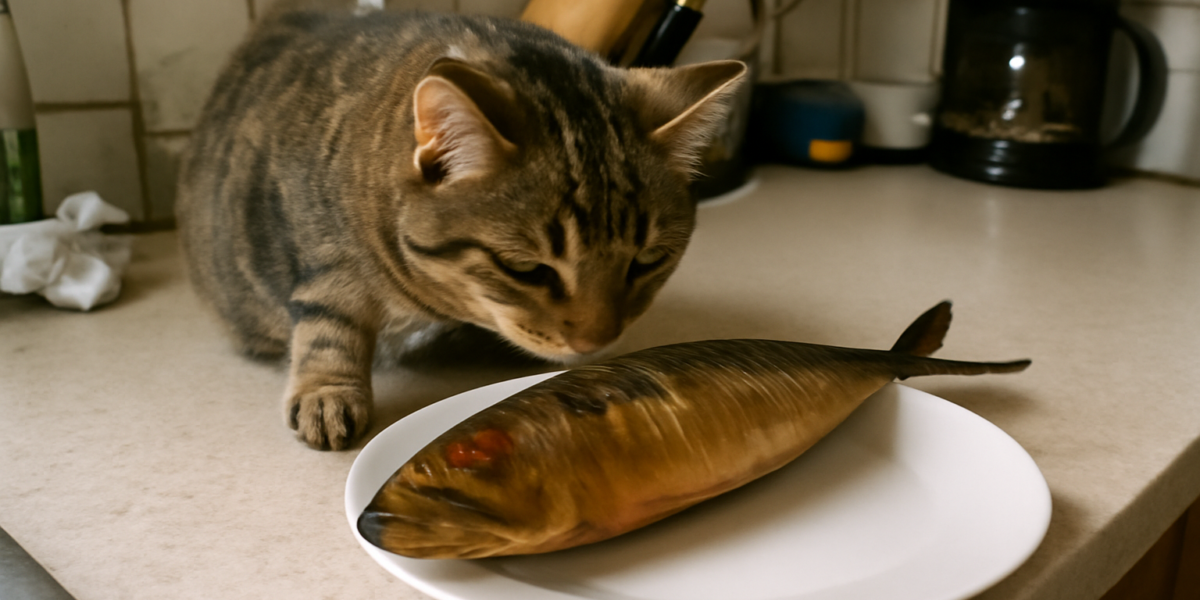
Cats should not eat smoked mackerel as a regular part of their diet. While mackerel itself is a protein-rich fish that cats find irresistible, the smoking process introduces dangerously high sodium levels and concentrates histamines that can trigger adverse reactions. A tiny taste on rare occasions is unlikely to cause an emergency, but smoked mackerel should never become a go-to treat for your cat.
Fish is naturally appealing to cats, and mackerel in particular offers omega-3 fatty acids, protein, and B vitamins. The problem is not the mackerel itself but what smoking does to it. The curing and smoking process packs salt into the flesh, and the extended preparation time allows histamine levels to climb far beyond what a small feline body can handle comfortably.
If you want your cat to enjoy mackerel, fresh or plain cooked mackerel is a much safer choice. Let’s break down the specific concerns around smoked mackerel so you can make an informed decision.
Why Sodium Is a Problem for Cats
A single ounce of smoked mackerel can contain 200 to 400 milligrams of sodium, depending on the brand and curing method. For perspective, an average ten-pound cat needs only about 42 milligrams of sodium per day to meet basic nutritional requirements. Even a small portion of smoked mackerel can blow past that number several times over.
Excess sodium forces a cat’s kidneys to work harder to flush the surplus from the bloodstream. In healthy cats, an occasional spike might pass without visible symptoms beyond increased thirst and urination. But many cats, especially those over seven years old, have some degree of reduced kidney function. For these cats, a salty snack can tip the balance toward a dangerous situation.
Signs of sodium overload in cats include:
- Excessive thirst and urination
- Vomiting or diarrhea
- Lethargy and loss of coordination
- Tremors or seizures in severe cases
If your cat has kidney disease, heart disease, or high blood pressure, smoked mackerel is firmly off the table. Even for healthy cats, the sodium content makes this a poor treat choice when safer options exist.
Histamine Levels in Smoked Fish
Histamine is a compound that builds up in fish as bacteria break down the amino acid histidine. Mackerel is one of the highest-histamine fish species because of its naturally high histidine content. Smoking does not destroy histamine, and in fact the extended handling and processing time can allow levels to climb further.
Cats are sensitive to dietary histamine. While they produce their own histamine as part of normal immune function, ingesting large amounts through food can overwhelm their system. This is sometimes called scombroid-type sensitivity, named after the Scombridae fish family that includes mackerel and tuna.
Symptoms of histamine reaction in cats can look a lot like an allergic response. You might notice facial swelling, itchy skin, vomiting, or diarrhea within a few hours of eating high-histamine fish. Some cats tolerate small amounts without obvious problems, while others react strongly. There is no reliable way to predict which cats will be sensitive.
Fresh mackerel that is properly stored and quickly cooked has significantly lower histamine levels than smoked or canned varieties. If you want to share mackerel with your cat, this distinction matters.
Safe Ways to Feed Mackerel to Your Cat
Plain, cooked mackerel is a nutritious occasional treat for most cats. The key is removing the smoking and curing from the equation entirely. Here is how to prepare mackerel safely for your cat.
Start with fresh or frozen mackerel fillets. Avoid any that have been pre-seasoned, marinated, or smoked. Check the packaging to confirm no salt or preservatives have been added. Frozen mackerel that was flash-frozen shortly after catch tends to have lower histamine levels than fresh fish that has been sitting in a display case.
Cook the mackerel by baking, steaming, or poaching it without any added salt, oil, butter, garlic, or onion. These seasonings are either unnecessary for cats or actively harmful. Garlic and onion, in particular, are toxic to cats even in small amounts.
Serve a small portion, roughly one tablespoon of flaked fish for an average-sized cat. Remove all bones carefully, as small fish bones can splinter and cause choking or internal injuries. Offer mackerel as an occasional treat no more than once or twice a week, not as a meal replacement.
Portion Guidelines
- Kittens (under one year): A few small flakes, about half a teaspoon
- Average adult cats (8-12 pounds): One tablespoon of flaked cooked mackerel
- Large breed cats (over 12 pounds): Up to two tablespoons
Nutritional Benefits of Plain Mackerel for Cats
When prepared without salt or smoking, mackerel offers genuine nutritional value for cats. It is rich in high-quality animal protein, which aligns perfectly with a cat’s obligate carnivore physiology. Cats require amino acids like taurine and arginine that are abundant in fish and meat, and mackerel delivers both.
The omega-3 fatty acids EPA and DHA found in mackerel support healthy skin and coat condition, reduce inflammation, and may benefit joint health in older cats. These are the same fatty acids found in fish oil supplements marketed for pets, but in a whole-food form that many cats prefer.
Mackerel also provides vitamin B12, selenium, and niacin. Vitamin B12 supports nervous system function and red blood cell production. Selenium acts as an antioxidant, and niacin is essential for energy metabolism. These nutrients are already present in quality commercial cat food, but a mackerel treat adds variety and enrichment to mealtime.
That said, mackerel should never replace a complete and balanced cat food. Fish alone does not provide all the nutrients cats need, and feeding too much fish over time can lead to thiamine deficiency or mercury accumulation. Treats, including mackerel, should make up no more than ten percent of your cat’s daily calorie intake.
When to Call the Veterinarian
If your cat has already gotten into smoked mackerel, do not panic. A small nibble is unlikely to cause a crisis in a healthy cat. Monitor your cat for the next 12 to 24 hours and watch for these warning signs.
Contact your veterinarian if you observe:
- Repeated vomiting or diarrhea lasting more than a few hours
- Swelling of the face, lips, or eyes
- Difficulty breathing or wheezing
- Extreme lethargy or reluctance to move
- Tremors, staggering, or seizures
- Refusal to eat or drink for more than 12 hours
Provide fresh water and encourage your cat to drink, as this helps the kidneys process excess sodium. If your cat consumed a large amount of smoked mackerel, or if your cat has pre-existing kidney or heart issues, call your vet right away rather than waiting to see if symptoms develop.
Your veterinarian may recommend bloodwork to check kidney values and electrolyte levels, especially in older cats or those with known health conditions. In most cases, mild symptoms resolve on their own within a day, but professional guidance is always the safest approach.
Better Fish Alternatives for Cats
If your cat loves fish, there are several options that deliver the flavor and nutrition without the risks of smoked products. Plain cooked salmon, sardines packed in water with no added salt, and cooked whitefish are all solid choices.
Sardines in particular are worth considering. They are small enough that bone concerns are minimal, and they provide omega-3s and taurine. Look for products labeled “no salt added” and drain any liquid before serving. You might also explore freeze-dried protein treats as a convenient alternative that many cats enjoy.
For cats who love the taste of mackerel specifically, bone broth powder made from fish can be a way to add flavor to meals without the sodium and histamine load of smoked products. Mix a small amount into wet food for a fishy boost that is much safer than smoked mackerel.
Whatever fish you choose, variety is your friend. Rotating between different protein sources helps prevent your cat from developing a fixation on one food and reduces the risk of nutrient imbalances or contaminant accumulation from any single source. Learn more about protein-rich treats with our guide on chicken gizzards for cats.
Frequently Asked Questions
Can cats eat a tiny piece of smoked mackerel as a rare treat?
A very small taste once in a great while is unlikely to harm a healthy cat, but it is not a good habit to start. The high sodium and histamine content mean even small amounts carry unnecessary risk. Plain cooked mackerel is just as tasty to your cat and far safer.
Is canned mackerel safer than smoked mackerel for cats?
Canned mackerel in water with no added salt is a better option than smoked mackerel, but it still tends to have higher histamine levels than fresh fish. If you choose canned, always select the no-salt-added variety, drain the liquid, and serve only a small portion.
My cat stole a piece of smoked mackerel off my plate. Should I be worried?
If your cat is otherwise healthy and ate only a small piece, watch for vomiting, diarrhea, or excessive thirst over the next 12 to 24 hours. Offer plenty of fresh water. If symptoms appear or your cat seems unwell, contact your veterinarian for guidance.
Can kittens eat smoked mackerel?
No. Kittens are even more vulnerable to sodium overload and histamine reactions than adult cats because of their smaller body size and developing kidneys. Stick with kitten-formulated food and consult your vet before introducing any fish treats.
How often can I feed my cat plain cooked mackerel?
Once or twice a week in small amounts is reasonable for most healthy adult cats. Treats should not exceed ten percent of daily calories. If your cat has any health conditions, check with your veterinarian before adding fish to the diet. You can also explore other safe options like raw quail eggs for variety.


