
Last updated: May 16, 2026
In this article
- The Quick Answer on Cottonwood Trees and Pets
- What Cottonwood Trees Actually Are
- Why Cottonwood Trees Are Considered Low-Risk
- What Could Still Go Wrong
- Symptoms to Watch For After a Nibble
- What to Do if Your Pet Eats Cottonwood
- Cottonwood Versus Other Temperate Yard Trees
- Placing Cottonwood in a Pet-Friendly Yard
- Caring for Cottonwood in a Pet Household
- Adoption and Pet-Safe Living
- Frequently Asked Questions
The Quick Answer on Cottonwood Trees and Pets
If your dog has been napping under the cottonwood by the creek and woke up dusted in white fluff, take a breath. Cottonwood trees are safe for pets in the form most cats and dogs encounter them, which is a fast-growing native shade tree across much of temperate North America. Cottonwoods include the eastern cottonwood (Populus deltoides), black cottonwood (Populus trichocarpa), Fremont cottonwood (Populus fremontii), and several related species in the Populus genus. None are listed on the ASPCA toxic plant database for cats, dogs, or horses. Compared with the genuinely scary yard trees like oak, black walnut, or yew, the cottonwood family sits in a much calmer category.
That comforting safety profile applies to plant material a curious pet would chew or graze. The realistic concerns with cottonwood are mechanical rather than chemical: large brittle branches that can fall in storms, the famous “cottonwood snow” of fluffy seed dispersal in late spring that can mildly irritate eyes and airways, and the soft sticky leaf bud resin that can stain fur or coat paws in early spring. The realistic outcome of a pet chewing a cottonwood leaf or branch is no symptoms at all or a brief, self-resolving episode of mild stomach upset.
What Cottonwood Trees Actually Are
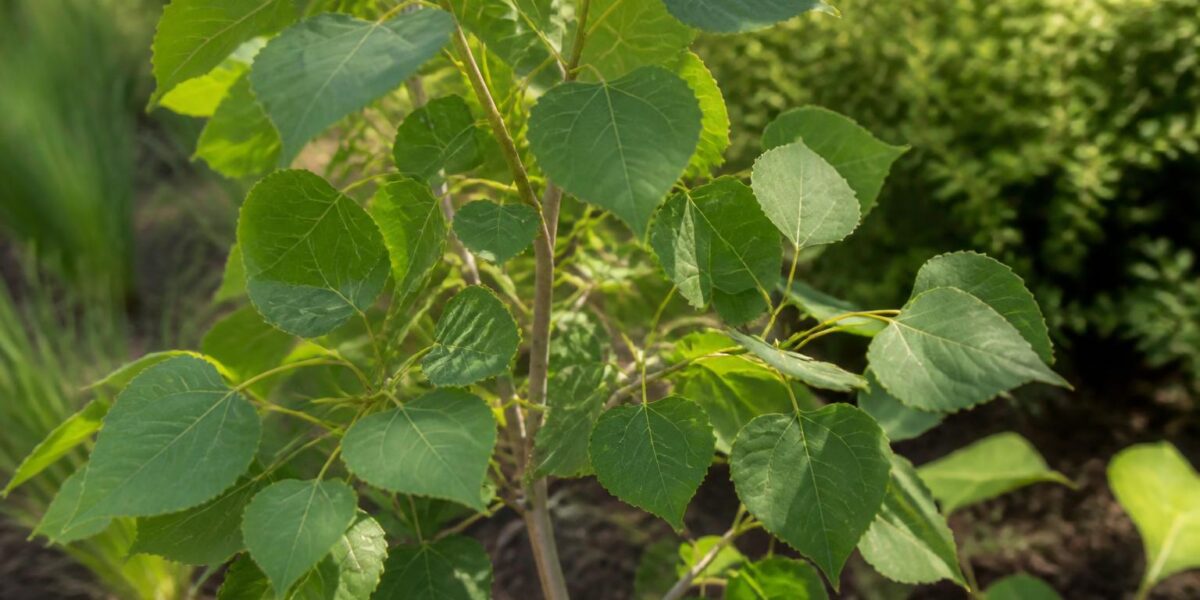
The Populus genus is a group of fast-growing deciduous trees in the willow family Salicaceae. The cottonwoods are the larger members of the genus, typically reaching seventy to one hundred feet or more, with broad triangular or heart-shaped leaves that flutter audibly in the wind. The bark is deeply furrowed in mature trees, and the trunks are often massive. Female trees produce hanging catkins in early spring that mature into capsules releasing the cottony seed-bearing fluff that drifts in late spring to early summer.
You will find cottonwoods naturally along rivers, creeks, and floodplains across the central and western United States, southern Canada, and into northern Mexico. They are pioneer species that colonize moist disturbed ground quickly, anchor riverbanks, and provide essential wildlife habitat. Eastern cottonwood is one of the fastest-growing trees in North America, sometimes putting on six feet of height in a single year while young.
The genus shares the broader Salicaceae family with willows (Salix species), aspens (other Populus species like quaking aspen), and balsam poplar. All members of the family contain low concentrations of salicin, a salicylate compound related to aspirin, but at levels far below what would cause typical pet toxicity from foraging amounts. Our companion guide on willow trees covers the salicin story in more detail. Cottonwoods are not flagged on the ASPCA toxic list despite the salicin content, because the foraging-dose risk is genuinely low.
Why Cottonwood Trees Are Considered Low-Risk
Most plant safety lists put cottonwood alongside the broader Populus genus as non-toxic to cats and dogs. The leaves and bark do not contain calcium oxalate raphides, cardiac glycosides, or grayanotoxins. The salicin content of the bark and twigs is real but very low, and a casual chew of a fallen branch is unlikely to deliver a clinically significant salicylate dose. Decades of cohabitation with cats, dogs, livestock, and grazing wildlife have not produced poison control case patterns that flag cottonwoods as a concerning species.
If you grow cottonwood as part of a riparian or shade-tree planting, the broader temperate-tree neighbors covered in the rest of this batch include Japanese maple, silver maple, and the more concerning oak trees. Other safe shade tree options include magnolia, while species with more concerning profiles include horse chestnuts, locust trees, black walnut, and pecan trees.
What Could Still Go Wrong
The realistic problems with cottonwood are mechanical rather than chemical. Cottonwood wood is soft and brittle, especially after the tree reaches forty to sixty feet, and large branch failures during summer thunderstorms or winter ice storms are a chronic management issue. Falling branches are a serious physical hazard regardless of plant chemistry, so include cottonwoods in your storm preparation routine and keep dogs out of the immediate canopy area during severe weather.
The famous “cottonwood snow” of late spring can also create minor pet issues. The cottony seed fluff is not toxic, but a dog that runs through dense drifts can inhale enough fiber to trigger sneezing, eye watering, or mild airway irritation. Cats with respiratory sensitivities can have similar reactions. The fluff also catches in long fur, paw pads, and ear hair, which can mat coats and require an extra grooming session through May and June. Sweep up drifts on hard surfaces, and rinse paws after long outdoor sessions during peak shed.
The sticky resin on early-spring leaf buds and young leaves is another nuisance worth knowing about. Cottonwood resin is fragrant and slightly aromatic, and it transfers easily to fur, paws, and rugs. The resin is not toxic but can be hard to wash out, and dogs that lick sticky paws clean can develop mild stomach upset. Keep a cleaning routine for paw pads during the early-spring resin window.
Symptoms to Watch For After a Nibble
Most pets that taste a cottonwood leaf or chew a fallen twig will show no signs at all. If symptoms appear, they tend to be mild and short-lived, usually within a few hours of grazing. Possible signs include:
- Drooling or repeated lip-licking
- One or two episodes of vomiting
- Soft stool or mild diarrhea
- Reduced appetite for the next meal
- Briefly subdued mood after a large salad
Cottonwood-specific symptoms tied to seed fluff or resin contact are usually mild airway or skin irritation rather than systemic illness. Watch for sneezing, eye watering, mild coughing, or paw licking. What you should not see from a chewed cottonwood is severe weakness, tremors, seizures, collapse, blood in vomit or stool, or breathing trouble. If any of those appear, the plant is unlikely to be the only thing your pet got into and you need urgent veterinary care regardless of which tree they sampled.
What to Do if Your Pet Eats Cottonwood
Start with calm observation. Remove any chewed branches from your pet’s reach, wipe their mouth with a damp cloth to clear residual sap or resin, and offer a small drink of fresh water. Do not give milk, do not try to make your pet vomit at home, and do not give activated charcoal or human medications without veterinary guidance.
Call your own veterinarian if your pet is small, very young, very old, has existing health issues, ate a substantial portion of the plant, has a known sensitivity to salicylate medications, or shows symptoms that last more than a few hours. For after-hours guidance, the ASPCA Animal Poison Control Center is reachable at (888) 426-4435, and the Pet Poison Helpline is at (855) 764-7661. Both lines charge a consultation fee but can give you species-specific advice and a case number your regular vet can follow up with.
For sticky resin contact, wash the affected fur or paw pads with mild dish detergent and lukewarm water. A little vegetable oil works to loosen stubborn resin before the soap step. Bring a leaf or photo of the tree to any clinic visit, since species identification helps the team estimate concern level.
Cottonwood Versus Other Temperate Yard Trees
Cottonwood sits comfortably with the other ASPCA non-toxic shade trees you might already grow. The rest of this batch covers Japanese maple and silver maple as similarly safe specimens, and the broader temperate-tree neighbors covered in our companion guides include magnolia and the rowan-and-hawthorn berry trees from earlier batches. Our pieces on rowan berries, hawthorn berries, and magnolia leaves map other temperate-tree options.
The pattern across this group is that fast-growing soft-wood species like cottonwood, willow, and aspen are often safer chemically but more demanding structurally. Slow-growing hardwoods like oak deliver longer-lived shade but can pose toxicity issues with acorns and young leaves. The mix that works best for any given yard depends on space, climate, and how active your pets are in the canopy zone. Our master list of pet-safe garden plants pulls together vetted choices for the broader landscape.
Placing Cottonwood in a Pet-Friendly Yard
Cottonwoods need space. The mature size of seventy to one hundred feet, the brittle wood, and the aggressive water-seeking root system make them poor choices for urban lots, septic line proximity, or close-to-house siting. The pet-friendly approach for new plantings is to site them well away from buildings, fences, and play areas, ideally along a property edge with room for falling branches.
For established cottonwoods on an existing property, the management plan is regular structural pruning by a certified arborist, awareness of seed shed timing, and a paw-cleaning routine during the resin window. The trees deliver fast shade and major wildlife value, so most owners find them worth keeping with the management overhead.
Some cities classify cottonwoods as “weed” trees because of their seed shed and rapid growth, and several seedless or male-only cultivars are sold for landscape use. If you are planting new, look for fluff-free cultivars like ‘Siouxland’ (a male eastern cottonwood selection) to skip the May seed-fluff problem entirely. Underplant the root zone with low-water pet-safe perennials.
Caring for Cottonwood in a Pet Household
A well-managed cottonwood is a safer cottonwood, and that means scheduling regular structural pruning by a certified arborist every few years. The brittle wood breaks more easily under heavy snow loads, so a careful crown thinning reduces the chance of a major branch failure. Watch for the early signs of disease: cytospora canker, leaf rust, and bacterial wetwood are all chronic in older Populus trees and require professional management.
Sweep paths and dog runs daily during peak seed shed in May and June to prevent fluff drifts from forming where pets walk. Wash paw pads with lukewarm water after long outdoor sessions during the spring resin window, especially if your dog will lick the sticky residue clean. Avoid foliar pesticides that could transfer to a chewing pet, and use the more selective tree-injection treatments only if recommended by an arborist for a documented disease.
Adoption and Pet-Safe Living
If you are reading this because you are pet-proofing in advance of bringing home a new companion, that is exactly the level of care a rescue animal deserves. Walk Me Home Rescue connects people with pets through our adopt cats and adopt dogs hubs, and a thoughtfully managed shade tree is one small but meaningful piece of a welcoming home.
Most adopters find that an existing cottonwood is worth keeping despite the seasonal cleanup overhead. The tree delivers significant summer shade, supports local wildlife, and is non-toxic for cats and dogs. Pair it with a regular arborist visit, a spring fluff cleanup routine, and a couple of pet-safe perennials in the root zone, and the whole shade-tree corner of the yard becomes a comfortable, low-stress part of daily life.
Frequently Asked Questions
Is cottonwood safe for cats specifically?
Cottonwood (Populus species) is generally considered non-toxic to cats per the ASPCA and major plant safety references. A small graze of leaves or bark is unlikely to cause more than briefly mild stomach upset. Indoor cats rarely encounter the plant directly because it is a yard tree, and outdoor cats tend to walk past without sampling it. Watch for mild airway irritation in cats with asthma during peak seed-fluff shed.
Can dogs eat cottonwood leaves or bark?
An occasional nibble of cottonwood leaves or bark is unlikely to cause more than mild stomach upset in most dogs. The bark contains low levels of salicin, similar to aspirin, but the foraging dose from a fallen branch is far below clinically concerning levels. Skip the next meal if your dog seems queasy, offer plenty of water, and call your veterinarian if symptoms last more than a few hours, especially if your dog takes any salicylate medications.
Is cottonwood seed fluff dangerous to pets?
Cottonwood fluff is not toxic and is not a serious pet hazard. Heavy fluff drifts can mildly irritate eyes and airways, especially in dogs that run through them or cats with asthma. The fluff also clings to fur and paw pads, occasionally requiring an extra grooming session. Rinse eyes with sterile saline if irritation is bothersome, and call your vet for any persistent breathing trouble.
What about cottonwood resin on paws or fur?
The fragrant sticky resin on early-spring leaf buds is not toxic but can be difficult to wash out of fur or off paw pads. A small amount of vegetable oil dissolves the resin, followed by mild dish detergent and a thorough rinse. Dogs that lick sticky paws clean can develop mild stomach upset, so washing after outdoor sessions during the resin window is a good routine.
Should I plant a cottonwood in a small yard with a dog?
For small yards, the mature size, brittle wood, and aggressive roots make cottonwood a poor structural choice even though the chemistry is fine. Smaller pet-safe shade trees like Japanese maple, magnolia, or fluff-free male-only cottonwood cultivars are usually a better fit. For large rural lots and riparian projects, cottonwoods earn their place as fast-growing wildlife shade.


