
Last updated: May 16, 2026
In this article
- The Short Answer: Tomato Leaves Are Toxic to Pets
- Plant vs. Food: The Critical Distinction
- The Toxic Chemistry: Solanine and Tomatine
- Symptoms of Tomato-Plant Poisoning
- What to Do If Your Pet Ate Tomato Leaves or Green Fruit
- Tomato Plants in the Wider Solanaceae Family
- Why Pets Eat Tomato Leaves Despite the Smell
- Garden Setup for Tomato + Pets
- End-of-Season Cleanup Matters
- Solanine Levels Across Tomato Tissues
- Tomato Leaves vs. Other Solanum Leaves: Severity Notes
- Frequently Asked Questions
The Short Answer: Tomato Leaves Are Toxic to Pets
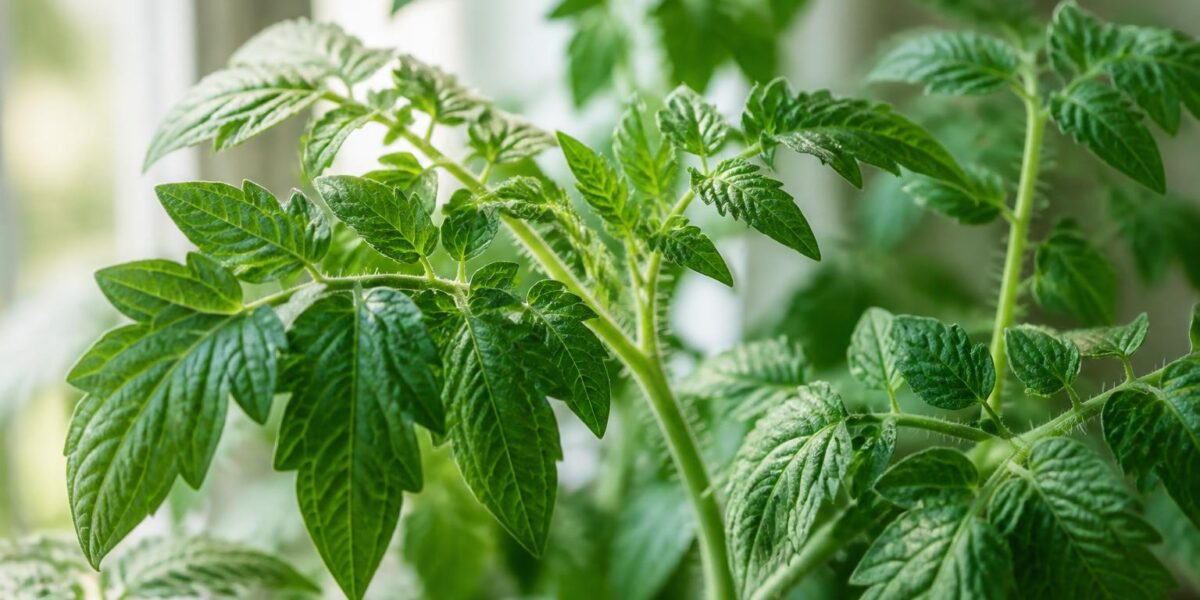
Tomato leaves, vines, stems, and the green unripe fruit of the tomato plant (Solanum lycopersicum) are toxic to dogs and cats at a mild-to-moderate tier. The green parts contain solanine and tomatine — steroidal glycoalkaloids that irritate the gastrointestinal tract and, at higher doses, can affect the heart and nervous system. The ripe red fruit is a different story and is the focus of our food-safety articles.
If your pet has eaten tomato leaves, vines, or unripe green fruit, contact your veterinarian, the ASPCA Animal Poison Control Center at 888-426-4435 (per-call fee), or the Pet Poison Helpline at 855-764-7661. Most exposures are mild and self-limiting, but small dogs and cats are at higher per-pound risk and any symptomatic ingestion is worth a professional eye.
Plant vs. Food: The Critical Distinction
This article is about the PLANT. The fruit is covered separately. Pet owners often search “are tomatoes toxic to dogs” and find conflicting answers, which usually reflects a missing distinction:
- Ripe red tomato fruit, in small amounts, is generally moderate-OK. See can dogs eat tomatoes and can cats eat tomatoes for portion guidance and preparation tips.
- The leaves, vines, green stems, and any green or unripe fruit contain solanine and tomatine and are toxic to pets per ASPCA framing. This article covers that side.
For a deeper tomato-plant deep-dive specifically per species, see our companion tomato plants toxic to cats and tomato plants toxic to dogs guides. This article is the umbrella green-parts overview that covers both species and emphasizes the leaves.
The Toxic Chemistry: Solanine and Tomatine
Solanine and tomatine are steroidal glycoalkaloids that the tomato plant produces as part of its natural pest defense. Concentrations are highest in young leaves, in flowers, and in unripe green fruit. As fruit ripens to red, tomatine is largely metabolized away by the plant and replaced by harmless lycopene and beta-carotene — which is why ripe fruit is moderate-safe while green parts are not.
Both compounds work the same way at high enough doses: they irritate the gastrointestinal lining, disrupt cell membranes, and at extreme exposures interfere with the central nervous system and heart. Most pet exposures stay in the mild-GI range because the bitter taste limits how much pets eat — but bored dogs in vegetable gardens, or cats that bat at vines, can sometimes get a meaningful dose.
Symptoms of Tomato-Plant Poisoning
Signs typically begin within a few hours of ingestion and resolve within 24-48 hours in mild cases. Watch for:
- Drooling, vomiting
- Diarrhea, sometimes with mucus
- Loss of appetite
- Lethargy or weakness
- Mild abdominal discomfort
- In larger ingestions: dilated pupils, slow heart rate, tremors, confusion
- Rarely, with very large ingestions: collapse, seizures
Most home-garden pet exposures are at the mild end of this spectrum. Severe systemic toxicity is uncommon but possible and is the reason a vet call is still warranted.
What to Do If Your Pet Ate Tomato Leaves or Green Fruit
Take these steps:
- Remove your pet from the garden. Sweep out any visible plant material from the mouth if it is safe to do so.
- Estimate how much was eaten — a single nibbled leaf is different from a whole vine pulled down and eaten.
- Bag a sample of the plant if identification is uncertain.
- Call your veterinarian. Mention “tomato leaves” or “tomato vines.” They will weigh body size, amount eaten, and any current symptoms to advise.
- For toxicology backup, call ASPCA APCC at 888-426-4435 or Pet Poison Helpline at 855-764-7661.
- Do not induce vomiting at home unless instructed. Most mild ingestions need only home monitoring with a vet’s blessing.
For symptomatic pets, treatment is supportive: anti-nausea medication, fluids if vomiting/diarrhea is significant, and monitoring until signs resolve.
Tomato Plants in the Wider Solanaceae Family
The tomato is in the genus Solanum, which includes many garden cousins with similar green-part chemistry:
- The eggplant plant — same green-parts solanine concern.
- Bell pepper plants — generally safer leaves, with peppers themselves edible.
- Chili pepper plants — capsaicin adds an extra irritant layer.
- Flowering tobacco — different alkaloid (nicotine), more concerning toxicity.
- Wild Solanum cousins covered separately: bittersweet nightshade, black nightshade, and the SEVERE-tier Jerusalem cherry.
Knowing this constellation helps when you walk a garden — same-family plants tend to share the same caution profile, and any green leafy Solanaceae should be assumed toxic until verified otherwise.
Why Pets Eat Tomato Leaves Despite the Smell
Tomato foliage has a strong, distinctive smell that most adult dogs and cats find off-putting. Ingestions still happen, mostly in these scenarios:
- Puppies and kittens exploring new gardens
- Bored pets digging in or chewing on staked vines
- Garden waste in compost or pulled-vine piles, where smell fades
- Cats batting at low-hanging leaves or unripe green fruit
- Dogs grazing on vine tips while you garden — easy to miss if you’re focused on the harvest
The simplest fix is supervision and physical separation. A short fence around a vegetable bed solves nearly all dog-related exposures.
Garden Setup for Tomato + Pets
Many pet households grow tomatoes successfully without incident. A few practical tips:
- Use a chicken-wire or low fence around the tomato bed. 24 inches usually keeps dogs out and cats from casual contact.
- Train staked or caged tomatoes upward — keep low foliage trimmed off the ground where puppies can grab it.
- Pick up fallen green fruit promptly. Unripe drops on the ground are the most common cat-temptation source.
- Bag pruned vines for municipal yard waste rather than composting in pet-accessible bins.
- Store harvested green tomatoes (for frying, pickling, etc.) on counters out of pet reach. Green tomato chemistry persists indoors.
The goal is not to give up tomatoes — it is to make the garden a low-friction safe space for pets and people both.
End-of-Season Cleanup Matters
Tomato vines do not stop being toxic when they freeze. The dried, blackened end-of-season vines still contain glycoalkaloids and remain a potential pet exposure if left in beds or piled in compost. Pull and bag spent vines at the end of the season. If you mulch beds for winter, keep tomato debris out of the mulch.
Dropped fruits that overwinter under snow can attract scavenging dogs in early spring — do a fall sweep of the bed before the first hard frost.
Solanine Levels Across Tomato Tissues
Owners often ask which part of the tomato plant they should worry about most, and the honest answer is “the green-tissue parts, with the highest concentrations in young leaves and unripe fruit.” The plant produces solanine and tomatine continuously as part of its pest defense, and the concentrations track with how vulnerable the tissue is to insect feeding. Young leaves at the tips of growing vines are the most concentrated. Mature leaves in mid-season are next. Flowers and unripe green fruit are also concentrated. As fruit ripens to red and softens, alkaloid breaks down and is replaced by lycopene.
Concentrations vary by variety, by season, by water and nutrient stress on the plant, and by the part of the plant. Pet owners should not try to manage these variables — instead, treat any green-tissue exposure as worth a vet call and treat ripe red fruit as the moderate-OK food covered by the food-safety articles.
Tomato Leaves vs. Other Solanum Leaves: Severity Notes
In severity terms, the tomato plant is one of the milder Solanum members. For comparison:
- Tomato leaves — mild-to-moderate. GI signs predominate; severe systemic effects rare.
- Bittersweet nightshade — moderate-to-severe; broader symptom set; berries especially attractive.
- Jerusalem cherry — SEVERE-tier; ornamental nightshade with bright red berries.
- Datura/jimsonweed — SEVERE-tier; tropane alkaloid, not solanine — different chemistry, far more dangerous.
This means tomato-plant ingestions are usually less of an emergency than the SEVERE-tier nightshades — but mild does not mean ignore. Always call.
Frequently Asked Questions
Are tomato leaves more toxic than the unripe green fruit?
Both contain solanine and tomatine. Concentrations vary by variety, growing conditions, and tissue, but per-bite risk is broadly similar. Treat young leaves, flowers, vines, and green unripe fruit as the same caution category.
Is the ripe red tomato fruit safe for my dog?
The ripe red tomato fruit is generally moderate-OK in small amounts for most dogs and cats. See our can dogs eat tomatoes and can cats eat tomatoes guides for portion sizes and preparation. Stems, leaves, and green parts are NOT safe and should never be fed.
What if my pet ate a single tomato leaf?
A single nibble is usually a mild GI risk only. Watch for vomiting, diarrhea, or lethargy and call your vet, ASPCA APCC at 888-426-4435, or Pet Poison Helpline at 855-764-7661 if any symptoms develop or the pet is small, very young, very old, or has other health issues.
Are heirloom or yellow tomato varieties safer?
No. The relevant chemistry is shared across cultivated tomato varieties. Color of the ripe fruit does not predict green-parts toxicity. Yellow, purple, green-when-ripe, and cherry varieties all have the same plant-chemistry caution.
Can I compost tomato vines if my pets have access?
Open compost piles in pet-accessible spaces are not recommended for tomato vines or any Solanum-family yard waste. Use a sealed bin or municipal yard-waste pickup instead.
Are tomato sauce or canned tomatoes a concern?
Plain canned tomatoes and basic tomato sauce made from ripe tomatoes are generally low-toxicity, but commercial sauces typically contain onion, garlic, salt, and seasonings that are independently problematic for pets. If your dog or cat licked a small amount of tomato sauce, watch for vomiting and call your vet, ASPCA APCC at 888-426-4435, or Pet Poison Helpline at 855-764-7661 if symptoms develop. Never feed seasoned sauces deliberately.
What about pet-marketed treats containing tomato?
Some commercial pet treats and foods include tomato pomace as an ingredient. These products use processed ripe tomato and are generally considered safe at the doses included. The caution in this article is about raw plant material — leaves, vines, and unripe green fruit — not refined ingredients in formulated diets. If you have specific concerns about an ingredient, ask your veterinarian.


