
Last updated: May 4, 2026
In this article
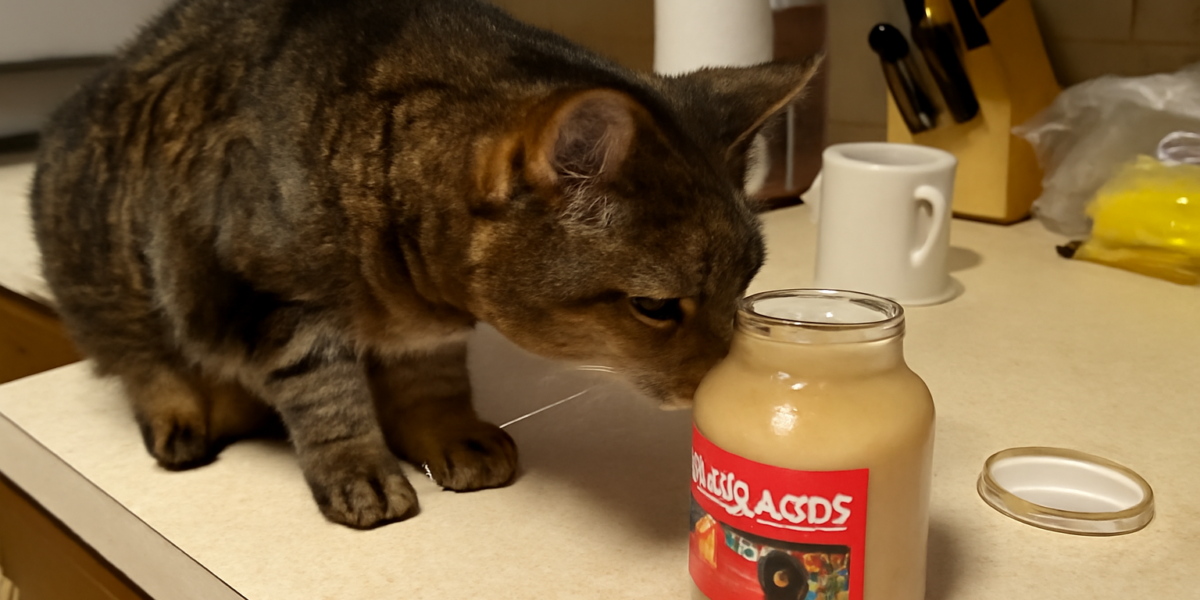
Apple sauce is a soft, sweet condiment that shows up in lunchboxes, baking recipes, and snack cups across the country. If your cat has shown interest in licking a spoon or nosing around an open container of apple sauce, you might be wondering whether a taste is harmless or something to worry about. Cats are obligate carnivores with digestive systems optimized for meat, and fruit-based foods occupy an unusual gray area in feline nutrition. While whole apples in small amounts are generally considered safe for cats (minus the seeds and core), apple sauce introduces additional variables like added sugar, preservatives, and sometimes spices that require a closer look.
Quick Answer: Plain, unsweetened apple sauce without added spices is not toxic to cats, but it offers no nutritional value for felines. The natural and added sugars can cause digestive upset, and the high carbohydrate content is inappropriate for obligate carnivores. A lick or two is harmless, but apple sauce should not be a regular part of your cat’s diet.
Is Apple Sauce Safe for Cats?
Plain, unsweetened apple sauce made from nothing but cooked apples and water is not toxic to cats. Apples themselves do not contain compounds that are poisonous to felines — unlike grapes and raisins, which can cause kidney failure. However, safety from toxicity and nutritional appropriateness are two very different things.
The critical distinction with apple sauce is what type you are dealing with. The market offers a wide variety:
Unsweetened apple sauce: Contains only apples and water. This is the safest option if you are going to let your cat taste any at all.
Sweetened apple sauce: Contains added sugar or high-fructose corn syrup. The extra sugar amplifies all the risks of the natural sugars already present in apples and should be avoided entirely.
Cinnamon apple sauce: While small amounts of Ceylon cinnamon are not toxic to cats, cassia cinnamon (the more common variety in commercial products) contains higher levels of coumarin, which can irritate the mouth and digestive tract. Cinnamon-flavored apple sauce is best avoided.
Apple sauce with artificial sweeteners: Some diet or sugar-free apple sauces contain xylitol or other artificial sweeteners. Xylitol is extremely toxic to cats and dogs, potentially causing liver failure and death. Always check labels carefully.
Nutritional Profile of Apple Sauce
A half-cup serving of unsweetened apple sauce contains approximately 50 calories, 14 grams of carbohydrates, 11 grams of natural sugar, 1 gram of fiber, negligible fat, and negligible protein. It does contain small amounts of vitamin C and potassium, but these are nutrients that cats synthesize on their own or obtain efficiently from their regular meat-based diet.
From a feline nutritional standpoint, apple sauce is essentially sugar water with some fiber. Cats derive their energy primarily from protein and fat, not carbohydrates. Their livers are continuously engaged in gluconeogenesis — producing glucose from amino acids — because their natural prey-based diet is so low in carbohydrates. Flooding their system with fruit sugar disrupts this metabolic pattern.
The fiber in apple sauce is the one ingredient that could theoretically offer a minor benefit. Soluble fiber from apples can help regulate digestive transit. Some veterinary diets for cats with constipation include small amounts of fruit fiber. However, pumpkin puree is a far superior and more commonly recommended source of fiber for cats because it is lower in sugar.
Possible Benefits of Apple Sauce for Cats
The benefits of apple sauce for cats are extremely limited:
Hydration: Apple sauce has a high water content. For cats that are reluctant drinkers, a tiny amount mixed into food could theoretically contribute to fluid intake. However, adding water or low-sodium broth to wet food is a much better strategy.
Fiber supplementation: As noted above, the soluble fiber in apple sauce may help with mild constipation. But veterinarians typically recommend plain canned pumpkin (not pumpkin pie filling) as a safer, lower-sugar fiber source for cats.
Appetite stimulant: Occasionally, the aroma and texture of apple sauce can entice a picky cat to eat. If your cat is recovering from illness and refusing food, your vet might suggest small additions to their meal to stimulate interest — though apple sauce would be low on most veterinarians’ recommendation lists compared to warming the food or adding a small amount of tuna water.
Risks and Side Effects of Apple Sauce for Cats
The risks of feeding apple sauce to cats are primarily related to its sugar and carbohydrate content:
Gastrointestinal upset: The natural sugars in apple sauce, particularly fructose, can cause diarrhea, gas, and bloating in cats. Feline digestive systems are not designed to process significant amounts of simple sugars.
Obesity: Regular consumption of high-sugar foods contributes to caloric excess and weight gain. Obesity is the most common nutritional disorder in domestic cats and is associated with diabetes, joint disease, heart problems, and reduced lifespan.
Diabetes risk: Repeated sugar spikes from inappropriate foods can contribute to insulin resistance over time. Cats are susceptible to type 2 diabetes, and diet plays a significant role in its development.
Toxic additives: As discussed, some apple sauce products contain xylitol, artificial colors, or preservatives that can be harmful. Cinnamon-flavored varieties may contain irritating levels of coumarin.
Apple seed remnants: While commercial apple sauce is processed to remove seeds, homemade varieties might inadvertently include seed fragments. Apple seeds contain amygdalin, which releases cyanide when metabolized. A few seed fragments are unlikely to cause harm, but it is worth being aware of the risk.
How to Feed Apple Sauce to Cats Safely
If you want to let your cat try a small taste of apple sauce, follow these guidelines:
- Kittens: Do not feed apple sauce to kittens. Their small size makes them more susceptible to blood sugar fluctuations, and their caloric needs should be met entirely through kitten-formulated food.
- Adult cats (6–10 lbs): No more than half a teaspoon of plain, unsweetened apple sauce, offered no more than once every two weeks.
- Large cats (over 10 lbs): No more than one teaspoon of plain, unsweetened apple sauce, no more than once every two weeks.
Choose only unsweetened apple sauce with no added spices, flavors, or artificial sweeteners. Read the ingredient label — if it lists anything beyond apples and water (or ascorbic acid as a preservative), it is best to skip it. Offer the apple sauce on a small plate or spoon, and do not mix it into your cat’s regular food as a habit, since this could encourage picky eating.
Signs Your Cat Is Reacting Poorly to Apple Sauce
Watch for these symptoms after your cat consumes apple sauce:
Mild symptoms: Loose stool, mild diarrhea, increased gas, or slight decrease in appetite. These should resolve on their own within 24 hours. Ensure your cat has access to fresh water.
Moderate symptoms: Repeated vomiting, persistent diarrhea, abdominal discomfort, excessive thirst, or lethargy lasting more than 24 hours. Contact your veterinarian for guidance.
Severe symptoms: If your cat consumed apple sauce containing xylitol, watch for sudden vomiting, weakness, tremors, seizures, or collapse. These are signs of xylitol toxicity, which is a medical emergency. Call your veterinarian or an animal poison control center immediately.
When in doubt, it is always better to err on the side of caution and contact your vet. Bring the apple sauce container with you so the veterinarian can review the ingredient list.
Healthier Alternatives to Apple Sauce
There are many better options for treating your cat:
Plain canned pumpkin: If your cat needs fiber, unsweetened pumpkin puree is lower in sugar and more commonly recommended by veterinarians. Offer a half-teaspoon mixed into wet food.
Cooked plain chicken: Boneless, skinless chicken breast cooked without seasoning is an ideal treat for cats — high in protein, low in carbohydrates, and rich in the amino acids cats need.
Small pieces of cooked fish: Salmon or cod, cooked without oil or seasoning, provides protein and beneficial omega-3 fatty acids.
Commercial cat treats: Treats formulated specifically for cats ensure appropriate nutritional profiles and portion sizes.
Lickable puree treats: Many brands offer meat-based puree treats in squeezable tubes. These satisfy the licking behavior some cats enjoy with apple sauce while providing species-appropriate nutrition.
For more guidance on feline-safe foods, explore our articles on can cats eat coconut cream and can cats eat granola. If you are ready to welcome a new cat into your home, visit our adoption page to find your perfect match.
Frequently Asked Questions
Can cats eat homemade apple sauce?
Homemade apple sauce made from only cooked apples and water — with no added sugar, spices, or sweeteners — is the safest version for cats. You have full control over the ingredients, so you can avoid problematic additives. Just be sure to thoroughly remove all seeds and core material before cooking, and offer only a tiny amount as an occasional treat.
Is apple sauce good for cats with constipation?
The soluble fiber in apple sauce can theoretically help with mild constipation, but veterinarians almost always recommend plain canned pumpkin instead. Pumpkin provides more fiber per serving with less sugar. If your cat is experiencing constipation, consult your veterinarian rather than attempting to treat it with human food, as constipation can be a symptom of a more serious underlying condition.
Can apple sauce help a cat take medicine?
Apple sauce can sometimes be used to disguise the taste of liquid medications, but its smooth texture makes it poor at hiding pills. Most veterinarians recommend using commercial pill pockets, a small piece of deli meat, or a pill gun for administering tablets. If you are struggling to give your cat medication, ask your vet about alternative formulations such as transdermal gels or flavored compounded medications.
What about apple cider vinegar for cats?
Apple cider vinegar is a very different product from apple sauce. It is highly acidic and can irritate a cat’s mouth, esophagus, and stomach. While some alternative health sources promote apple cider vinegar for cats, there is limited scientific evidence supporting its benefits and real potential for harm. Never give your cat apple cider vinegar without explicit veterinary guidance.
How much sugar is too much for a cat?
There is no established safe amount of added sugar for cats because sugar is simply not part of their natural diet. Cats cannot even taste sweetness. Any sugar they consume is metabolically unnecessary and potentially harmful. As a general rule, treats of all kinds should make up no more than 10 percent of your cat’s daily caloric intake, and lower-sugar, higher-protein treats are always preferable.


