
Last updated: May 4, 2026
In this article
Can Cats Eat Gravy? Safety Guide and Tips
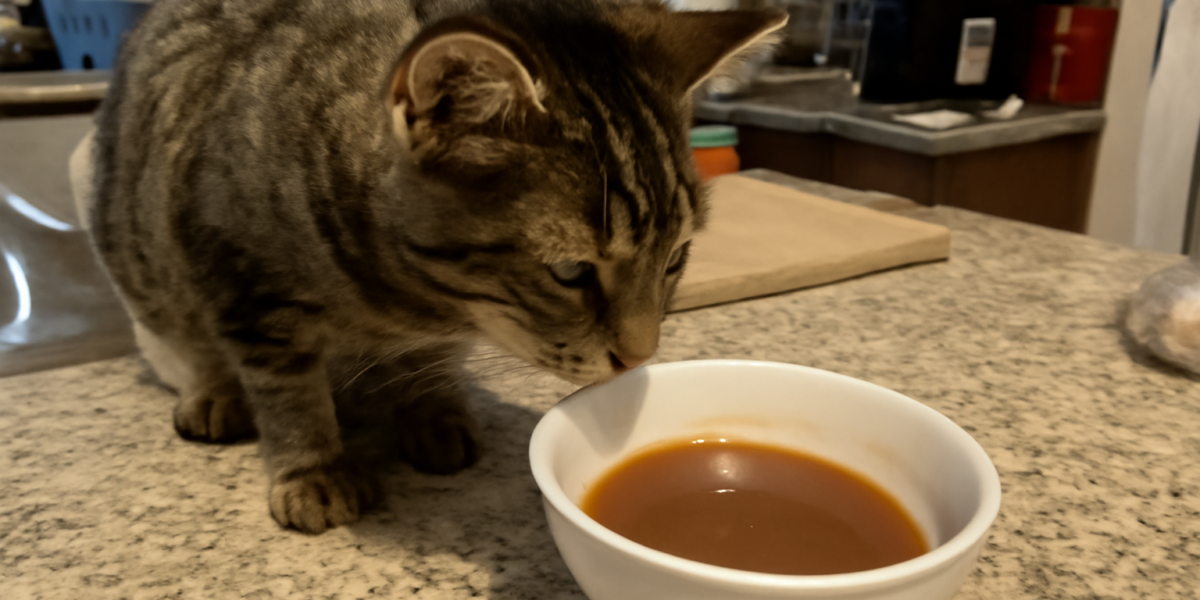
Gravy is the crown jewel of many a dinner table — rich, savory, and deeply comforting poured over mashed potatoes or roasted meat. When your cat weaves between your legs during holiday dinner prep, clearly entranced by the aroma of simmering pan drippings, it is natural to wonder if a spoonful of gravy might make their meal a little more exciting too.
As obligate carnivores, cats are naturally drawn to meaty aromas, and gravy — with its concentrated meat flavor — is understandably appealing to them. However, the gravy you enjoy at the dinner table is usually quite different from the gravy found in cat food pouches. The ingredients that make human gravy delicious are often the very ones that make it problematic for feline consumption.
Quick Answer: Can Cats Eat Gravy?
It depends on the type of gravy. Most store-bought and traditional homemade gravies are not safe for cats due to their high sodium content, onion and garlic seasoning, and excessive fat. However, a very small amount of plain, unseasoned meat drippings diluted with water — essentially a homemade meat broth — may be acceptable as a rare treat for a healthy cat.
The critical distinction is between human gravy and cat-specific gravy. Many commercial wet cat foods already come in gravy, and these products are formulated to be safe and nutritionally appropriate for cats. If your cat loves gravy, the best approach is to choose a high-quality cat food that includes gravy rather than sharing your own.
If your cat has lapped up a small amount of your dinner gravy, monitor them for digestive upset. The biggest concerns are the sodium content and the potential presence of onion or garlic, which are toxic to cats. A lick or two of plain meat drippings is unlikely to cause an emergency, but a bowl of seasoned gravy could be genuinely harmful.
Nutritional Profile of Gravy
Gravy recipes vary enormously, but a typical quarter-cup serving (about 60 milliliters) of homemade meat gravy contains approximately:
- Calories: 30 to 50 kcal depending on fat content
- Fat: 2 to 4 grams from meat drippings and butter
- Carbohydrates: 3 to 5 grams from flour or cornstarch thickener
- Protein: 1 to 2 grams from meat juices
- Sodium: 300 to 500 milligrams — this is extremely high relative to a cat’s daily needs
- Potassium: Variable, depending on the base stock
Store-bought gravy and gravy packets are often even higher in sodium, with some products containing over 300 milligrams per tablespoon. They also frequently include onion powder, garlic powder, monosodium glutamate (MSG), and various preservatives. Cats require only about 21 milligrams of sodium per day for basic physiological function, making even a small amount of human gravy a massive sodium overload.
Traditional gravy is thickened with flour or cornstarch, both of which are carbohydrates that cats have limited ability to digest. While these thickeners are not toxic, they provide empty calories and may contribute to digestive discomfort. The fat content, while derived from animal sources that cats can process, is typically too concentrated in gravy form to be healthy in anything more than trace amounts.
Benefits and Risks of Gravy for Cats
Benefits
- Animal-based flavor: Gravy made from meat drippings contains flavors and nutrients derived from animal protein, which aligns with a cat’s natural dietary preferences
- Hydration support: The liquid nature of gravy can encourage water intake, which is beneficial for cats who tend to drink too little — especially those on dry food diets
- Appetite stimulation: A tiny amount of plain meat drippings added to food can encourage eating in cats with reduced appetite due to illness or age
- Trace minerals: Meat-based gravy contains small amounts of minerals like iron, zinc, and phosphorus from the meat juices
Risks
- Extreme sodium content: Human gravy contains sodium levels that are dangerously high for cats, potentially causing increased thirst, dehydration, kidney strain, and in severe cases, sodium ion poisoning
- Onion and garlic toxicity: Most gravy recipes include these Allium family ingredients, which are toxic to cats and can cause hemolytic anemia
- High fat concentration: The concentrated animal fat in gravy can trigger pancreatitis, particularly in cats with a history of the condition or those who are overweight
- Flour and thickeners: Carbohydrate-based thickeners offer no nutritional value and may cause digestive upset
- Additives in commercial gravy: Preservatives, MSG, and artificial flavors found in store-bought gravy have no place in a cat’s diet
- Caloric density: Even small amounts of gravy can add significant calories to your cat’s daily intake, contributing to weight gain over time
How to Serve Gravy Safely to Your Cat
If you want to give your cat a gravy-like experience, the safest approach is to make a cat-specific version rather than sharing your own. Here is how to do it safely:
Boil a small piece of unseasoned chicken breast or turkey in plain water for 15 to 20 minutes. Let the resulting broth cool to room temperature, then skim off excess fat from the surface. You can offer a tablespoon of this diluted meat broth over your cat’s regular food. This gives them the savory, meaty flavor they crave without the sodium, seasonings, or thickeners found in human gravy.
If you absolutely must share a taste of your homemade gravy, ensure it contains no onion, garlic, or excessive salt. Offer no more than half a teaspoon, diluted with an equal amount of water. This should be an extremely rare occurrence — not a regular addition to meals.
Never give your cat gravy made from a packet, jar, or can intended for human consumption. These products are loaded with sodium and almost always contain onion or garlic powder. Even gravies that do not list these ingredients prominently may contain them within “natural flavors” or “spice” listings.
The best option of all is to purchase cat food that already comes in gravy. Many premium wet cat food brands offer gravy-based formulas that provide the taste and texture your cat enjoys while being nutritionally complete and safe.
Signs of Problems After Eating Gravy
Watch for the following symptoms if your cat has consumed human gravy:
Sodium-related symptoms (within hours): Excessive thirst and drinking, frequent urination, lethargy, and loss of appetite. In more severe cases of sodium overload, you may notice vomiting, diarrhea, tremors, or disorientation. Extreme sodium poisoning can cause seizures and requires emergency veterinary care.
Digestive upset (2 to 12 hours): Vomiting, diarrhea, gas, and abdominal discomfort caused by the fat content, thickeners, or unfamiliar ingredients. Mild symptoms typically resolve within 24 hours, but persistent digestive issues warrant a veterinary consultation.
Allium toxicity (12 to 72 hours): If the gravy contained onion or garlic, watch for pale or yellowish gums, dark-colored urine, weakness, rapid breathing, and collapse. These are signs of red blood cell damage and require immediate veterinary intervention. Symptoms may not appear for one to three days after ingestion.
Pancreatitis symptoms (24 to 72 hours): Severe abdominal pain, hunched posture, repeated vomiting, fever, and refusal to eat. The high fat content in gravy can trigger this serious inflammatory condition. If you notice these signs, seek veterinary care promptly.
Healthy Alternatives to Gravy
Satisfy your cat’s love of savory, meaty flavors with these safer options:
- Cat food in gravy: High-quality wet cat food brands offer gravy-based formulas that are specifically formulated for feline nutritional needs
- Homemade meat broth: Boil plain, unseasoned chicken or turkey in water to create a simple broth, then serve a tablespoon over your cat’s regular food
- Bone broth for cats: Several pet food companies now sell bone broth made specifically for cats, free from onion, garlic, and excessive sodium
- Warm water on dry food: Simply adding a splash of warm water to kibble can create a gravy-like texture that many cats find appealing
- Tuna water: The liquid from a can of tuna packed in water (not oil) can be offered in small amounts as a treat, though it should not be a daily staple due to mercury concerns
- Commercial cat gravy toppers: Pet food companies make gravy-style meal toppers designed to be safe, nutritious additions to your cat’s food
Ready to find a feline companion who will happily share dinner time with you? Check out the cats available on our adoption page.
Frequently Asked Questions
Can cats eat turkey gravy at Thanksgiving?
Traditional Thanksgiving turkey gravy is not safe for cats. It typically contains pan drippings with high fat content, salt, onion, garlic, and flour or cornstarch thickener. The sodium and Allium ingredients make it particularly concerning. If you want to include your cat in the holiday feast, offer a small piece of plain, unseasoned cooked turkey meat instead.
Is the gravy in cat food the same as human gravy?
No, the gravy in cat food is fundamentally different from human gravy. Cat food gravy is formulated specifically for feline nutritional needs and safety. It typically uses meat broths and starches in controlled amounts, without the high sodium levels, onion, garlic, or other ingredients found in human gravy. Cat food gravy is designed to be a safe, palatable component of a complete feline diet.
My cat licked gravy off my plate — should I be worried?
A few licks of gravy from your plate are unlikely to cause a medical emergency in a healthy adult cat, but it depends on the ingredients. If the gravy contained onion or garlic, monitor your cat closely for signs of Allium toxicity over the next 72 hours. If the gravy was heavily salted, ensure your cat has access to plenty of fresh water. If you notice any concerning symptoms, contact your veterinarian.
Can I use gravy to get my sick cat to eat?
Do not use human gravy for this purpose. Instead, try warming your cat’s food slightly to enhance its aroma, or add a small amount of low-sodium chicken broth (without onion or garlic) to their food. Your veterinarian may also recommend prescription appetite stimulants or high-calorie recovery diets designed for ill cats. Cat-specific gravy toppers are another excellent option for encouraging a reluctant eater.
Is instant gravy mix safe for cats?
No, instant gravy mixes are among the worst options for cats. They are typically very high in sodium, contain onion and garlic powder, and include various artificial preservatives and flavor enhancers. A single teaspoon of reconstituted instant gravy can contain more sodium than a cat should have in an entire day. Keep these products well away from your cat.
How can I make a safe gravy for my cat at home?
Simmer a small amount of plain, boneless chicken breast or turkey in water without any seasonings for 15 to 20 minutes. Strain the broth and let it cool. You can thicken it slightly by dissolving a tiny pinch of plain cornstarch in cold water and stirring it into the warm broth. This simple, unseasoned meat broth is the safest homemade gravy alternative for your cat. Serve no more than a tablespoon at a time and refrigerate the rest for up to three days.
Every cat deserves delicious, safe meals and a loving home. If you are looking to add a feline friend to your family, visit our adoption page to discover the wonderful cats waiting for their forever homes.


