
Last updated: April 9, 2026
In this article
Can Cats Eat Mochi? Safety Guide for Cat Owners
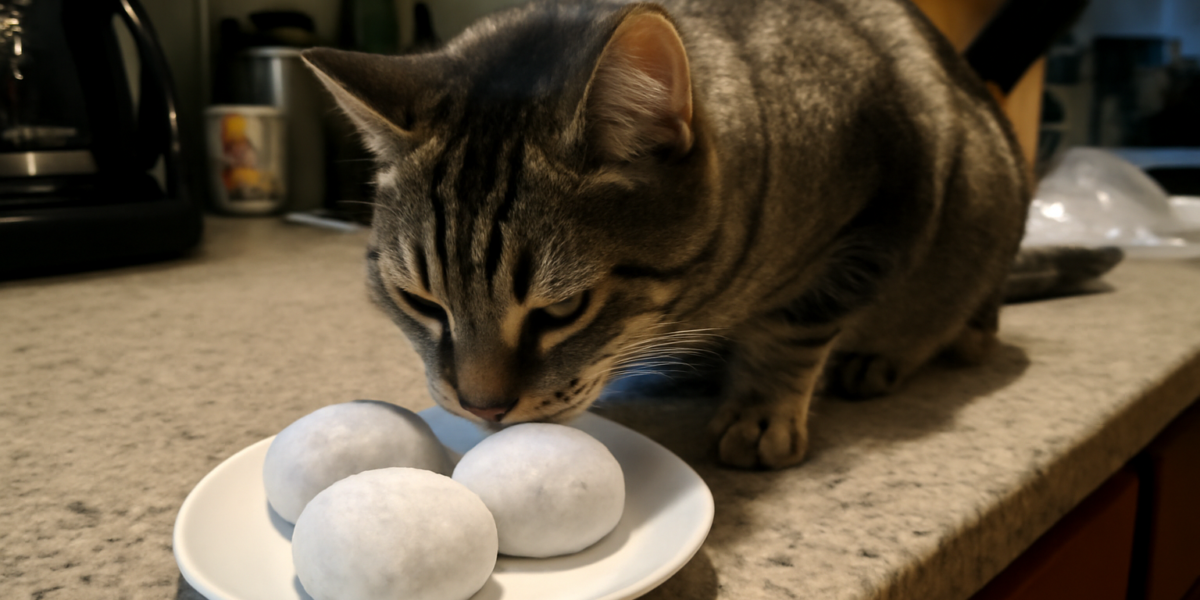
Mochi, the soft and chewy Japanese rice cake made from glutinous rice, has gained widespread popularity as a dessert and snack around the world. Whether filled with ice cream, red bean paste, or simply enjoyed plain, mochi is a beloved treat for many people. But if your curious cat has ever tried to investigate your plate of mochi, you may wonder whether this sticky delicacy is something your feline can safely sample. The short answer is that mochi is one food you should keep firmly out of your cat’s reach.
Quick Answer: Can Cats Eat Mochi?
No, cats should not eat mochi. While the base ingredient of mochi, glutinous rice flour, is not technically toxic to cats, the physical properties of mochi make it genuinely dangerous for felines. Mochi’s extremely sticky, dense, and chewy texture creates a significant choking hazard for cats, whose small throats and different chewing patterns make them poorly equipped to handle such a food. Beyond the choking risk, mochi is loaded with sugar and carbohydrates that have no place in a cat’s diet.
Even in Japan, mochi is well-known for causing choking incidents in humans, particularly in children and the elderly. For a small animal like a cat, the risk is substantially greater. This is one snack where the safest amount to give your cat is none at all.
Nutritional Considerations for Cats
Mochi is made primarily from mochigome, a short-grain glutinous rice that is pounded into a smooth, elastic paste. A typical serving of plain mochi contains approximately 95 to 130 calories, with the vast majority coming from carbohydrates, primarily starch and sugar. It contains negligible protein, almost no fat, and no meaningful vitamins or minerals.
Cats are obligate carnivores with metabolic systems that are fundamentally different from those of humans. Their bodies are designed to extract energy and essential nutrients from animal protein and fat. Key nutrients that cats cannot synthesize on their own, including taurine, arachidonic acid, and preformed vitamin A, are found exclusively in animal-based foods. Mochi provides none of these.
Additionally, cats lack taste receptors for sweetness, which means they do not even experience the sugary appeal that draws humans to mochi. From your cat’s perspective, mochi is simply a strange, sticky substance with no particular flavor reward. From a nutritional standpoint, it is pure empty calories that can displace the nutrient-dense food your cat actually needs.
The sugar content of mochi is especially concerning. Many cats, particularly indoor cats and those of certain breeds, are prone to obesity and diabetes. Introducing unnecessary sugar into their diet, even in small amounts over time, can contribute to metabolic problems that significantly impact quality of life and longevity.
Benefits and Risks of Feeding Mochi to Cats
There are absolutely no health benefits to feeding mochi to cats. The risks, however, are considerable and make mochi one of the more dangerous human snacks for felines:
- Choking hazard: This is the most serious and immediate risk. Mochi’s thick, sticky, elastic texture can adhere to a cat’s throat, palate, or airway. Unlike dry foods that can be coughed up, mochi’s adhesive properties make it extremely difficult to dislodge once stuck. A cat choking on mochi faces a genuine life-threatening emergency.
- Intestinal blockage: If a piece of mochi is swallowed without being properly broken down, its sticky consistency can cause it to clump together in the digestive tract. This can lead to a gastrointestinal obstruction, a serious condition that may require emergency surgery to resolve.
- High sugar content: Plain mochi contains significant sugar, and filled varieties such as ice cream mochi or sweet bean mochi contain even more. Excessive sugar consumption can contribute to obesity, dental problems, and diabetes in cats.
- Toxic fillings: Many types of mochi contain fillings or coatings that pose additional dangers. Chocolate-filled mochi contains theobromine, which is toxic to cats. Mochi made with matcha (green tea) contains caffeine. Some varieties include artificial sweeteners like xylitol, which is extremely poisonous to pets. Red bean paste, while not toxic, adds substantial sugar.
- Digestive distress: Even if a cat manages to swallow mochi without choking, the dense, starchy nature of the food can cause vomiting, diarrhea, bloating, and abdominal discomfort.
How to Keep Your Cat Safe Around Mochi
Given the risks outlined above, the recommendation is straightforward: do not feed mochi to your cat at all. Instead of discussing how to serve mochi safely, it is more appropriate to focus on how to prevent accidental ingestion:
Store mochi in sealed containers or in the refrigerator where your cat cannot access it. Cats are resourceful and curious, and some will investigate countertops, tables, and even open bags of food when left unattended.
If you are eating mochi, be mindful of where you set it down. A plate left on a coffee table or side table is within easy reach of most cats. Clean up any crumbs or residue promptly, as even small sticky fragments could be licked up by a curious cat.
If you have children in the household, remind them not to share mochi with the family cat, no matter how much the cat begs. Children may not understand the choking risk that mochi presents to small animals.
If you suspect your cat has eaten mochi, watch it very closely for signs of choking, gagging, or distress. If the cat appears to be choking, this is a veterinary emergency. Do not attempt to pull the mochi out of your cat’s throat yourself, as this could push it further in or cause injury. Transport your cat to the nearest emergency veterinary clinic immediately.
Signs of Problems After Eating Mochi
If your cat has managed to eat some mochi despite your best efforts, be vigilant for the following symptoms:
- Gagging, retching, or pawing at the mouth: These are signs that mochi may be stuck in or around the mouth, throat, or esophagus. This constitutes an emergency situation.
- Difficulty breathing: Labored breathing, wheezing, or open-mouth breathing may indicate that a piece of mochi is partially obstructing the airway. Seek veterinary attention immediately.
- Drooling excessively: Unusual drooling can indicate that something is stuck in the mouth or throat, or that the cat is experiencing nausea.
- Vomiting: The stomach may reject the sticky, starchy mass. While vomiting may actually help expel the mochi, repeated vomiting requires veterinary attention.
- Loss of appetite and lethargy: These general signs may indicate that mochi is causing a blockage somewhere in the digestive tract. An intestinal obstruction is a medical emergency that can become fatal if untreated.
- Abdominal swelling or pain: If the mochi has caused a blockage, the abdomen may become distended and tender. The cat may cry out when the belly is touched.
- Absence of bowel movements: If your cat stops having bowel movements after eating mochi, this is a strong indicator of a possible intestinal obstruction and requires immediate veterinary care.
Do not wait to see if symptoms resolve on their own if your cat shows signs of choking or obstruction. These are time-sensitive emergencies where rapid veterinary intervention can be life-saving.
Healthy Alternatives to Mochi for Cats
If you enjoy sharing food moments with your cat, choose treats that are safe and appropriate for an obligate carnivore:
- Plain cooked chicken: Shredded or diced chicken breast without any seasoning is a high-protein treat that most cats find irresistible.
- Cooked shrimp: A small piece of plain, cooked shrimp can be an exciting and nutritious treat for cats. Remove the shell and tail before offering.
- Lickable cat treats: Many brands offer pureed meat treats in squeezable tubes that cats love. These are formulated specifically for feline consumption and provide a satisfying treat experience without any risk.
- Freeze-dried meat: Single-ingredient freeze-dried chicken, salmon, or turkey treats are convenient, shelf-stable, and nutritionally sound for cats.
- Small pieces of cooked turkey: Similar to chicken, plain turkey is a lean protein source that works well as an occasional treat.
Understanding what is safe and unsafe for cats is especially important if you are considering adopting a cat or bringing a new feline into a household where unfamiliar foods may be within reach.
Frequently Asked Questions
What should I do if my cat is choking on mochi?
If your cat is actively choking, showing signs like open-mouth breathing, gagging, or turning blue, this is an emergency. Do not try to reach into your cat’s throat to pull out the mochi, as this can push it deeper or cause injury. Transport your cat to the nearest emergency veterinary clinic immediately. If you have been trained in the Heimlich maneuver for cats, you may attempt it while someone drives you to the vet, but professional help should be your first priority.
Is plain mochi without filling safer for cats?
Plain mochi is slightly less dangerous than filled varieties, only because it avoids potentially toxic fillings like chocolate or xylitol. However, the primary danger of mochi, its sticky, choking-prone texture, is present in all forms regardless of filling. Plain mochi is still not safe for cats and should be avoided entirely.
Can cats eat mochi ice cream?
No. Mochi ice cream combines multiple problematic elements. The mochi wrapper presents the same choking and obstruction risks as regular mochi. The ice cream filling adds dairy, which most adult cats cannot digest properly due to lactose intolerance, as well as high levels of sugar. Some ice cream flavors also contain chocolate or coffee, both of which are toxic to cats. For more on dairy and cats, you can read about whether cats can eat yogurt.
My cat licked a piece of mochi but did not eat it. Should I be worried?
If your cat merely licked a piece of mochi without actually consuming any, there is very little cause for concern. A tiny amount of sugar and starch from licking the surface is not enough to cause problems. Simply remove the mochi from your cat’s reach and monitor for any unusual behavior, though significant issues from licking alone are extremely unlikely.
Are there any rice-based foods that are safe for cats?
Small amounts of plain, cooked white rice are generally considered safe for cats and are sometimes even recommended by veterinarians as a bland food for cats recovering from digestive upset. The key difference between cooked rice and mochi is texture: plain cooked rice is soft and easy to swallow, while mochi is dense, sticky, and elastic. Even so, rice offers no essential nutrition for cats and should only be used occasionally or as directed by a vet. You can also learn about whether cats can eat rice cakes for a related comparison.


