
Last updated: April 10, 2026
In this article
Can Cats Eat Parmesan Cheese?
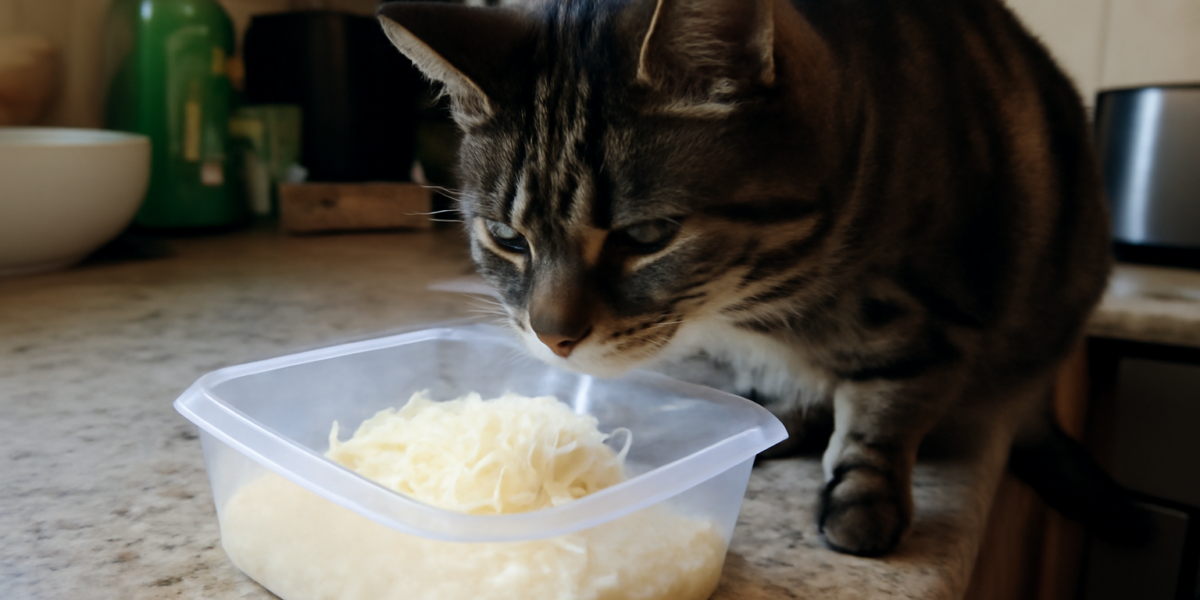
Cats can eat a very small amount of parmesan cheese without immediate toxicity, but it is not a recommended treat. Parmesan is extremely high in sodium, contains significant fat, and while it is lower in lactose than many other cheeses, it can still cause digestive upset in lactose-intolerant cats. A tiny pinch as a rare treat is unlikely to cause harm, but regular feeding of parmesan cheese is not advisable for your cat’s health.
Many cats are attracted to cheese because of its strong smell and high fat content. Parmesan, with its intense umami flavor, can be particularly appealing. While a cat begging for cheese at the dinner table is endearing, understanding the nutritional mismatch between parmesan and feline dietary needs will help you make better treat choices.
Why Parmesan Cheese Is Not Great for Cats
Extremely High Sodium
Parmesan cheese is one of the saltiest cheeses available. A single tablespoon of grated parmesan contains roughly 75 to 85 milligrams of sodium. A typical adult cat needs only about 21 milligrams of sodium per day from all food sources combined. Even a small sprinkle of parmesan can deliver a disproportionate sodium load for a cat.
Excessive sodium intake puts strain on the kidneys, can elevate blood pressure, and increases thirst and urination. For cats with existing kidney disease, which is extremely common in older cats, extra sodium can accelerate kidney decline.
High Fat Content
Parmesan contains about 22 percent fat. While cats need fat in their diet, the concentrated fat in cheese can trigger digestive upset, especially in cats not used to high-fat foods. Over time, high-fat treats contribute to weight gain and increase the risk of pancreatitis, a painful inflammation of the pancreas.
Lactose Considerations
Most adult cats are lactose intolerant to some degree. They produce little or no lactase, the enzyme needed to break down lactose, the sugar found in milk and dairy products. Parmesan is an aged cheese with lower lactose content than fresh cheeses like mozzarella or cream cheese, which is why some cats tolerate tiny amounts. However, sensitive cats may still experience gas, bloating, diarrhea, or vomiting even from low-lactose cheeses.
What Happens If Your Cat Eats Parmesan
If your cat licks a small amount of parmesan off a plate or steals a shred from the counter, there is usually no cause for alarm. Most healthy cats will handle a tiny amount without visible symptoms.
Larger amounts, however, can cause:
- Vomiting: From the fat and sodium content.
- Diarrhea: Particularly in lactose-intolerant cats.
- Excessive thirst and urination: The body’s response to sodium overload.
- Gas and bloating: From undigested lactose fermenting in the gut.
- Lethargy: General discomfort from digestive upset.
These symptoms are typically self-limiting and resolve within 12 to 24 hours. Offer your cat plenty of fresh water to help flush the excess sodium. If symptoms persist beyond a day, your cat appears dehydrated, or you notice blood in vomit or stool, contact your veterinarian.
Safe Portions If You Decide to Share
If you occasionally want to use parmesan as a flavor enhancer for a picky eater or to hide medication, keep the portions extremely small:
- Maximum serving: A tiny pinch of finely grated parmesan, no more than one-eighth of a teaspoon.
- Frequency: No more than once a week, and ideally less often.
- Preparation: Use plain parmesan without added herbs, garlic, or seasonings. Pre-seasoned parmesan blends often contain garlic powder, which is toxic to cats.
- Skip it entirely for cats with: Kidney disease, heart disease, hypertension, diabetes, obesity, or any condition requiring a sodium-restricted diet.
Remember that treats of all types should account for no more than 10 percent of your cat’s daily caloric intake. A small pinch of parmesan may seem insignificant, but for a 10-pound cat, the sodium content is meaningful.
Healthier Alternatives to Cheese for Cats
If you are looking for flavorful toppers or treats for your cat that do not carry the sodium and lactose concerns of parmesan, consider these options:
- Nutritional yeast: Has a savory, cheesy flavor that cats love and provides B vitamins without the sodium or fat. Read more in our guide to nutritional yeast for cats.
- Plain cooked chicken shreds: High protein, low sodium, and a texture most cats enjoy.
- Bonito flakes: Thin, dried fish flakes with intense umami flavor. Available at Asian grocery stores and pet supply shops. Very low in calories.
- Freeze-dried meat treats: Single-ingredient treats that provide flavor and protein without unnecessary additives.
- Cooked salmon: A protein-rich, omega-3-packed treat. See our cooked salmon guide for safe preparation.
These alternatives satisfy your cat’s craving for savory, umami-rich flavors while being much more aligned with their nutritional needs as obligate carnivores.
Cheese Types Ranked by Cat Safety
Not all cheeses are equally problematic for cats. Here is a general ranking from least to most concerning:
- Cottage cheese (plain, low-sodium): Lower in fat and sodium than most cheeses. Still contains lactose.
- Hard aged cheeses (cheddar, Swiss): Lower in lactose due to aging but still high in fat and sodium.
- Parmesan: Very low lactose but extremely high sodium.
- Soft cheeses (brie, cream cheese): Higher in lactose and fat. More likely to cause digestive upset.
- Blue cheese: Contains roquefortine C, a compound produced by the mold that can be toxic to cats. Avoid entirely.
No cheese is truly ideal for cats, but if you are going to share, plain cottage cheese in a tiny amount is the least problematic option. For more on what cats can safely eat, explore our article on sweet corn for cats.
If you have recently adopted a cat, ask your vet about appropriate treats during your first wellness visit.
Frequently Asked Questions
Can cats eat parmesan every day?
No. Daily parmesan consumption would deliver far too much sodium for a cat. Even small daily amounts can contribute to elevated blood pressure and kidney strain over time. Reserve parmesan as a very rare, very small treat at most.
Is parmesan safer than other cheeses for cats because it is low in lactose?
While the low lactose content in parmesan is a small advantage, the extremely high sodium content makes it one of the worse cheese options for cats overall. A cheese that is low in both lactose and sodium, like plain cottage cheese, is a better choice if you are going to share dairy with your cat.
My cat ate parmesan with garlic seasoning. What should I do?
Garlic is toxic to cats. Even small amounts can cause oxidative damage to red blood cells, leading to anemia. If your cat ate parmesan with garlic seasoning, call your veterinarian immediately. Symptoms of garlic toxicity may not appear for several days but can include lethargy, pale gums, rapid breathing, and dark-colored urine.
Can kittens eat parmesan cheese?
Kittens should not be given parmesan cheese. Their developing kidneys are more sensitive to sodium, and their smaller body size means the same amount of cheese delivers a proportionally larger sodium and fat load. Kittens should stick to kitten-formulated food and treats approved by your veterinarian.
My cat is obsessed with parmesan. How do I discourage it?
Cats can develop strong preferences for certain flavors. To redirect your cat’s cheese obsession, try offering nutritional yeast or bonito flakes as a substitute. These provide a similar savory flavor without the sodium and fat concerns. Keep parmesan stored in a sealed container your cat cannot access, and avoid eating it in front of your cat if they are persistent beggars.


