
Last updated: May 4, 2026
In this article
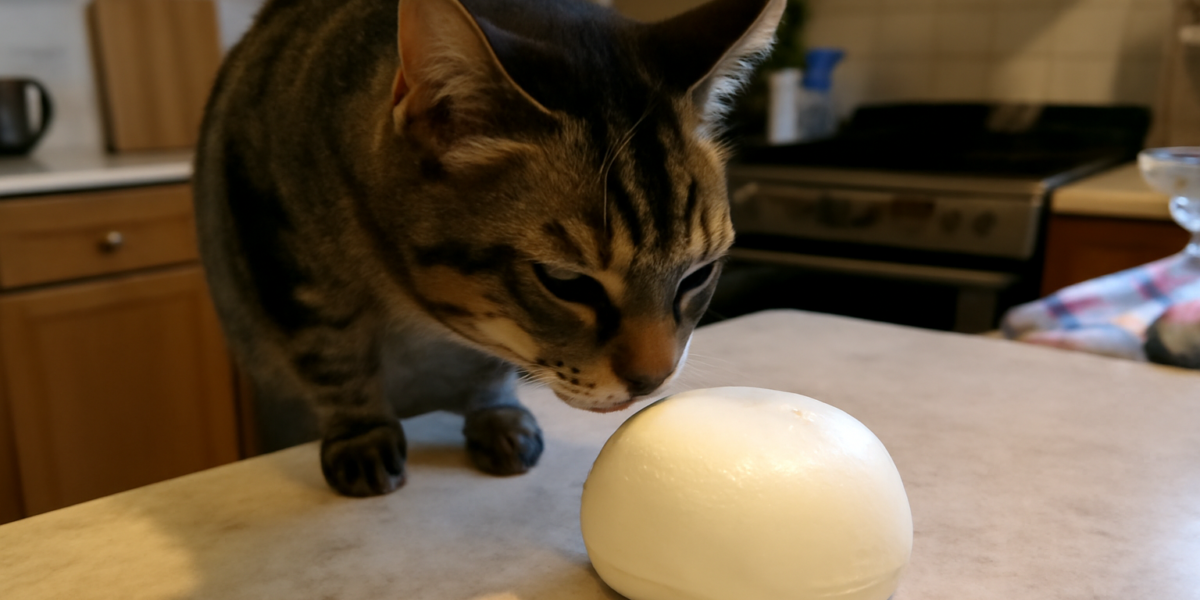
The image of a cat happily lapping up a saucer of milk is deeply embedded in popular culture, but the reality of feline dairy tolerance is much more complicated. If your cat has been eyeing your mozzarella sticks, pizza topping, or caprese salad, you are probably wondering whether cheese is a safe treat. Mozzarella is one of the milder, softer cheeses available, which makes some cat owners assume it must be easier on feline stomachs. While mozzarella is not toxic to cats, the truth is that most adult cats are lactose intolerant, and dairy products — including mozzarella — can cause uncomfortable digestive symptoms. As obligate carnivores, cats also gain very little nutritional value from cheese that they do not already get in better form from their regular meat-based diet.
Quick Answer: Mozzarella is not toxic to cats, but most adult cats are lactose intolerant and may experience diarrhea, gas, bloating, or vomiting after eating it. Mozzarella is relatively low in lactose compared to other dairy products, making it slightly better tolerated, but it is still high in fat and calories with no essential nutrients your cat’s regular food does not already provide. A tiny piece on rare occasion is the absolute maximum.
Is Mozzarella Safe for Cats?
Mozzarella cheese is not listed as toxic to cats by any major veterinary organization. It does not contain compounds that are inherently poisonous to felines. However, the primary concern is lactose intolerance, which affects the majority of adult cats.
Here is why: kittens produce high levels of lactase, the enzyme required to digest lactose (the sugar found in milk and dairy products). This makes perfect biological sense — kittens need to digest their mother’s milk. However, once kittens are weaned, their lactase production drops dramatically. By adulthood, most cats produce only a fraction of the lactase they had as kittens, rendering them functionally lactose intolerant.
When a lactose-intolerant cat eats dairy, the undigested lactose passes into the large intestine, where bacteria ferment it, producing gas and drawing water into the intestinal lumen through osmosis. The result is gas, bloating, abdominal cramping, and diarrhea — essentially the same symptoms that lactose-intolerant humans experience.
There is a silver lining for mozzarella specifically: it is relatively low in lactose compared to other dairy products. Fresh mozzarella contains about 0 to 3 percent lactose, while aged or low-moisture mozzarella (the kind typically used on pizza) has even less because the aging and manufacturing process consumes some of the lactose. By comparison, whole milk contains about 4.8 percent lactose, and ice cream can contain 3 to 8 percent. This means mozzarella may be slightly better tolerated than milk, yogurt, or ice cream — but “slightly better” does not mean “good.”
Nutritional Profile of Mozzarella
One ounce (28 grams) of whole-milk mozzarella contains approximately 85 calories, 6 grams of fat, 6 grams of protein, 1 gram of carbohydrates, and 175 milligrams of sodium. It also provides significant calcium, phosphorus, and some B vitamins.
The protein in mozzarella is high-quality casein and whey — animal-derived proteins that contain essential amino acids including taurine. In theory, cheese protein is more nutritionally appropriate for cats than the plant proteins found in grains or noodles. However, the fat and sodium content, combined with the lactose, make mozzarella an inefficient and potentially uncomfortable way to deliver protein that a cat already gets from their regular food.
The caloric density is notable. At 85 calories per ounce, a single cheese stick represents roughly 35 to 40 percent of a small cat’s daily caloric needs. The fat content (6 grams per ounce, much of it saturated) is also a concern, particularly for overweight cats or those with a history of pancreatitis.
Part-skim mozzarella is slightly better on paper — about 72 calories and 4.5 grams of fat per ounce — but the difference is not dramatic enough to change the overall recommendation.
Potential Benefits of Mozzarella for Cats
Mozzarella does offer a few minor advantages compared to many other human foods:
High-quality protein: The casein and whey proteins in mozzarella are complete animal proteins that cats can digest and utilize. In small amounts, cheese protein is more appropriate for cats than plant-based alternatives.
Palatability for medication: Mozzarella’s soft, stretchy texture makes it useful for wrapping around pills. Many cats that refuse other pill-hiding options will accept a small piece of mozzarella. If you use this method, keep the portion as small as possible — just enough to disguise the medication.
Calcium and phosphorus: Mozzarella provides calcium and phosphorus in a form cats can absorb. However, balanced commercial cat food already provides these minerals in appropriate ratios, so supplementation through cheese is unnecessary.
Lower lactose than many dairy products: For cats that are not severely lactose intolerant, mozzarella’s relatively low lactose content means it may cause less digestive upset than milk, cream, or ice cream.
Risks and Side Effects of Mozzarella for Cats
Despite being non-toxic, mozzarella carries several risks for cats:
Lactose intolerance symptoms: Diarrhea, gas, bloating, and abdominal cramping are the most common reactions. The severity varies by individual cat — some cats tolerate small amounts of low-lactose dairy while others react to even a tiny piece. There is no reliable way to predict tolerance without offering a very small test amount.
High fat content: The saturated fat in mozzarella can contribute to weight gain and, in susceptible cats, trigger pancreatitis. Cats with a history of pancreatitis, obesity, or hyperlipidemia should not eat cheese.
Sodium concerns: At 175 milligrams per ounce, the sodium content is significant for a small animal. Cats with kidney disease or hypertension are especially vulnerable to sodium-related complications.
Caloric excess: The calorie density of mozzarella makes it easy to accidentally overfeed. A one-inch cube of mozzarella might seem small to you, but it could represent 15 to 20 percent of your cat’s daily caloric needs.
Choking hazard: Mozzarella’s stretchy texture can be a choking risk, particularly with string cheese or melted mozzarella. Cats do not chew their food as thoroughly as humans, and stringy cheese can form a mass in the throat.
Addictive flavor: Cats that develop a taste for cheese may become persistent beggars and refuse their regular food in hopes of getting more cheese. This behavioral pattern can lead to nutritional imbalances if owners give in.
How to Feed Mozzarella to Cats Safely
If you choose to offer your cat a small taste of mozzarella, follow these strict guidelines:
- Kittens: While kittens produce more lactase than adults, their small size means even moderate amounts of cheese are calorie-excessive. Stick to kitten food and kitten-appropriate treats.
- Adult cats (6–10 lbs): A piece no larger than the tip of your pinky finger (about a quarter-inch cube), no more than once a week. Start with an even smaller piece to test tolerance.
- Large cats (over 10 lbs): A piece no larger than a half-inch cube, no more than once a week.
Offer only plain mozzarella — not breaded mozzarella sticks (which add carbohydrates and frying oil), not pizza cheese (which contains excess grease and may have garlic-seasoned sauce), and not flavored or herbed mozzarella. Cut into small, non-stringy pieces to reduce choking risk. Room temperature is preferable to cold from the refrigerator.
After the first offering, wait 24 hours and observe for digestive symptoms. If your cat shows any signs of GI upset, do not offer mozzarella again.
Signs of Lactose Intolerance or Other Problems
Watch for these symptoms after your cat eats mozzarella:
Mild lactose intolerance (within 2-12 hours): Loose stool, mild diarrhea, audible stomach gurgling, flatulence, or slightly decreased appetite. These symptoms typically resolve within 24 hours. Ensure your cat has access to plenty of fresh water.
Moderate digestive upset: Multiple episodes of diarrhea, watery stool, vomiting, noticeable abdominal discomfort, bloating, or refusal to eat. Contact your veterinarian if symptoms persist beyond 24 hours or if your cat seems to be in pain.
Severe reaction (rare): Continuous vomiting, bloody diarrhea, signs of dehydration (sunken eyes, dry gums, skin tenting), extreme lethargy, or signs consistent with pancreatitis (hunched posture, fever, severe abdominal pain). Seek veterinary care promptly.
Allergic reaction (very rare): True dairy allergy (different from lactose intolerance) can cause itching, hives, facial swelling, or difficulty breathing. This is a medical emergency.
Better Alternatives to Mozzarella for Cats
If your cat enjoys the rich, fatty taste of cheese, consider these alternatives:
Meat-based treats: Small pieces of plain cooked chicken, turkey, or fish provide the protein and fat your cat craves without the lactose, excess sodium, or caloric density of cheese.
Cat-specific cheese treats: Some pet brands make cheese-flavored treats formulated for cats with reduced or no lactose. These are a safer way to indulge your cat’s cheese cravings.
Nutritional yeast: A tiny sprinkle of nutritional yeast on your cat’s food provides a cheesy flavor without lactose. It also contains B vitamins. Use sparingly — it does contain phosphorus, which should be limited in cats with kidney issues.
Cat milk: Several brands offer lactose-free milk formulated for cats, with added taurine and reduced calories. This can satisfy a dairy craving more safely than cheese.
For more information about dairy and other foods for cats, read our guides on can cats eat coconut cream and can cats eat crackers. If you are looking for a new feline friend, visit our adoption page to browse cats available for adoption through Walk Me Home.
Frequently Asked Questions
Can cats eat pizza with mozzarella?
No. Pizza combines mozzarella’s lactose and fat concerns with additional problems: the tomato sauce typically contains garlic and onion (both toxic), the crust is refined carbohydrate, and toppings like pepperoni or sausage add excessive sodium and fat. Greasy pizza cheese is also a higher choking risk than plain mozzarella. Keep pizza away from your cat.
Is mozzarella better than cheddar for cats?
Fresh mozzarella contains slightly more lactose than aged cheddar (which has very low lactose due to the aging process), but mozzarella is lower in sodium and fat per ounce than many cheddar varieties. Neither is ideal. If you are going to give your cat a tiny amount of cheese, aged, harder cheeses like cheddar and parmesan tend to have less lactose. But the differences are small and neither should be a regular treat.
Can cats eat mozzarella sticks?
No. Mozzarella sticks are breaded and deep-fried, adding significant carbohydrates, fat, and calories to the already problematic cheese. The breading may also contain garlic powder or other seasonings. The melted cheese inside can be extremely hot and burn your cat’s mouth. Plain, uncooked mozzarella is the only form that should be considered, and even that is not ideal.
How do I know if my cat is lactose intolerant?
The vast majority of adult cats are lactose intolerant to some degree. There is no widely available lactose tolerance test for cats. The practical approach is to offer a very small amount (half the size of a pea) of dairy and watch for digestive symptoms over 12 to 24 hours. If your cat develops diarrhea, gas, or vomiting, they are lactose intolerant and should avoid dairy products. Some cats tolerate small amounts of low-lactose dairy while reacting to higher-lactose products.
My cat loves cheese and seems fine eating it — is that okay?
Some cats are less lactose intolerant than others and can tolerate small amounts of low-lactose cheese without visible digestive symptoms. If your cat genuinely shows no symptoms after eating a tiny piece of plain mozzarella, an occasional very small treat is unlikely to cause harm. However, keep portions extremely small, limit frequency to once a week at most, and remain vigilant for subtle signs of GI upset. The caloric and sodium concerns still apply regardless of lactose tolerance.
Can lactose-free mozzarella be given to cats?
Lactose-free mozzarella eliminates the primary digestive concern, making it somewhat better tolerated. However, it still contains the same fat, sodium, and calories as regular mozzarella. The fundamental issue — that cheese is a calorie-dense, nutritionally unnecessary food for cats — remains unchanged. A tiny piece of lactose-free mozzarella is less likely to cause GI upset but should still be offered only rarely and in very small amounts.


