
Last updated: April 9, 2026
In this article
Can Cats Eat Pistachios? Why This Nut Is Not Cat-Friendly
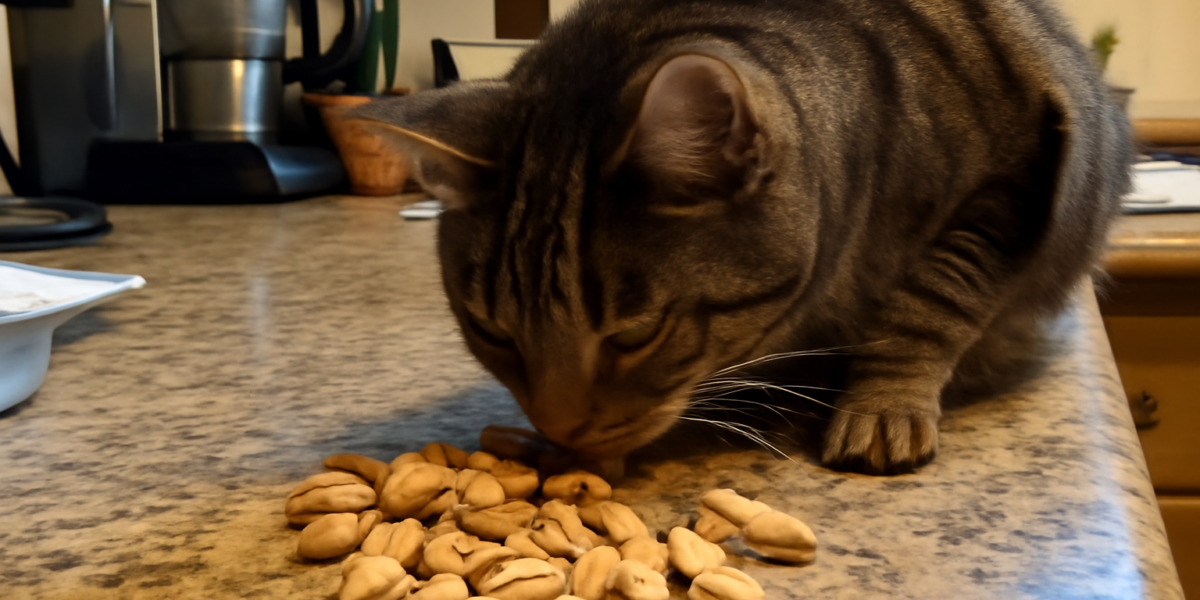
Pistachios are one of the most popular snacking nuts, enjoyed for their distinctive flavor and satisfying crack-and-eat ritual. If your cat is the type to investigate every snack you pull out of the pantry, you may have found them nosing around a bowl of pistachios or batting a fallen nut across the floor. While pistachios are a healthy snack for humans, packed with protein, fiber, and beneficial fats, the same cannot be said for your cat. Pistachios are not suitable for cats and present multiple health risks that outweigh any curiosity-driven interest your cat might show.
Like all nuts, pistachios are misaligned with the nutritional requirements of obligate carnivores. Cats’ bodies are engineered to extract nutrition from animal tissues, not plant-based foods. Their digestive enzymes, metabolic pathways, and nutrient requirements all reflect a carnivorous evolutionary history that makes nuts an inappropriate food source. Beyond the basic nutritional mismatch, pistachios carry specific physical and chemical risks for cats that make them a snack best kept to the human side of the household.
Health Risks of Pistachios for Cats
The fat content in pistachios is the most significant health concern for cats. One ounce of pistachios, approximately 49 nuts, contains about 13 grams of fat and 159 calories. For a cat weighing ten pounds with a daily caloric need of roughly 200 to 250 calories, even a small handful of pistachios represents a disproportionate caloric and fat intake. Cats are not designed to process large amounts of plant-based fat efficiently, and excess fat consumption places strain on the pancreas and liver.
Pancreatitis remains one of the most serious risks associated with high-fat foods in cats. When the pancreas is overwhelmed by a sudden fat load, it becomes inflamed and the digestive enzymes it produces can begin attacking the organ itself. Feline pancreatitis causes severe abdominal pain, persistent vomiting, complete loss of appetite, lethargy, and dehydration. The condition ranges from mild and self-resolving to severe and potentially fatal. Even a single episode of pancreatitis can sensitize the pancreas, making future episodes more likely.
Pistachio shells pose a distinct and serious physical hazard. The hard shells can crack into sharp fragments that damage the mouth, throat, and esophagus. If swallowed, shell pieces can cause intestinal obstruction or perforation, both of which are surgical emergencies. Cats that encounter pistachios still in the shell may bite down on the shell, breaking off sharp pieces that lacerate the gums or become embedded between teeth. Even partially opened shells retain enough structural integrity to cause damage.
Many commercially available pistachios are salted, sometimes heavily so. Cats have a very low sodium requirement and limited ability to excrete excess sodium compared to larger animals. A significant intake of salted pistachios can cause sodium ion poisoning, with symptoms including excessive thirst, excessive urination, vomiting, diarrhea, tremors, elevated body temperature, and in severe cases, seizures. Even moderately salted pistachios provide far more sodium than a cat should consume in a single sitting.
Flavored pistachios introduce additional risks. Popular pistachio flavorings include garlic, onion, chili, and various herb and spice blends. Garlic and onion, in any form including powder, are toxic to cats and cause oxidative damage to red blood cells, leading to hemolytic anemia. A cat that eats several garlic or onion-flavored pistachios has been exposed to a genuinely toxic substance, not just an inappropriate snack.
Aflatoxin and Mold Risks
Pistachios are particularly susceptible to contamination with aflatoxins, toxic compounds produced by Aspergillus molds that commonly grow on nuts, grains, and other crops. Aflatoxin contamination is a well-documented concern in pistachio production, and while commercial processing and testing minimize human exposure, the issue is relevant for cats.
Cats are more sensitive to aflatoxins than many other species. Even low-level aflatoxin exposure can cause liver damage in cats, and chronic exposure leads to cumulative liver injury. Aflatoxin B1, the most common and most toxic type, is a potent hepatotoxin and carcinogen. Symptoms of aflatoxin poisoning in cats include vomiting, loss of appetite, jaundice, lethargy, and in severe cases, liver failure and death.
Pistachios that have become discolored, moldy, or have an off smell are at higher risk of aflatoxin contamination. However, aflatoxins are not always visible or detectable by smell or taste. Nuts that appear perfectly normal may still contain unsafe levels of aflatoxins. This invisible risk adds another layer of concern to feeding pistachios to cats, as even “good” pistachios may carry a hidden danger that is particularly hazardous to feline livers.
The risk of mold contamination extends beyond aflatoxins. Other mold species produce mycotoxins that can cause gastrointestinal upset, neurological symptoms, and organ damage in cats. Pistachios stored in open containers, in humid environments, or past their freshness date are at increased risk of mold growth. While human adults can generally tolerate low levels of mycotoxin exposure, a cat’s smaller body size and different metabolic pathways make them more vulnerable to the same levels of contamination.
What to Do If Your Cat Eats Pistachios
Cats are curious creatures, and despite your best efforts, your cat may manage to eat a pistachio or two. Your response should be proportional to the amount consumed, the type of pistachio, and whether shells were involved.
If your cat ate one or two plain, unsalted, shelled pistachios, the risk is low. Monitor for signs of digestive upset including vomiting, diarrhea, or decreased appetite over the next 24 hours. Provide plenty of fresh water. Most cats will pass a small amount of pistachio without incident, though some may experience mild stomach upset due to the unfamiliar food and high fat content.
If your cat ate salted or flavored pistachios, pay closer attention to sodium intake symptoms. Watch for excessive thirst and urination, which indicate the body is working to clear excess sodium. If the pistachios were flavored with garlic or onion, contact your veterinarian regardless of the quantity consumed, as these ingredients are toxic and the damage they cause can be dose-dependent but cumulative.
If your cat ate pistachios with shells or you suspect they chewed on shells, monitor closely for signs of oral injury including bleeding from the mouth, drooling, pawing at the face, or reluctance to eat. Watch for signs of intestinal obstruction including repeated vomiting, inability to keep food or water down, abdominal pain, straining to defecate, or lethargy. Intestinal obstruction can develop hours to days after ingestion, so continued monitoring is important even if your cat seems fine initially.
If your cat consumed a large quantity of pistachios, contact your veterinarian for guidance. The high fat load increases the risk of pancreatitis, which may not manifest for one to three days after ingestion. Your veterinarian may recommend monitoring at home, bringing your cat in for examination, or running blood work to check pancreatic enzyme levels, depending on the amount consumed and your cat’s health history.
Preventing Pistachio Access
The most effective approach to pistachio safety is preventing your cat from accessing them in the first place. A few simple habits keep your snack bowl safe and your cat healthy.
Store pistachios in sealed containers in closed cabinets rather than leaving bags or bowls on countertops. Many cats are skilled counter-surfers and can open bags or knock bowls to the floor. The sound of pistachios scattering across a hard floor is often irresistible to a cat looking for something to chase and investigate.
Be mindful of pistachio shells when snacking. Discarded shells can end up on tables, floors, or in open trash cans where cats can find them. Shell fragments are perhaps more dangerous than the nuts themselves due to their sharp edges and indigestible nature. Dispose of shells in a covered trash can or a container your cat cannot access.
If you enjoy snacking on pistachios while watching television or working, be aware of where shells and nuts are falling. Cats that share your couch or desk area may find dropped pistachios and eat them before you notice. Snacking from a bowl in your lap rather than an open bag reduces the chance of scattered nuts.
Educate children and other household members about keeping pistachios and other nuts away from the cat. Kids who enjoy sharing their snacks with pets may not understand the risks. A simple, clear rule, no nuts for the cat, prevents well-intentioned but harmful sharing.
If your cat shows persistent interest in your pistachio snacks, redirect their attention with an appropriate cat treat. Having a bag of cat treats near your snack chair allows you to offer something safe and satisfying when your cat comes begging. This satisfies the social bonding aspect of sharing food without the health risks. For more information on what your cat can and cannot eat, check out our guides on cats and cashews and cats and marshmallows.
Safe Alternatives to Pistachios for Cats
When you want to include your cat in snack time, choose treats that complement their carnivorous nature rather than working against it. The best cat treats are protein-based, appropriately portioned, and free of harmful additives.
Cooked, unseasoned meats remain the gold standard for cat treats. Small pieces of baked or boiled chicken, turkey, or fish provide the animal protein and amino acids that cats need while offering a taste most cats find irresistible. Cook the meat without oil, butter, salt, or seasonings. Cut into small pieces appropriate for your cat’s size. These whole-food treats are nutritious, safe, and cost-effective compared to many commercial cat treats.
Freeze-dried meat treats are convenient alternatives to freshly cooked meat. Available in chicken, salmon, shrimp, turkey, and other protein flavors, these single-ingredient treats preserve the nutritional value of the meat through freeze-drying while creating a crunchy texture that many cats enjoy. They are shelf-stable, easy to carry, and typically contain no additives, fillers, or artificial preservatives.
A small amount of plain, cooked egg makes a protein-rich treat that most cats enjoy. Scrambled egg without butter or seasoning, or a small piece of hard-boiled egg, provides high-quality animal protein along with beneficial fats and vitamins. Keep the portion small, about a teaspoon, to avoid adding excessive calories.
Commercial dental treats designed for cats offer the dual benefit of satisfying the urge to chew while helping to clean teeth and reduce tartar buildup. These treats are formulated to be safe and nutritionally appropriate for cats, with controlled calorie content and textures designed for feline teeth. They can be a functional alternative for cats that enjoy crunchy textures like those of nuts.
Frequently Asked Questions About Cats and Pistachios
Are pistachios toxic to cats?
Pistachios are not classified as acutely toxic to cats like some other foods such as chocolate, onions, or lilies. A cat that eats a small amount of plain pistachio is unlikely to develop a life-threatening reaction. However, pistachios pose multiple health risks including pancreatitis from high fat content, choking and intestinal obstruction from shells, sodium toxicity from salted varieties, potential aflatoxin contamination, and toxicity from garlic or onion flavoring. The term “not toxic” should not be confused with “safe.” Pistachios are inappropriate for cats and should not be offered as treats.
Can a pistachio shell hurt my cat?
Yes, pistachio shells are genuinely dangerous for cats. The shells are hard and can crack into sharp fragments when bitten. These fragments can cut the gums, tongue, or roof of the mouth, causing pain and bleeding. If swallowed, shell pieces can scratch or puncture the esophagus, stomach, or intestinal lining. Larger shell pieces can cause intestinal obstruction, preventing food and waste from moving through the digestive tract normally. Intestinal obstruction and perforation are surgical emergencies. Always keep pistachio shells out of your cat’s reach and dispose of them securely.
My cat ate a few pistachios and is now vomiting. What should I do?
Vomiting after eating pistachios is usually the body’s response to the unfamiliar, high-fat food. If your cat vomits once or twice and then returns to normal behavior with a good appetite, you can monitor at home. Offer small amounts of water frequently to prevent dehydration. Withhold food for a few hours, then offer a small bland meal. If vomiting persists beyond 24 hours, if your cat refuses to eat, if you notice blood in the vomit, or if your cat appears lethargic or painful, contact your veterinarian. Persistent vomiting after a high-fat food may indicate pancreatitis, which requires professional treatment.
Are pistachio ice cream or pistachio-flavored foods safe for cats?
Pistachio-flavored foods and pistachio ice cream are not safe for cats. These products combine the issues of pistachios with additional problematic ingredients. Pistachio ice cream contains dairy, which most adult cats are lactose intolerant to, along with sugar, artificial colorings (often green food dye), and possibly artificial flavorings. Pistachio-flavored baked goods contain sugar, butter, flour, and other ingredients that are not part of a healthy feline diet. Keep all pistachio-flavored foods away from your cat and opt for species-appropriate treats instead.
How many pistachios would it take to make a cat sick?
The amount needed to cause illness varies depending on the cat’s size, overall health, and individual sensitivity. Some cats may experience gastrointestinal upset from just one or two pistachios, while others might tolerate a few without obvious symptoms. The risk of pancreatitis generally increases with the amount of fat consumed, but even small amounts can trigger an episode in susceptible cats. Because there is no established safe amount and the risk-to-benefit ratio is entirely unfavorable, the responsible answer is that no amount of pistachio is recommended for cats. Every pistachio carries risk without providing any nutritional benefit.


