
Last updated: May 4, 2026
In this article
Can Cats Eat Sage? Safety Guide and Tips
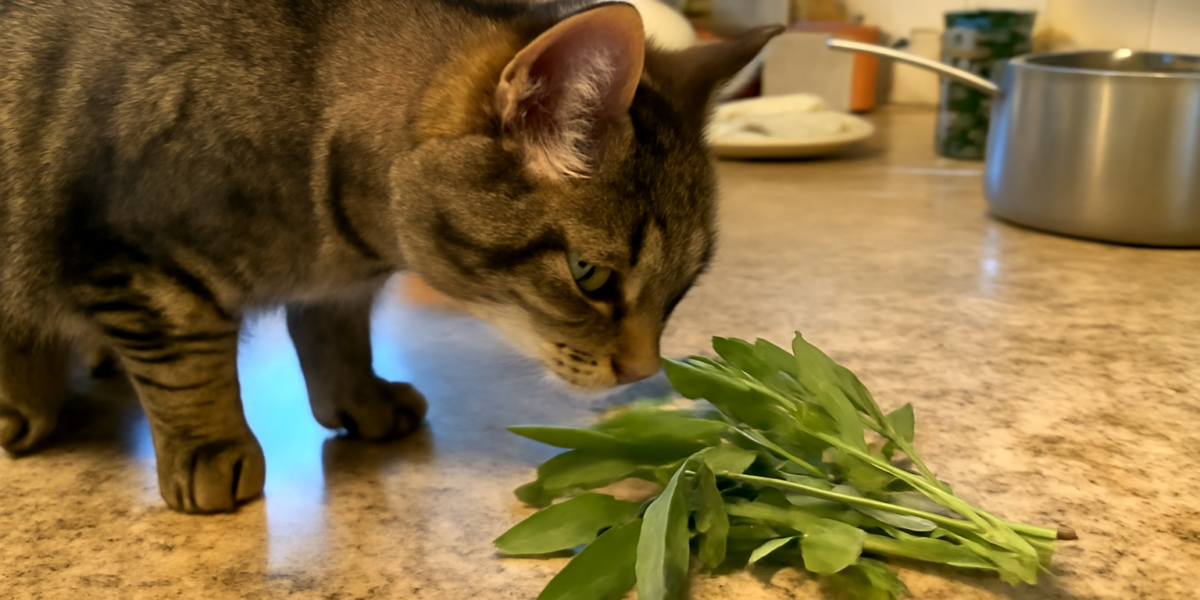
Sage is a fragrant herb that has been valued for centuries in both the kitchen and traditional medicine. Its soft, velvety leaves and earthy aroma make it a staple in stuffing, pasta dishes, and roasted meats. If you grow sage in your garden or keep it in your spice cabinet, you may have noticed your cat showing interest in this aromatic plant. Cats are sometimes drawn to herbs, and it is worth knowing which ones are safe.
The relationship between cats and herbs is often more nuanced than a simple safe or unsafe designation. As obligate carnivores, cats have no dietary requirement for plant matter, but that does not mean every plant is dangerous. Sage occupies an interesting middle ground — it is generally considered safe for cats in very small amounts, but it does contain compounds that warrant caution.
Quick Answer: Can Cats Eat Sage?
In very small amounts, fresh common sage (Salvia officinalis) is generally considered non-toxic to cats. The ASPCA does not list common garden sage on its toxic plants database. However, sage contains thujone and camphor — compounds that can be harmful in larger quantities — and sage essential oil is concentrated enough to be toxic to cats.
The distinction between a nibble of a fresh sage leaf and exposure to sage essential oil cannot be emphasized enough. A cat that chews on a sage leaf in your herb garden is unlikely to experience any ill effects. A cat exposed to sage essential oil — whether ingested, applied topically, or inhaled from a diffuser — could experience serious toxicity. Essential oils are highly concentrated, and cats lack the liver enzymes (glucuronosyltransferase) needed to properly metabolize many essential oil compounds.
If your cat has eaten a small amount of fresh sage, there is typically no cause for concern. If they have ingested sage essential oil or a large quantity of dried sage (which is more concentrated than fresh), contact your veterinarian promptly.
Nutritional Profile of Sage
One tablespoon of fresh sage (approximately 2 grams) contains:
- Calories: 0.6 kcal — negligible
- Vitamin K: 10 micrograms — important for blood clotting, though cats obtain sufficient vitamin K from their regular diet
- Vitamin A: Small amounts as beta-carotene (cats cannot convert this to retinol)
- Iron: Trace amounts
- Calcium: Trace amounts
- Thujone: Present in variable amounts — this is the compound of concern in larger quantities
- Camphor: Present in small amounts — a known cat toxin in concentrated form
- Rosmarinic acid: An antioxidant compound
Dried sage is significantly more concentrated than fresh, containing approximately 7 times more of each compound per weight. Ground dried sage used in cooking therefore carries a higher risk profile than fresh leaves. A teaspoon of dried sage contains more thujone than several fresh leaves, making accurate portioning more critical.
Thujone is a terpene that in high doses can act as a convulsant and neurotoxin. While the amount in a single sage leaf is far below any toxic threshold, chronic or excessive exposure could theoretically accumulate to concerning levels. This is why sage consumption should remain occasional and minimal for cats.
Benefits and Risks of Sage for Cats
Benefits
- Generally non-toxic: Unlike many herbs and plants, common sage is not classified as toxic to cats by major animal poison databases
- Antimicrobial properties: Sage has documented antibacterial and antifungal properties that could theoretically support oral health in trace amounts
- Antioxidant compounds: Rosmarinic acid and other polyphenols in sage have antioxidant effects
- Mental stimulation: Allowing a cat to sniff and explore herb plants can provide enrichment, similar to catnip
- Digestive support: In traditional herbalism, sage has been used to ease mild digestive discomfort, though this is not a veterinary-approved use for cats
Risks
- Thujone content: In large amounts, thujone can cause seizures, liver damage, and neurological symptoms in cats
- Camphor content: Camphor is toxic to cats and is present in sage, albeit in small amounts in the fresh leaf
- Essential oil danger: Sage essential oil is concentrated and toxic to cats due to their inability to metabolize terpenes and phenols efficiently
- Dried sage concentration: Ground dried sage used in cooking is much more concentrated than fresh and could deliver problematic doses of thujone in smaller amounts
- Gastrointestinal irritation: The aromatic oils in sage can cause mild stomach upset in some cats, particularly if consumed on an empty stomach
- Pesticide exposure: Non-organic sage plants may carry pesticide residue that could be harmful to cats
How to Serve Sage Safely to Your Cat
If your cat is interested in sage, the safest way to allow interaction is with fresh, organic sage leaves in a controlled manner. Here are the guidelines:
Allow your cat to sniff and nibble on a single fresh sage leaf if they show interest. One small leaf is the maximum amount that should be consumed in a sitting. Do not encourage eating — simply allow your cat to explore the herb naturally. Many cats will sniff it and walk away, which is perfectly fine.
Do not offer dried sage, ground sage, or sage extract to your cat. These concentrated forms deliver higher doses of thujone and camphor per unit weight. If you are cooking with sage and your cat is in the kitchen, ensure they do not have access to the spice container.
Never expose your cat to sage essential oil in any form. Do not diffuse sage essential oil in rooms your cat inhabits, do not apply it to their fur or skin, and store all essential oils in secure, cat-proof locations. If you use an essential oil diffuser in your home, research each oil thoroughly for feline safety before use.
If you grow sage in your garden and your cat has outdoor access, occasional nibbling on sage plants is generally not a concern. However, if you notice your cat eating sage leaves regularly or in large quantities, redirect them and consult your veterinarian about potential underlying reasons for excessive plant eating.
Signs of Problems After Eating Sage
Problems from eating a small amount of fresh sage are rare, but be aware of the following potential symptoms:
Mild digestive upset (within hours): Drooling, mild nausea, or a brief episode of vomiting. The aromatic oils in sage can cause mild stomach irritation in some sensitive cats. These symptoms are typically self-limiting and resolve quickly.
Essential oil exposure symptoms (within minutes to hours): If your cat has been exposed to sage essential oil, symptoms may include drooling, vomiting, difficulty breathing, lethargy, uncoordinated walking (ataxia), tremors, and in severe cases, liver failure. Essential oil toxicity in cats can be serious and requires immediate veterinary care.
Large quantity consumption (rare): If a cat consumed a very large amount of sage (many leaves or a significant quantity of dried sage), thujone toxicity could potentially manifest as agitation, tremors, seizures, and confusion. This scenario is unlikely under normal circumstances but warrants immediate veterinary attention if observed.
Allergic reaction: In rare cases, a cat may have an individual sensitivity to sage, presenting as skin irritation around the mouth, excessive pawing at the face, or hives. Discontinue exposure and consult your vet if you observe these signs.
Healthy Alternatives to Sage
If your cat enjoys interacting with plants and herbs, these options are well-established as safe for felines:
- Catnip (Nepeta cataria): The classic cat herb — safe, stimulating, and enjoyable for about two-thirds of cats
- Cat grass: Wheat grass, oat grass, or barley grass grown specifically for cats provides safe nibbling material
- Silver vine: An alternative to catnip that many cats respond to, even those who do not react to catnip
- Valerian root: Provides similar stimulation to catnip for some cats (use the dried root, not essential oil)
- Cat thyme (Teucrium marum): Despite its name, this plant is not thyme but provides a catnip-like response in some cats
- Cooked plain chicken: If your cat’s herb interest is actually food-seeking behavior, a meat-based treat will satisfy them far better
Interested in finding a cat who would love to explore your herb garden with you? Visit our adoption page to discover rescue cats looking for their forever homes.
Frequently Asked Questions
Is burning sage (smudging) dangerous for cats?
Burning sage produces smoke that contains volatile compounds, including thujone and camphor. Cats have sensitive respiratory systems, and exposure to any kind of smoke can irritate their airways. While occasional, brief exposure to sage smoke in a well-ventilated room is unlikely to cause severe toxicity, it is best to keep your cat in a different room when smudging and ensure the area is well-ventilated before allowing your cat back in.
Can I put sage essential oil in my diffuser if I have cats?
No, sage essential oil should not be diffused in homes with cats. Cats lack the glucuronosyltransferase enzyme needed to metabolize many compounds found in essential oils, including those in sage. Inhaled essential oil droplets can coat a cat’s fur and be ingested during grooming, and direct inhalation can irritate the respiratory tract. Choose cat-safe alternatives or avoid diffusing essential oils entirely if you share your home with cats.
Is sage on my Thanksgiving turkey dangerous if my cat eats some?
A tiny amount of sage seasoning on a piece of turkey meat is unlikely to cause problems for your cat. The sage is diluted by the cooking process and the surrounding food. However, heavily seasoned turkey skin, which may contain concentrated sage along with other seasonings like garlic and onion, should not be given to cats. If you share a small piece of plain turkey meat with minimal seasoning, the sage exposure is negligible.
Are all types of sage safe for cats?
Common garden sage (Salvia officinalis) is the variety generally considered non-toxic to cats. However, the Salvia genus contains hundreds of species, and not all have been evaluated for feline safety. Diviner’s sage (Salvia divinorum), for example, contains salvinorin A, a potent psychoactive compound that should absolutely not be given to cats. Stick to common culinary sage and treat other Salvia species with caution.
My cat keeps eating my sage plant — should I be concerned?
Occasional nibbling on a sage plant is generally harmless. However, if your cat is consistently seeking out and consuming sage or other plants, it could indicate an underlying issue such as dietary deficiency, boredom, or gastrointestinal discomfort. Provide cat grass as a safe alternative and discuss the behavior with your veterinarian. Also consider whether the plant has been treated with pesticides or fertilizers, which could be more harmful than the sage itself.
Can I give my cat sage tea?
Sage tea is not recommended for cats. Steeping sage in hot water extracts and concentrates the thujone, camphor, and other volatile compounds, making the tea more potent than a fresh leaf. Additionally, sage tea is often prepared with boiling water that could burn your cat’s mouth. If your cat is thirsty, plain water is always the best choice.
Every cat deserves a safe environment and an attentive, informed owner. If you are ready to provide a loving home to a cat in need, visit our adoption page to find your perfect feline companion.


