
Last updated: May 4, 2026
In this article
Can Cats Eat Tofu? What Every Cat Owner Should Know
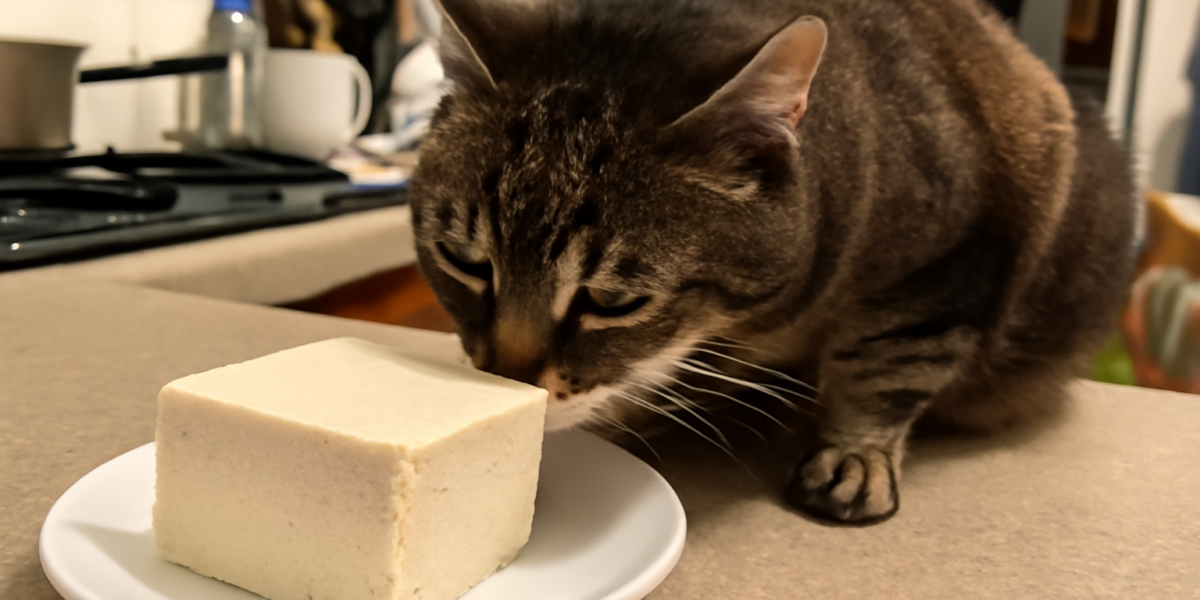
As plant-based diets gain popularity among humans, more cat owners are wondering whether their feline companions can share in these meat-free protein sources. Tofu, one of the most well-known plant proteins, often prompts the question: can cats eat tofu? While tofu is not toxic to cats, the answer is more nuanced than a simple yes or no. As obligate carnivores, cats have very specific nutritional needs that tofu simply cannot meet, and there are several important reasons why it should not be a regular part of your cat’s diet.
Tofu is made from soybeans that have been soaked, ground, boiled, and coagulated into a soft, white block. It has been a staple of Asian cuisines for over two thousand years and is valued for its versatility, mild flavor, and protein content. For humans, tofu is an excellent protein source. For cats, however, the story is quite different. Understanding why requires a closer look at feline biology and the unique nutritional requirements of our carnivorous companions.
Why Cats Are Obligate Carnivores
To understand why tofu is not an ideal food for cats, it is essential to understand what it means to be an obligate carnivore. Unlike dogs, which are omnivores and can derive nutrition from both animal and plant sources, cats have evolved to require nutrients that are found primarily or exclusively in animal tissue.
Cats require high levels of taurine, an amino acid that is found almost exclusively in animal proteins. Taurine deficiency in cats can lead to dilated cardiomyopathy, a potentially fatal heart condition, as well as retinal degeneration that can cause blindness, reproductive failure, and impaired immune function. While tofu contains trace amounts of taurine, the levels are negligible compared to what cats need and what animal proteins provide.
Cats also have a higher protein requirement than most other domesticated animals. Their bodies are designed to metabolize protein as a primary energy source, and their livers maintain high levels of protein-processing enzymes at all times. While tofu does contain protein, it is plant-based protein that lacks the complete amino acid profile that cats require. Specifically, tofu is lower in methionine and cysteine, sulfur-containing amino acids that are essential for cats’ metabolism, coat health, and liver function.
Additionally, cats require preformed vitamin A from animal sources because they lack the ability to efficiently convert beta-carotene from plants into usable vitamin A. They also need arachidonic acid, a fatty acid found in animal fats, which they cannot synthesize from plant-based precursors. Tofu provides neither of these essential nutrients.
Cats have a limited ability to digest carbohydrates compared to omnivores. Their digestive tract is shorter, their saliva lacks amylase (a carbohydrate-digesting enzyme), and they have fewer intestinal enzymes for processing plant matter. While tofu is relatively low in carbohydrates, the soy protein itself may be less digestible for cats than animal protein.
Is Tofu Safe for Cats in Small Amounts?
While tofu should not be a staple in your cat’s diet, a tiny piece on rare occasions is unlikely to cause harm in most healthy cats. Tofu is not classified as toxic to cats, and if your cat sneaks a small bite of plain tofu, there is generally no cause for alarm.
Plain, unflavored, firm or extra-firm tofu is the safest form to offer if your cat is determined to try it. Soft or silken tofu has a higher water content and can cause loose stools more readily. Avoid any tofu that has been seasoned, marinated, fried, or prepared with sauces, as these preparations often contain ingredients like garlic, onion, soy sauce, and various spices that are harmful to cats.
If you choose to offer your cat a small piece of plain tofu, keep the portion extremely small. A piece about the size of your pinky fingernail is more than sufficient. Offer it no more than once a week at the absolute most, and observe your cat for any digestive upset over the following 24 hours.
It is worth noting that some cats will show no interest in tofu whatsoever, which is perfectly normal and actually reflects their carnivorous instincts. If your cat turns up their nose at tofu, do not try to encourage them to eat it. They are simply following their natural dietary preferences.
Compared to other protein sources that cat owners might consider, tofu falls well below animal-based options like eggs, which provide complete protein with all essential amino acids, adequate taurine, and other nutrients that cats need. If you are looking for treat alternatives for your cat, eggs are a far better choice than tofu.
Potential Risks of Feeding Tofu to Cats
Beyond the nutritional inadequacy, there are several specific risks associated with feeding tofu to cats that pet owners should understand.
Soy allergies are a recognized concern in the feline world. Soy is among the more common food allergens for cats, and a cat with a soy allergy can experience a range of symptoms, including skin irritation, itching, hair loss, vomiting, diarrhea, and ear infections. If your cat has a history of food allergies or sensitivities, introducing tofu could trigger an allergic response. Cats already diagnosed with food allergies should avoid tofu unless their veterinarian has specifically confirmed that soy is not among their allergens.
The phytoestrogen content in soy products, including tofu, is another area of concern. Tofu contains isoflavones, plant compounds that can mimic the effects of estrogen in the body. While research on the effects of phytoestrogens in cats is limited, some veterinary professionals have raised concerns about potential hormonal disruption with regular soy consumption. This is particularly relevant for intact (unspayed or unneutered) cats, kittens, and cats with hormone-sensitive conditions.
Digestive upset is a common consequence when cats eat tofu, even in small amounts. Many cats experience gas, bloating, loose stools, or diarrhea after consuming soy products. This is partly due to cats’ limited ability to digest plant proteins and partly due to the oligosaccharides in soy, which are complex sugars that can ferment in the gut and produce gas.
Tofu also contains anti-nutritional factors such as phytic acid and trypsin inhibitors. Phytic acid can bind to minerals like calcium, iron, and zinc, reducing their absorption. Trypsin inhibitors can interfere with protein digestion. While the tofu-making process reduces these compounds compared to raw soybeans, they are not completely eliminated.
There is also the concern of genetically modified organisms. The majority of soybeans grown in the United States are genetically modified, and the long-term effects of GMO soy on cats have not been studied. If this is a concern for you, look for organic, non-GMO tofu if you choose to offer it to your cat.
Better Protein Alternatives for Cats
If your goal is to provide your cat with diverse, nutritious protein sources, there are many superior alternatives to tofu that align with your cat’s biological needs as an obligate carnivore.
Cooked chicken, turkey, or lean beef are excellent protein treats for cats. These meats provide complete amino acid profiles, including ample taurine, and are highly digestible for feline systems. Always serve meat plain, without seasonings, sauces, or cooking oils, and remove any bones, skin, and excess fat.
Eggs are another outstanding protein source for cats. A small amount of scrambled or hard-boiled egg, prepared without butter, oil, or salt, provides high-quality protein, essential amino acids, and important fatty acids. Many cats enjoy the taste and texture of eggs, and they can serve as an excellent occasional treat.
Fish, in moderate amounts, can be a valuable protein source for cats. Small, oily fish like sardines or anchovies provide protein along with beneficial omega-3 fatty acids. However, fish should not be the sole protein in a cat’s diet due to concerns about mercury, thiaminase, and potential nutrient imbalances.
Commercial cat treats formulated by pet nutrition experts are designed to complement a balanced diet and provide appropriate nutrition for cats. These products undergo testing to ensure safety and palatability, making them a reliable treat option. Look for treats with high-quality animal protein as the first ingredient and minimal fillers or artificial additives.
If you are interested in providing your cat with a varied diet, consider rotating between different animal protein sources rather than introducing plant-based options. This approach provides nutritional diversity while respecting your cat’s carnivorous biology.
When to Contact Your Veterinarian
If your cat has consumed tofu and is showing signs of an allergic reaction or digestive distress, contact your veterinarian for guidance. Symptoms that warrant a call include persistent vomiting or diarrhea, excessive gas or abdominal bloating, skin irritation or itching that develops after eating tofu, loss of appetite, lethargy, or any swelling of the face, lips, or throat.
If your cat has been eating tofu regularly over an extended period, it would be wise to discuss this with your veterinarian even if no obvious symptoms are present. Your vet may want to run blood work to check for any nutritional deficiencies that could result from displacing animal protein with plant protein in your cat’s diet.
Cats with existing health conditions, including thyroid disorders, kidney disease, or food allergies, should not eat tofu without explicit veterinary approval. The isoflavones in soy may interfere with thyroid medication, the protein quality may not be suitable for cats with kidney issues, and the allergenic potential of soy makes it risky for cats with known food sensitivities.
If you are considering a vegetarian or vegan diet for your cat, please consult your veterinarian first. Cats cannot thrive on plant-based diets without extensive supplementation, and an improperly formulated meatless diet can cause serious, potentially life-threatening nutritional deficiencies. Your veterinarian or a board-certified veterinary nutritionist can provide evidence-based guidance on meeting your cat’s nutritional needs.
Frequently Asked Questions
Can cats eat flavored or seasoned tofu?
No, cats should never eat flavored, seasoned, or marinated tofu. Most tofu preparations for human consumption contain ingredients that are harmful to cats, including garlic, onion, soy sauce (very high in sodium), chili, ginger, and various spices. Soy sauce alone contains dangerously high levels of sodium that can cause salt poisoning in cats. Fried tofu is also problematic due to the added fat and oil. If your cat is going to try tofu at all, it must be plain, unseasoned, and uncooked or lightly steamed with no additives whatsoever.
Is soy milk safe for cats?
Soy milk is not recommended for cats. While it is not toxic, it can cause digestive upset including diarrhea and gas due to cats’ limited ability to process soy. Many commercial soy milks also contain added sugars, flavors, and thickeners that are not suitable for cats. Cats do not need any type of milk after weaning, and offering soy milk provides no nutritional benefit. If your cat needs additional hydration, fresh water or a veterinarian-approved cat milk product is a much better choice.
My cat ate a large piece of tofu. Should I be concerned?
A single large piece of plain tofu is unlikely to cause serious harm to a healthy cat, but you should monitor them for signs of digestive upset over the next 12 to 24 hours. Common reactions may include loose stools, gas, or mild vomiting. Ensure your cat has access to plenty of fresh water, and offer their regular food at the next mealtime. If symptoms are severe, persistent, or if the tofu contained any seasonings or sauces, contact your veterinarian for guidance. For cats with known soy allergies, even a single exposure could trigger a significant reaction requiring veterinary attention.
Are there any benefits of tofu for cats?
The nutritional benefits of tofu for cats are minimal compared to animal-based proteins. While tofu does contain protein, calcium, and some B vitamins, these nutrients are more bioavailable and complete when sourced from animal products. Cats’ bodies are specifically designed to extract nutrition from meat, and plant-based proteins like tofu simply do not match the biological value of animal proteins for feline nutrition. There are no unique nutritional benefits that tofu provides to cats that cannot be better obtained from appropriate animal-based foods and well-formulated cat foods.


